
Key Takeaways
- Humidity Accelerates Infection: In Ocala’s high humidity, fungi treatment must be applied at the first sign of spots or wilting to prevent rapid spread across your entire landscape.
- Localized Diagnosis is Vital: Many Ocala trees suffer from heat stress that looks like disease. A professional assessment ensures you aren’t paying for fungi treatment when the real issue is soil pH or irrigation.
- Targeted Pathogen Control: Different threats—like Oak Wilt in our Live Oaks or Ganoderma in Ocala palms—require specific tree fungus treatment methods to be effective.
- Proactive Soil Care: Healthy soil is the best defense. Combining shrub fungus treatment with proper mulching and Air Spading helps roots resist pathogens in Ocala’s sandy soil.
- Advanced Ocala Solutions: Certified arborists use professional-grade systemic injections and soil drenches that reach the root system faster than over-the-counter sprays.
- Storm Safety First: If a fungus reaches the trunk or root flare, the tree may become a hazard during Florida’s storm season. We prioritize safety by determining if a tree can be saved or if removal is the more cost-effective option.
- Protect Ocala Property Value: Investing in timely fungi treatment preserves the massive canopy that makes Ocala properties so valuable and prevents the high cost of total landscape replacement.
At Native Tree, we provide specialized fungi treatment tailored to the specific pathogens found in North Central Florida, ensuring your trees and shrubs stay healthy even in the peak of our rainy season.
Table of Contents
Identifying Fungal Symptoms in Ocala Landscapes
| Symptom | Possible Fungal Cause | Commonly Affected Plants |
|---|---|---|
| White Powdery Film | Powdery Mildew | Crepe Myrtles, Roses |
| Black "Sooty" Mold | Sooty Mold (linked to pests) | Azaleas, Gardenias, Citrus |
| Shelf-like Mushrooms | Ganoderma or Heart Rot | Mature Oaks, Palm Species |
| Brown/Yellow Leaf Spots | Entomosporium or Cercospora | Indian Hawthorn, Ligustrum |
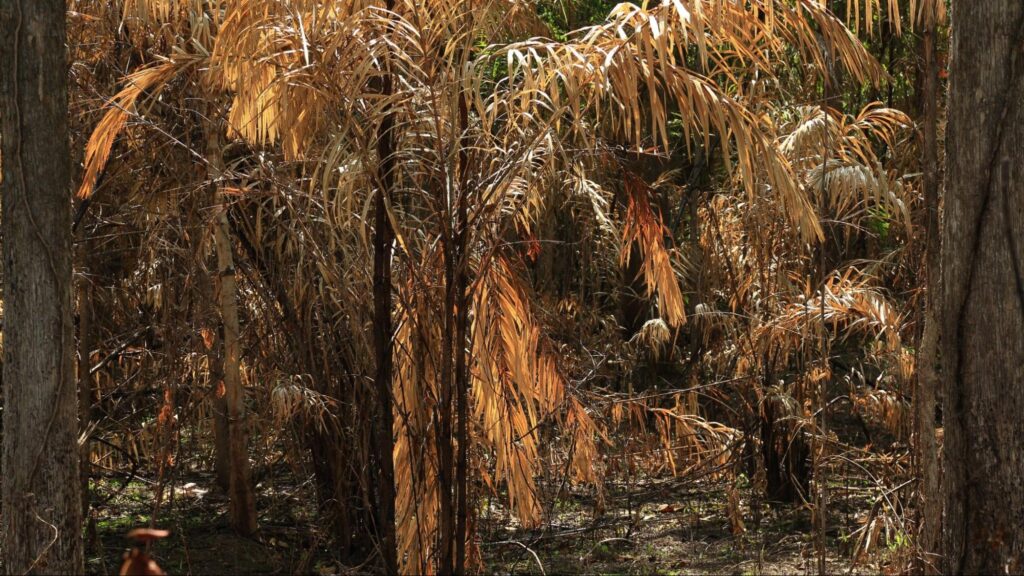
| Sudden Canopy Wilting | Oak Wilt or Root Rot | Live Oaks, Laurel Oaks |
Common Fungal Threats in Marion County
Oak Wilt and Decline
Ocala is famous for its oak canopy, but fungal “wilt” can move through interconnected root systems, killing entire groups of trees. During an inspection, we look for specialized leaf patterns that distinguish this fungus from simple drought stress.
Ganoderma Butt Rot
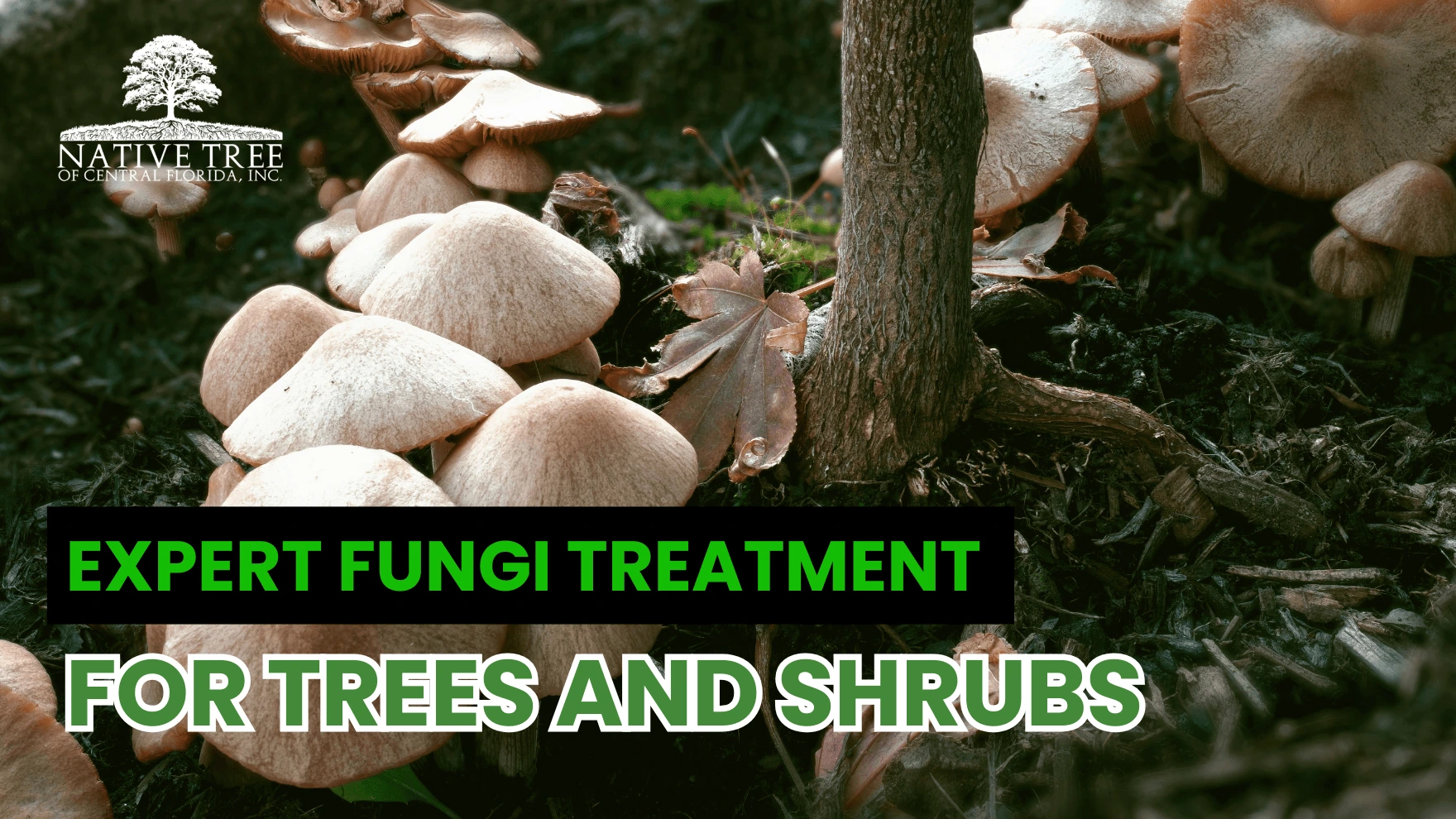
Often found in Ocala’s palm trees, this wood-decaying fungus attacks the base (butt) of the tree. If you see a hard, reddish-brown “conk” or mushroom at the base of your tree, it indicates internal rot that could lead to a sudden collapse during a Florida thunderstorm.
Root Rot in Sandy Soils
While Ocala’s soil is sandy, poor drainage in certain areas can lead to Phytophthora root rot. This fungus “drowns” the root system, preventing the tree from taking up nutrients even if the soil is wet.
Professional Treatment and Prevention
Treatment is most effective when caught early. Our Ocala-based team uses a multi-step approach:
- Fungicide Application: Targeted sprays or soil injections to stop the spread.
- Air Spading: Correcting soil compaction to help roots “breathe” and resist infection.
- Strategic Pruning: Removing infected limbs to prevent the fungus from reaching the trunk.
In cases of localized infection, professional Tree Pruning in Ocala is the best way to stop the spread.
Not sure if it’s fungi or just heat stress? Start with a comprehensive Ocala Tree Health Inspection.
Restore Tree Health with the Right Fungal Care
Protect your trees and shrubs from hidden fungal threats. Whether you need expert diagnosis or targeted treatments, our team is ready to help your landscape stay strong, vibrant, and disease-free.
Frequently Asked Questions
What exactly is fungi treatment for trees and shrubs?
This treatment refers to methods used to control or prevent fungal diseases like tree fungus or shrub fungus. These treatments may involve fungicidal sprays, trunk injections, or soil drenches to eliminate spores and restore plant health.
Do fungi treatments really work?
Yes, when done correctly and at the right time. Effective fungus treatment combines early detection, proper fungicides, and good tree care practices. Severe infections, however, may require removal if the fungus has already damaged the trunk or roots.
How do I know if my tree needs fungus treatment?
Watch for symptoms like thinning leaves, black or yellow spots, peeling bark, or soft, decaying wood. These signs may indicate tree fungus or shrub fungus, and early treatment can prevent the disease from spreading.
Can I perform shrub fungus treatment on my own?
For mild infections, homeowners can try DIY shrub fungus treatment using fungicidal sprays and proper pruning. However, widespread or persistent infections should be handled by professional tree care experts to ensure lasting results.
How much does tree fungus treatment cost?
Costs vary depending on the tree’s size, disease severity, and treatment type. Simple soil drenches or sprays are affordable, while systemic tree fungus treatments involving injections or deep root care may cost more but offer longer-lasting protection.
When should I call a professional arborist?
If you’re unsure of the infection type or if the fungus has spread significantly, call a certified tree care specialist. They can identify the specific pathogen, recommend the best fungus treatment, and prevent the disease from affecting nearby vegetation.
How can I prevent tree and shrub fungus in the future?
Regular inspection, proper pruning, balanced fertilization, and adequate drainage are key. Healthy soil and consistent tree care make plants more resistant to fungal attacks, reducing the need for future treatments.