

Key Takeaways
- A tree health inspection detects problems early, preventing costly damage and extending tree lifespan.
- Partnering with a professional tree service ensures accurate diagnosis and sustainable treatments.
- Regular inspections improve safety, preventing falling branches and storm-related hazards.
- A tree care service enhances soil health, canopy growth, and resilience against pests and diseases.
- Investing in ongoing tree service boosts property value, curb appeal, and environmental benefits.
Preserving the health of Ocala’s iconic canopy requires more than just occasional watering. From the historic oaks of the Southeast Lake Weir area to the newer landscapes in On Top of the World, Ocala trees face unique soil conditions and pest pressures. A professional tree health inspection is a proactive strategy to identify structural weaknesses and diseases before they become a liability.
A tree health inspection is more than a quick glance at leaves and branches. It’s a comprehensive evaluation that looks at every part of the tree from the roots to the canopy. When paired with a professional tree service, inspections can keep your trees thriving for decades while ensuring they remain safe for your home and community.
Table of Contents
Why Tree Health Inspection Matters
One of the biggest advantages of scheduling a tree health inspection is early detection. Problems like insect infestations, fungal infections, or nutrient deficiencies often start subtly. A trained arborist can identify these signs before they escalate into major issues. Addressing problems early usually means more affordable solutions, such as targeted pruning, soil treatment, or routine tree maintenance instead of tree removal.Inspections also protect safety and property. Unstable branches or weakened trunks may not be obvious to an untrained eye. During a storm, these hazards can cause significant damage. A tree care service provider can recommend cabling, bracing, or trimming to reduce risks and keep your property safe.
Healthy trees also live longer and provide greater benefits. With the support of a professional service, trees develop stronger root systems, fuller canopies, and better resilience against climate extremes. Investing in inspections ensures that your trees not only survive but thrive.
The Ocala Homeowner’s Tree Health Checklist
| Area of Concern | What to Look For | Potential Issue |
| The Trunk | Deep cracks, “bleeding” sap, or large cavities. | Internal decay or bacterial infections common in local oaks. |
| The Roots | Mushrooms at the base or “heaving” soil. | Root rot or instability in sandy Ocala soils. |
| The Canopy | Premature browning or thinning at the top. | Nutrient deficiency or pest infestations. |
| The Branches | Narrow “V-shaped” connections. | High risk of limb failure during Florida summer storms. |
What Happens During a Tree Health Inspection
Visual Evaluation
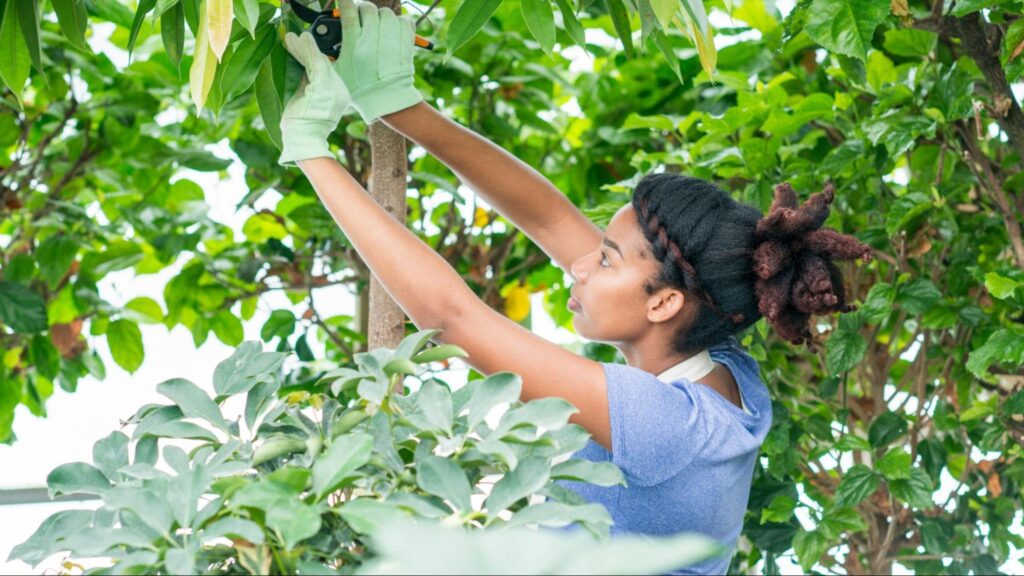
A professional tree service begins with a thorough visual inspection of the tree. Arborists carefully examine leaf color, branch density, bark texture, and overall structure. Signs such as discolored leaves, bare branches, or fungi near the base often indicate deeper health problems.Use of Advanced Tools
When visual checks are not enough, advanced tools are used. Resistance drills, soil testing, and aerial inspections help detect hidden decay, compacted soil, or root issues that may not be visible from the ground.Personalized Care Plan
After gathering all the necessary data, the arborist develops a tailored care plan. This may include pruning to improve structure, fertilization to boost growth, pest control to manage infestations, or structural support to stabilize the tree.Common Treatments After Inspections
Inspections are valuable because they lead to action plans that protect and restore tree health. Some of the most common treatments recommended after an inspection include:Insect and Disease Management
After an inspection, arborists often recommend targeted treatments to manage pests and diseases. These treatments stop harmful insects or pathogens before they spread and cause serious damage to the tree or surrounding landscape.Soil Care
Healthy soil is the foundation of strong trees. By testing and improving soil quality, arborists ensure that trees receive the right balance of nutrients and moisture needed for steady growth.Pruning and Root Protection
Pruning is used to remove weak or damaged branches, improving the overall structure and appearance of the tree. At the same time, protecting the root zone from compaction helps the tree absorb water and nutrients more efficiently.Support Systems
Some trees require extra reinforcement to remain safe and stable. Cabling and bracing provide structural support to weak branches or trunks, reducing the risk of storm damage and extending the tree’s lifespan.Benefits of Hiring a Professional Tree Service
Some homeowners attempt to assess tree health on their own, but a professional tree service brings scientific expertise that can’t be matched by guesswork. Certified arborists are trained to diagnose problems accurately and provide sustainable solutions.They take a holistic approach, looking at your soil, climate, and surrounding plants. This means their recommendations are customized to your property, not generic advice. Professional inspections are also proactive. Instead of waiting for a branch to fall or a disease to spread, arborists prevent emergencies through careful monitoring.
Working with a tree care service also enhances property value. Well-maintained trees improve curb appeal, offer energy savings through shade, and increase real estate value. In the long run, professional care is an investment that pays off both financially and environmentally.
When Should You Schedule an Inspection?
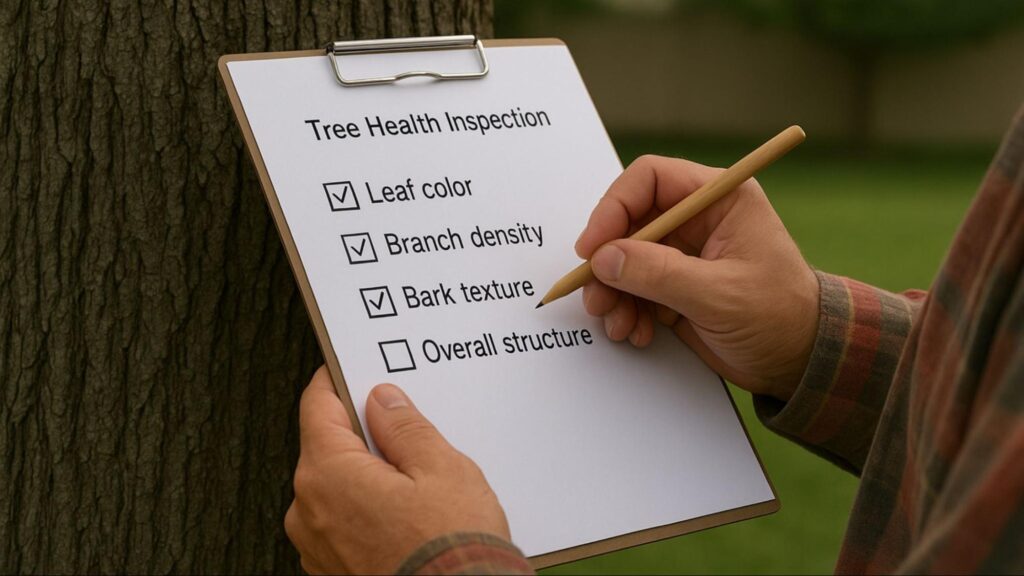
Tree health inspections should be part of your annual landscape maintenance. Mature trees, in particular, benefit from yearly checkups to catch problems early. Inspections are also crucial after severe weather events, as storms often create hidden damage that may not be immediately visible.
You should also schedule a tree service if you notice warning signs such as early leaf drop, thinning canopies, cracks in the trunk, or mushrooms growing near the base. These may indicate decay or disease that requires immediate attention.
How Professional Tree Service Extends Tree Lifespan
Preventing Disease Outbreaks
Regular inspections allow arborists to detect early signs of disease and stop them before they spread. This proactive care keeps trees healthy and reduces the need for costly removals.
Encouraging Proper Growth Patterns
Professional pruning and structural guidance help trees grow in strong, balanced ways. This reduces stress on branches and improves long-term stability.
Strengthening Root Systems
Tree services also focus on soil care and root protection, ensuring roots can absorb water and nutrients effectively. A strong root system directly supports a longer, healthier lifespan.
Creating Optimal Growing Conditions
By combining inspections with treatments like fertilization, pest control, and pruning, arborists establish the best environment for trees to thrive well beyond their natural lifespan.
DIY Warning Signs to Watch For
While only a professional can provide a complete assessment, homeowners can stay alert to early symptoms of decline. Watch for discolored or wilting leaves, dead or hanging branches, bark peeling, insect holes, or soil disturbances around the root zone. If you see any of these warning signs, calling a professional tree service promptly can make the difference between saving or losing the tree.
Conclusion
A tree health inspection is not just a luxury—it’s a necessity for anyone who values safety, property investment, and environmental health. With help from a professional tree service, inspections lead to healthier, stronger, and more beautiful trees that enrich both your home and community.
Don’t wait for visible problems to appear. By scheduling regular inspections with a trusted tree care service, you can spot issues early, protect your property, and ensure your trees continue to thrive for decades.
Why Ocala Residents Trust Native Tree
Ocala’s environment is unique, and our inspections are tailored to the specific pests and weather patterns of North Central Florida. An annual assessment ensures your trees are storm-ready and healthy, preventing the high costs of emergency removals and property damage.Protect your Ocala landscape today.
Frequently Asked Questions