
Our Services
Committed to Excellence
Professional Tree Care Service & Specialized Solutions
Tree Removal
Proper Tree Pruning
Mangrove Trimming
Restoration Pruning
Stump Grinding
Stump Removal
Tree Removal
Proper Tree Pruning
Mangrove Trimming
Restoration Pruning
Stump Grinding
Stump Removal
Palm Tree Trimming
Mulching
Organic Fertilization
Dangerous Trees
Land Clearing
Commercial Landscaping
Palm Tree Trimming
Mulching
Organic Fertilization
Dangerous Trees
Land Clearing
Commercial Landscaping
Commercial Mowing
Large Property Maintenance
Debris Removal
Certified Arborist Consultation
Emergency Service
Tree Risk Assessment
Commercial Mowing
Large Property Maintenance
Debris Removal
Certified Arborist Consultation
Emergency Service
Tree Risk Assessment
Tree Care in Central Florida
Tree pruning is a hazardous endeavor, and a homeowner on an extension ladder is an accident waiting to happen. Have your job done right the first time, without risk of injury or insult, with Native Tree of Central Florida. No tree pruning job is too big or too small.
Ready When You Are
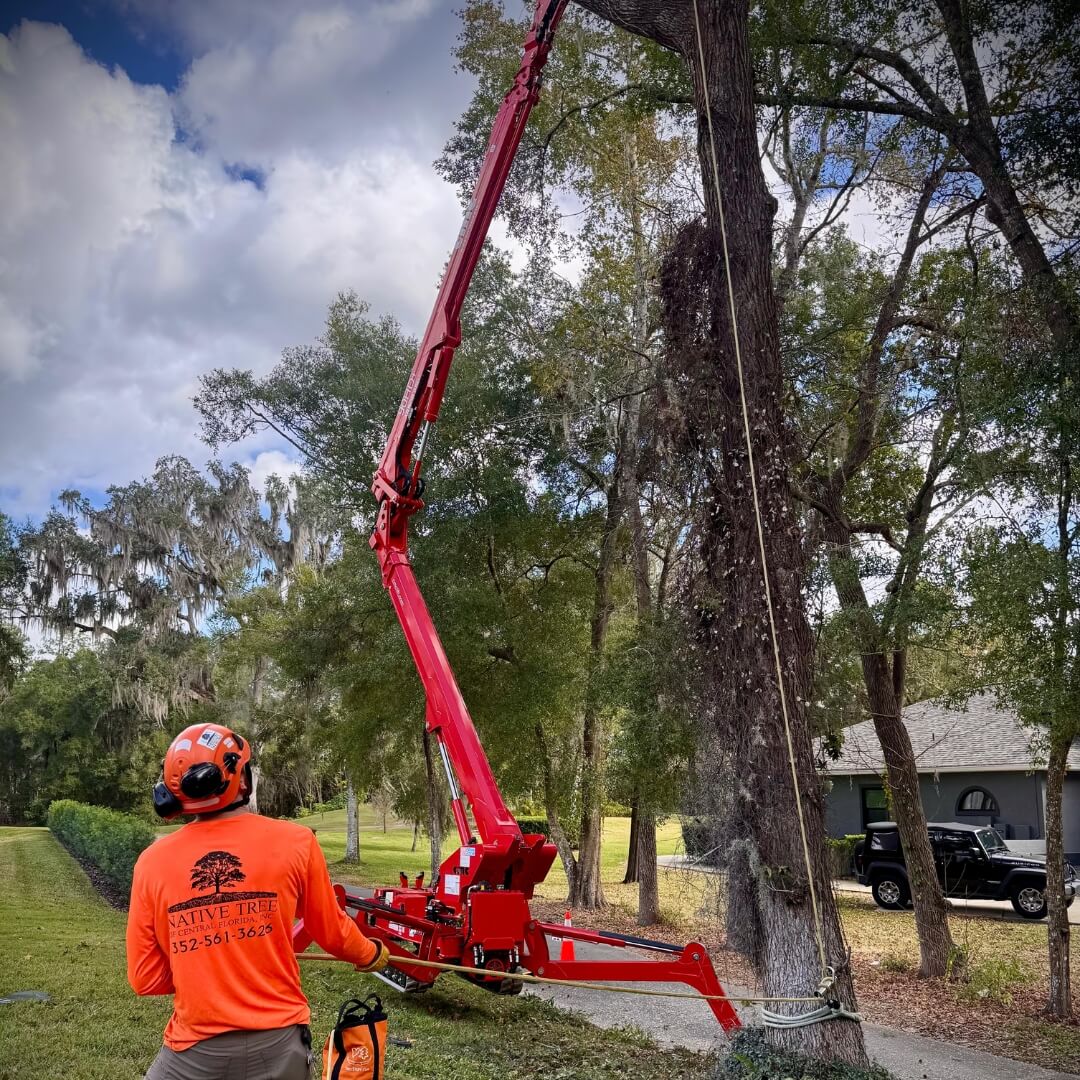
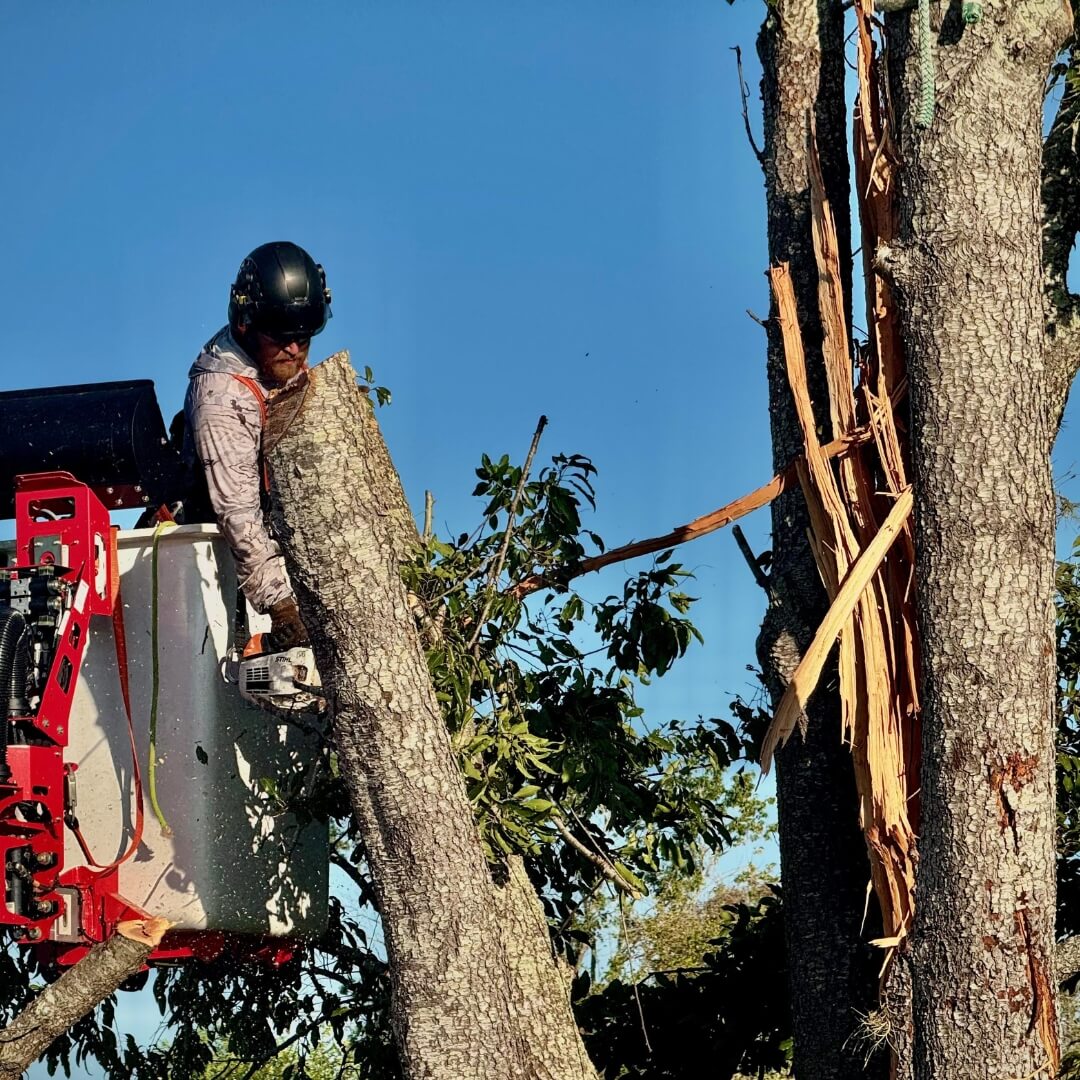
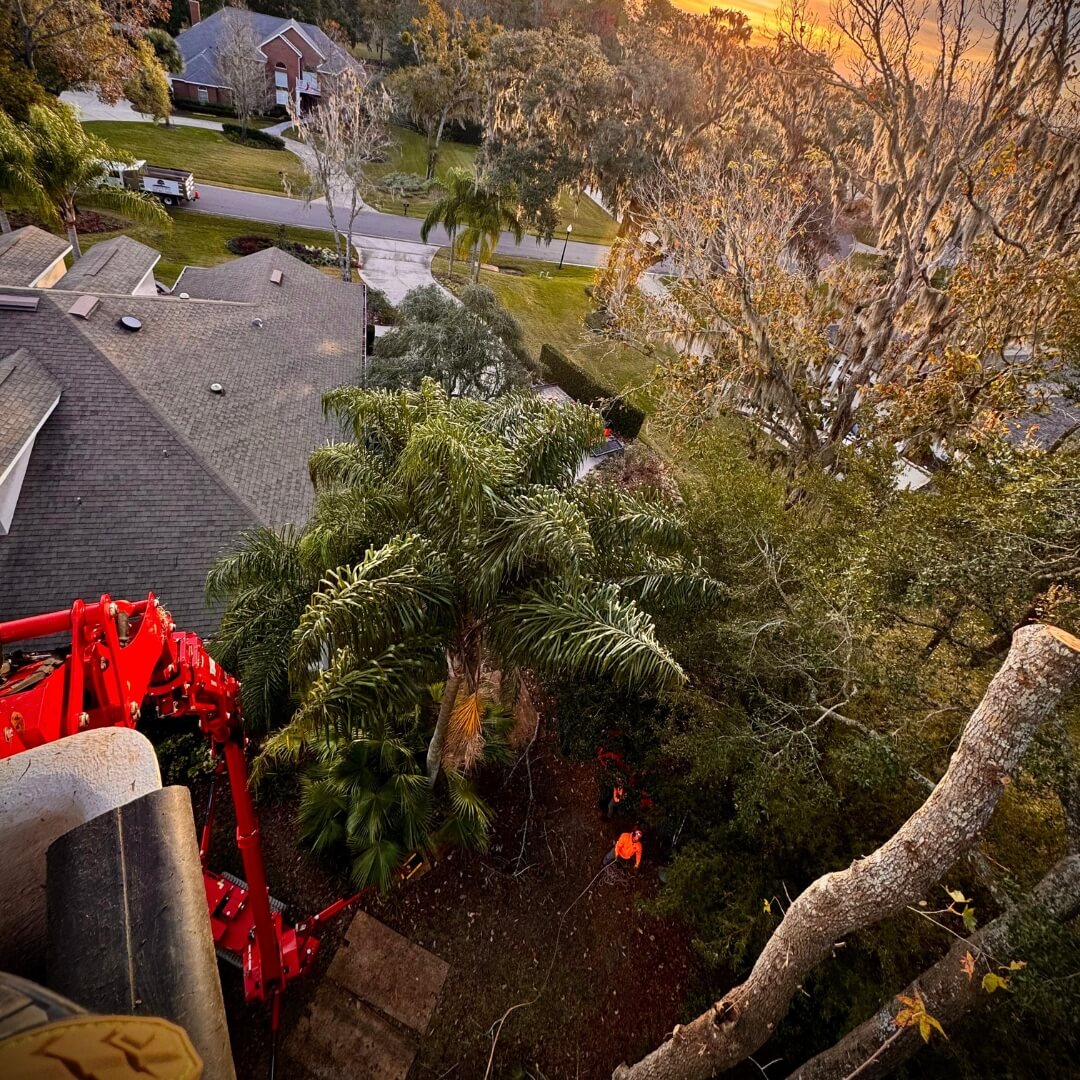
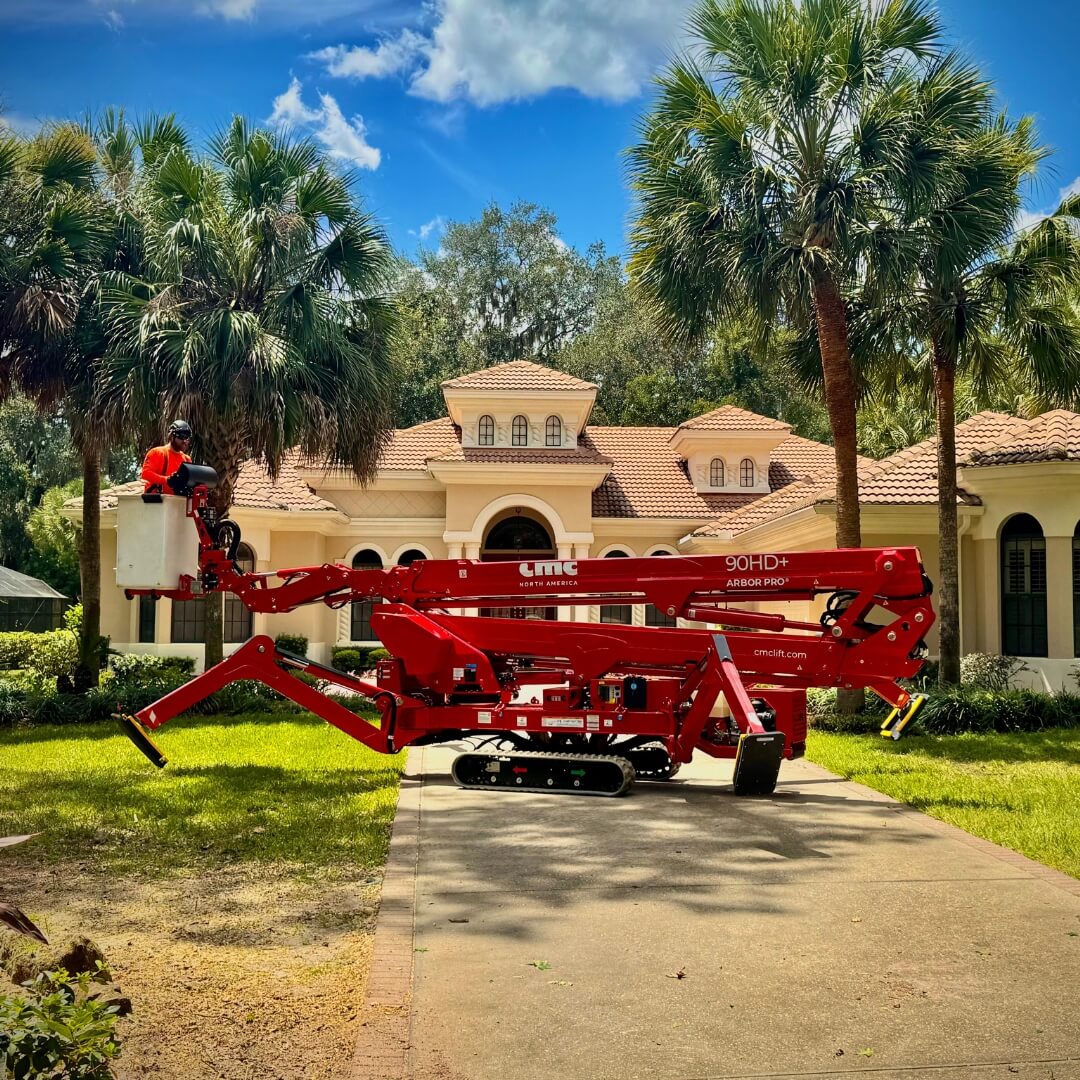
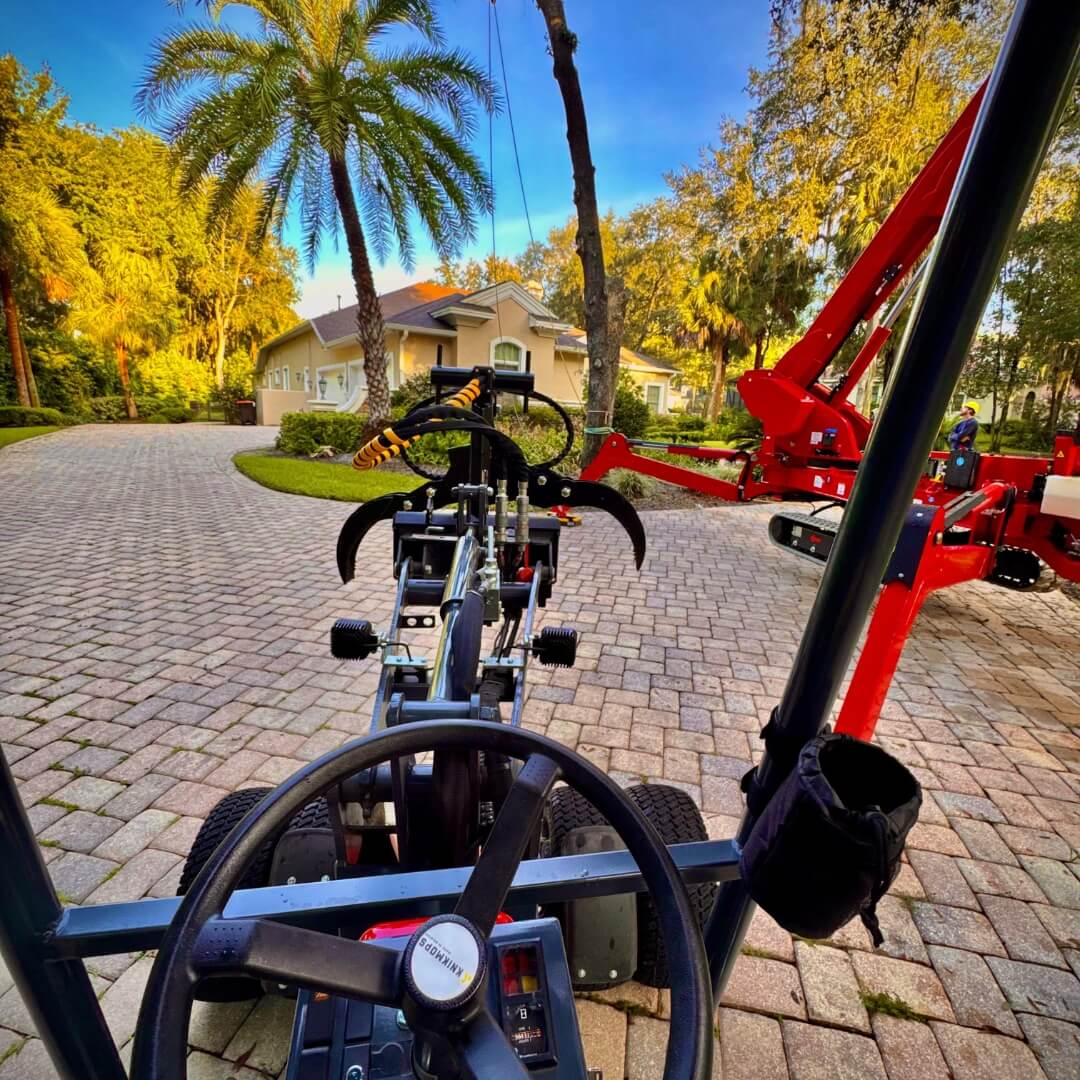
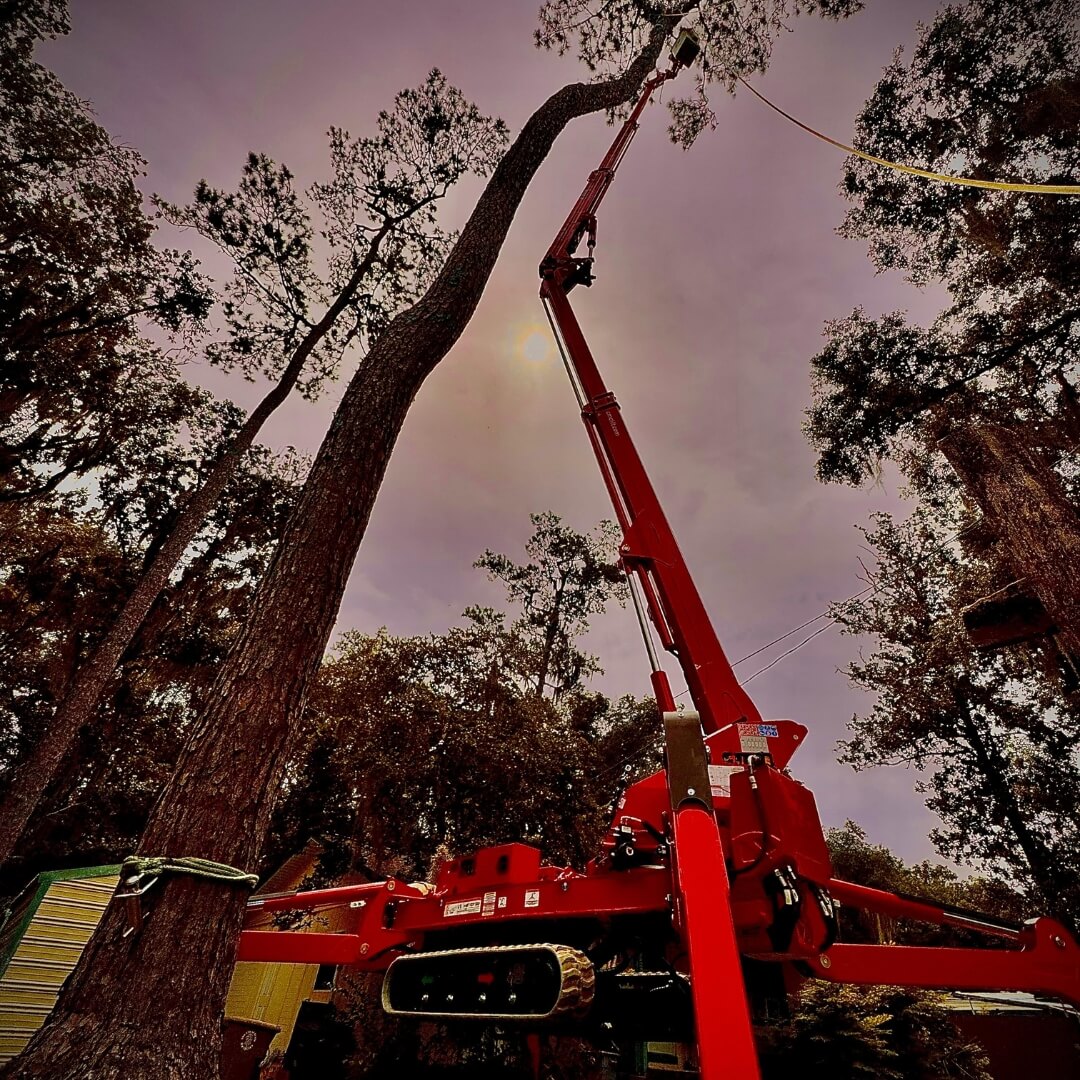
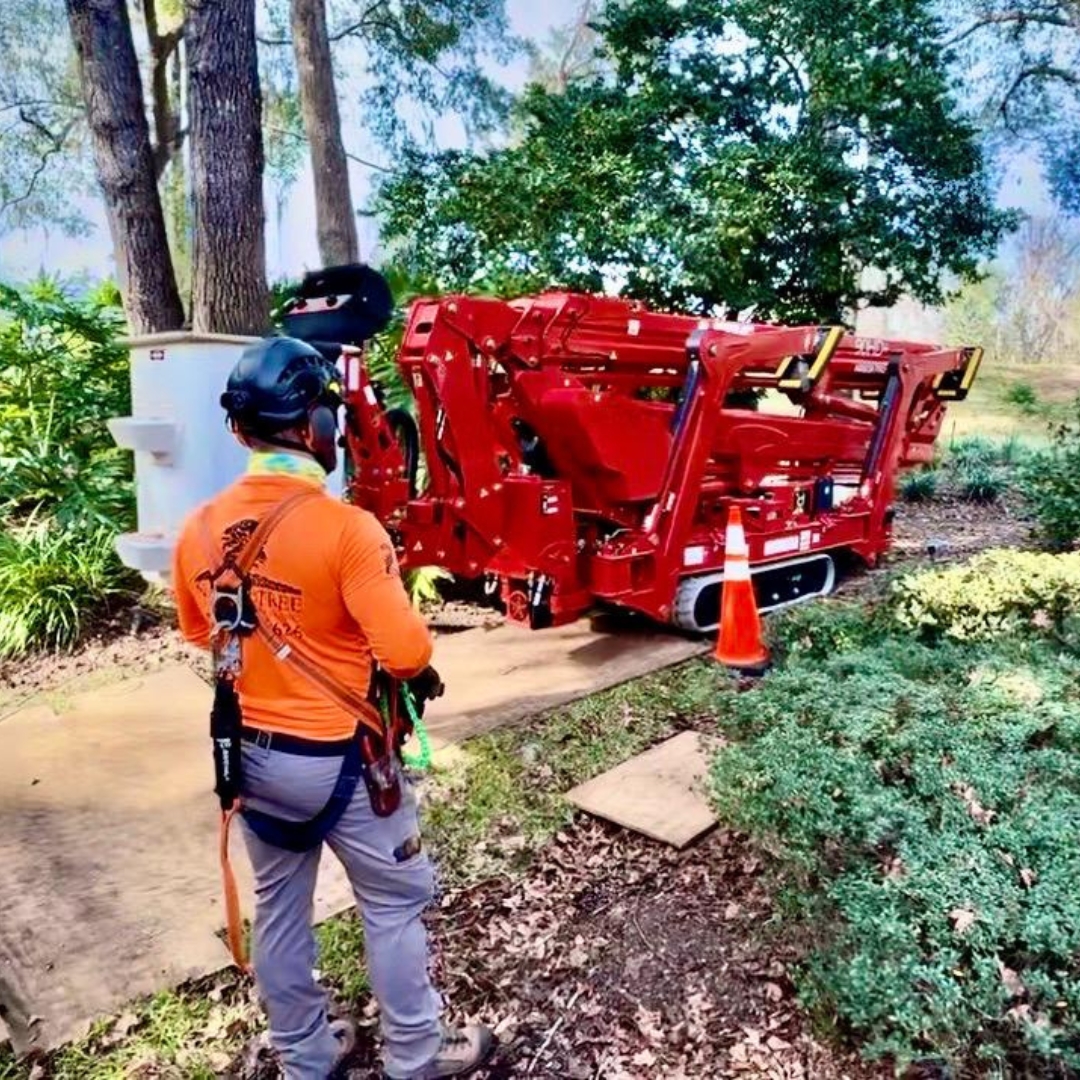
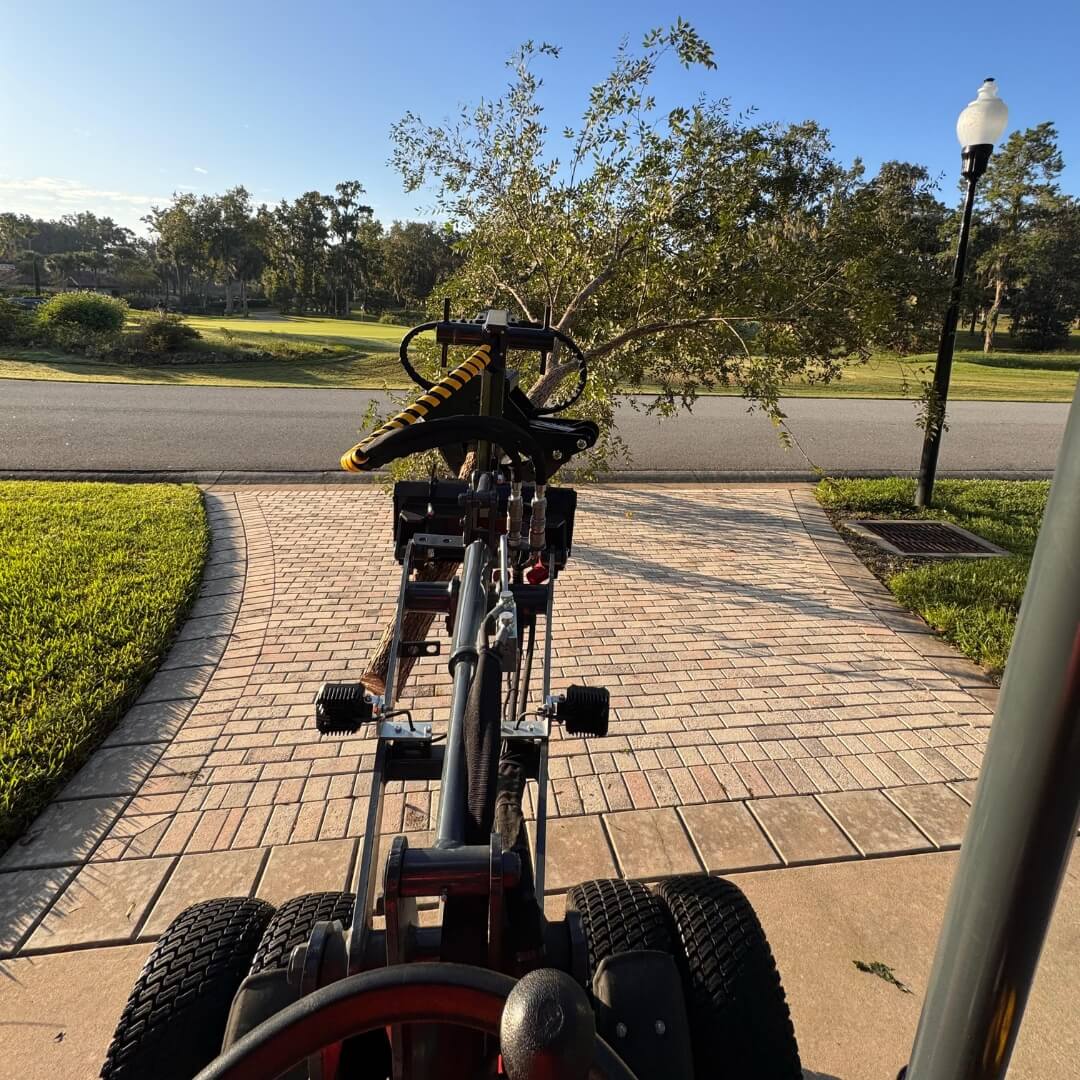
Native Tree of Central Florida is equipped with a full array of vehicles and tools to handle virtually any tree pruning job. Our bucket trucks can get our arborists to the topmost branches of the tallest trees, while our chippers and grinders can get that unsightly stump out of your yard once and for all.

Our Guarantee
At Native Tree of Central Florida, we’re not happy until you are. That’s why we back our work with a 100% satisfaction guarantee. Call our team based in Ocala, FL for an appointment for tree pruning throughout Marion, Levy, Citrus, Hernando, Sumter, Alachua, Lake, and Orange Counties. We welcome the opportunity to earn your trust, and your business!
Thorough & Professional
Knowing what’s best for your tree’s health can be tricky. Our knowledgeable arborists are here to help. Topping is harmful to trees and is not an accepted practice. Native Tree of Central Florida can determine the type of pruning that would best improve the health, appearance, and safety of your trees.
Certified Arborists
A diseased, dying, or dead tree is a safety hazard. With top-tier certified arborists, we ensure a top quality job. Native Tree of Central Florida performs hazardous tree removal safely, efficiently, and at an affordable price. Call us today for a quote!
Saving Your Favorite Tree
That old tree in your yard has seen generations come and go, hosted lots of treehouse sleepovers, and provided shade for lazy afternoon reads. You hate to see it go, so can it be saved? Call us for a consultation with one of our hazardous tree removal professionals. We will examine the tree and let you know what your options are.
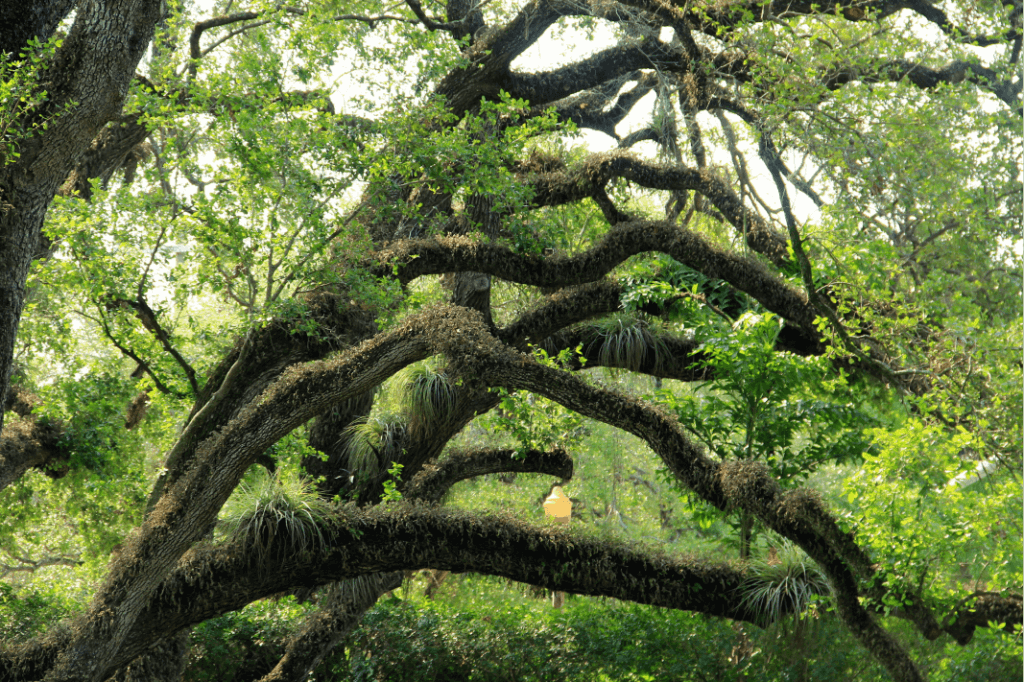
The Telltale Signs
Aside from obvious leaning, there are several more-subtle indicators that a tree is in need of removal by a professional tree removal company like us. These include, but are not limited to:
- Dead branches
- Lack of new growth
- Inconsistent growth
- Co-dominant leader
- Fungus growth near the root system
Recycling to help others
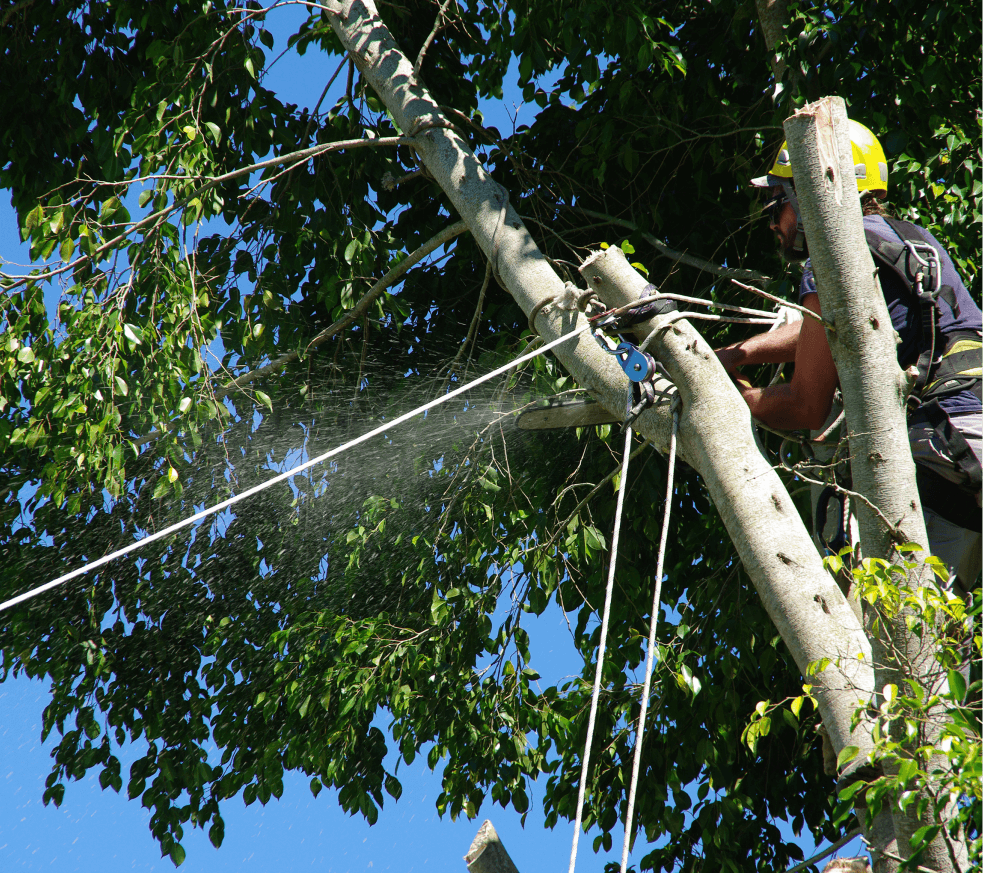
Native Tree of Central Florida utilizes log chippers to recycle excess wood. This way, other families can enjoy the benefits of life-giving mulch to create decorative accents in their flowerbeds and gardens. Call our office in Ocala, FL to make an appointment for tree removal, or request a quote for service.
Bring on the Big Jobs
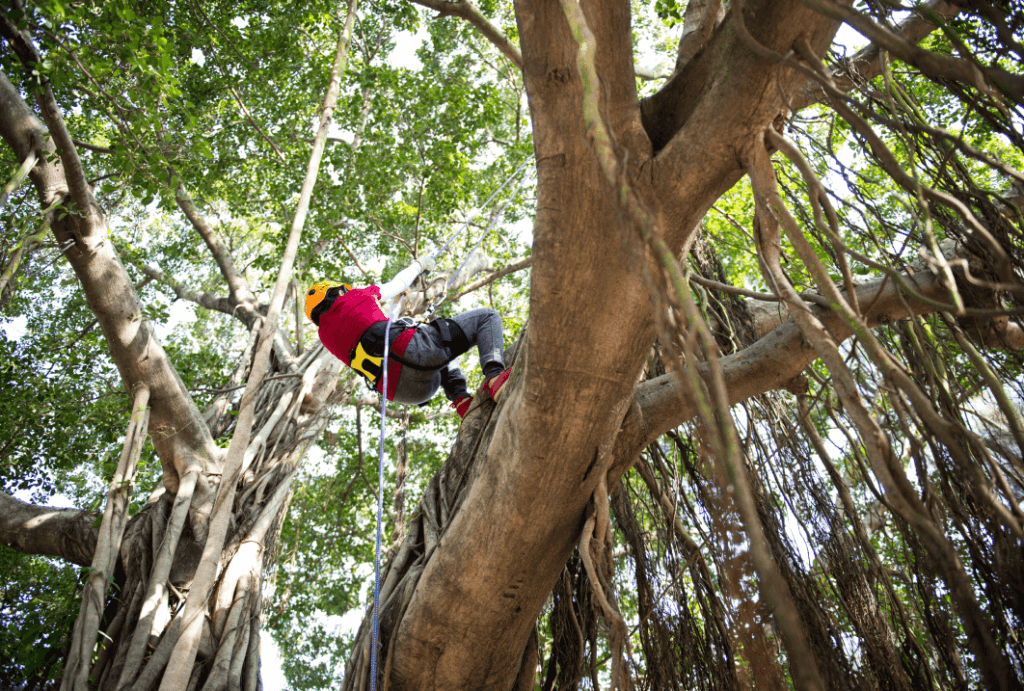
Natural disaster recovery can be overwhelming, even if you’ve been through it before. Native Tree of Central Florida has the specialized vehicles, heavy-duty equipment, and trained employees who can get your property back to where you need it to be. Call our team for a quote.
Be Prepared
If you’ve lived in Florida for any length of time, you know there are certain steps that you need to take in order to be ready for a hurricane. The problem is, you don’t have the time or inclination to do any of it. Native Tree of Central Florida is at your service! We are experts at severe storm prep and after-the-fact debris removal and tree preservation.
Frequently Asked Questions
When is the best time to prune oak trees in Central Florida?
The ideal time to prune mature trees, including our local Live Oaks, is late winter to early spring (February through April). During this dormant phase, trees experience less stress and sap loss, and the bare canopy makes it easier for arborists to spot structural issues. However, dead, diseased, or hazardous branches should be removed immediately, regardless of the season.
Should I get a "hurricane cut" for my trees before storm season?
No. “Hurricane cuts” (also known as topping or hatracking) are highly damaging. Chopping the canopy back to stubs weakens a tree’s structural integrity, causes rapid but unstable regrowth, and actually increases the risk of the tree failing during a hurricane. Proper storm preparation involves selective “crown thinning” to allow wind to pass through the canopy safely.
How can I prepare my trees for a Florida hurricane?
Proper hurricane preparation is best done between March and May. It involves an ISA-certified arborist inspecting the tree for structural defects, safely thinning the canopy to reduce wind resistance, removing dead or hanging branches, and cabling weak branch unions. Proactive maintenance prevents healthy trees from becoming hazardous projectiles during high winds. You can schedule a storm readiness inspection with our team to protect your property before the winds pick up.
Do I need a permit to remove a tree in Ocala or Marion County?
Permit requirements vary depending on whether the property is within Ocala city limits or in unincorporated Marion County, as well as the size and species of the tree. There are specific protections for certain heritage trees. To ensure you stay compliant with local regulations, you can contact us for a property evaluation and our experienced team can help determine if local building division approval is required before work begins.
Which trees in Central Florida are most likely to fall during a storm?
Shallow-rooted and brittle-wood trees like Laurel Oaks, Sand Pines, and older Bradford Pears are highly vulnerable to snapping or uprooting in high winds. In contrast, well-maintained Live Oaks and Southern Magnolias have excellent wind resistance. High-risk trees near structures benefit greatly from an evaluation before the peak of storm season.
How much of my tree's canopy can be removed at once?
A strict rule in arboriculture is to never remove more than 20% to 25% of a mature tree’s foliage in a single season. Over-pruning starves the tree of the energy it needs to heal, exposes the trunk to sunscald, and stresses the tree, making it an easy target for local pests and fungal diseases.
What is the proper way to trim Florida palm trees?
Palm tree pruning should only be done to remove completely dead, brown fronds hanging below the horizontal line (often called the “9 o’clock to 3 o’clock” rule). Healthy green fronds should never be removed, even before a storm, because they protect the palm’s vulnerable terminal bud from high winds.
How do I know if a tree in my yard is dead or just dormant?
While some tree species naturally lose their leaves in the winter, there are distinct warning signs of a dead or dying tree. If a tree has missing bark, large hollow areas, deep cracks, or fungal growth (like mushrooms) around the base, it is likely decaying. If branches snap easily and are dry and brown inside rather than green and flexible, they are dead wood.
Can a tree be saved if it was partially blown over in a storm?
Young trees that have not fully established their root systems can sometimes be saved if righted quickly. The root ball must be kept moist, the tree gently pulled back into place, backfilled, and properly staked. However, large mature trees that uproot usually require complete removal due to extensive and irreversible structural failure. If you have an emergency or an unstable tree after a storm, reach out for immediate assistance to have our crew clear the hazard safely.
Why is it important to hire an ISA-Certified Arborist instead of a standard tree cutter?
A standard tree cutter focuses primarily on removing wood, which can lead to improper cuts and permanent tree damage. An ISA-Certified Arborist is trained in tree biology, local soil conditions, and proper pruning techniques. This expertise ensures precise cuts that promote strong growth, preserve the long-term health of the landscape, and prioritize safety.
Request a Quote
We’re ready when you are! Reach out today to request a quote for expert tree care, tree removal, or tree trimming services tailored to your property’s needs.