
Key Takeaways
- Tree pruning is an essential part of tree care that keeps your trees strong, healthy, and safe.
- The most common warning signs your trees need pruning include overcrowded branches, dead or diseased limbs, low-hanging growth, unbalanced canopies, and sparse leaves.
- Delaying pruning can lead to property damage, disease spread, and weakened tree structures.
- Using clean and sharp pruning tools ensures proper cuts that heal quickly and reduce the risk of infection.
- Hiring a pruning service near me with certified arborists guarantees safe, professional results, especially for large or mature trees.
- Regular tree care, including pruning, watering, and inspections, helps prevent costly damage and extends the life of your trees.
- Partnering with reliable pruning services ensures your trees stay healthy, balanced, and beautiful all year long.
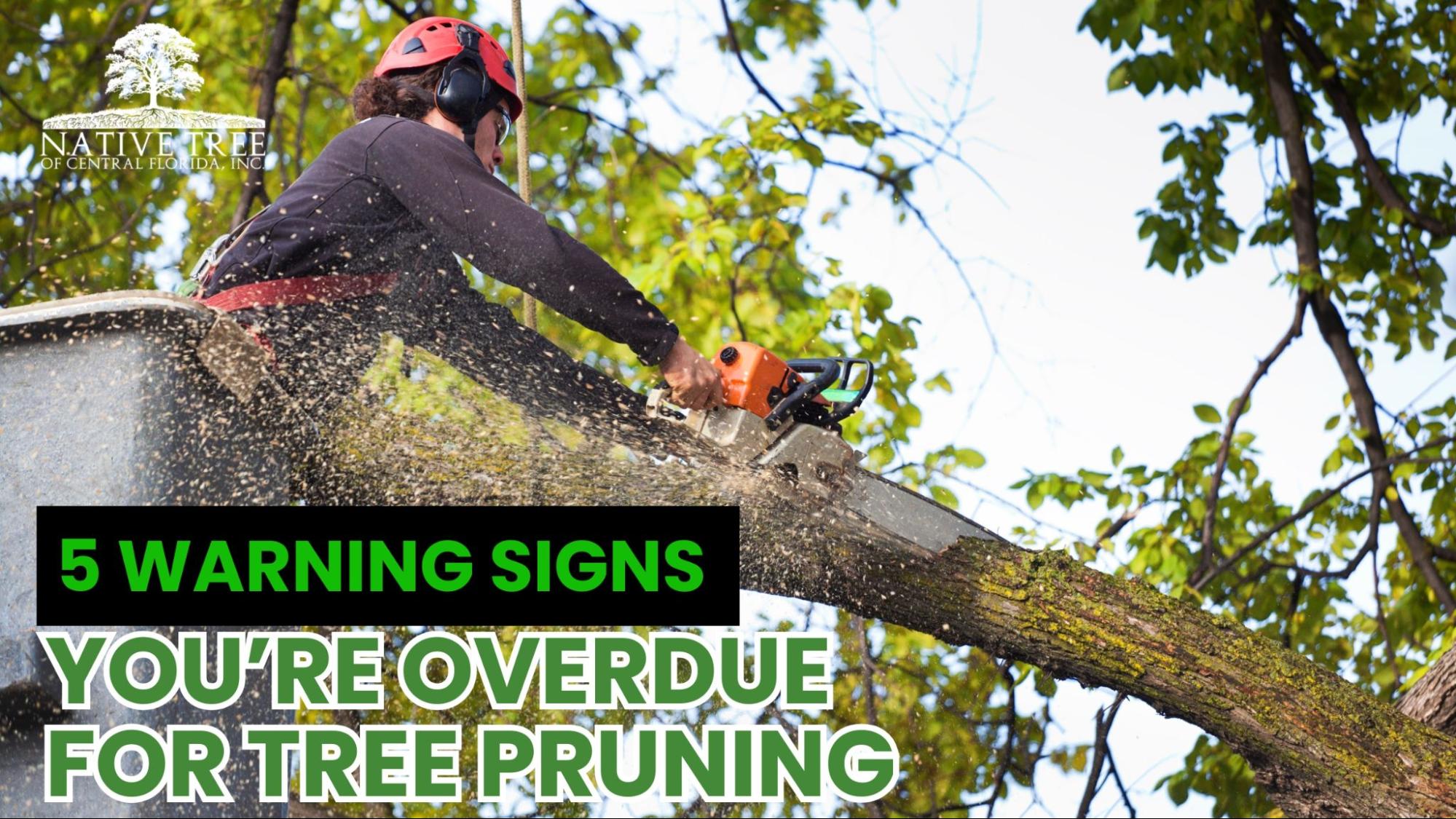
Trees do more than beautify your yard, they provide shade, improve air quality, and even increase property value. But without proper care, they can become weak, overgrown, or unsafe. One of the most critical yet often overlooked tasks is tree pruning. Regular pruning strengthens branches, prevents disease, and reduces the risk of storm damage, keeping your trees healthy and your property safe.
Many homeowners only notice problems when it’s too late, overcrowded branches, dead limbs, or uneven growth can signal your trees are overdue for trimming. Knowing the warning signs and acting early can save money and prevent hazards. If you spot these warning signs, schedule a professional evaluation with our Central Florida tree pruning team.
Table of Contents
5 Warning Signs You’re Overdue for Tree Pruning
1. Overcrowded or Crossing Branches
An overcrowded tree canopy is a clear sign your tree needs pruning. When branches rub or overlap, they can cause wounds that attract pests and disease while blocking sunlight and airflow to inner leaves. Professional pruning, like crown thinning, selectively removes these crowded branches to improve structure, boost air circulation, and let light reach the heart of the tree, helping it grow stronger, healthier, and more resilient.
2. Dead, Diseased, or Broken Branches
Dead or dying branches are not just unsightly, they’re dangerous. They can fall unexpectedly during strong winds or heavy rain, and decaying limbs provide entry points for fungi, insects, and rot that can spread through the tree. Signs like brittle bark, bare branches, or visible fungus indicate it’s time to act. Corrective pruning, also called dead-wooding, removes these hazardous limbs, keeping your tree safe and preventing further decay, and a trusted professional pruning service ensures the job is done with proper tools and techniques to protect the tree’s health.3. Low-Hanging or Drooping Branches
Low-hanging branches aren’t just a nuisance—they can scrape roofs, block driveways, and even create hazards for vehicles. They also put extra weight on the trunk, weakening your tree’s structure over time. Crown raising is the solution arborists use to lift the canopy by removing or shortening lower limbs, keeping both your tree and property safe. If you find yourself constantly ducking under branches or spotting them on your roof, it’s time to search for tree pruning near me and connect with local experts who can handle it safely.
4. Unbalanced or Overgrown Canopy
If your tree looks lopsided or its branches have grown too far in one direction, it’s a sign of imbalance, as a heavy, uneven canopy strains the trunk, increases the risk of breakage during storms, and can block sunlight from your garden or neighboring plants. Proper tree pruning, including structural pruning, helps restore balance by reducing excess weight, preventing leaning, and maintaining symmetry, while regular shaping enhances curb appeal and keeps your yard looking polished.5. Sparse Leaves or Early Leaf Drop
A once-lush tree that suddenly looks thin or drops leaves early could be struggling, often due to crowded inner branches, poor airflow, or stress from pests and disease. Pruning removes unproductive or shaded limbs, allowing the tree to redirect energy to healthier areas and encouraging new growth. If your tree’s crown looks bare or patchy, a professional pruning service near you can evaluate its condition and recommend the best approach to restore its vitality.
If you’ve noticed any of these warning signs in your own yard, it’s best to have a professional take a look before the issue worsens. You can schedule an inspection with our certified arborists to ensure your property remains safe.
Why Tree Care Matters
Regular tree maintenance isn’t just about looks, it keeps your trees healthy, strong, and safe. Proper trimming shapes growth, strengthens structure, and helps resist pests and disease, while removing dead or damaged branches prevents hazards during storms and allows healthy parts to thrive. Well-maintained, balanced trees also boost curb appeal and increase your property’s value.
But improper cutting can do more harm than good, causing stress or decay. For large or mature trees, especially near structures or power lines, hire certified arborists who have the tools and expertise to prune safely and effectively. Consistent yearly maintenance protects your investment and keeps your trees vibrant, stable, and beautiful for years to come.
The Dangers of Delaying Pruning

Neglecting regular trimming may seem harmless, but it can lead to serious problems over time:
- Safety Hazards – Overgrown or heavy branches can snap during storms, damaging roofs, vehicles, fences, or power lines, and putting people and pets at risk.
- Disease and Pests – Dead or decaying limbs attract fungi and insects that can spread to the trunk or nearby trees, weakening or killing them.
- Structural Damage – Unbalanced growth can make trees unstable and more likely to fall or break.
- Reduced Curb Appeal – Overgrown trees block sunlight, harm lawns, and make your property look neglected.
- Higher Future Costs – Ignoring maintenance can lead to costly removals or emergency repairs later on.
Common Tree Pruning Mistakes to Avoid
Proper pruning helps trees stay healthy and structurally sound, but when done incorrectly, it can do more harm than good. Understanding the most common mistakes can help you avoid long-term damage and costly corrections. One of the most frequent issues is over-pruning, where too much of the canopy is removed at once. This can stress the tree, reduce its ability to produce energy, and leave it vulnerable to pests and disease. As a general rule, no more than 20–25% of a tree’s canopy should be removed in a single season.
Another major mistake is tree topping, a harmful practice that involves cutting back large branches to stubs. While it may seem like a quick way to reduce height, topping leads to weak, unstable regrowth and significantly shortens a tree’s lifespan. Understanding proper techniques can help prevent this issue.
Timing is also critical. Pruning at the wrong time of year, especially during active growth or extreme weather, can interfere with a tree’s natural recovery process. Additionally, using dull or unclean tools increases the risk of spreading disease between trees.
Finally, improper cutting techniques, such as leaving stubs or making flush cuts too close to the trunk, can prevent proper healing. Clean, well-placed cuts are essential for minimizing damage and encouraging healthy regrowth. Learning the difference between pruning methods can further improve your results.
How Much Does Tree Pruning Cost?
- Tree Size and Complexity – One of the biggest factors is tree size. Taller trees with dense canopies typically require more time, labor, and safety precautions. The location of the tree also plays a role, trees near homes, fences, or power lines require careful handling and may increase the overall cost.
- Tree Condition and Health – The condition of the tree is another consideration. Trees that are dead, diseased, or structurally compromised often require more precise pruning techniques to ensure safety. Accessibility also matters, if a tree is difficult to reach, additional equipment may be needed.
- Why Professional Pruning Is Worth It – While costs can vary, investing in professional pruning services helps ensure the job is done safely and correctly. Improper pruning can lead to long-term damage, higher maintenance costs, or even the need for full tree removal later on.
- Choosing the Right Tree Care Provider – Choosing a qualified tree care provider not only protects your property but also promotes healthier, longer-lasting trees.
How Often Should You Prune Trees?
Pruning Frequency by Tree Age
In general, most mature trees benefit from pruning every 3 to 5 years, while younger trees may require more frequent trimming to establish strong structure and healthy growth patterns. Fast-growing species may also need more regular maintenance compared to slower-growing varieties.
Best Time of Year to Prune
Seasonality matters as well. Many trees are best pruned during their dormant season, when they are not actively growing. This reduces stress on the tree and allows for better healing. However, dead, damaged, or hazardous branches should be removed as soon as they are noticed, regardless of the time of year.
Signs Your Tree Needs Pruning
Regular inspections can help identify when pruning is needed. Signs such as crossing branches, excessive growth, or visible damage indicate it may be time for maintenance.
Benefits of Regular Pruning
By following a consistent pruning schedule, you can improve tree health, enhance safety, and maintain the overall appearance of your landscape.
Choosing the Right Tree Care Service
When trees show signs of overgrowth or damage, hiring qualified professionals is the safest way to restore their health and structure. Certified arborists have the training, equipment, and safety knowledge to handle the job correctly. Start by choosing a licensed and insured company, as insurance protects you from liability and certification ensures proper techniques and safety standards. Check reviews and recommendations to gauge reliability, looking for transparent pricing, clear communication, and positive client feedback.
DIY vs. Professional Tree Care
Many homeowners wonder whether to handle tree maintenance themselves or hire experts. The answer depends on the tree’s size, condition, and your experience with tools and working at heights. Small, healthy trees with minimal pruning needs can sometimes be maintained safely at home using basic tools like hand pruners or a pole saw. However, larger trees, those with dead or damaged limbs, or trees near structures and power lines pose serious safety risks and require specialized equipment and training.- DIY Tree Care – Light trimming and small branches can often be managed safely at home. Use clean, sharp tools and remove only dead, damaged, or crossing limbs, never more than a quarter of the canopy at once. Always wear protective gear and avoid working near power lines or tall trees.
- Professional Tree Service – Larger, older, or damaged trees should be handled by certified arborists. They have the skills, equipment, and safety training to assess structure, prevent disease, and manage complex cuts safely. Professionals can also spot hidden issues like decay or pests and complete the job efficiently, including cleanup.
While small, low-maintenance tasks can sometimes be handled at home, the risks associated with larger, mature trees are significant. If you are ever unsure, our professional tree service team is here to handle the job safely, protecting both your property and your peace of mind.
When to Choose Professional Help
If your trees are near power lines, have large or heavy limbs, or require climbing for access, always call a professional. Attempting to prune large trees without proper gear or training can be extremely dangerous. A reliable tree pruning service will know the safest approach and carry insurance to protect both you and your property.
In summary, while DIY pruning can be rewarding for small-scale maintenance, it’s important to know your limits. For larger or more complex jobs, hiring experts in these services ensures safety, precision, and healthier results for your trees. Whether you’re managing a backyard garden or maintaining mature landscape trees, partnering with professionals keeps your property looking beautiful and your trees thriving year-round.
Best Time for Tree Pruning
Late Winter to Early Spring: The Ideal Pruning Season
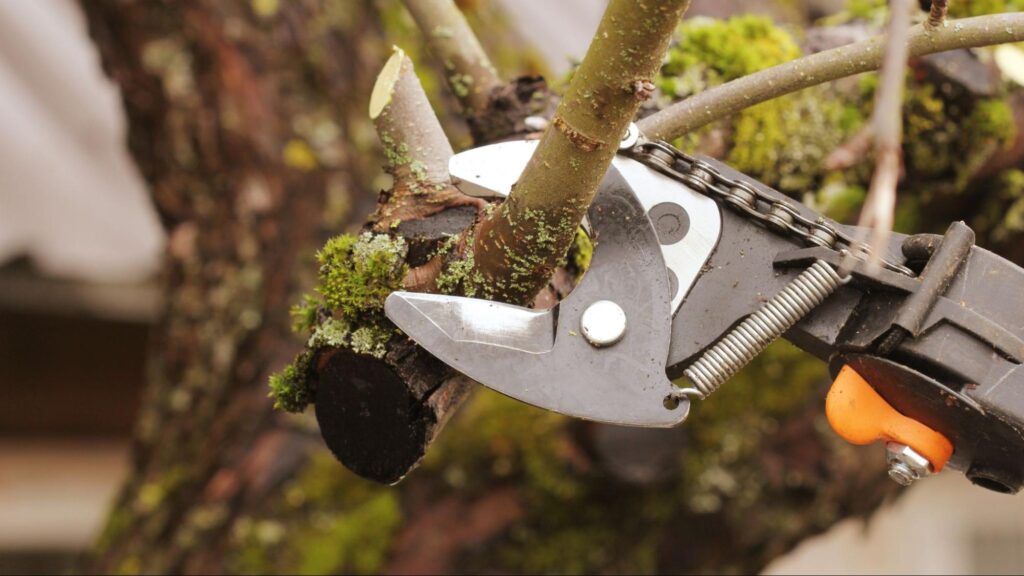
For most tree species, the best time for pruning a tree is during late winter or early spring, just before new growth begins. During this dormant phase, trees are not actively growing, which means they experience less sap loss and stress when branches are removed. The absence of leaves also gives arborists a clearer view of the tree’s structure, making it easier to identify dead, weak, or crossing branches. Pruning during this period allows the tree to recover quickly once spring arrives. As temperatures warm up, the tree’s natural growth cycle helps seal cuts efficiently, reducing the risk of disease and pest infestation. This is especially beneficial for deciduous trees like maples, oaks, and elms.
Summer Pruning: For Shape and Size Control
While winter and early spring are optimal for most trees, some situations call for pruning during summer. Light trimming in mid to late summer can help control excessive growth and improve the tree’s shape. It’s also a good time to remove water sprouts or suckers, those fast-growing, weak shoots that drain nutrients from the tree. However, heavy pruning should be avoided during this time, as it can expose the tree to sunscald or dehydration.Fall and Winter: When to Avoid Heavy Pruning
Many experts recommend avoiding major pruning in late fall, as freshly cut branches may not have enough time to heal before winter frost sets in. Cold temperatures can slow down the tree’s recovery and make it more vulnerable to disease. However, light trimming of dead or damaged branches is safe year-round and can prevent safety hazards during storms.Emergency or Hazard Pruning Anytime
Not all pruning can wait for the perfect season. If your tree has broken branches, storm damage, or diseased limbs, these should be removed immediately, regardless of the season. Ignoring hazardous branches can result in injury or property damage. In such cases, it’s best to contact a professional pruning service near me for an emergency inspection and safe removal.Consulting a Professional Arborist
Since every tree species reacts differently to pruning, consulting a certified arborist or tree pruning service is the best way to determine the ideal timing. Professionals can assess your local climate, soil conditions, and tree type to create a customized pruning schedule that promotes long-term health and growth.Year-Round Tree Care
Even outside of the pruning season, maintaining proper tree care is important. Regular watering, mulching, and soil checks help trees stay healthy and resilient. Combine these habits with seasonal pruning, and your trees will remain strong, attractive, and storm-ready year after year.Maintaining Healthy Trees Year-Round
Inspect Regularly for Warning Signs
Take time every few months to inspect your trees for visible issues such as overgrown branches, dead limbs, cracks in the trunk, or discolored leaves. Early detection allows you to address minor problems before they become major ones. For example, weak or crossing branches can be pruned early, reducing the risk of storm damage later. Checking the base of the tree for pests, fungus, or root damage is also essential for proactive tree care.
Keep Your Yard Clean and Hydrated
Fallen branches, leaves, and debris can harbor insects and diseases that spread to healthy parts of your tree. Cleaning up promptly after storms or strong winds keeps your yard tidy and your trees protected. During hot or dry months, deep watering helps maintain strong root systems especially for young or recently pruned trees. A layer of mulch around the base also helps retain moisture and regulate soil temperature.Use Proper Tree Pruning Tools
When performing light maintenance yourself, make sure you use the right ttools such as sanitized shears, loppers, and saws. Clean tools make smoother cuts, reducing the risk of infections or decay. Avoid cutting too close to the trunk, and never remove more branches than necessary. For major pruning tasks or tall trees, it’s best to call a professional instead of attempting risky climbs on your own.Schedule Professional Inspections
Even the most attentive homeowner can miss hidden issues like internal decay or subtle structural imbalances. That’s why scheduling an annual inspection with a trusted tree pruning service is so important. Certified arborists can evaluate your trees’ health, trim them safely, and recommend additional care, such as pest management, fertilization, or bracing, if needed.Prevent Costly Problems Before They Start
Regular visits from professional pruning services near you help keep your landscape safe, beautiful, and valuable. By addressing small issues early, you prevent them from escalating into expensive emergencies such as tree removal or property damage. In addition, consistent pruning improves airflow and sunlight exposure, encouraging healthy, balanced growth all year long.The Bottom Line
Year-round tree care is about balance, knowing when to prune, when to water, and when to call in the experts. With proper maintenance and help from a reputable pruning service, you can enjoy thriving, well-shaped trees that enhance your home’s beauty and stand strong through every season.
Final Thoughts
If you notice overcrowded branches, dead limbs, low-hanging growth, or sparse leaves, your trees are sending clear signs they need attention. Ignoring these issues can lead to costly property damage, pest infestations, or even the loss of your beloved trees. Regular tree pruning isn’t just about aesthetics, it’s an essential part of keeping your landscape safe, healthy, and thriving.Search for tree pruning near me to connect with certified arborists who can assess your trees, identify hidden risks, and perform precise, professional trimming. With the right services, you’ll enjoy stronger, healthier trees that enhance your property’s beauty and value for years to come.
Strong Trees, Stunning Landscapes
Don’t wait for overgrown or damaged branches to cause safety hazards or property damage, protect your landscape by scheduling a visit from a trusted tree care professional today. Certified arborists can detect early signs of disease, structural weakness, or pest infestations that may not be visible to the untrained eye and recommend targeted solutions to preserve your trees’ health.Regular maintenance, including pruning, inspections, and corrective care, keeps your yard safe, vibrant, and beautiful year-round. Whether it’s a quick checkup or a comprehensive assessment, working with a reliable local tree service ensures your trees receive expert care to thrive for years to come.
Frequently Asked Questions