


Key Takeaways
- Tree fertilization before winter strengthens roots, improves nutrient storage, and prepares trees and shrubs for spring growth.
- Fertilize trees and shrubs in late fall (usually late October to early November) when soil temperatures are above 50°F (10°C).
- Use slow-release, balanced fertilizers (e.g., 10-10-10 or 12-12-12) for steady nutrient delivery.
- Application methods include broadcasting around the drip line or deep root feeding for larger trees.
- Pair fertilization with winter care: pruning, watering during dry spells, and protecting young or vulnerable plants with mulch or burlap wraps.
Most established trees and shrubs benefit from pre-winter fertilization, while newly planted plants should avoid fertilization in the first year. - Pre-winter fertilization enhances cold hardiness, reducing the risk of frost damage, dieback, and winter stress.
As the vibrant colors of autumn fade and winter approaches, gardeners often wonder about the importance of tree fertilization before the cold sets in. Proper fertilization in late fall strengthens roots, supports nutrient storage, and helps trees and shrubs survive winter stress while preparing them for vigorous spring growth. This guide explains why tree fertilization is essential, when and how to fertilize trees and shrubs, and tips for optimal winter care.
Table of Contents
Why Fertilize Trees and Shrubs Before Winter?
Fertilizing trees and shrubs before winter is a crucial step in maintaining a healthy and resilient landscape. Tree fertilization in late fall provides essential nutrients that the plants can absorb and store in their roots during dormancy, ensuring they have the energy needed for early spring growth. This process not only strengthens the root system but also improves the plant’s overall structure and stability, helping it anchor firmly in the soil.
Additionally, pre-winter fertilization enhances cold hardiness, making trees and shrubs more resistant to frost, ice, and other winter stresses. Well-nourished plants are less likely to experience dieback, branch damage, or nutrient deficiencies when growth resumes in spring. By fertilizing before winter, you’re effectively giving your trees and shrubs a head start, preparing them to recover quickly from winter conditions and flourish once the growing season begins.
- Nutrient Storage for Spring Growth – During winter, trees and shrubs enter a dormant phase, slowing down above-ground growth. However, their roots remain active, absorbing and storing nutrients. Fertilize trees in late fall to provide essential nutrients such as nitrogen, phosphorus, and potassium. These stored nutrients support early spring growth, leading to healthier, more vibrant plants.
- Enhanced Root Development – Pre-winter fertilization stimulates root growth. While branches may slow or stop growth, roots continue expanding to anchor the tree or shrub firmly and absorb nutrients. Fertilizing in this period ensures a strong root system, essential for long-term plant health and stability.
- Improved Cold Hardiness – Trees and shrubs with proper nutrition are better prepared to withstand harsh winter conditions. Fertilization before winter improves cold tolerance, reducing the risk of frost damage, dieback, and other winter-related stress.
When to Fertilize Trees and Shrubs
Timing is essential for effective tree fertilization, as applying fertilizer at the wrong time can reduce nutrient absorption and even stimulate new growth that may be vulnerable to frost or winter stress. To get the best results, the ideal time is detailed in when to fertilize trees and shrubs, typically in late fall from late October to early November. During this period, soil temperatures are still warm enough for roots to actively absorb essential nutrients like nitrogen, phosphorus, and potassium, which can then be stored for early spring growth.
It’s important to avoid fertilizing too early in the fall, as this may encourage tender new shoots that won’t harden off before cold weather, making branches more susceptible to frost damage.
On the other hand, fertilizing too late, once the soil begins to freeze, limits nutrient uptake and reduces the effectiveness of the fertilization. Checking soil temperature is key: for optimal absorption, the soil should be above 50°F (10°C). By following the correct timing outlined, you ensure that your trees and shrubs develop strong roots, store nutrients efficiently, and maintain overall health and resilience throughout winter.
- Best Timing for Fertilization – The ideal period to fertilize trees and shrubs is late fall, typically from late October to early November. This allows plants to absorb nutrients while the soil is still warm, storing them in the roots before dormancy.
- Avoid Early Fall Fertilization – Fertilizing too early can trigger new growth that may not harden before winter, leaving branches vulnerable to frost damage. Focus on late fall applications when active growth has slowed but roots can still absorb nutrients.
- Soil Temperature Consideration – Ensure soil temperatures are above 50°F (10°C) for optimal nutrient uptake. Cold, frozen soil reduces absorption, making fertilization less effective.
How to Fertilize Trees and Shrubs Before Winter
Proper application is essential to ensure your trees and shrubs receive the full benefits of pre-winter fertilization. Knowing how to fertilize trees and how to fertilize shrubs correctly can make the difference between thriving plants in spring and wasted fertilizer.
Choose the Right Fertilizer
Select a slow-release, balanced fertilizer with an NPK ratio like 10-10-10 or 12-12-12. Slow-release fertilizers provide nutrients gradually over time, reducing the risk of nutrient runoff while supporting long-term plant health. Fertilizers specifically formulated for trees and shrubs are ideal, as they are designed to promote root development, nutrient storage, and cold hardiness.
Fertilizer Application Methods
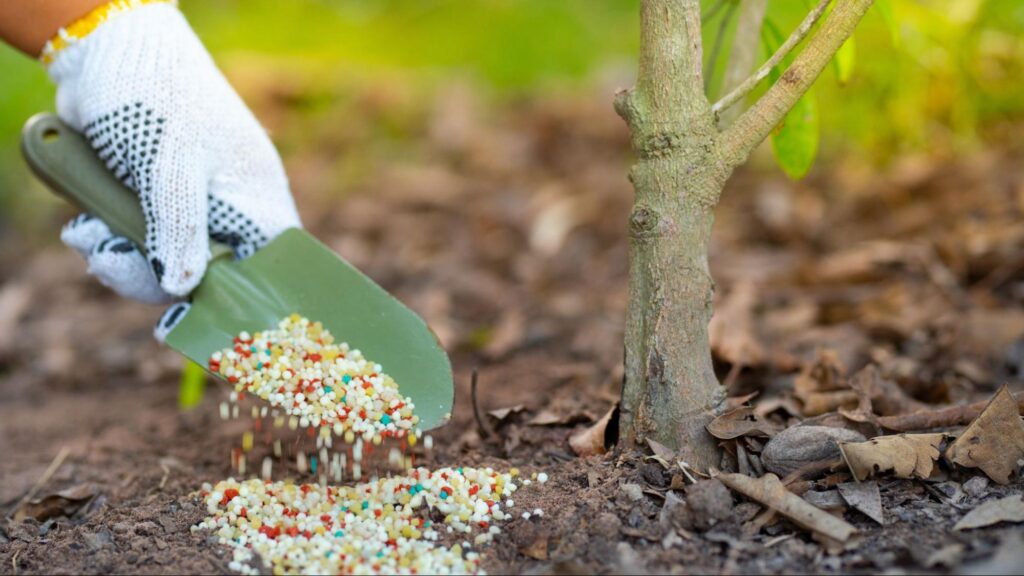
- Broadcasting – Spread fertilizer evenly around the base of the tree or shrub, extending to the drip line, the outer edge of the branches. This ensures that nutrients reach the feeder roots, which absorb most of the essential elements.
- Deep Root Feeding – For larger trees or mature shrubs, consider injecting fertilizer directly into the soil near the roots. This method ensures deeper nutrient penetration, promoting stronger root systems and better nutrient absorption.
Watering and Mulching
After applying fertilizer, water thoroughly to help the nutrients penetrate the soil and reach the roots. Apply a layer of mulch around the base of trees and shrubs to retain moisture, regulate soil temperature, and protect roots from frost damage. Mulching also prevents nutrient loss and provides a slow release of organic matter, further supporting plant health during the winter months.
Additional Tips
Avoid over-fertilizing, as excessive nutrients can harm plants or cause imbalances. Fertilize established trees and shrubs, as newly planted trees may not benefit in the first year due to undeveloped root systems. Pair fertilization with other care practices, such as pruning dead branches and maintaining soil moisture, to ensure trees and shrubs remain strong through winter.
Choosing the Right Fertilizer for Winter Tree and Shrub Care
Use Slow-Release, Balanced Fertilizers
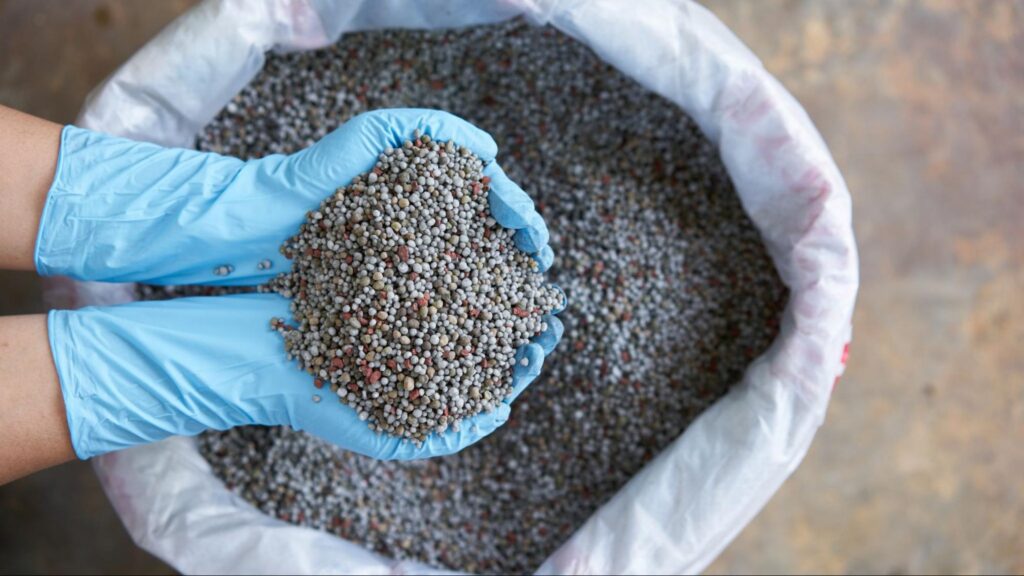
Slow-release, balanced fertilizers deliver nutrients gradually, allowing trees and shrubs to absorb them efficiently over time. This slow distribution prevents excessive nutrient runoff and reduces the risk of leaching into the soil. Because they provide a steady nutrient supply, these fertilizers help strengthen roots before winter dormancy begins. The stored nutrients give plants a strong foundation for renewed growth when temperatures rise again. Using slow-release fertilizers also minimizes the need for frequent reapplication, saving time and effort. Overall, they create a consistent feeding cycle that supports long-term plant health and resilience.
Fertilizers for Trees
Trees require a nutrient blend that emphasizes phosphorus, nitrogen, and potassium to ensure balanced growth and durability. Phosphorus is vital for developing deep, sturdy roots that anchor the tree and improve nutrient absorption. Nitrogen supports vibrant leaf growth and overall vigor, while potassium enhances resistance to cold, drought, and disease. When applied before winter, this nutrient trio allows trees to store energy and maintain internal strength during dormancy. Mature trees benefit from a slow, even nutrient release that avoids sudden growth spurts. Proper fertilization now ensures they emerge healthier and stronger once spring returns.
Fertilizers for Shrubs
Shrubs benefit greatly from fertilizers that contain balanced levels of nitrogen and potassium. Nitrogen encourages rich green foliage, while potassium helps build tougher stems and improves cold tolerance. These nutrients allow shrubs to endure winter conditions while conserving the energy needed for spring growth. Applying fertilizer in late fall gives shrubs time to absorb nutrients before the soil freezes. Healthy, well-fed shrubs are more resilient against frost damage and leaf burn. This preparation helps them bloom more fully and recover faster when warmer weather arrives.
Organic Fertilizer
Options Organic fertilizers, including composted manure, bone meal, or plant-based blends, offer a natural and sustainable way to nourish trees and shrubs. They not only supply essential nutrients but also enrich the soil by improving its structure and microbial activity. Over time, these fertilizers enhance water retention and root development, helping plants withstand dry or frozen soil conditions. Organic options release nutrients slowly, mirroring the plant’s natural growth cycles and reducing the risk of over-fertilization. Additionally, they support long-term soil health, ensuring your landscape remains fertile year after year. For gardeners seeking an eco-friendly approach, organic fertilizers provide both nourishment and environmental benefits.
Consider Plant Age and Soil Condition
Choosing the right fertilizer involves assessing both the age of the plant and the quality of the soil. Young trees and shrubs need gentler, diluted formulas that won’t harm developing roots. In contrast, mature plants can handle stronger, more targeted blends to address specific nutrient deficiencies. Conducting a soil test before fertilizing helps identify imbalances in pH or missing nutrients. This information ensures that fertilizers are applied effectively and in the right proportions. Tailoring the fertilizer type and strength to your plant’s needs promotes optimal growth, stability, and winter endurance.
Combine Fertilization with Proper Care
Fertilizing alone isn’t enough, good care practices are essential for maximum results. Always water thoroughly after applying fertilizer to help nutrients penetrate the soil and reach the root zone. Adding mulch around trees and shrubs helps retain soil moisture, moderate temperature changes, and shield roots from frost. It also prevents weeds from competing for nutrients during the dormant months. Regularly check soil moisture throughout winter, especially during dry spells, to avoid dehydration stress. By combining fertilization with proper care techniques, you’ll help your trees and shrubs stay healthy, resilient, and ready to thrive once spring begins.
How to Tell If Your Trees and Shrubs Need Fertilization Before Winter
Not all trees and shrubs require fertilization every year. In fact, applying fertilizer when it isn’t needed can do more harm than good. Before adding nutrients to your landscape, it’s important to recognize the signs that your plants may actually benefit from a pre-winter boost.
One of the most common indicators is slow or stunted growth. If your trees or shrubs produced minimal new growth during the growing season, this may point to nutrient deficiencies in the soil. Similarly, yellowing or pale leaves, especially outside of normal seasonal changes, can signal a lack of essential nutrients like nitrogen or iron. You may also notice smaller-than-usual leaves or reduced flowering, which can indicate that your plants are struggling to access the nutrients they need. In some cases, thin canopies or sparse foliage are signs that the plant’s overall health is declining.
Soil condition plays a major role as well. Landscapes with compacted soil, poor drainage, or sandy composition often lose nutrients quickly, making fertilization more beneficial. In these cases, combining fertilization with proper maintenance like tree pruning can help improve overall plant health and structure.
On the other hand, healthy, mature trees growing in nutrient-rich soil may not need additional fertilizer at all. If your plants are thriving, with strong growth and vibrant foliage, it’s often best to avoid unnecessary applications.
When in doubt, a soil test can provide a clear answer and help you choose the right type of fertilizer for your specific needs.
Common Mistakes to Avoid When Fertilizing Before Winter
Fertilizing before winter can be highly beneficial, but only when done correctly. Avoiding a few common mistakes can make the difference between supporting your plants and unintentionally stressing them.
- Fertilizing Too Early in the Season – Applying fertilizer while temperatures are still warm can encourage new growth, which may not have enough time to harden before colder weather arrives. This tender growth is more vulnerable to frost damage.
- Fertilizing Too Late or on Frozen Soil – Timing can also go wrong in the opposite direction. Fertilizing too late, when the ground is already frozen, prevents nutrients from being properly absorbed by the roots. For best results, fertilizer should be applied when the soil is still workable but plant growth has slowed.
- Over-Fertilizing Plants – More is not always better, excess nutrients can lead to root burn, soil imbalance, and even long-term damage to your trees and shrubs. Always follow recommended application rates.
- Incorrect Fertilizer Placement – Applying fertilizer too close to the trunk or base of the plant limits its effectiveness. Instead, nutrients should be spread around the drip line, where the majority of the root system is located. Proper placement works best when paired with practices like seasonal tree care to support long-term health.
- Skipping a Soil Assessment – Without understanding your soil’s current condition, you may be adding nutrients that aren’t needed or missing the ones that are. A soil test helps ensure accurate and effective fertilization.
Which Trees and Shrubs Benefit from Pre-Winter Fertilization?
- Newly Planted Trees and Shrubs – Avoid fertilizing during the first year. Their root systems are still developing, so nutrients may not be absorbed effectively. Focus instead on proper watering and soil care.
- Stressed Trees and Shrubs – Plants showing signs of nutrient deficiencies, such as yellowing leaves, stunted growth, or weak branches, benefit significantly from late fall fertilization. Applying nutrients at this stage helps them recover and strengthens their resilience through winter.
- Healthy, Established Plants – Even trees and shrubs that appear healthy gain from pre-winter fertilization. Nutrients stored in the roots support vigorous growth in spring, improve cold hardiness, and prepare the plant to handle seasonal stresses.
Additional Winter Tree and Shrub Care Tips
- Pruning – Remove dead, diseased, or damaged branches before winter. This prevents disease spread and allows the plant to allocate energy to healthy growth.
- Watering – Continue to water trees and shrubs during dry spells in late fall. Even dormant plants need adequate soil moisture for root health.
- Protection – Young or vulnerable trees and shrubs may need extra protection from wind, frost, or ice. Use burlap wraps, tree guards, or a layer of mulch to shield roots and lower stems.
- Soil Health – Ensure the soil remains well-drained and free of compaction. Healthy soil improves nutrient uptake and root development.
Conclusion
Fertilizing trees and shrubs before winter is one of the most effective ways to maintain a healthy and resilient landscape. Knowing when to fertilize trees and shrubs is crucial, late fall, when soil temperatures are still above 50°F (10°C), is the ideal time for nutrient absorption before dormancy begins. During this period, roots actively take in and store nutrients that strengthen their systems and boost cold hardiness.
Proper application methods, such as broadcasting fertilizer around the drip line or using deep root feeding for mature trees, ensure nutrients reach where they are needed most. This careful timing and technique help minimize waste, enhance soil health, and prepare plants for vigorous growth once spring arrives.
When fertilization is paired with other essential winter care practices, like pruning damaged branches, maintaining soil moisture, applying mulch, and protecting young or vulnerable plants, it forms a complete seasonal care routine. Pre-winter fertilization not only helps stressed or nutrient-deficient plants recover but also gives established trees and shrubs a powerful advantage for early spring development.
The result is stronger roots, lush foliage, and greater resistance to environmental stress. By incorporating when to fertilize trees and shrubs into your fall gardening plan, you are investing in the long-term vitality, beauty, and sustainability of your landscape year after year.
Nourished Roots, Thriving Trees
Give your landscape the boost it needs with professional tree fertilization. From nutrient-rich treatments to expert care, we’ll help your trees grow stronger, healthier, and more resilient through every season.
Frequently Asked Questions