
Key Takeaways
- Mature trees typically require less supplemental watering than many homeowners assume.
- Overwatering can be just as harmful as drought stress and may weaken a tree’s root system over time.
- Common signs of overwatering include yellowing leaves, premature leaf drop, fungal growth, and declining vigor.
- Florida’s sandy soils, summer rainfall, and humidity often create conditions where established trees receive more water than they need.
- Understanding the difference between overwatering vs underwatering helps homeowners make better irrigation decisions.
- Professional tree evaluations can identify moisture-related stress before significant damage occurs.
- Working with ISA-Certified Arborists provides homeowners with science-based recommendations tailored to local conditions.
When homeowners think about tree care, one of the most common assumptions is that more water automatically means healthier trees. While watering is critical during establishment, mature trees in Ocala and throughout Central Florida often suffer from the opposite problem: receiving too much water.
Many property owners worry about drought, especially during periods of intense summer heat. As a result, irrigation systems are frequently adjusted to run longer or more often than necessary. Unfortunately, this well-intentioned approach can create long-term stress that may be difficult to recognize until symptoms become severe.
Understanding how mature trees use water, and recognizing the signs of overwatering, can help protect the health, stability, and longevity of your landscape investment.
Table of Contents
Can You Overwater a Mature Tree?
Yes. Mature trees can be overwatered when soil remains consistently saturated and roots cannot access sufficient oxygen. Common signs of overwatering include yellowing leaves, leaf drop, fungal growth, root decline, and reduced overall vigor.
In Central Florida, frequent rainfall, irrigation systems, and sandy soil conditions can make overwatering a surprisingly common issue for established trees.
Why Mature Trees Need Less Water
One of the biggest misconceptions we encounter during property evaluations is the belief that large trees require constant irrigation.
In reality, established trees typically develop extensive root systems that extend well beyond the canopy. These roots are designed to capture moisture from a wide area, allowing mature trees to withstand normal fluctuations in rainfall better than newly planted trees.
In Ocala and surrounding communities, mature species such as live oaks, laurel oaks, southern magnolias, and many native hardwoods have adapted to Florida’s natural rainfall patterns.
While supplemental watering may occasionally be beneficial during prolonged dry periods, routine daily irrigation often creates more problems than it solves.
What Happens When Trees Receive Too Much Water?
Tree roots require both moisture and oxygen.
When soil remains saturated for extended periods, oxygen levels decrease, making it difficult for roots to function properly. Over time, root systems can weaken, reducing the tree’s ability to absorb nutrients and maintain healthy growth.
Overwatering trees may contribute to:
- Root stress
- Reduced nutrient uptake
- Increased susceptibility to pests
- Poor canopy development
- Premature leaf loss
- Declining tree vigor
In severe cases, chronic soil saturation can lead to root decay and structural instability.
This is particularly important during Florida’s rainy season, when irrigation systems continue operating despite frequent storms and naturally high moisture levels.
Signs of Overwatering Homeowners Often Miss
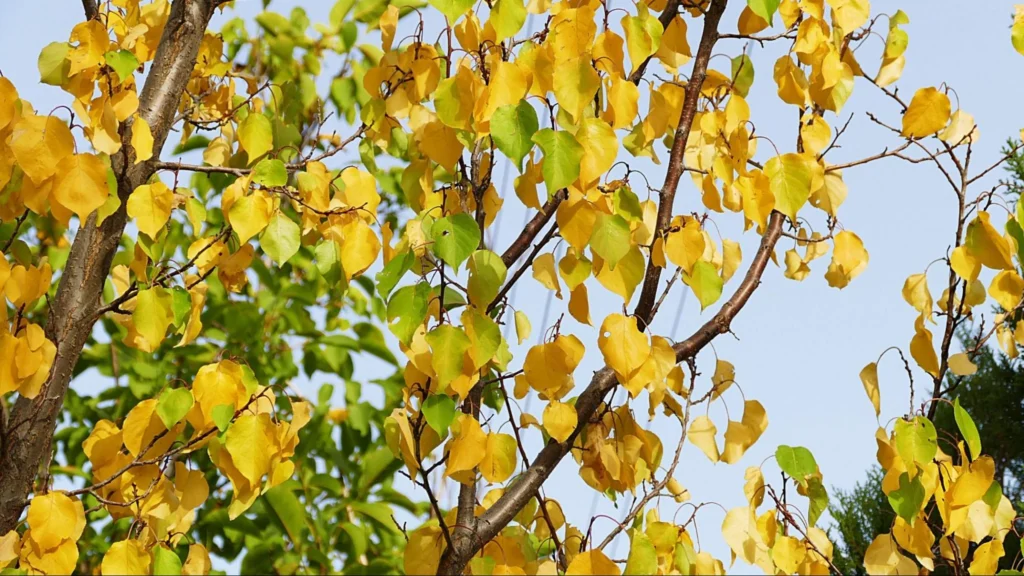
Many symptoms of excess water resemble other tree health issues, making accurate diagnosis challenging.
Some of the most common signs of overwatering include:
| Symptom | Description |
|---|---|
| Yellowing Leaves | Leaves may begin turning pale green or yellow despite adequate nutrition. |
| Premature Leaf Drop | Trees under moisture stress often shed leaves earlier than normal as a survival response. |
| Soft or Mushy Soil | Consistently wet ground around the root zone may indicate excessive irrigation. |
| Fungal Growth | Mushrooms and fungal growth near the base of a tree can sometimes signal prolonged moisture accumulation. |
| Slow Growth or Decline | Even though plenty of water is available, stressed roots may struggle to support healthy development. |
Because these symptoms can also be associated with nutrient deficiencies, pests, or root damage, professional evaluation is often necessary before making corrective changes.
Overwatering vs Underwatering: How Can You Tell the Difference?
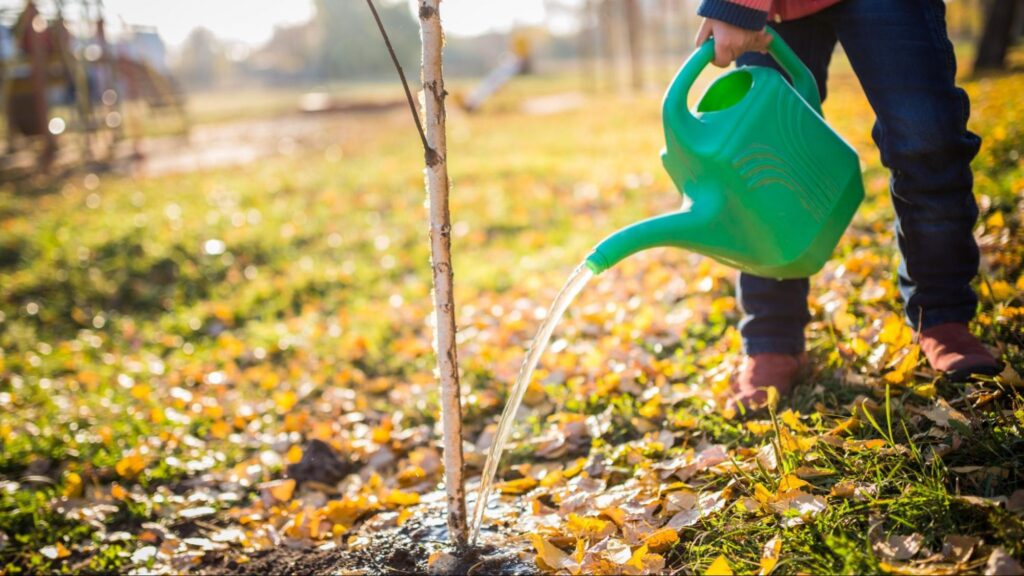
One reason watering issues become confusing is that overwatering vs underwatering can produce similar symptoms.
Both conditions may result in:
- Wilting leaves
- Leaf discoloration
- Reduced growth
- Canopy thinning
The key difference lies beneath the surface.
Underwatered trees typically have dry soil and brittle foliage. Overwatered trees often have damp soil, softer leaves, and signs of root stress.
This distinction is especially important because applying more water to an already saturated root zone can worsen the problem.
When we conduct professional tree inspections, moisture conditions are evaluated alongside species characteristics, site drainage, soil composition, and overall tree health before recommendations are made.
Smart Watering Tips for Established Trees
Proper tree watering is less about frequency and more about understanding conditions.
A few practical watering tips include:
| Tip | Description |
|---|---|
| Water Deeply, Not Frequently | Occasional deep watering encourages stronger root development compared to shallow daily irrigation. |
| Monitor Rainfall | Adjust irrigation schedules during periods of frequent precipitation. |
| Evaluate Drainage | Watch for standing water or persistently soggy areas around tree root zones. |
| Consider Tree Species | Native and well-adapted species often require less supplemental irrigation than homeowners expect. |
| Avoid Lawn-Centered Watering Decisions | The water needs of turfgrass and mature trees are often very different. |
When DIY Observation Isn’t Enough
Many homeowners attempt to solve tree health issues by increasing or decreasing irrigation without fully understanding the underlying cause.
While visual observations can be helpful, moisture-related decline often requires a more comprehensive assessment.
This is where professional expertise becomes valuable.
At Native Tree of Central Florida, we believe education should come before recommendations. Our ISA-Certified Arborists evaluate the complete picture, including species characteristics, root-zone conditions, site drainage, and overall tree health.
Rather than relying on guesswork, homeowners receive objective information that helps them make informed decisions about their landscape.
Just as importantly, working with a fully insured and licensed tree company in Central Florida helps protect homeowners from unnecessary liability while ensuring professional standards are followed throughout the evaluation process.
Conclusion
More water is not always better.
For mature trees throughout Ocala and Central Florida, excessive irrigation can create hidden problems that slowly impact health, stability, and longevity. Understanding the signs of overwatering, recognizing the difference between overwatering vs underwatering, and adjusting irrigation practices based on actual conditions can help prevent unnecessary stress.
If you’re unsure whether your trees are receiving the right amount of water, a professional evaluation can provide clarity.
Stop Overwatering and Protect Your Mature Trees
Too much water can weaken roots and lead to long-term tree decline. Schedule a professional tree care assessment to ensure your landscape stays healthy and properly balanced.
Frequently Asked Questions
What are the most common signs of overwatering trees?
Common signs of overwatering include yellowing leaves, premature leaf drop, fungal growth near the base of the tree, slow growth, and consistently soggy soil around the root zone.
How often should I water a mature tree in Central Florida?
The answer depends on rainfall, soil conditions, tree species, and site drainage. Most mature trees require significantly less supplemental watering than newly planted trees, especially during Florida’s rainy season.
Is overwatering worse than underwatering?
Both can damage trees. However, chronic overwatering often goes unnoticed because homeowners assume they are helping their trees. Excess moisture can reduce oxygen availability and weaken root systems over time.
Can irrigation systems cause overwatering?
Yes. Automated irrigation systems frequently apply water based on lawn requirements rather than mature tree needs. This can lead to unnecessary saturation around root zones.
Should I call an arborist if I suspect watering problems?
Yes. Many symptoms associated with overwatering overlap with pest issues, nutrient deficiencies, and other health concerns. A professional evaluation helps identify the true cause before corrective actions are taken.