
Key Takeaways
- Pruning is preventive health care for trees removing dead, diseased, or overcrowded branches helps prevent hazards, pests, and decay.
- Safety comes first if branches are too large, near power lines, or storm-damaged, call a professional tree service instead of risking injury.
- Tree cutting services and tree branch removal services ensure precise, safe, and effective pruning that supports long-term tree health.
- Timing matters late winter/early spring is best for most trees, with light summer pruning for growth control and immediate trimming after storms.
- Landscape value increases with well-pruned trees improving curb appeal, property safety, and overall outdoor design.
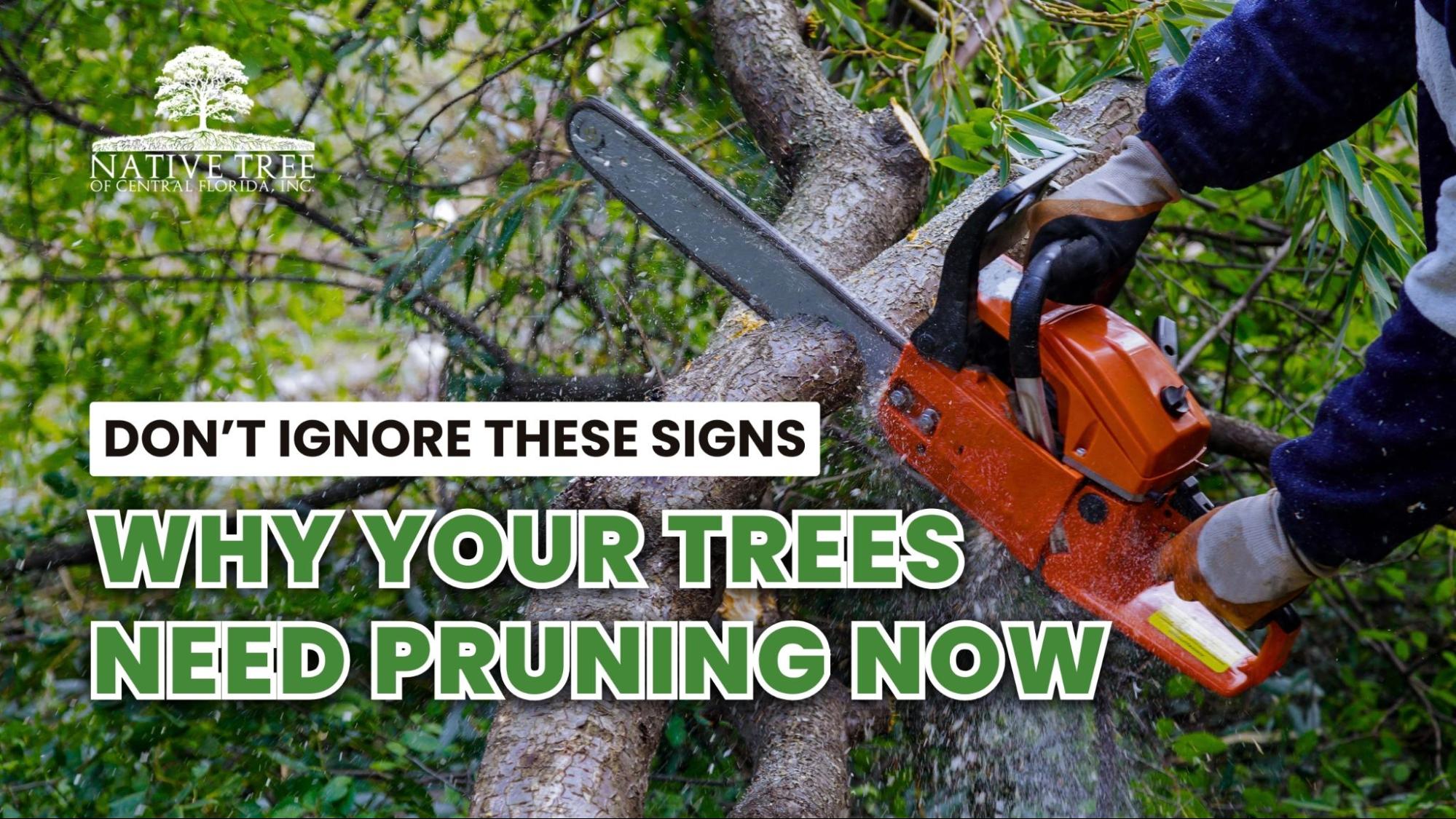
Pruning is more than just cutting branches; it’s a vital part of maintaining tree health and safety in Florida’s unique climate. Whether you are prepping for hurricane season or trying to save a diseased Live Oak, the way you prune today determines the life of your tree tomorrow. At Native Tree, we’ve seen how proper pruning prevents storm damage and promotes vibrant growth across Central Florida.
Table of Contents
Central Florida Pruning Calendar
| Tree Species | Best Time to Prune | Key Benefit |
| Live Oaks | November – February | Minimizes disease and pest risk. |
| Southern Magnolia | Early Spring | Encourages better flowering. |
| Palms | Late Winter/Spring | Removes dead fronds before hurricane season. |
| Crepe Myrtles | Late Winter | Shapes the tree before new growth starts. |
Why Pruning Is Essential?
Pruning is more than just cutting branches for looks—it’s a form of preventive health care for your trees. It keeps trees strong by removing weak or crowded branches, helping them grow sturdily and preventing future structural problems. It also prevents storm hazards, since dead or heavy limbs are likely to fall during strong winds.
Regular pruning reduces pests and diseases by eliminating dead wood that attracts insects and fungi, keeping your trees healthier and more resilient. In addition, pruning enhances appearance by maintaining a neat, balanced shape that instantly improves curb appeal.
Most importantly, it supports healthy growth by encouraging stronger branches and vibrant new growth, ensuring your trees thrive for years to come.
How to Safely Remove Large Limbs
To prevent “bark stripping”—where the weight of a falling branch tears the bark down the side of your trunk—always use the Three-Cut Method:
- The Undercut: Make a small cut on the underside of the limb about 12 inches from the trunk. This stops a tear before it reaches the main tree.
- The Relief Cut: Cut through the limb from the top, a few inches further out from your first cut. This removes the weight of the branch safely.
- The Final Cut: Make your last cut just outside the branch collar (the swollen area where the branch meets the trunk). Never make a “flush cut” against the trunk, as this prevents the tree from healing.
How to Prune Trees Safely and Effectively
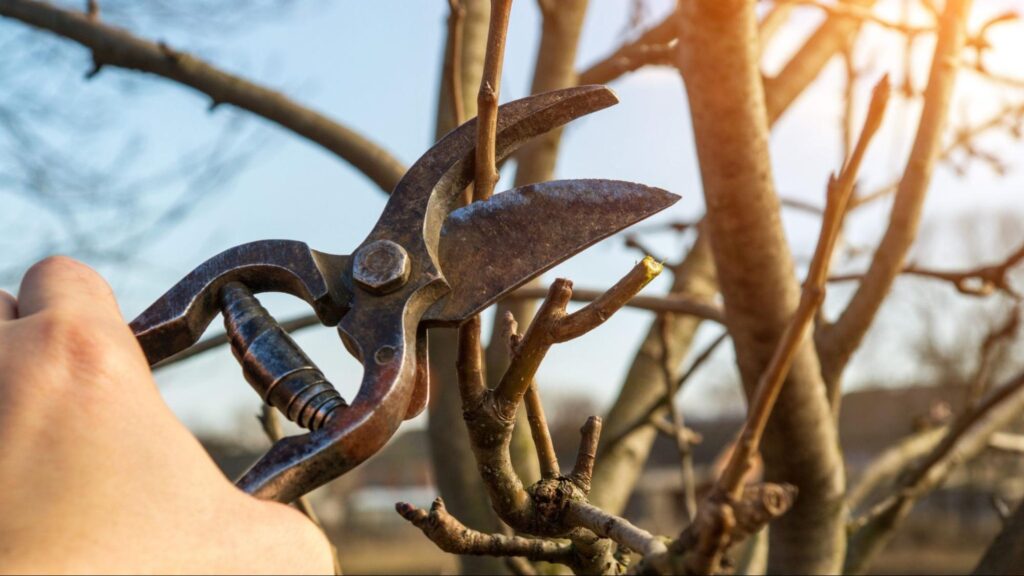
Pruning isn’t just about cutting branches—it requires planning and the right technique to protect both the tree and yourself.
Steps for Proper Pruning
- Inspect the Tree First – Before making any cuts, carefully look for dead, diseased, or overgrown branches. Identifying problem areas in advance ensures that your pruning improves health and structure rather than causing unnecessary damage. A quick inspection also helps you plan where each cut should be made.
- Use the Right Tools – Choose hand pruners for small branches, loppers for medium ones, and a pruning saw for larger limbs. Clean, sharp tools make smoother cuts that heal faster and reduce the risk of spreading disease. Using the wrong tool can damage the branch or make pruning more dangerous.
- Follow the Three-Cut Rule – When removing large branches, make the first cut underneath the branch, followed by a second cut from the top slightly farther out. Finish with a third cut near the trunk to cleanly remove the stub. This method prevents bark from tearing and protects the tree’s structure.
- Cut at the Right Spot – Always cut just above a bud, branch collar, or lateral branch to encourage healthy regrowth. Leaving stubs creates open wounds that invite decay and pests. Proper placement of cuts keeps the tree strong and resilient.
- Limit Canopy Removal – Avoid removing more than 25% of a tree’s canopy at one time. Taking too much foliage stresses the tree, weakens growth, and makes it more vulnerable to pests and disease. Prune gradually over multiple seasons for the best long-term results.
- Stay Safe – Branches that are high, heavy, or close to power lines should never be pruned without professional help. Attempting risky cuts without proper equipment can lead to serious injury or property damage. Calling a professional tree service ensures the job is done safely and effectively.
Signs Your Trees Need Pruning
While light pruning can be done on your own, larger or riskier jobs are best left to experts. Hiring professionals ensures safety by helping you avoid dangerous climbs and sharp tools. Arborists also bring expertise, knowing the right techniques and the best timing for every type of tree.
They use proper equipment such as specialized saws, harnesses, and lifts to carry out the work efficiently and securely. Most importantly, professionals make precise cuts that protect tree health and encourage strong, long-term growth.
How Pruning Adds Value to Your Landscape
Common Florida Pruning Mistakes to Avoid
- Avoid Hatracking (Topping): Cutting the top off a tree to control its height is the most harmful mistake a homeowner can make. It creates weak “water sprouts” that are prone to snapping in high winds.
- Don’t Over-Prune Palms: Only remove brown or dead fronds. Removing green fronds robs the palm of nutrients and can permanently stunt its growth.
- The 25% Rule: Never remove more than 25% of a mature tree’s canopy in a single year. Doing more can starve the tree of the energy it needs to recover.
Landscape Benefits
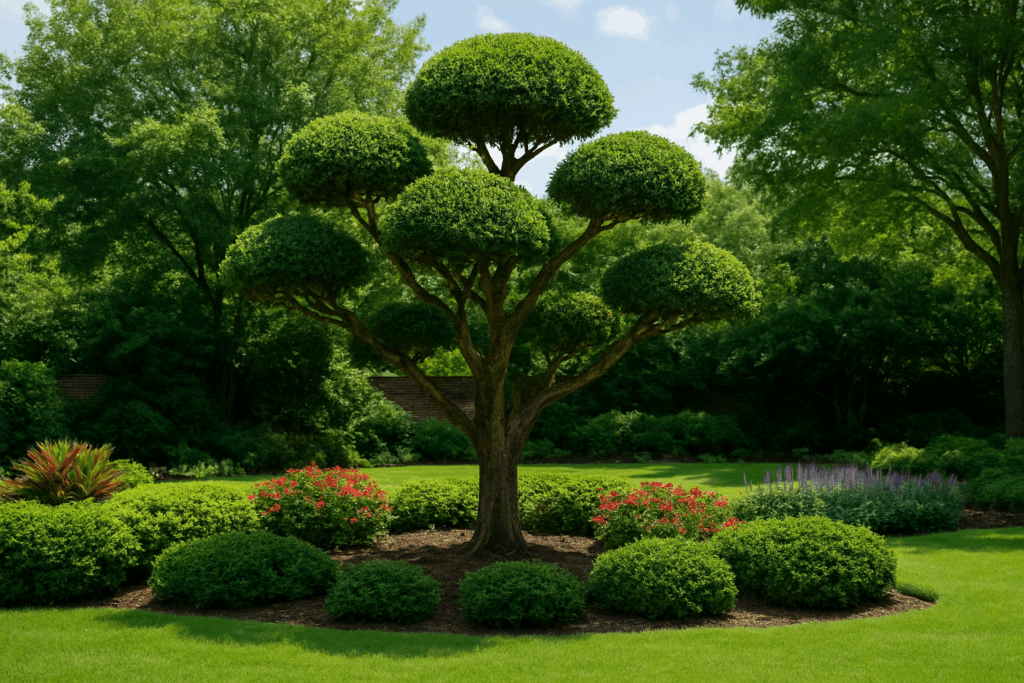
Pruning offers several landscape benefits. Well-maintained trees enhance curb appeal and can increase property value. Strategic pruning also creates visually balanced shapes, preventing awkward or uneven growth. It improves safety along walkways and driveways by reducing the risk of falling branches and ensuring safe access.Pruned trees complement gardens, shrubs, and hardscape features, giving your outdoor space a polished and cohesive look. In addition, healthy trees provide more shade, making outdoor areas cooler and more enjoyable. Over time, consistent pruning helps trees live longer, ensuring your landscape investment thrives for years.
Risks of Bad Pruning
Improper pruning doesn’t just affect the tree’s appearance, it can cause long-term, sometimes irreversible damage. When cuts are made incorrectly or at the wrong time, trees become vulnerable to structural weakness, decay, and health decline. Major Risks Include:Reduced Structural Integrity
Bad cuts can weaken branch attachments, causing limbs to break easily during storms. Trees may become imbalanced or develop poor structure that worsens over time.Decay and Rot
Incorrect cuts expose too much of the inner wood, allowing moisture, fungi, and pests to enter. These wounds often do not heal properly, leading to internal decay that spreads through the trunk.Poor, Weak Regrowth
Trees respond to stress by producing many thin, weak shoots. These branches break easily, grow unpredictably, and often require more maintenance later.Higher Vulnerability to Pests and Disease
Open wounds, exposed bark, and improper cuts invite insects and pathogens. A single bad pruning job can trigger major infestations or infections.Looking for more tree care tips?
- Learn the difference between Tree Trimming and Pruning.
- Prepare your property with our Palm Tree Trimming Guide.
- Dealing with a fallen limb? See our Stump Grinding Services.
Keep Your Trees Strong and Healthy
Ensure lasting tree health with proper care. From shaping your home landscape to expert advice, we’re here to support your trees’ growth.
Frequently Asked Questions