
Key Takeaways
- Palm tree facts reveal that palm trees are not technically true trees. Their trunks are made of tightly packed fibers rather than wood rings, which means they grow differently from hardwood trees and cannot easily repair damage.
- Understanding palm tree interesting facts helps homeowners recognize why proper palm tree care is essential for maintaining healthy trees in Florida landscapes.
- Palm trees grow from a single central bud called the crown, making careful pruning critical. Damaging this growing point can seriously harm or kill the palm.
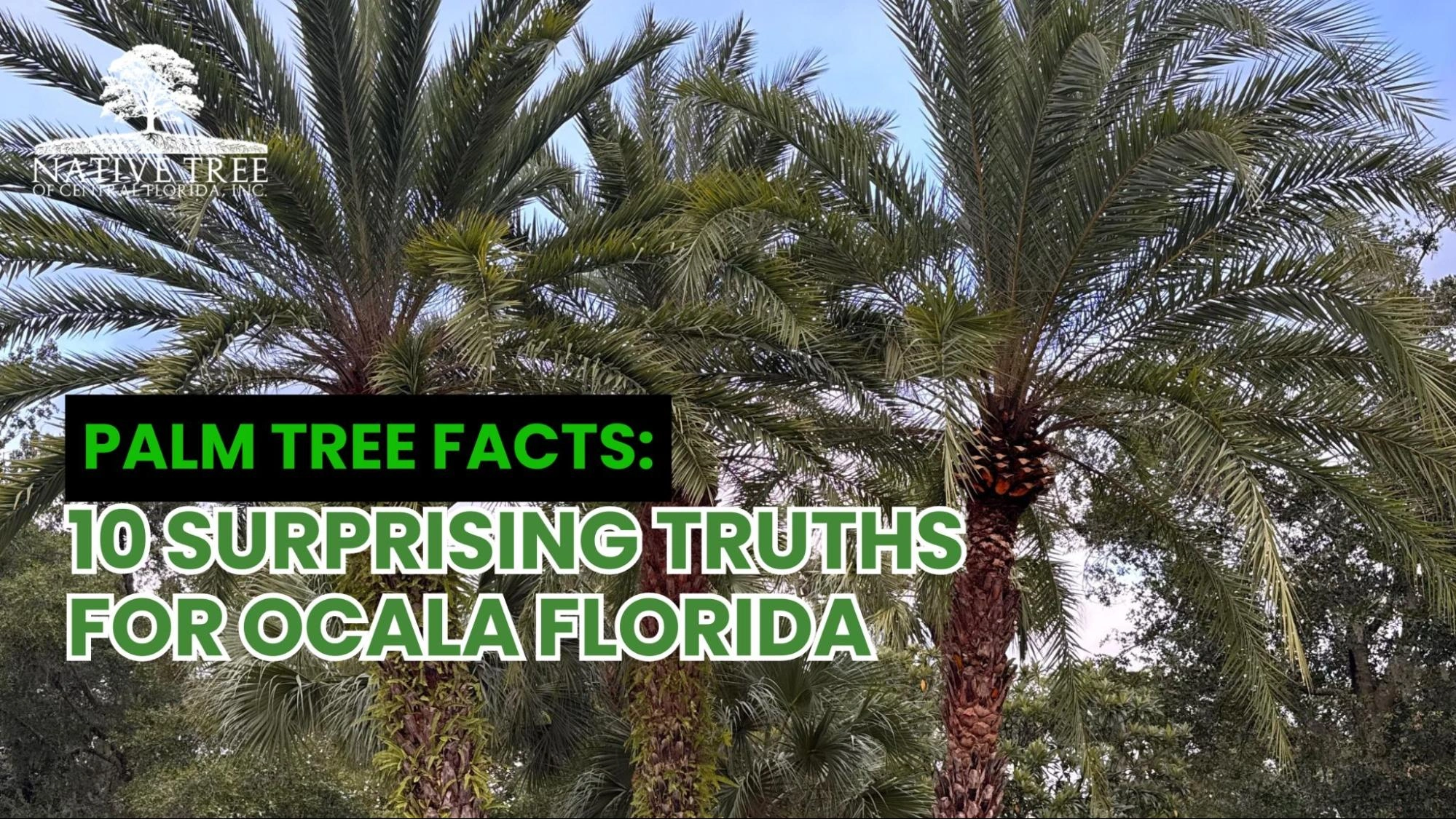
- There are more than 2,500 palm tree types worldwide, but several varieties thrive particularly well in Central Florida, including Sabal Palm, Queen Palm, Foxtail Palm, Pindo Palm, and Canary Island Date Palm.
- Florida’s sandy soil can lead to nutrient deficiencies, which is why fertilization is an important part of long-term palm tree care.
Palm trees are one of the most recognizable features of Florida landscapes. Their tall trunks and sweeping fronds create the tropical scenery many homeowners love throughout Ocala and Central Florida. Yet despite their popularity, many people do not realize that palms grow very differently from traditional trees.
Learning a few important palm tree facts can help homeowners better understand how these unique plants grow, why they require specialized maintenance, and how to protect them from damage, including potential storm damage during Florida’s severe weather seasons. From their unusual biology to the way they respond to Florida’s climate, palm trees have characteristics that surprise even experienced gardeners.
In this guide, you will discover 10 surprising palm tree interesting facts, learn about proper palm tree care, explore common palm tree types found in Central Florida, and understand why working with an ISA Certified Arborist can help keep your landscape healthy and safe.
Table of Contents
Understanding Palm Trees in Florida Landscapes
Palm trees thrive in Florida’s warm climate, but they still require proper care to remain healthy. One of the most surprising facts about palm tree biology is that palms grow very differently from hardwood trees.
Most traditional trees grow outward in layers of wood, forming growth rings over time. Palm trees, however, have trunks made of tightly packed fibers rather than wood rings. This unique structure means that palms cannot repair damage in the same way other trees can.
Central Florida also presents several environmental challenges for palm trees, including sandy soils, seasonal storms, and occasional drought periods. Because of these conditions, proper palm tree care is essential to help palms grow strong and live longer.
Why Proper Palm Tree Care Matters
Maintaining healthy palm trees involves several key practices.
Proper care includes:
- Balanced fertilization
- Correct watering practices
- Strategic trimming
- Routine health inspections
When these factors are managed correctly, palm trees can thrive for decades in Florida landscapes.
Without proper care, however, palms may develop nutrient deficiencies, disease, or structural weaknesses that can shorten their lifespan.
10 Surprising Palm Tree Facts Every Florida Homeowner Should Know
1. Palm Trees Are Not True Trees
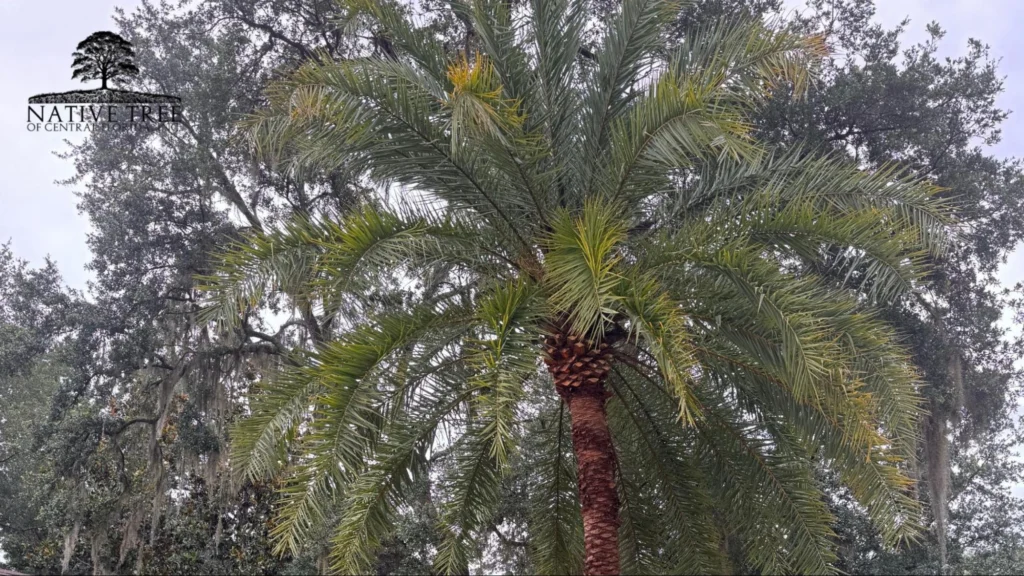
One of the most interesting palm tree fun facts is that palm trees are not technically trees in the botanical sense. Instead, they are more closely related to grasses and flowering plants.
Their trunks are composed of fibrous tissue rather than layered wood. This is why palms do not develop traditional growth rings like oak or maple trees.
2. Palm Trees Grow From a Single Growing Point
Another important fact about palm tree growth is that palms grow from one central point at the top called the crown.
This crown produces new fronds that expand outward as the tree grows. If this central bud becomes damaged due to disease, storms, or improper trimming, the palm tree may not survive.
This is one reason why careful palm tree care is so important.
3. Palm Trees Do Not Produce Branches
Unlike many traditional trees, palm trees do not grow branches. Instead, they produce large leaves called fronds that emerge directly from the crown.
As new fronds grow, older fronds gradually die and fall away. Seeing brown fronds beneath green ones is often part of the palm’s natural growth cycle.
4. There Are Thousands of Palm Tree Types
Many homeowners are surprised to learn that there are more than 2,500 different palm tree types around the world.
Some of the most common palms found in Central Florida landscapes include:
- Sabal Palm
- Queen Palm
- Foxtail Palm
- Pindo Palm
- Canary Island Date Palm
Each species has its own growth habits, maintenance needs, and tolerance to weather conditions.
5. Palm Trees Can Live for Many Decades
Another fascinating fact is their potential lifespan. Many palm trees can live for several decades when properly maintained.
Some species are known to survive for more than 80 years. However, improper care, nutrient deficiencies, or disease can significantly shorten their lifespan.
6. Palm Trees Need Specific Nutrients to Thrive
Although palm trees grow well in Florida’s climate, the sandy soil found throughout Central Florida often lacks important nutrients.
Some common deficiencies affecting palms include:
- Potassium deficiency
- Magnesium deficiency
- Nitrogen deficiency
These issues can cause yellowing fronds, weak growth, and declining health. Regular fertilization designed specifically for palms is an important part of palm tree care.
7. Over-Trimming Palm Trees Can Damage Them
One of the most common mistakes homeowners make is trimming too many fronds from a palm tree.
Healthy green fronds play an important role in producing energy for the tree. Removing too many can weaken the palm and make it more vulnerable to disease or storm damage.
Proper trimming focuses only on removing dead, broken, or hazardous fronds.
8. Palm Trees Help Improve Landscape Value
Palm trees are widely used in landscaping because they provide both beauty and practical benefits.
They can:
- Improve curb appeal
- Increase property value
- Provide shade
- Create a tropical atmosphere
Choosing the right palm tree types for your property can enhance both aesthetics and long-term landscape health.
9. Storms Can Still Damage Palm Trees
Palm trees are known for their flexibility, which helps them survive high winds. However, severe storms can still damage fronds, loosen roots, or injure the crown.
Regular inspections help identify structural issues before storm season arrives.
10. Proper Palm Tree Care Makes a Major Difference
One of the most valuable palm tree facts homeowners learn is that palms require specialized maintenance.
Improper trimming, poor soil conditions, or incorrect watering can all lead to serious problems. Proper care helps palms remain healthy, safe, and visually appealing for many years.
Why Hiring an ISA Certified Arborist Matters
Palm tree maintenance may appear simple, but incorrect techniques can cause permanent damage. An ISA Certified Arborist is a professional who has earned certification through the International Society of Arboriculture (ISA). This credential demonstrates advanced knowledge in areas such as tree biology, pruning techniques, disease identification, and risk assessment.
Working with an ISA Certified Arborist ensures that palm trees receive care based on scientific research and industry best practices. These professionals can properly diagnose tree health problems, recommend treatments, and perform safe pruning that protects the tree’s long-term growth. For homeowners with mature palms, professional evaluation can help prevent unnecessary tree removal and maintain the safety of the surrounding property.
Professional Palm Tree Care Services in Ocala
While homeowners can perform basic maintenance, many aspects of palm tree care require professional equipment and expertise.
Large palm trees can grow very tall, making trimming or inspections dangerous without proper training.
Professional palm tree services may include:
- Palm tree trimming and pruning
- Palm health inspections
- Nutrient treatments and fertilization programs
- Storm damage cleanup
- Safe palm tree removal when necessary
Working with experienced professionals ensures that these tasks are performed safely and correctly.
Why Hiring an Insured Tree Service Is Important
Tree care work involves climbing tall trees, operating chainsaws, and handling heavy equipment. These tasks carry inherent risks.
Homeowners should always verify that a tree service company carries proper insurance coverage.
A reputable company should provide:
- Liability insurance
- Workers’ compensation coverage
- Professional training and certifications
Hiring a properly insured contractor protects homeowners from financial liability if an accident or property damage occurs during the project.
Why Ocala Homeowners Trust Native Tree of Central Florida
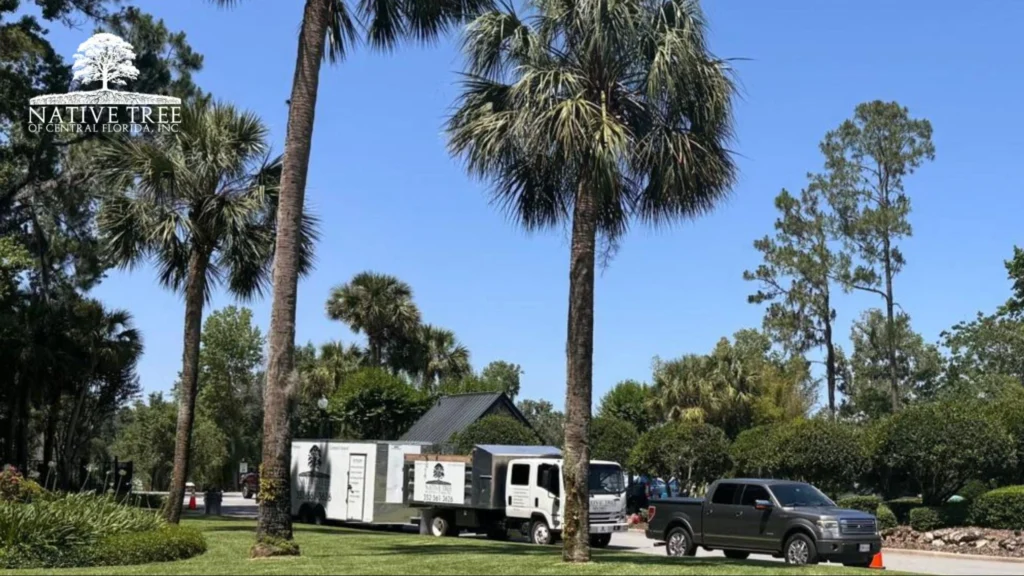
Homeowners searching for reliable palm tree care in Ocala often choose Native Tree of Central Florida because of our commitment to safety, expertise, and professional standards.
Our team provides expert services including:
- Professional palm tree trimming
- Palm health evaluations
- Safe palm tree removal
- Guidance on selecting the best palm tree types for your landscape
All work is performed under the guidance of an ISA Certified Arborist, ensuring that each tree receives care based on industry standards.
Native Tree of Central Florida also maintains full insurance coverage to protect both our customers and our crew. This commitment to professionalism helps ensure that every project is completed safely and responsibly.
Conclusion
Palm trees are an iconic part of Florida landscapes, but many homeowners are surprised by how unique these plants truly are. Understanding these palm tree facts helps property owners appreciate the special care palms require to remain healthy and strong. From their unusual growth structure to the importance of proper trimming and fertilization, maintaining palm trees requires attention and knowledge. When properly cared for, these tropical plants can enhance the beauty, shade, and value of a property for decades.
If you want to ensure your palm trees receive expert care, the team at Native Tree of Central Florida is ready to help. Our professionals work under the guidance of an ISA Certified Arborist and maintain full insurance coverage to provide safe, reliable service.
Contact Native Tree of Central Florida today to schedule a professional palm tree inspection and keep your Ocala landscape healthy, safe, and beautiful.
Keep Your Palm Trees Healthy and Thriving
Understanding your palms is the first step to proper care and long-term health. Schedule a professional palm tree service in Ocala to keep your landscape looking its best year-round.
Frequently Asked Questions
What are some interesting palm tree facts homeowners should know?
Some of the most surprising palm tree fun facts include that palm trees are not technically true trees, they grow from a single central bud, and they do not produce traditional branches. These unique characteristics explain why specialized palm tree care is required to keep them healthy.
How many palm tree types exist?
There are more than 2,500 palm tree types worldwide. In Central Florida landscapes, some of the most common varieties include Sabal Palm, Queen Palm, Foxtail Palm, Pindo Palm, and Canary Island Date Palm.
Why is proper palm tree care important in Florida?
Florida’s sandy soil, seasonal storms, and fluctuating weather conditions can stress palm trees. Proper palm tree care, including fertilization, watering, and strategic trimming, helps prevent nutrient deficiencies, structural damage, and long-term decline.
Can palm trees be damaged by storms?
Yes. While palm trees are known for their flexibility, strong winds and severe weather can still cause storm damage by breaking fronds, loosening roots, or injuring the crown. Routine inspections and proper maintenance help reduce these risks.
Why should I hire an ISA Certified Arborist for palm tree care?
An ISA Certified Arborist has specialized training in tree biology, pruning methods, disease identification, and risk assessment. Hiring a certified professional ensures that your palm trees receive expert care that supports long-term health and safety.