
Key Takeaways
- Palm trees require specialized care. Unlike most trees, palms grow from a single central bud (the crown), and damage to this area can permanently harm the tree.
- Florida’s environment affects palm health. Sandy soil, heavy rainfall, drought periods, and hurricane-season winds in Central Florida make routine palm maintenance essential.
- Choosing the right palm species matters. Selecting a palm tree type suited to your landscape helps prevent long-term maintenance issues and premature tree decline.
- Proper watering is critical. Newly planted palms need frequent watering while establishing roots, while mature palms benefit from occasional deep watering during dry periods.
- Fertilization prevents nutrient deficiencies. Palm trees often require nutrients such as nitrogen, potassium, magnesium, manganese, and iron to remain healthy in Florida’s sandy soils.
- Pruning should be done carefully. Only dead, damaged, or hazardous fronds should be removed, since over-trimming can weaken the tree and increase storm damage risk.
Few plants represent Florida landscapes better than palm trees, known for their tall trunks and tropical appearance. Their tall trunks and sweeping fronds create the tropical look that many homeowners love. However, maintaining healthy palms requires more than occasional watering or trimming. Proper palm tree care involves understanding how these unique trees grow, what nutrients they require, and how Florida’s climate affects their health.
In Ocala and throughout Central Florida, palm trees must adapt to sandy soils, seasonal storms, and changing temperatures. Without proper maintenance, palms can develop nutrient deficiencies, structural weaknesses, or diseases that shorten their lifespan. This comprehensive palm tree care guide explains how to take care of a palm tree, how to choose the right palm tree type, and when professional care may be necessary.
Homeowners who understand the fundamentals of palm tree care outdoor maintenance can protect their landscape investment while keeping their property safe and beautiful.
Table of Contents
Understanding Palm Tree Care in Ocala Florida
Palm trees thrive in Florida’s warm environment, but they still require proper care to remain healthy. Unlike many shade trees, palms grow from a single central bud called the crown. If this growing point is damaged, the tree may not recover.
Because of this unique structure, how to care for a palm tree is different from caring for most other trees.
Environmental conditions in Ocala that influence palm health include:
- Sandy soil with limited nutrients
- Heavy rainfall during the wet season
- Occasional drought periods
- High winds and storms during hurricane season
These conditions make routine maintenance and inspections essential for long-term palm health.
Why Proper Palm Tree Care Matters
Healthy palm trees offer several benefits to residential and commercial landscapes:
- Increased property value
- Attractive tropical appearance
- Natural shade and cooling
- Improved curb appeal
However, neglected palm trees can develop structural issues that create safety hazards. Dead fronds, nutrient deficiencies, and disease may cause limbs to fall or weaken the trunk.
Regular inspections and preventative maintenance help identify problems early before they become costly.
Choosing the Right Palm Tree Type for Your Landscape
Selecting the right palm tree type is one of the most important steps for successful palm tree care. Different species vary in size, growth rate, and tolerance for Florida’s weather conditions.
Planting the wrong species in the wrong location can lead to long-term maintenance problems or early tree decline.
Popular Palm Trees in Central Florida
Several palm trees perform especially well in Ocala landscapes:
- Sabal Palm
- Queen Palm
- Canary Island Date Palm
- Pygmy Date Palm
- Foxtail Palm
Each palm tree species has different characteristics. Some grow tall and wide, while others remain compact and work well in smaller residential yards.
Questions to Ask Before Planting a Palm Tree
Before planting, homeowners should consider a few important questions:
- How tall will the palm grow at maturity?
- Does the palm tolerate cooler temperatures?
- How much maintenance will it require?
- Is the planting location large enough for the tree’s root system?
A professional consultation can help determine the most suitable palm species for your property and prevent long-term problems.
How to Take Care of a Palm Tree the Right Way
A complete palm tree care guide focuses on several essential factors including watering, soil health, fertilization, and pruning. When these elements are properly managed, palms can live for decades.
Proper Watering for Palm Tree Care Outdoor
Watering is one of the most important aspects of palm tree care. Newly planted palms require consistent moisture while they establish their root systems.
For newly planted palms:
- Water daily for the first two to three weeks
- Reduce watering gradually over the following months
- Maintain moist but well-drained soil
Once established, mature palms are more drought tolerant but still benefit from occasional deep watering during dry periods.
Overwatering can be just as harmful as underwatering. Standing water around the roots may lead to root rot and nutrient loss.
Fertilizing Palm Trees for Healthy Growth
Florida’s sandy soils often lack the nutrients palm trees need to thrive. Proper fertilization is essential to prevent deficiencies that can cause yellowing or browning fronds.
Important nutrients for palm trees include:
- Nitrogen
- Potassium
- Magnesium
- Manganese
- Iron
Slow-release palm fertilizers designed specifically for Florida landscapes provide balanced nutrition over time.
Applying fertilizer two to three times per year can significantly improve palm health and appearance.
Pruning and Trimming Palm Trees Safely
Pruning is an important part of palm tree care outdoors, but it must be done carefully. Unlike other trees, palms should not be heavily trimmed. Proper trimming palm trees focuses on maintaining the tree’s health and safety rather than removing large amounts of foliage.
Healthy green fronds should remain on the tree whenever possible because they provide essential nutrients through photosynthesis. Removing too many healthy fronds can weaken the tree and slow its growth.
Palm pruning should focus on removing:
- Dead fronds
- Broken or damaged leaves
- Flower stalks or fruit if necessary
Over-trimming weakens palm trees and increases the risk of storm damage, which is why careful and strategic trimming palm trees practices are essential for long-term palm health.
Common Palm Tree Problems Homeowners Should Watch For
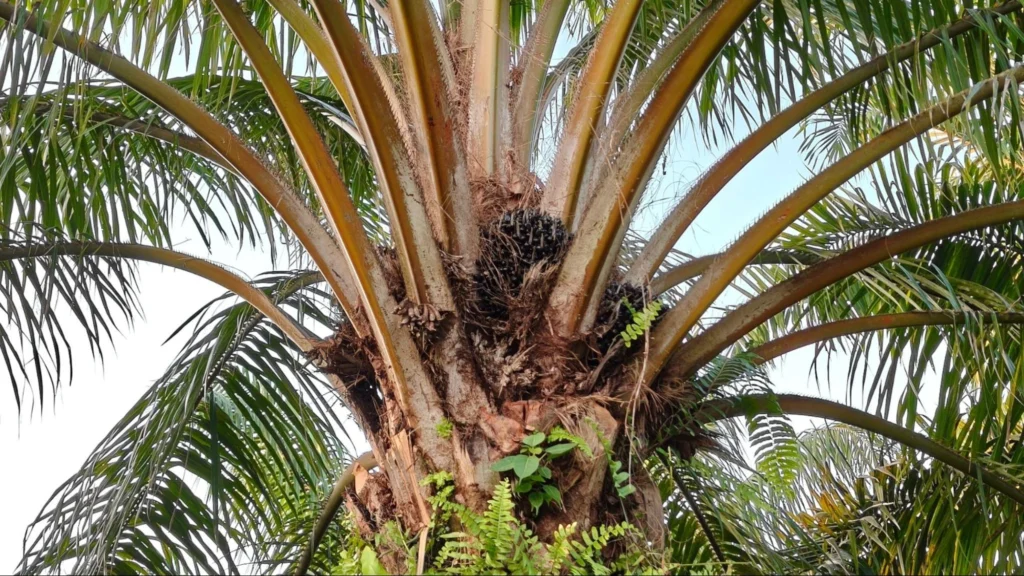
Even well-maintained palm trees may develop problems over time. Recognizing early warning signs helps prevent long-term damage.
Nutrient Deficiencies
Palm trees commonly suffer from potassium or magnesium deficiencies. Symptoms include yellowing leaves, discoloration, and weak fronds.
Pest and Disease Issues
Palm trees can occasionally attract pests or develop fungal diseases that damage foliage or weaken the trunk.
Storm Damage
High winds during Florida storms can break fronds or destabilize palms that have not been properly maintained.
Regular inspections help detect these issues early and prevent more serious problems later.
Why Hiring an ISA Certified Arborist Matters
Palm tree maintenance may seem simple, but improper care can cause permanent damage. This is why many homeowners rely on professionals for advanced tree care.
An ISA Certified Arborist is a tree care professional who has earned certification from the International Society of Arboriculture. This credential demonstrates specialized knowledge in:
- Tree biology and health
- Proper pruning techniques
- Disease identification
- Risk assessment and tree safety
Working with an ISA Certified Arborist ensures that palm trees receive care based on scientific research and industry best practices.
Professional arborists also understand the specific environmental conditions in Central Florida and can recommend treatments tailored to local landscapes.
Professional Palm Tree Care Services in Ocala
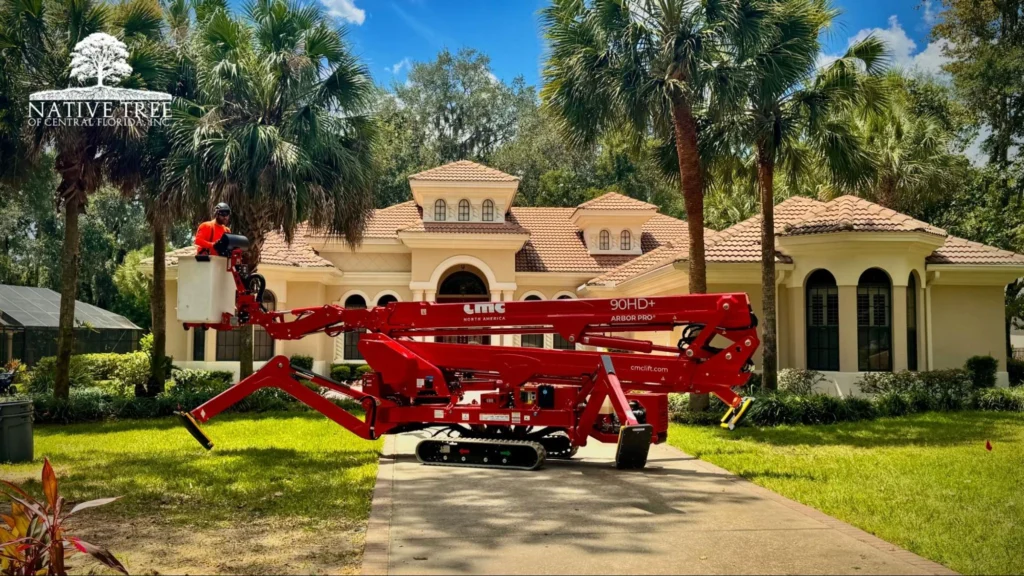
While homeowners can handle basic maintenance, many aspects of palm tree care require professional expertise. Large palms can grow very tall, making trimming and inspection dangerous without proper equipment.
Professional services may include:
- Palm tree trimming and pruning
- Nutrient treatments and fertilization programs
- Palm health inspections
- Storm damage cleanup
- Safe palm tree removal when necessary
Tree work also involves safety risks. Falling fronds, heavy equipment, and climbing hazards make professional experience essential.
Homeowners should always choose a company that is fully insured and trained in professional tree care practices.
Why Insurance Matters When Hiring a Tree Service
Tree care involves physical labor, specialized equipment, and work performed at significant heights. Hiring a company without insurance can expose homeowners to serious financial risks if an accident occurs.
A reputable tree service should carry:
- Liability insurance
- Workers’ compensation coverage
- Proper training and certifications
Companies that invest in proper insurance demonstrate professionalism and responsibility toward both their employees and their customers.
Homeowners searching for reliable palm tree care in Ocala often choose companies that prioritize safety and professional standards. Native Tree of Central Florida is committed to these principles by maintaining full insurance coverage and providing expert tree care services backed by industry knowledge.
Conclusion
Proper palm tree care is essential for maintaining healthy and long-lasting palm trees in Ocala and throughout Central Florida. From selecting the right palm tree type to understanding how to take care of a palm tree through proper watering, fertilization, and careful pruning, each step plays an important role in keeping your landscape thriving. When homeowners understand how to care for a palm tree, they can prevent common problems such as nutrient deficiencies, damaged fronds, and storm-related issues that may affect the health and appearance of their palm trees.
While routine palm tree care outdoor maintenance can be done by homeowners, professional expertise is often necessary to ensure the safety and long-term health of your trees. Working with trained professionals, including an ISA Certified Arborist, helps ensure that proper techniques and industry standards are followed. For homeowners in the Ocala area looking for dependable palm tree services, Native Tree of Central Florida provides knowledgeable care backed by proper insurance and professional experience, helping your palm trees remain strong, healthy, and beautiful for years to come.
Get Professional Palm Tree Care in Ocala
Ensure your palm trees stay healthy from roots to canopy with expert care and maintenance. Schedule a professional inspection to keep your landscape thriving year-round.
Call us today at (352) 561-3626 or reach us via e-mail at sales@nativetreecf.com to schedule your professional tree service.
Frequently Asked Questions
How often should palm tree care maintenance be done?
Routine palm tree care typically includes inspections, fertilization, and pruning once or twice per year. However, newly planted palm trees may require more frequent watering and monitoring while they establish their root systems.
What is the best way to take care of a palm tree in Florida?
The best way to take care of a palm tree is to provide proper watering, apply slow-release palm fertilizer several times per year, and remove only dead or damaged fronds. Regular inspections also help detect nutrient deficiencies or disease early.
How do you choose the right palm tree type for your yard?
Selecting the right palm tree type depends on factors such as available space, soil conditions, climate tolerance, and maintenance requirements. Some palm trees grow very tall, while others remain compact and are better suited for residential landscapes.
What are the most common problems affecting palm trees?
Common issues include nutrient deficiencies, pests, fungal diseases, and storm damage. These problems can affect the appearance and health of palm trees, which is why regular monitoring and proper palm tree care are important.
When should you hire a professional for palm tree care outdoor services?
Professional palm tree care outdoor services are recommended when trees become very tall, require pruning near structures, or show signs of disease or decline. An ISA Certified Arborist can properly diagnose problems and recommend the safest treatment option