

Key Takeaways
- Trimming palm trees is an essential part of proper tree care, helping maintain a healthy, attractive, and hazard-free landscape.
- Regular palm tree trimming removes dead or damaged fronds, prevents pest infestations, and enhances airflow around the tree.
- The best time to trim palm trees is during late winter or early spring, before the active growing season.
- Avoid excessive trimming, never remove too many green fronds, as it can weaken the palm and slow its growth.
- Always use sterilized tools, wear proper safety gear, and avoid cutting too close to the trunk to prevent infection or decay
- The palm tree trimming cost varies depending on tree size, height, accessibility, and location, ranging roughly from $100 to $800.
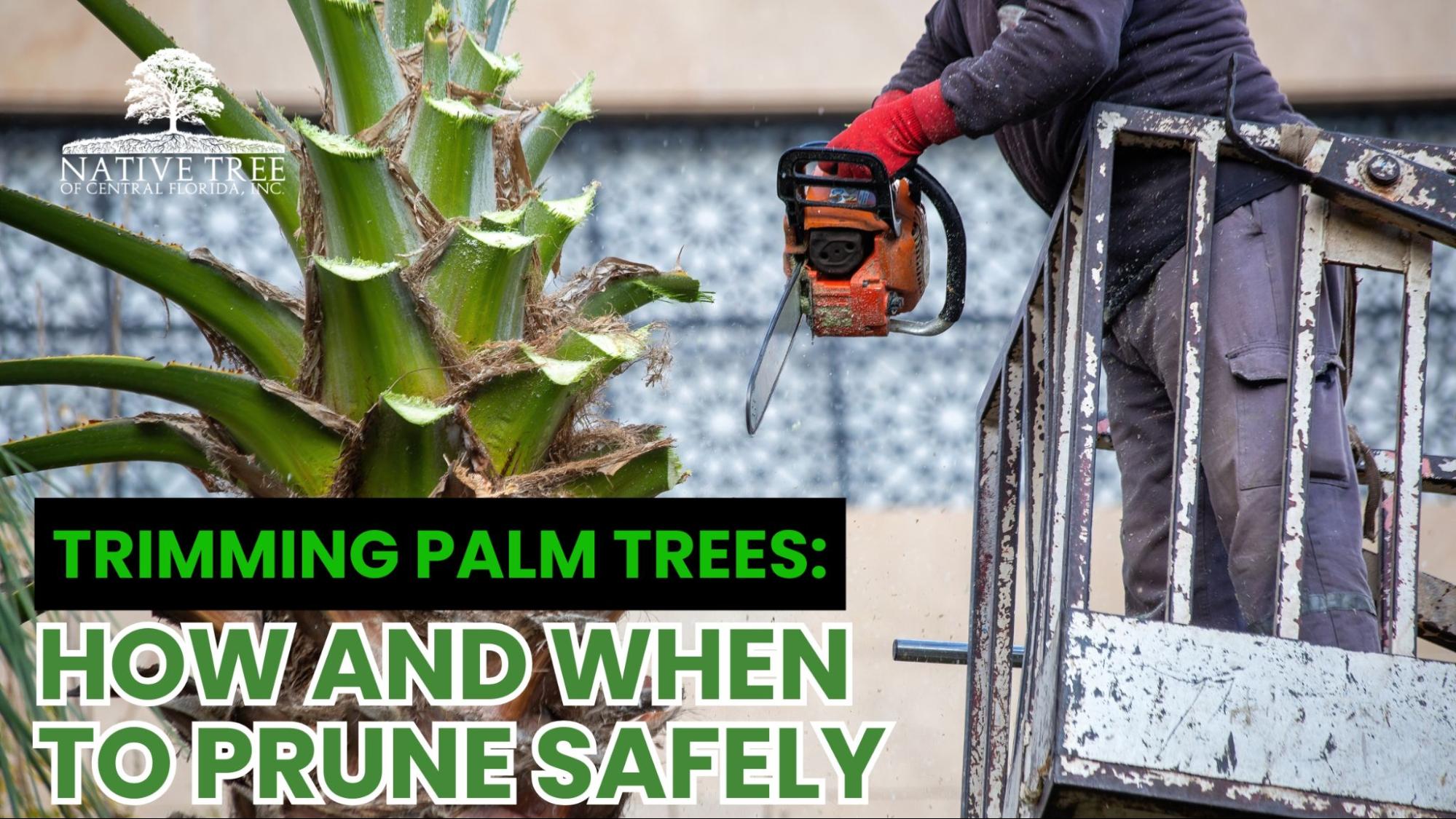
Whether you plan to do it yourself or hire a professional, understanding when, why, and how to prune safely can make all the difference.
Why Trimming Palm Trees Matters
Regular palm tree trimming is more than just about keeping your landscape neat—it plays a crucial role in maintaining the tree’s overall health and safety. Dead or dying fronds not only make palms look neglected but can also attract pests like rats, snakes, and insects that use the dry fronds as shelter. In windy or storm-prone areas, untrimmed fronds can easily break off, posing risks of injury or property damage. Proper trimming also reduces the tree’s weight load, minimizing the risk of broken fronds during storms. By removing old flower stalks and seed pods, nutrients are redirected toward new, healthy growth. Additionally, improved airflow around the tree’s crown helps prevent fungal infections and decay, keeping your palm tree strong, vibrant, and resilient.Table of Contents
Key Benefits of Regular Trimming
- Promotes strong, healthy growth – Regular palm tree trimming removes dead or dying fronds that can drain nutrients from the tree. This allows the palm to focus its energy on developing new, healthy fronds and maintaining a strong, balanced structure.
- Prevents pest infestations and disease spread – Trimming helps eliminate decaying material where pests such as rats, beetles, or fungi often thrive. By keeping the tree clean, you reduce the chances of infestations and improve overall tree health.
- Reduces fire and storm hazards – Dry, dead fronds can become highly flammable and may easily ignite during hot, dry seasons. In stormy or windy conditions, untrimmed fronds can break off and cause damage to property or injury to people below.
- Improves appearance and property value – A well-trimmed palm tree enhances the overall beauty of your landscape, giving it a clean, well-maintained look. Healthy, attractive trees can also increase your home’s curb appeal and property value.
- Encourages proper airflow and light penetration – Removing excess fronds allows better air circulation and sunlight to reach the tree’s crown. This promotes faster healing after trimming and reduces the risk of mold, rot, or fungal growth.
When to Trim Palm Trees
The ideal time for palm tree trimming depends largely on your local climate. In most regions, late winter to early spring is the best period, as it allows the tree to recover and direct its energy toward new growth during the upcoming season. In tropical climates, light pruning can be done year-round, but it’s best to avoid trimming during extreme heat or droughts when trees are stressed, and during the rainy season when open wounds can attract fungi and insects.
You should trim your palms when fronds are completely brown, dry, or broken, when seed pods or fruit clusters have formed, or when fronds block walkways, driveways, or windows. Trimming is also necessary if branches are brushing against roofs or power lines. However, avoid cutting green, healthy fronds unless absolutely necessary, as they are essential for photosynthesis and help maintain the tree’s energy and structural stability.
Preparing for Safe Palm Tree Trimming
- Hand pruners or loppers – These are perfect for cutting small fronds, seed pods, or flower stalks with precision. They allow you to make clean cuts without damaging nearby healthy tissue, promoting quicker healing and better regrowth.
- Pruning saw or pole saw – Ideal for larger or hard-to-reach fronds, these tools help you trim high branches safely without climbing too high. A pole saw is especially useful for tall palms, reducing the risk of falls and making trimming more efficient.
- Safety gloves and goggles – Wearing protective gear prevents cuts, scrapes, and eye injuries from falling debris or sharp fronds. Gloves also improve your grip, especially when handling tools or working in humid conditions.
- Sturdy footwear – Non-slip, closed-toe shoes or boots provide better balance and stability when working on uneven ground. They also protect your feet from falling fronds and sharp tools during trimming.
- Ladder or extension pole – Use a secure, well-balanced ladder or a telescopic pole to reach higher fronds safely. Make sure the ladder is placed on firm ground, and never overreach to avoid losing balance.
- Disinfectant (rubbing alcohol or bleach solution) – Cleaning your blades before and after trimming prevents the spread of bacteria and tree diseases. This simple step keeps your tools hygienic and ensures healthier results after each use.
How Often and When to Trim Palm Trees
Palm trees do not require frequent trimming compared to other landscape trees. In fact, over-trimming can weaken the tree and reduce its overall health over time.How often should you trim palm trees?
Most palm trees only need trimming once or twice a year, depending on their species and growth rate. Fast-growing varieties in tropical environments may require slightly more maintenance, but routine or excessive trimming is unnecessary and can be harmful.Best time of year to trim palm trees
The ideal time to trim palm trees is typically late winter to early spring, just before the active growing season begins. This timing allows the tree to recover quickly and encourages healthy new growth. In tropical climates such as the Philippines, light maintenance trimming can be done throughout the year. However, it is best to avoid heavy trimming during:- Extreme heat or drought conditions
- Prolonged rainy seasons that increase fungal risk
- Post-storm stress periods unless removal of hazards is necessary
Can palm trees be trimmed anytime?
While dead or fully brown fronds can be removed at any time for safety reasons, major trimming should always be done with proper timing to avoid stressing the tree. Healthy green fronds should generally be left intact, as they are essential for photosynthesis and overall palm health. Proper timing is just as important as proper cutting technique when it comes to maintaining strong and healthy palm trees.Signs Your Palm Tree Needs Trimming
Signs Your Palm Tree Needs Trimming Not all palm fronds should be removed on a regular schedule. Knowing when trimming is actually necessary helps prevent over-pruning and keeps your tree healthy in proper palm tree care- Completely brown or dried fronds – Once fronds have turned fully brown, dry, and brittle, they are no longer contributing to the tree’s growth and can be safely removed.
- Hanging or drooping dead fronds – Dead fronds that hang loosely can become a safety hazard, especially during strong winds or storms, and should be trimmed promptly.
- Excess seed pods or flower stalks – Large seed clusters or flower stalks can weigh down the tree and may attract pests. Removing them helps the palm redirect energy toward healthy growth.
- Fronds blocking pathways or structures – If fronds interfere with roofs, driveways, sidewalks, or visibility, trimming is necessary to maintain safety and clearance.
- Overcrowded or unbalanced canopy – A healthy palm should have a naturally open and balanced crown. Excess buildup of old fronds can indicate that maintenance trimming is needed.
Safety Precautions Before Trimming
Never cut too close to the trunk
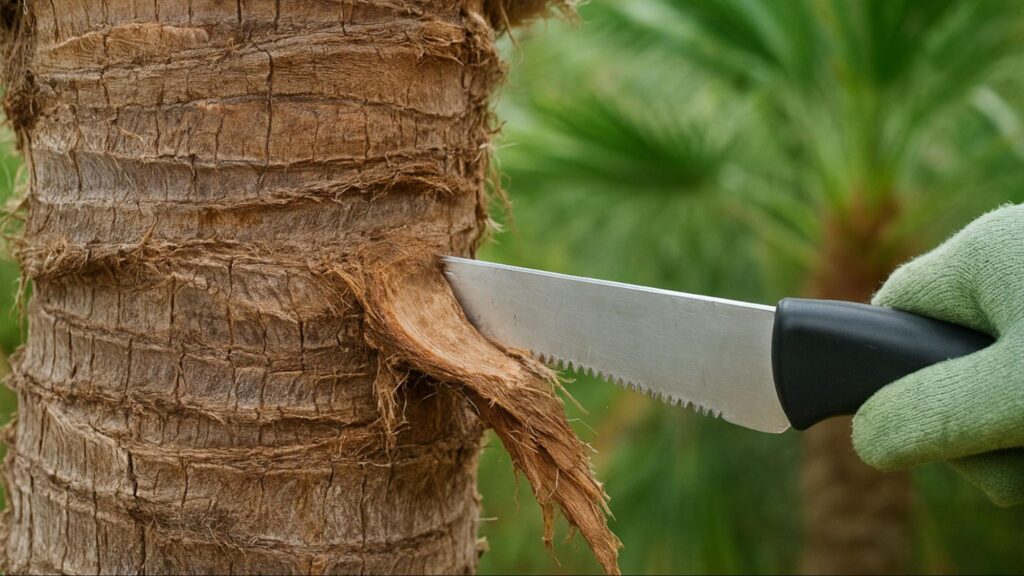
When trimming, always leave about two inches of the frond base attached to the tree. Cutting too close can damage the tree’s growing point, known as the “heart,” which is vital for new frond development. Injuring this area can lead to decay or even kill the palm over time, so precise cuts are essential.
Do not remove too many fronds at once
Over-pruning weakens the palm and reduces its ability to produce energy through photosynthesis. Limit trimming to no more than 25% of the canopy to maintain balance and promote healthy regrowth. Removing too many green fronds at once also makes the tree more susceptible to stress, pests, and sunburn.
Avoid climbing spikes
Using spikes or gaffs to climb palm trees can leave deep, permanent wounds on the trunk. These punctures do not heal and often become entry points for pests, fungi, and rot. Instead, use a sturdy ladder or hire professionals equipped with proper climbing gear to prevent long-term damage.
Work with a partner
Trimming palm trees, especially tall ones, can be risky when done alone. Having someone nearby ensures you get help quickly in case of slips, equipment failure, or falling debris. A partner can also stabilize the ladder, hand you tools safely, and keep an eye on your surroundings for added protection.
Stay clear of power lines
Never attempt to trim palms near electrical lines, as electricity can arc several feet through the air and cause serious injury or death. Even if the fronds appear to be a safe distance away, shifting tools or wind can bring them dangerously close. In these cases, it’s always best to contact a certified arborist or utility company to handle the job safely.
When to Call the Experts
Hiring professionals for palm tree trimming ensures not only precise and clean cuts but also long-term tree health and safety. Certified arborists are trained to identify early signs of root damage, fungal infections, or nutrient deficiencies before they escalate into serious issues. You should consider calling experts if your palm trees are taller than 20–30 feet, located near buildings, glass windows, or power lines, or if you notice signs of disease or pest infestation. It’s also wise to hire professionals when multiple trees need trimming, as they have the equipment and expertise to complete the job efficiently and safely.
In addition to expert trimming, professionals handle debris cleanup, saving you time and effort. They can also provide helpful maintenance advice, such as recommending an ideal trimming schedule and applying the right fertilizers or treatments to keep your palm trees strong, healthy, and visually appealing year-round.
Step-by-Step Guide: How to Trim Palm Trees
Inspect the Tree
Before trimming, walk around the palm carefully and take note of any dead or broken fronds, seed pods, or fruit clusters that need removal. This step helps you identify problem areas and prevents unnecessary cutting of healthy leaves. A thorough inspection also ensures safety by spotting weak or damaged fronds that could fall during trimming.
Plan the Cuts
Always plan your trimming strategy before starting. Work from the bottom upward, visualizing the final, balanced shape of the palm. Avoid cutting fronds that grow horizontally or upward, as these are still functional and essential for photosynthesis. Proper planning reduces stress on the tree and keeps its natural canopy shape intact.
Make Clean Cuts
Use sanitized, sharp tools to make smooth cuts about two inches away from the trunk. Avoid pulling, tearing, or cutting too close, as this can damage the trunk tissue and slow healing. Clean cuts heal faster and minimize the risk of infections or pests invading the exposed area.
Dispose of Debris
After trimming, collect and properly dispose of all fronds, seed pods, and fruit clusters. Leaving dead materials on the ground can attract pests like beetles, rodents, or fungi that harm nearby plants. Keeping the area clean promotes better garden hygiene and prevents disease spread.
Post-Trimming Care
Once trimming is complete, water your palm deeply to help it recover from stress. Observe the tree for several weeks, checking for signs of yellowing or drooping fronds that may indicate water or nutrient deficiencies. Regular aftercare ensures your palm stays healthy and continues to thrive after pruning.
How to Monitor If Your Palm Tree Needs Trimming
Look for Dead or Discolored Fronds
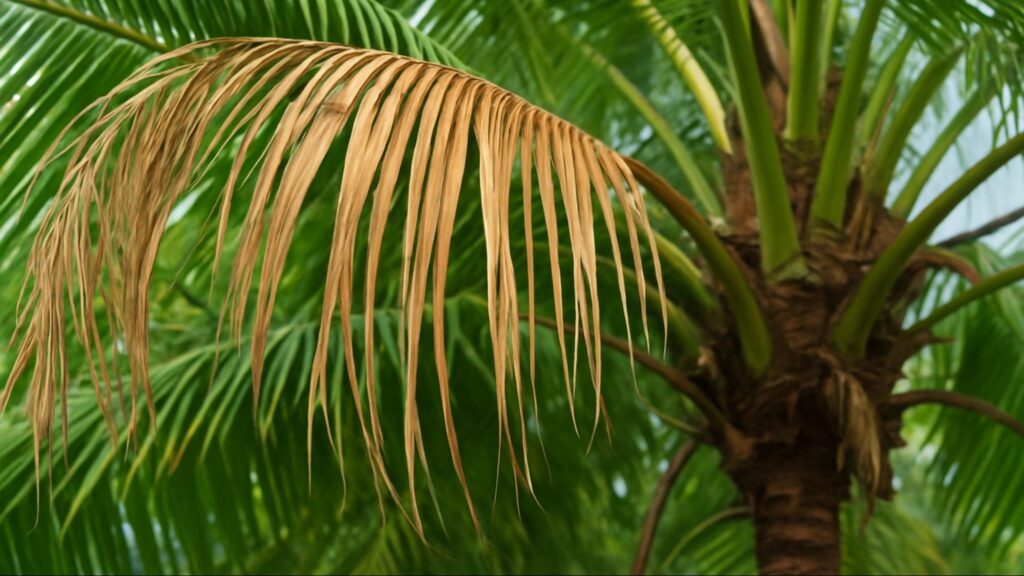
Inspect your palm regularly for fronds that have turned completely brown, dry, or droopy. These fronds no longer aid in photosynthesis and can attract pests or harbor disease if left untrimmed. However, if most of the canopy remains green and vibrant, hold off on trimming until more fronds naturally decline.Watch for Hanging or Broken Fronds
Pay attention to fronds that hang loosely, break easily, or come into contact with roofs, walls, or pathways. These can pose safety risks to people and property, especially during windy conditions. When you spot this, light trimming is advisable to maintain both safety and tree balance.Check for Flower and Fruit Buildup
Excess flowers or fruit clusters can make the palm look untidy and put extra weight on its fronds. They also tend to attract rodents, insects, and other pests that can damage the tree or surrounding area. Removing old clusters helps the palm stay clean, healthy, and less prone to infestation.Observe Overall Canopy Shape
A healthy palm should have a natural, rounded canopy that allows sunlight and air to flow through evenly. If the canopy looks too dense, uneven, or starts growing awkwardly toward one side, it might be time for trimming. Proper shaping not only improves appearance but also supports balanced, strong growth.Monitor Growth Season and Weather
Timing is just as important as technique when trimming palms. The best time to trim is during the growing season, typically late winter to early spring, when the palm can recover quickly. Avoid trimming during periods of drought, intense heat, or heavy rain, as these stress the tree and slow its healing.Common Palm Tree Trimming Mistakes
Over-Pruning
Over-pruning occurs when too many fronds are removed at once or when green, healthy leaves are cut off unnecessarily. Green fronds are essential for photosynthesis, helping the tree produce food and maintain energy for growth. Removing too many weakens the trunk, slows development, and increases vulnerability to pests and environmental stress. To avoid this, only remove fully brown or broken fronds and always retain at least two-thirds of the canopy to support balanced, healthy growth.“Hurricane Cuts” (or “Pineapple Cuts”)
A“hurricane cut” or “pineapple cut” involves removing most fronds, leaving only a small tuft at the top for aesthetic purposes. Although it may appear neat, this type of over-trimming severely stresses the palm by exposing the heart or growing tip to direct sunlight. As a result, the tree becomes prone to sunburn, dehydration, and nutrient deficiency. Maintain a natural, rounded canopy and avoid trimming higher than the 9 o’clock to 3 o’clock position to preserve the palm’s health and wind resistance.Using Unsterilized Tools
Failing to disinfect pruning tools between trees is a serious mistake that can spread diseases like lethal yellowing and Fusarium wilt. Infected palms often cannot recover, leading to permanent decline or death. To prevent contamination, always clean blades with rubbing alcohol, a 1:10 bleach solution, or a commercial disinfectant before and after each use. Keeping tools sharp also ensures cleaner cuts that heal faster and reduce the risk of infection.Cutting Too Close to the Trunk
Cutting fronds flush against the trunk or removing the entire frond base can seriously harm the tree. This exposes soft tissue, creating wounds that attract insects, fungi, and decay. It can also scar the trunk and weaken its structural integrity over time. Always leave about two inches of the frond base attached to protect the trunk and allow natural shedding as the tree matures.Ignoring Safety Precautions
Palm tree trimming can be hazardous without proper safety measures. Falls, electrical hazards, and injuries from heavy fronds are common accidents when trimming tall trees. Always wear gloves, safety goggles, non-slip shoes, and a helmet when working. Use a stable ladder or pole saw and have a partner nearby for assistance, especially when working around power lines or tall palms.Using the Wrong Tools
Improper or dull tools can cause jagged cuts that damage palm tissue and slow healing. Tools like machetes or axes often tear the fronds rather than cutting cleanly. For small fronds, use sharp pruning shears or loppers, and use a pruning or pole saw for larger ones. Regular maintenance, such as sharpening and oiling, keeps your tools precise and ensures healthy, smooth cuts.Trimming Too Frequently or at the Wrong Time
Trimming palms too often or during stressful conditions can weaken the tree and stunt growth. Excessive pruning depletes energy reserves, while trimming during heat or heavy rain increases sunburn and infection risks. It’s best to trim once or twice a year, ideally in late winter or early spring before the growing season. Avoid pruning during droughts or storms to minimize stress and ensure faster recovery.Neglecting Post-Trimming Care
After trimming, palms need extra care to recover from stress. Without adequate water or nutrients, they may develop yellowing or drooping fronds. Deep watering helps restore moisture, while applying a slow-release fertilizer rich in magnesium and potassium promotes recovery and strong regrowth. Monitoring for pests or nutrient deficiencies afterward ensures lasting health and vitality.Conclusion
Caring for your palm tree involves more than just watering or fertilizing, regular and proper trimming is essential to keeping them healthy, safe, and visually appealing all year round.When done correctly, palm tree trimming not only enhances the look of your landscape but also promotes stronger growth and prevents hazards from falling fronds or pest infestations. Whether you choose to trim your palms yourself or hire professionals, always prioritize proper timing, technique, and safety to achieve the best results.
If you’re unsure where to begin or have tall palms that require specialized care, searching for palm tree trimming near me can help you find certified arborists with the right tools and expertise. While trimming costs may vary depending on tree size and location, the investment pays off in long-term tree health and property safety.
Ultimately, proper care is about finding balance, removing only what’s necessary while allowing your palm to thrive naturally. With consistent maintenance and attention to detail, your palms will continue to add lasting tropical beauty and value to your outdoor space for years to come.
Keep Your Palm Trees Strong and Stunning
Ensure your palms stay healthy and beautiful year-round with safe, expert trimming. From routine care to recovery after storms, our certified team knows exactly how to handle your palms with precision and care.
Frequently Asked Questions