

Key Takeaways
- Healthy trees are vital for the environment and property value, but even well-maintained trees can suffer from tree diseases caused by fungi, bacteria, or insects.
- The most common diseases include apple scab, cedar-apple rust, anthracnose, verticillium wilt, powdery mildew, fire blight, and thousand cankers disease, each with distinct symptoms and treatments.
- Early detection is essential. Regular inspection of leaves, bark, and branches can help identify problems before they spread.
- Practicing proper tree care such as balanced watering, soil testing, pruning, and mulching, builds stronger resistance against infections.
- Knowing how to prevent diseases saves time and money compared to treatment. Prevention includes sanitation, planting resistant species, and improving air circulation.
- Professional arborist inspections can identify hidden threats, diagnose correctly, and recommend tailored solutions to maintain long-term tree health.
- A well-executed tree care plan not only prevents disease but also enhances growth, stability, and longevity, ensuring your trees thrive season after season.
Trees are living pillars of our environment, quietly filtering the air, offering shade, and adding beauty and value to every landscape. Yet even the healthiest trees can fall victim to hidden ailments like tree diseases that slowly weaken their strength. Understanding the signs of these conditions and how to respond can mean the difference between a thriving tree and one that becomes a safety hazard or needs to be removed.
This complete guide will help you identify the most common diseases, recognize their symptoms, learn effective treatments, and discover proven prevention strategies to keep your trees strong and vibrant throughout the seasons.
Table of Contents
Why Tree Health Matters
Healthy trees are essential not only for their beauty but also for the critical role they play in maintaining environmental balance. They anchor the soil, prevent erosion, absorb carbon dioxide, and release oxygen that purifies the air we breathe. Beyond that, they provide shade that cools our homes and streets, create habitats for birds and other wildlife, and even boost property value.When a tree’s health starts to decline, however, the impact can be far-reaching. Weak or diseased trees are more likely to drop branches, attract pests, or become unstable, posing safety risks to people and nearby structures. In many cases, once tree diseases take hold, recovery can be slow or even impossible without immediate intervention.
That’s why proactive care is essential. Regular inspection, proper watering, soil management, and timely pruning all contribute to long-term tree health. The key is early detection, recognizing subtle changes in color, leaf density, or bark texture before they develop into serious problems. By addressing these early warning signs, you can help your trees stay strong, resilient, and beautiful for years to come.
How to Prevent Tree Diseases
Proper Watering and Mulching
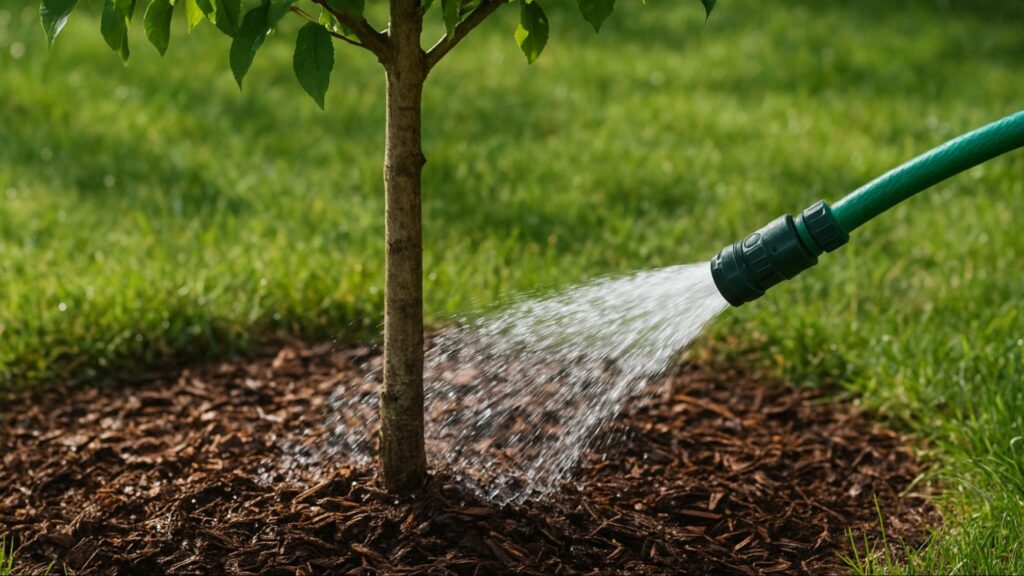
Proper watering and mulching practices are essential for maintaining tree health and disease resistance. Water deeply and less frequently to encourage strong root development, allowing the soil to dry slightly between watering sessions. Shallow, frequent watering promotes weak roots and increases susceptibility to stress. Apply a 2 to 3-inch layer of organic mulch, such as wood chips or bark, around the base of the tree to conserve moisture and regulate soil temperature. Keep mulch a few inches away from the trunk to prevent rot and insect activity. Together, these practices create a stable environment that supports strong, disease-resistant growth.
Regular Monitoring
Regularly monitoring your trees throughout the year is one of the most effective ways to prevent disease. Watch for early warning signs such as yellowing leaves, thinning canopies, bark cracks, or unusual growths that could indicate infection. Early detection allows for quicker and more targeted treatment, helping stop the spread of disease before it becomes severe. Keep a seasonal record of any changes in leaf color, branch health, or growth rate. This habit not only improves your awareness of each tree’s condition but also helps identify recurring problems early on. Consistent observation ensures small issues are addressed promptly before they cause long-term damage.
Balanced Nutrition and Soil Care
Healthy soil is the foundation of a resilient tree. Over-fertilizing, especially with high-nitrogen products, can cause rapid but weak growth that’s more prone to disease and pest damage. Conduct periodic soil tests to assess nutrient levels and adjust fertilization based on the results rather than guesswork. Avoid compacting soil by limiting heavy foot or vehicle traffic over root zones, as compacted soil restricts air and water movement. Maintaining balanced nutrition helps strengthen a tree’s natural defenses against pathogens. A well-cared-for soil environment promotes healthy root systems, which are vital for long-term tree vitality.
Pruning and Air Circulation
Regular pruning improves both the structure and health of trees. By thinning overcrowded branches, you enhance air circulation and light penetration, reducing the damp, shaded conditions that fungi thrive in. Always prune during the correct season for your tree species and remove any dead, damaged, or diseased wood promptly. Be sure to sterilize pruning tools between cuts to prevent spreading pathogens from one branch or tree to another. Proper pruning also shapes the tree, helping it withstand storms and environmental stress. Over time, this practice significantly reduces disease pressure and promotes vigorous, balanced growth.
Plant Disease-Resistant Species
Choosing disease-resistant tree species is a proactive step toward maintaining a healthy landscape. When planting new trees, research which varieties are naturally resistant to common local diseases. Disease-resistant species require less chemical intervention and generally live longer under stressful conditions. Avoid planting trees too close together, as overcrowding limits airflow and increases the chance of infection. Consider plant compatibility as well, such as keeping junipers away from apple trees to prevent cedar-apple rust. Selecting the right species from the start saves time, resources, and potential losses in the long term.
Sanitation and Cleanup
Keeping your landscape clean is an essential defense against tree diseases. Fallen leaves, fruits, and branches can harbor harmful fungi, bacteria, or insects that overwinter and reappear the following season. Make it a habit to rake and dispose of debris, especially in late fall when most pathogens prepare to survive the winter. Do not compost diseased materials unless your compost pile reaches high enough temperatures to kill spores and pests. Clean pruning tools and gardening equipment after use to avoid cross-contamination. Consistent cleanup efforts reduce disease sources and help maintain a healthier growing environment year-round.
Professional Inspections
Even when trees appear healthy, hidden problems can develop internally or underground. Scheduling regular inspections from a certified arborist ensures that potential diseases are detected before they become severe. Arborists can identify early symptoms, recommend appropriate treatments, and advise on soil health and nutrient balance. They can also spot issues such as root rot, pest infestations, or improper pruning practices that are easy to miss. Routine professional evaluations are an investment in your landscape’s long-term health. By catching problems early, you can prevent costly damage and ensure your trees continue to thrive for years.
Treating Tree Diseases Effectively
Effectively managing begins with accurate diagnosis and a clear understanding of the tree’s overall condition. Once an infection is identified, swift and strategic action is essential to halt progression and protect surrounding vegetation. Certified arborists often assess factors such as soil health, moisture levels, and canopy structure to determine the underlying cause. Treatment typically involves an integrated approach, combining cultural practices like proper watering and pruning with mechanical removal of infected tissues and, when necessary, the judicious use of fungicides or bactericides.
Ongoing monitoring and preventive maintenance, including improved soil aeration, sanitation, and nutrient balance, are critical to ensuring recovery and strengthening long-term resistance against future outbreaks. Here’s a practical approach for managing infections:
- Diagnose Accurately – Misdiagnosis leads to wasted time and resources. Some insect damage mimics disease symptoms, so consult an arborist or send samples to a diagnostic lab when in doubt.
- Apply Cultural and Mechanical Fixes – Improve soil drainage, adjust watering schedules, prune affected areas, and reduce environmental stressors. These cultural practices often make trees less susceptible to reinfection.
- Use Chemical and Biological Treatments Wisely – If needed, apply fungicides, bactericides, or biological controls recommended for your specific disease. Always follow label directions, and time applications according to disease cycles for best results.
- Consider Removal When Necessary – When a tree is severely damaged or poses a risk to others, removal may be the safest option. This is especially true for incurable conditions like thousand cankers disease.
- Support Recovery – After treatment, maintain consistent care, proper watering, mulching, and fertilization, to help trees regain strength and resilience.
Common Tree Diseases and Their Symptoms
Anthracnose
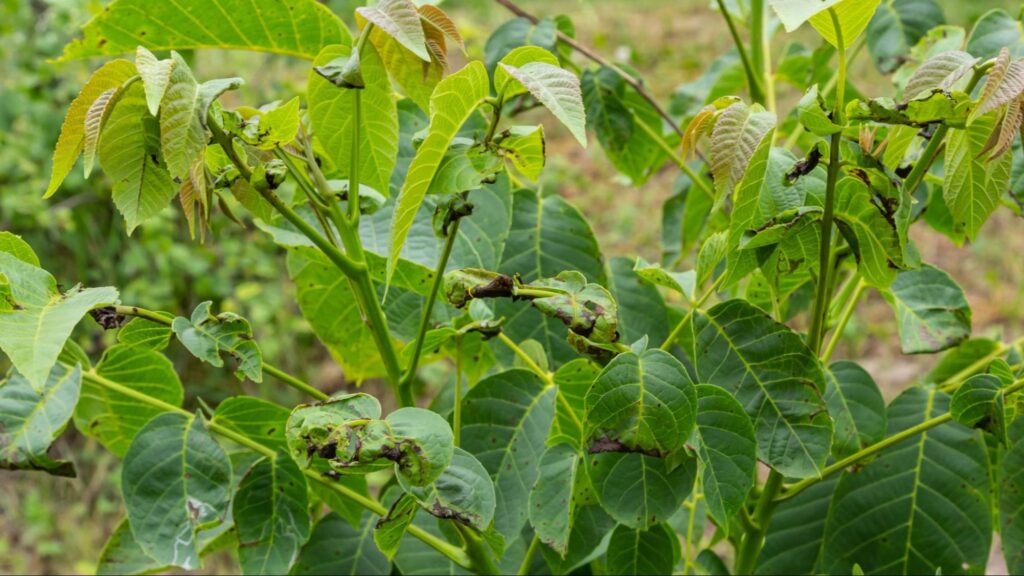
Anthracnose is a group of fungal diseases that affect trees such as maple, oak, sycamore, and dogwood. Symptoms include tan or brown blotches along veins, leaf curling, and early defoliation, especially in cool, wet conditions. Management involves pruning and destroying infected branches, improving canopy airflow, and avoiding overhead watering. Regular mulching and deep watering help trees recover and resist further infection.
Apple Scab
Apple scab is a fungal infection that primarily affects apple and crabapple trees. Early in the growing season, olive-green to brown spots appear on leaves and fruit. Over time, leaves may curl, yellow, and fall prematurely, while infected fruits develop dark, scabby lesions. To manage it, remove and destroy fallen leaves and fruit, prune to improve air circulation, and apply fungicides before buds open. Choosing resistant varieties during planting also helps reduce recurrence.
Cedar-Apple Rust
This fungus alternates between apple trees and nearby junipers or red cedars. It causes yellow-orange spots on apple leaves and gelatinous spore horns on infected junipers. The disease can lead to leaf distortion and fruit loss. Prevention includes pruning infected juniper branches, increasing spacing between host plants, applying preventive fungicides during spring, and removing galls from junipers to stop the fungus from spreading.
Verticillium Wilt
This soil-borne disease attacks a tree’s vascular system, blocking nutrient and water flow. Leaves often wilt on one side, turn yellow or brown, and drop early, while affected wood shows discolored streaks beneath the bark. There is no permanent cure, but maintaining proper soil moisture, fertilizing wisely, and removing severely infected trees can limit spread. Avoid planting susceptible species in contaminated soil to prevent reinfection.
Powdery Mildew
Powdery mildew is easily recognized by its white, powdery coating on leaves and stems. It thrives in humid, shaded environments and weakens trees by reducing photosynthesis, leading to yellowing and leaf drop. Control methods include pruning overcrowded branches, increasing sunlight exposure, avoiding high-nitrogen fertilizers, and applying sulfur-based or neem oil sprays when needed.
Fire Blight
Fire blight is a bacterial disease that primarily affects trees in the rose family, including pears and crabapples. Infected blossoms turn brown and wilt, giving branches a scorched look, while cankers form on bark in severe cases. Control involves pruning out infected branches during dry weather, sterilizing pruning tools between cuts, avoiding excessive fertilization, and using bactericide sprays to prevent outbreaks.
Thousand Cankers Disease
This deadly disease affects walnut trees and is caused by a fungus spread by bark beetles. The beetles create numerous small cankers beneath the bark, disrupting nutrient flow and leading to branch dieback and eventual tree death. Early detection is essential, removing and destroying infected trees and avoiding transporting walnut firewood to prevent spreading the disease to healthy areas.
How to Diagnose Tree Diseases Correctly (Step-by-Step Guide)
Before treating a tree, accurate diagnosis is essential. Follow these steps:
Step 1: Inspect the leaves first
Look for discoloration, spotting, curling, or early leaf drop. Leaves are often the first indicator of stress or disease in a tree.
Step 2: Examine the branches
Check for dieback, brittle twigs, or unusual growth patterns. Branch damage can signal internal infection or nutrient transport issues.
Step 3: Check the trunk and bark
Look for cracks, cankers, peeling bark, or sap oozing. Trunk symptoms often indicate more advanced or serious tree diseases.
Step 4: Evaluate the root zone and soil
Soft soil, mushrooms, or exposed roots may indicate underground issues like rot. Root problems are especially dangerous because they can destabilize the entire tree.
Step 5: Identify the pattern of damage
- Entire tree affected → possible systemic disease or root issue
- One side affected → environmental stress or localized infection
- Random branches → fungal or insect-related damage
Correct diagnosis helps ensure the right treatment and prevents unnecessary removal.
How to Treat Tree Diseases
Treatment depends on the type and severity of the disease:
- Fungal infections: Apply fungicides and remove infected leaves or branches
- Bacterial diseases: Prune affected areas and disinfect tools after use
- Root rot: Improve drainage and reduce watering frequency
- Cankers: Prune infected limbs below the damaged area
- Severe infections: In some cases, tree removal may be necessary to prevent spread
Always sterilize pruning tools to avoid spreading disease between trees.
Preventing Tree Diseases Before They Start
Prevention is the most effective way to maintain healthy trees.
Proper watering practices
Avoid overwatering, which leads to root rot, and underwatering, which stresses the tree.
Correct mulching technique
Apply mulch in a ring around the base but avoid piling it against the trunk.
Regular pruning and maintenance
Remove dead or weak branches and always use clean tools. Learn more about proper trimming practices in our guide on Tree Pruning Tips.
Seasonal inspections
Check trees in spring and after storms for early signs of stress or damage.
Healthy soil management
Ensure proper drainage and avoid soil compaction around root zones.
Reduce environmental stress
Avoid damaging roots during construction or lawn maintenance.
You can also strengthen overall tree resilience by following long-term maintenance strategies in our article on Tree Care Tips for Healthy Trees.
When to Call a Certified Arborist
Some tree diseases require professional evaluation. Call an Certified arborist if you notice:
- Rapid or widespread dieback
- Deep trunk cracks or structural instability
- Persistent fungal growth or decay
- Large sections of the tree suddenly declining
An arborist can properly diagnose the issue and recommend treatment or safe removal if needed.
Strengthening Tree Health for the Future
- Observe your trees regularly – Make it a habit to inspect your trees throughout the year to spot early signs of stress or disease. Look for changes in leaf color, unusual growths, or damaged bark that could indicate underlying issues. Early observation helps prevent small problems from becoming serious threats.
- Prioritize proper watering, pruning, and soil health – Consistent deep watering, seasonal pruning, and maintaining healthy soil all contribute to strong, resilient trees. These practices improve root development, airflow, and nutrient balance, making trees less vulnerable to pests and disease. A well-maintained tree is better equipped to handle environmental stress.
- Act quickly when symptoms appear – If you notice signs of disease, such as wilting leaves or discoloration, take action immediately. Prompt removal of affected parts and proper treatment can prevent further spread. Quick responses are key to preserving the health and longevity of your trees.
- Seek professional help for serious infections or large trees – Some tree issues require expert diagnosis and care. A certified arborist can identify diseases, recommend the right treatments, and safely handle large or compromised trees. Professional assistance ensures that your trees receive proper care and remain healthy for years to come.
Final Thoughts
Caring for your trees goes beyond watering and pruning; it’s about understanding the subtle signs of stress and disease before they become serious threats. May start quietly, but their impact can spread quickly, affecting not only the beauty of your landscape but also its safety and value. By learning to recognize the most common issues from the list of tree diseases, applying proper tree care practices, and knowing how to prevent them, you safeguard the health of your entire outdoor environment.
Healthy trees are resilient trees. With regular inspections, balanced maintenance, and timely professional guidance, you can keep them thriving for generations. Whether you’re tending a single backyard tree or managing an entire property, staying proactive about tree health ensures your landscape remains strong, vibrant, and full of life all year round.
Protect Your Trees from Common Diseases
Don’t let infections take root in your landscape. With proper care and early treatment, you can restore your trees’ health and strength. Our experts are here to help you diagnose, treat, and prevent common tree diseases effectively.Frequently Asked Questions