
Key Takeaways
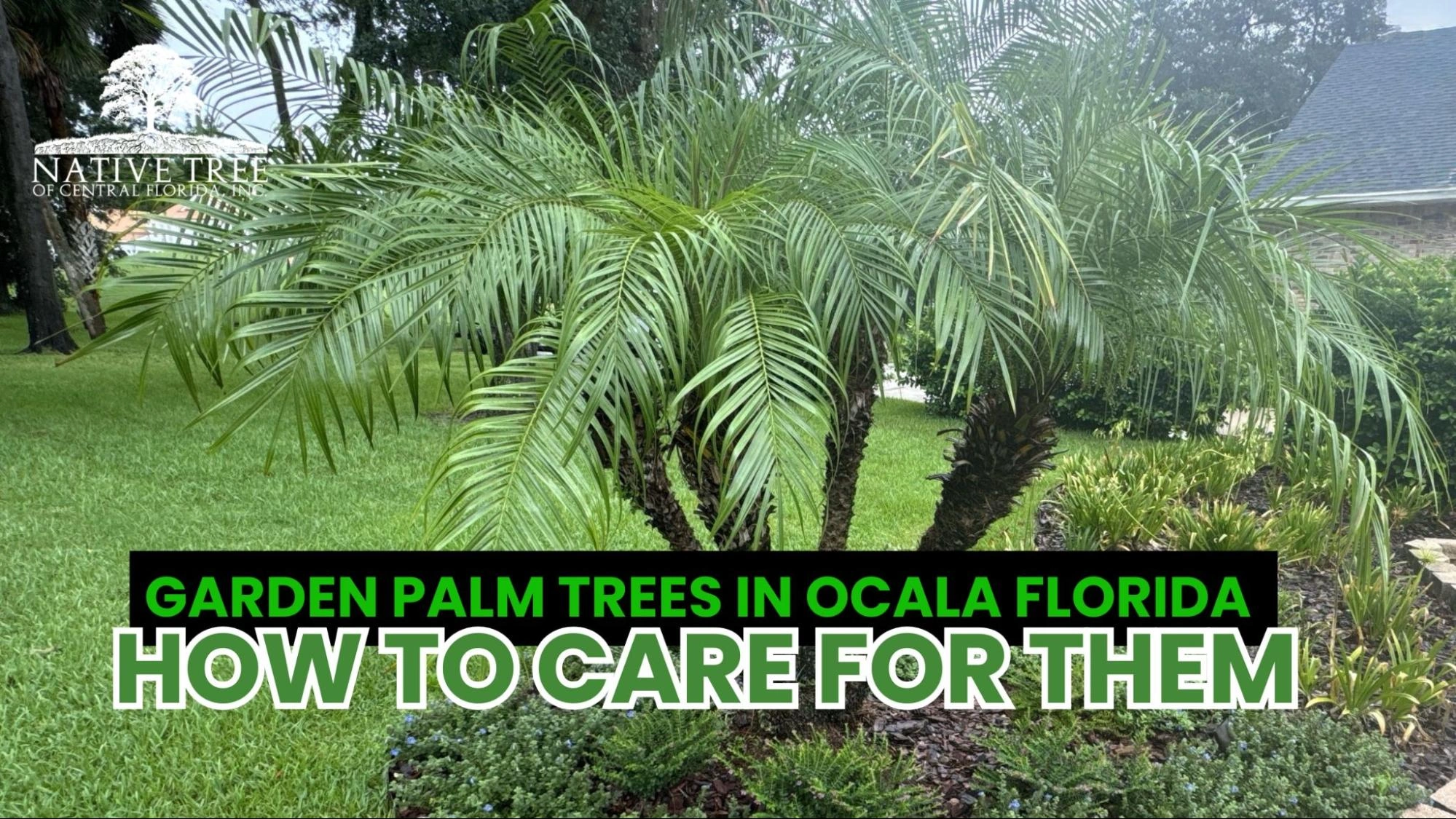
- Garden palm trees are a signature feature of Florida landscapes. Many homeowners in Ocala use palm trees to enhance curb appeal, frame entrances, and create relaxing backyard environments.
- Palm trees grow differently from traditional trees. One of the most important palm tree facts is that a palm tree grows from a single crown. Damage to this growing point can permanently harm the tree.
- Choosing the right palm tree types is essential for long-term success. Popular palm trees for garden landscapes in Central Florida include Sabal Palms, Queen Palms, Sylvester Palms, and Pygmy Date Palms.
- Proper planting techniques help ensure healthy growth. Garden palm trees should be planted in well-drained soil, in areas with full sunlight, and with enough space to accommodate their mature size.
- Watering needs vary depending on the tree’s age. Newly planted palm trees require frequent watering, while established palm trees typically only need deep watering during extended dry periods.
Palm trees are one of the most recognizable features of Florida landscapes. Their tall trunks and graceful fronds create the tropical scenery many homeowners love throughout Ocala and Central Florida. Many properties feature garden palm trees to frame entrances, line driveways, or create relaxing backyard spaces that enhance curb appeal.
However, palm trees grow very differently from traditional trees and require specialized care to stay healthy. Understanding important palm tree facts, learning about different palm tree types, and following proper maintenance practices can make a big difference in the long-term health of your landscape. In this guide, we will explain proper palm tree care, common mistakes to avoid, and why working with an ISA Certified Arborist and a fully insured tree service like Native Tree of Central Florida can help protect your property and investment.
Table of Contents
Understanding Garden Palm Trees in Central Florida Landscapes
Palm trees thrive in warm climates, which makes Central Florida an ideal environment for them. Their ability to tolerate heat, sun exposure, and sandy soil makes them a popular choice for landscaping. However, palms are not technically the same as traditional trees.
Unlike hardwood trees that grow outward with branches, a palm tree grows from a single growing point called the crown. All new leaves develop from this central point. Because of this unique growth pattern, damage to the crown can permanently harm the tree.
Important Palm Tree Facts Every Homeowner Should Know
There are several important palm tree facts that homeowners should understand before planting or maintaining palms in their garden. Palm trees do not grow branches like traditional trees. Instead, they produce fronds from the top of the trunk.
Each frond plays an important role in the tree’s health. Healthy green fronds produce nutrients through photosynthesis that help the palm grow. Another important fact is that palm trees cannot heal from trunk damage the way many hardwood trees can. Injuries to the trunk may weaken the structure permanently.
Because of these differences, proper palm tree care often requires specialized knowledge and techniques. This is why many homeowners rely on professional tree services when caring for garden palm trees in Central Florida.
Choosing the Right Palm Trees for Garden Landscapes
Selecting the right palm trees for garden spaces is an important step in creating a healthy and visually appealing landscape. Different palm tree types vary in size, growth speed, and maintenance requirements. Some remain small and decorative, while others grow tall and become focal points in a yard.
Choosing the correct species helps ensure that the palm tree fits the available space and grows well in Ocala’s climate.
Popular Palm Tree Types in Central Florida
Several palm tree types are commonly planted in Central Florida gardens.
- The Sabal Palm – is Florida’s state tree and one of the most resilient palm species. It tolerates drought and strong winds, making it a dependable option for landscapes.
- Queen Palms – are known for their elegant appearance and feathery fronds. These palms grow relatively quickly and are often used to create dramatic vertical accents.
- Sylvester Palms – have a bold and striking appearance with blue-green fronds and thick trunks. They are frequently planted as centerpiece trees in landscape designs.
- Pygmy Date Palms – are much smaller and work well in compact garden areas or near patios and walkways.
Each palm species has unique characteristics. Consulting a professional arborist can help determine which palm tree types are best suited for your landscape.
Planting Garden Palm Trees the Right Way
Proper planting is one of the most important steps in ensuring the long-term health of garden palm trees.
Many palm problems begin when trees are planted too deep, placed in poor soil conditions, or located in areas with poor drainage.
What Conditions Help Palm Trees Thrive
Palm trees generally grow best when they receive full sunlight and have access to well-drained soil. When planting palms in a garden, it is important to leave enough space for future growth. Some palm trees develop wide root systems and tall canopies that require room to expand.
Another critical factor is planting depth. A palm tree planted too deep may struggle to establish strong roots. Proper planting techniques also help prevent leaning or instability as the palm tree grows taller.
Benefits of Professional Palm Tree Planting
Hiring experienced professionals helps ensure that palm trees are planted correctly from the start.
Professional planting services often include soil preparation, proper root placement, and stabilization to support the tree while it establishes itself.
Companies like Native Tree of Central Florida provide professional planting services performed by trained specialists. Their team works with ISA Certified Arborists and maintains proper insurance coverage, helping homeowners avoid risks during tree installation.
Watering Palm Trees for Healthy Growth
Water management plays an important role in maintaining healthy palm trees. Both overwatering and underwatering can lead to stress and visible decline.
How Often Should Palm Trees Be Watered
Newly planted palms require more frequent watering while their roots establish in the soil. During the first several weeks, palms may need watering daily or several times per week depending on weather conditions.
As the tree matures and its roots expand, watering frequency can gradually decrease. Established palm trees usually require deep watering only during extended dry periods. Consistent watering practices help maintain healthy fronds and strong root development.
Fertilizing Palm Trees in Florida Soil
Florida soil often lacks certain nutrients that are essential for palm tree health.
Without proper fertilization, palms may develop nutrient deficiencies that cause yellowing leaves or browning fronds.
Key Nutrients Palm Trees Need
Palm trees require a balanced supply of nutrients to remain healthy. Important nutrients include nitrogen, potassium, magnesium, iron, and manganese.
Using a slow-release fertilizer specifically designed for palm trees helps maintain consistent nutrient levels throughout the year. Many experts recommend fertilizing palms three to four times annually to support healthy growth.
Because incorrect fertilization can worsen nutrient imbalances, many homeowners choose to work with professional arborists who understand proper nutrient management.
Pruning and Trimming Palm Trees Safely
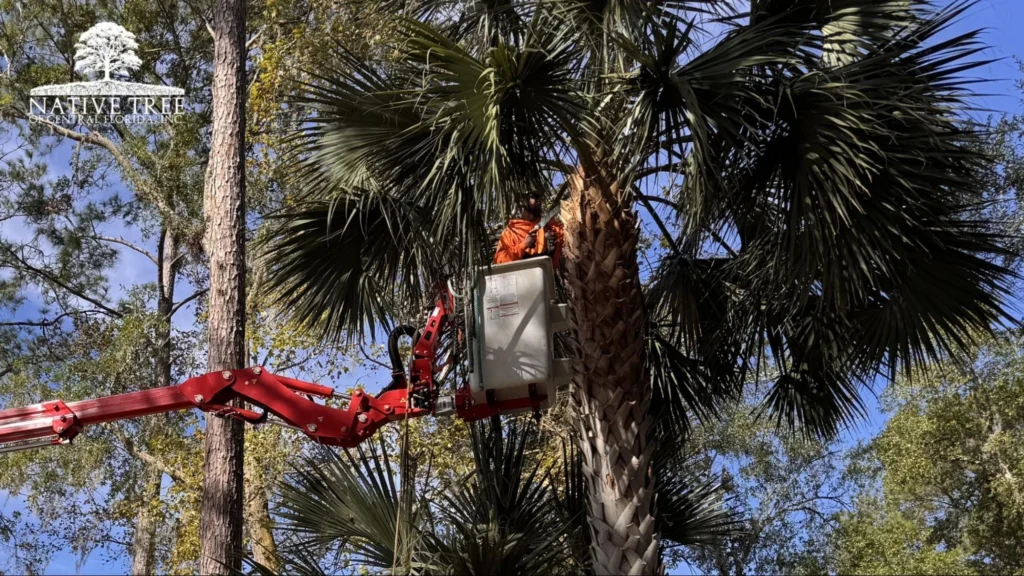
Palm tree pruning is often misunderstood. Many homeowners believe that removing large numbers of fronds keeps the tree healthy. In reality, excessive trimming can harm the palm.
When Should Palm Trees Be Trimmed
Palm trees should only be trimmed when necessary. Pruning typically focuses on removing dead or damaged fronds, broken leaves, or fruit clusters.
Healthy green fronds should remain on the tree whenever possible because they provide essential nutrients. Over-pruning can weaken the palm and make it more vulnerable to disease and environmental stress.
Common Palm Tree Trimming Mistakes
One common mistake is removing too many fronds in an attempt to create a “hurricane cut.” This practice can actually reduce the palm’s ability to withstand strong winds. Another mistake is cutting into the trunk or crown during trimming. Because palms cannot repair trunk injuries easily, this damage can affect long-term stability.
Professional trimming helps ensure that pruning is performed safely and correctly.
Benefits of Hiring an ISA Certified Arborist
An ISA Certified Arborist has specialized training in tree biology and professional pruning techniques. Their expertise allows them to evaluate the health of a palm tree and determine exactly which fronds should be removed.
Professional arborists also use proper equipment and safety procedures when working with tall palm trees.
Signs Your Palm Tree May Need Professional Care
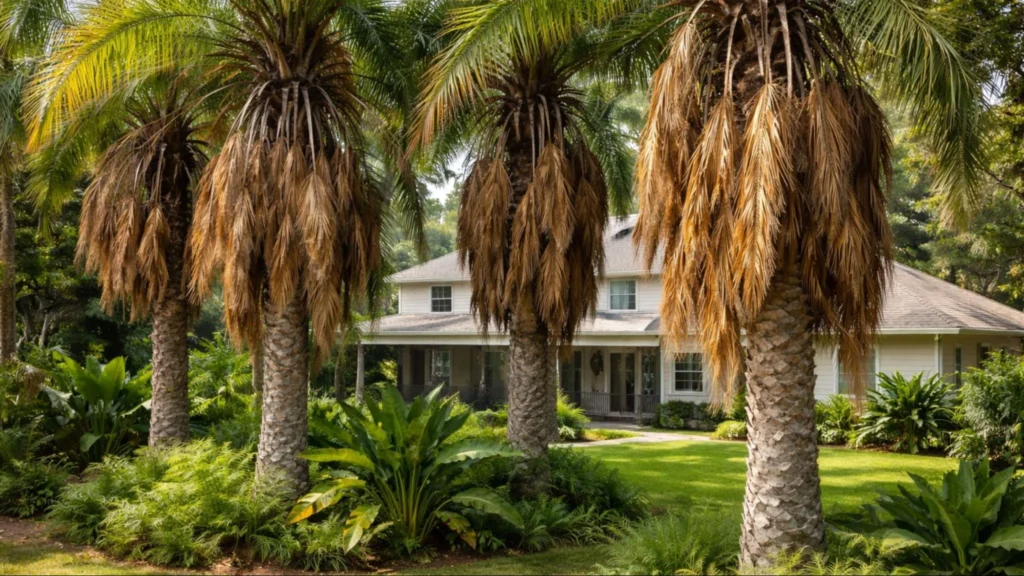
Palm trees often show warning signs when something is wrong. Recognizing these symptoms early can help prevent serious damage.
Yellowing Palm Leaves and Nutrient Deficiencies
Yellowing leaves are one of the most common warning signs that a palm tree may be experiencing nutrient deficiencies or environmental stress. Florida soils often lack essential nutrients such as potassium, magnesium, and iron. When these nutrients are insufficient, the fronds may begin turning pale green or yellow. Persistent discoloration may indicate a deeper issue that requires professional evaluation.
Brown or Dying Fronds on Palm Trees
Brown fronds can sometimes be part of the natural aging process of palm trees. However, when multiple fronds begin turning brown at the same time, it may signal drought stress, disease, or improper pruning. If browning spreads quickly through the canopy, it is best to have the palm tree assessed by a professional arborist.
Leaning Palm Trees or Unstable Root Systems
A leaning palm tree can indicate root instability or soil problems. Heavy rain, poor drainage, or root damage may weaken the palm’s foundation and cause it to tilt. If the tree begins leaning suddenly or appears unstable, professional inspection is recommended to determine whether the tree can be stabilized safely.
Pest Activity and Palm Tree Diseases
Palm trees can be vulnerable to pests and diseases that weaken their health over time. Signs may include unusual spotting on the leaves, damaged fronds, or visible insect activity. Early identification of these problems can help prevent severe damage and protect nearby trees.
Slow Growth or Declining Palm Tree Health
A healthy palm tree typically produces new fronds regularly. When growth slows significantly or the canopy becomes sparse, it may indicate stress or underlying health issues. Environmental factors, soil conditions, or nutrient deficiencies can contribute to this decline.
When these issues appear, it is often best to have the tree inspected by a professional arborist who can identify the cause and recommend appropriate treatment.
Why Hiring an Insured Tree Service Is Important
Tree care can involve heavy equipment, climbing, and potentially hazardous work. Hiring a properly insured company protects both homeowners and workers. Professional tree service companies should carry liability insurance as well as workers’ compensation coverage.
Without these protections, homeowners could potentially become financially responsible if an accident occurs during tree work. Choosing a reputable and fully insured company helps reduce these risks and ensures that the work is performed safely.
Why Homeowners in Ocala Trust Native Tree of Central Florida
Maintaining healthy palm trees for garden landscapes requires experience, knowledge, and proper equipment. Native Tree of Central Florida provides professional tree care services designed to help homeowners protect and maintain their landscapes.
Their services include palm tree planting, trimming, health evaluations, storm preparation, and general tree maintenance. The company works with ISA Certified Arborists and maintains full insurance coverage, giving homeowners peace of mind when hiring a tree service.
By combining professional expertise with a commitment to safety and quality, Native Tree of Central Florida helps ensure that garden palm trees remain healthy, strong, and beautiful for many years.
Final Thoughts
Garden palm trees add beauty, shade, and tropical character to landscapes throughout Ocala and Central Florida. With the right care, these trees can thrive for decades and become stunning focal points in your outdoor space. Understanding essential palm tree facts, selecting the right palm tree types, and following proper watering, fertilization, and trimming practices all contribute to healthier palms.
When professional help is needed, working with experienced specialists makes a significant difference. If your landscape includes palm trees or you are planning to plant new ones, the team at Native Tree of Central Florida is ready to help with expert care and reliable service designed to keep your trees thriving.
Care for Your Garden Palm Trees the Right Way
Keep your Ocala palms healthy and beautiful with proper pruning, watering, and maintenance. Schedule a professional service to ensure long-term growth and a thriving landscape.
Frequently Asked Questions
What are the best palm trees for garden landscapes in Ocala Florida?
Some of the most popular palm trees for garden landscapes in Central Florida include Sabal Palms, Queen Palms, Sylvester Palms, and Pygmy Date Palms. Each of these palm tree types offers different sizes and visual characteristics, making them suitable for a variety of landscape designs.
How often should garden palm trees be watered?
Newly planted garden palm trees typically require frequent watering while their roots establish. This may involve watering several times per week during the first few months. Once the palm tree becomes established, deep watering during dry periods is usually sufficient.
What are common signs that a palm tree is unhealthy?
Several warning signs may indicate problems with a palm tree, including yellowing leaves, brown or dying fronds, slow growth, leaning trunks, or visible pest activity. Identifying these symptoms early can help prevent more serious damage.
Why is fertilizing palm trees important in Florida?
Florida soils often lack key nutrients needed for healthy palm tree growth. Regular fertilization helps supply essential elements such as potassium, magnesium, and nitrogen. Proper fertilization helps prevent yellowing fronds and supports the long-term health of palm trees.
When should palm trees be trimmed?
Palm trees should only be trimmed when necessary. Pruning typically involves removing dead fronds, damaged leaves, or fruit clusters. Healthy green fronds should remain on the tree whenever possible because they produce nutrients that support the palm’s growth.