
Key Takeaways
- Proper Pittosporum pruning encourages a fuller, denser, and healthier hedge while preventing weak, uneven growth.
- Pittosporum hedges in Florida require trimming schedules that account for the state’s warm, humid climate and extended growing season.
- Avoid over-shearing Pittosporum, as excessive trimming can create thin outer growth, reduce airflow, and diminish the shrub’s natural appearance.
- Regularly inspect your Pittosporum for signs of pests, disease, storm damage, or structural issues so problems can be addressed before they become costly.
- Hiring an insured tree care company with ISA-Certified Arborists helps ensure your Pittosporum receives proper pruning techniques that promote long-term health, not just a quick trim.
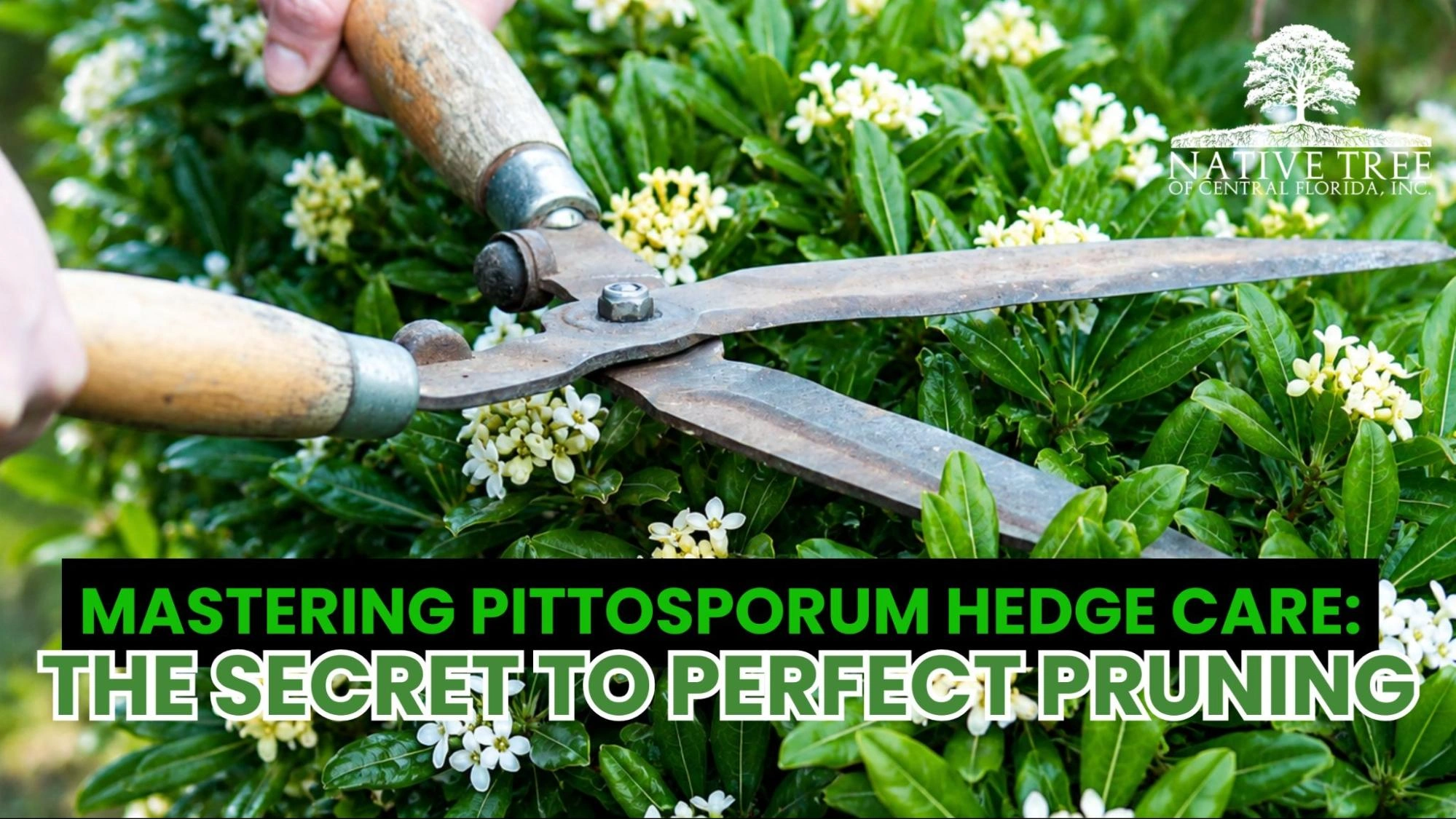
Hedge care is essential for maintaining a healthy, attractive landscape, and few shrubs reward proper maintenance quite like the pittosporum hedge. Among the most popular evergreen shrubs in Ocala and throughout Central Florida, pittosporum is prized for its dense foliage, fast growth, and versatility. Whether planted as a privacy screen or decorative border, it responds best to thoughtful pruning that promotes healthy growth rather than simply controlling its size.
Many homeowners believe that trimming more often automatically creates a better-looking hedge. In reality, pruning at the wrong time, or using improper techniques, can lead to sparse interiors, excessive growth, and a hedge that requires even more maintenance over time.
Understanding the difference between routine shaping and strategic pruning is the first step toward keeping your pittosporum healthy year after year.
A thriving pittosporum hedge depends on proper pruning, correct timing, and consistent maintenance. In Central Florida, selective pruning after the flowering season encourages dense, vigorous growth while reducing stress caused by excessive heat, humidity, and improper trimming. Knowing when and how to prune helps homeowners maintain an attractive, long-lasting privacy hedge while protecting the health and beauty of their landscape.
Why Pittosporum Performs So Well in Central Florida
Table of Contents
Why Pittosporum Performs So Well in Central Florida
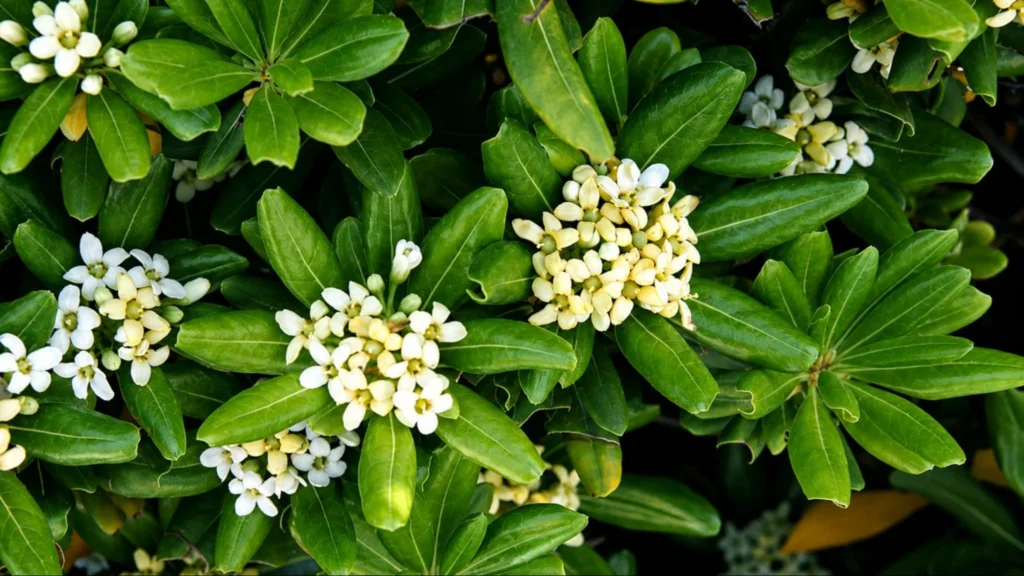
Pittosporum has become a favorite throughout Central Florida because it adapts well to our growing conditions. It tolerates heat, humidity, and sandy soils better than many ornamental shrubs while providing year-round greenery.
Its rapid growth also makes it an excellent choice for homeowners who want privacy without waiting years for a hedge to mature.
However, that same vigorous growth means regular hedge trimming and proper pruning are essential to maintain a dense, healthy, and attractive hedge.
Without proper pruning, pittosporum can quickly become overgrown, develop woody interiors, and lose the dense appearance that makes it so desirable in the first place.
The Biggest Misconception About Hedge Pruning
One of the most common misconceptions we hear is:
“If I keep trimming the outside, my hedge will naturally become thicker.”
While frequent shearing may create a neat exterior, it doesn’t always improve the plant’s long-term health.
Repeatedly trimming only the outer layer prevents sunlight from reaching the interior branches. Over time, those shaded branches weaken or die back, leaving the inside of the hedge sparse while the outside continues growing rapidly.
The result is a hedge that appears healthy from the street but lacks strong internal structure.
Instead of encouraging dense, balanced growth, excessive shearing often creates a cycle of constant maintenance that becomes more difficult to manage each season.
When to Prune Pittosporum Hedge for the Best Results
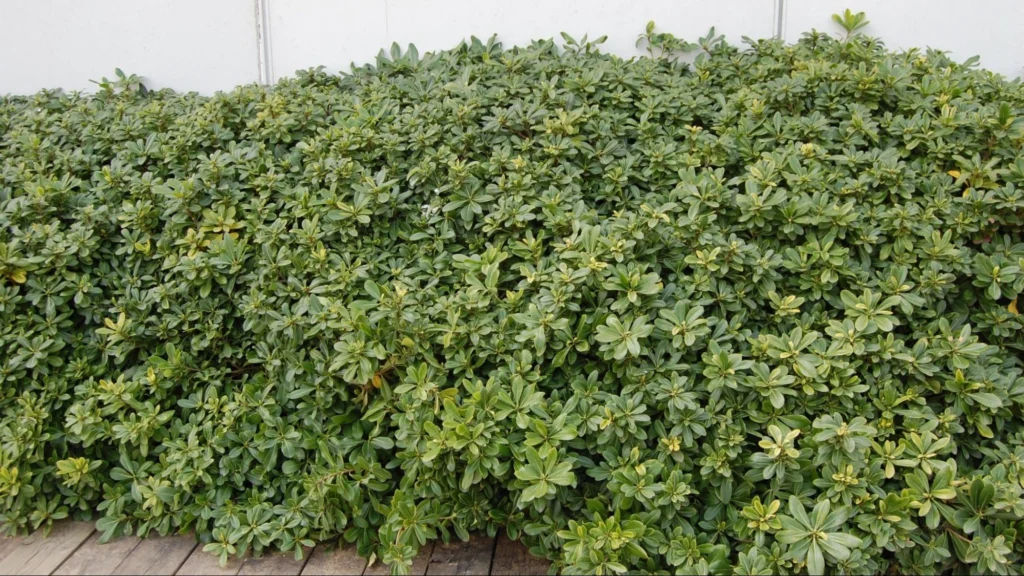
Timing matters just as much as technique.
Many homeowners ask when to prune pittosporum hedge without realizing that Florida’s climate differs from many gardening guides found online.
In Central Florida, the ideal time for more significant pruning is typically after the spring flowering period, allowing the shrub to recover during the active growing season.
Light maintenance trimming can usually be performed throughout the growing season as needed, but heavy pruning during periods of extreme summer heat or immediately before winter can place unnecessary stress on the plant.
Weather also plays an important role.
After periods of heavy rain or during hurricane season, inspecting your hedge before pruning is often just as important as the trimming itself. Broken branches, storm damage, or hidden disease should be addressed before shaping begins.
Signs Your Pittosporum Needs More Than a Trim
Not every overgrown hedge simply needs another haircut.
Sometimes, uneven growth or declining health points to larger issues that routine trimming won’t solve.
Watch for signs such as:
- Bare branches inside the hedge
- Yellowing or discolored leaves
- Dead or crossing branches
- Uneven growth patterns
- Sparse foliage near the base
- Damage following storms or prolonged drought
These symptoms may indicate environmental stress, improper previous pruning, drainage concerns, or pest activity rather than a simple maintenance issue.
That’s why we always recommend evaluating the overall condition of the shrub before deciding how aggressively to prune.
| DIY Hedge Trimming | Professional Pittosporum Pruning |
|---|---|
| Best suited for light maintenance and routine shaping. | Ideal for mature, overgrown, or neglected pittosporum hedges that require more than cosmetic trimming. |
| Focuses primarily on maintaining the hedge’s appearance. | Prioritizes both appearance and the long-term health and structural integrity of the hedge. |
| Requires the right tools, proper timing, and basic pruning knowledge. | Performed using industry-recommended pruning techniques based on plant biology and growth habits. |
| Improper cuts or removing too much foliage can stress the hedge, especially during Florida’s hot, humid months. | Pruning is timed and executed to minimize stress while encouraging healthy, vigorous growth. |
| Mistakes such as topping or over-shearing can lead to uneven growth, poor airflow, and increased susceptibility to pests and disease. | Selective pruning promotes better airflow, healthier branching, and improved resistance to common landscape issues. |
| Suitable for newly planted or well-maintained hedges that only need occasional touch-ups. | Recommended for mature privacy hedges, heavily overgrown plants, storm-damaged shrubs, or hedges requiring structural correction. |
| Can save money on routine maintenance when done correctly. | Helps protect your landscaping investment by reducing costly mistakes and supporting long-term hedge health. |
Common Hedge Pruning Mistakes That Can Do More Harm Than Good
Even with the best intentions, it’s easy to make pruning decisions that affect the long-term health of a pittosporum hedge. Many of the issues we see aren’t caused by neglect, they’re the result of routine maintenance performed at the wrong time or with the wrong approach.
Some of the most common mistakes include:
- Shearing the hedge too frequently without thinning the interior
- Removing too much foliage during one pruning session
- Pruning during periods of extreme heat or drought stress
- Using dull or unclean pruning tools that can spread disease
- Ignoring dead, damaged, or crossing branches hidden inside the hedge
These practices may produce a tidy appearance in the short term, but they can reduce airflow, limit sunlight penetration, and encourage weak, uneven growth over time.
Thoughtful pruning focuses on maintaining both appearance and plant health, something that’s especially important in Central Florida’s warm, humid climate.
Why Professional Hedge Pruning Is More Than Just Cutting Branches
Many homeowners searching for a hedge trimming service are simply looking for someone to shape an overgrown hedge.
While appearance certainly matters, professional pruning goes much deeper than creating straight lines or crisp edges.
We believe every pruning decision should support the plant’s long-term health. Before making a single cut, we evaluate the hedge’s growth habit, overall vigor, structural condition, and surrounding environment.
We believe the best hedge care starts with education, not unnecessary pruning, and that’s the approach we take at Native Tree of Central Florida.
By understanding how a hedge responds to different pruning techniques, we can recommend the right level of maintenance rather than automatically removing as much growth as possible.
Whether a hedge needs light seasonal shaping, structural pruning, or corrective maintenance after storm damage, our recommendations are always based on what’s best for the plant, not simply how quickly the job can be completed.
Conclusion
Beautiful pittosporum hedges don’t happen by accident. They result from proper timing, thoughtful pruning, and a clear understanding of how pittosporum responds to Central Florida’s unique growing conditions.
Avoiding common pruning mistakes, monitoring plant health throughout the year, and following proven landscaping practices can help your hedge remain full, healthy, and attractive for years to come.
Whether you’re maintaining a newly planted privacy screen or restoring a mature hedge, investing in professional care today can help prevent larger problems tomorrow while preserving the beauty and value of your property.
Schedule Professional Pittosporum Hedge Maintenance Today
Proper pruning and routine hedge maintenance keep your pittosporum healthy, attractive, and resilient throughout Florida’s growing season. Whether you need seasonal trimming, corrective pruning, or ongoing landscape maintenance, the experienced team at Native Tree of Central Florida is here to help your hedge thrive for years to come.
Call us today at (352) 561-3626 or email us at sales@nativetreecf.com to schedule your professional hedge maintenance service and keep your landscape looking its best year-round.
Frequently Asked Questions
How often should a pittosporum hedge be trimmed?
Most established hedges benefit from light maintenance several times during the growing season, while structural pruning is typically needed less frequently. Growth rate, weather conditions, and the desired appearance all influence the ideal schedule.
Can over-pruning damage a pittosporum hedge?
Yes. Removing too much foliage at one time can stress the plant, expose interior branches to excessive sunlight, and encourage weak regrowth. Proper pruning focuses on maintaining both plant health and appearance
Is it better to prune or shear a pittosporum hedge?
While light shearing helps maintain a neat appearance, selective pruning is generally better for long-term health. It improves airflow, allows sunlight to reach the interior, and encourages stronger branch development.
When should I hire a professional hedge trimming service?
If your hedge has become overgrown, uneven, storm-damaged, or shows signs of decline, professional evaluation can help determine the best course of action. An experienced arborist can identify underlying issues that routine trimming alone may not solve.