


Key Takeaways
- Regular hedge trimming promotes healthy growth, enhances curb appeal, and prevents disease.
- Use clean, sharp tools for precise and safe bush pruning.
- Always trim bushes from bottom to top and keep the base wider for balanced sunlight exposure.
- Avoid cutting more than one-third of foliage to prevent shock, especially when trimming overgrown shrubs.
- Regular maintenance and proper landscape edging help create a polished and professional-looking yard.
- For tall or complex hedges, consider hiring a hedge trimming service to ensure safe and expert results.
In this complete guide, you’ll learn how to trim bushes, the right tools to use, how to handle overgrown shrubs, and when it’s best to call a hedge trimming service for professional help.
Table of Contents
Why Hedge Trimming Matters
Hedge trimming is more than just cosmetic upkeep, it’s a vital part of maintaining healthy plants and a well-defined landscape. When done correctly, it encourages denser and more balanced growth, improves sunlight and air circulation, and helps prevent diseases caused by overgrowth. Regular trimming also preserves the clean, attractive shape of your hedges, keeping your garden or yard neat and visually appealing.Neglecting hedge care can lead to sparse foliage, unhealthy shrubs, and an untidy yard that becomes difficult to restore. Consistent trimming ensures your landscape stays vibrant and well-maintained throughout the seasons, enhancing both curb appeal and long-term plant health.
How to Trim Bushes the Right Way
Use the Right Tools
Always use sharp, clean hedge shears or an electric trimmer to ensure smooth and even cuts. Dull blades can tear branches, making plants vulnerable to diseases and uneven growth. Regularly clean and oil your tools after use to extend their lifespan and maintain performance. Investing in quality tools also makes trimming faster and more efficient, especially for larger hedges.Start from the Bottom
Begin trimming from the bottom of the hedge and work your way upward. This approach gives you better control and a clear view of your progress. It also helps maintain an even, natural-looking shape that supports balanced growth throughout the plant. Starting low also prevents debris from falling onto areas you’ve already trimmed, keeping your work neat.Keep It Tapered
Shape your hedge so that the base is slightly wider than the top. This design allows more sunlight to reach the lower branches, preventing thinning at the bottom. A tapered shape also enhances airflow and gives your hedges a clean, professional appearance. This structure helps the entire hedge stay healthy and full from top to bottom.Avoid Over-Trimming
When trimming overgrown bushes, avoid removing more than one-third of the foliage at a time. Cutting too much can stress or shock the plant, slowing down recovery. Gradual trimming encourages steady regrowth and keeps your bushes looking lush and healthy. Patience is key, consistent, light trimming produces better long-term results than aggressive cutting.Step Back Frequently
Pause regularly to step back and check your work from different angles. This helps you spot uneven areas and maintain a symmetrical, balanced look. Taking short breaks to assess your progress ensures your hedge trimming results are neat and visually appealing. Frequent checks also help you make small corrections before they become noticeable mistakes.How to Trim Bushes in Front of Your House
Your front yard is the first thing people notice when they visit your home, and neatly trimmed bushes instantly boost your curb appeal. Hedge trimming in the front yard requires both design sense and proper technique to ensure your plants enhance, rather than hide, your home’s beauty. Start by planning your hedge height and shape based on your home’s layout and window placement.Keep hedges slightly lower to avoid blocking windows, doors, or decorative features. Use landscape edging to create clean, professional-looking borders between your bushes, garden beds, and walkways. Choose shapes that complement your home’s style, rounded hedges soften the look of traditional homes, while straight, crisp lines give a modern touch.
Regular hedge trimming in the front yard not only keeps your landscape neat but also adds to your property’s overall value and charm.
How to Trim Overgrown Bushes Safely
- Start with Dead or Diseased Branches – Begin by cutting away any dead, diseased, or damaged branches to give your hedge room to breathe. This step prevents the spread of decay and helps your bush focus its energy on healthy growth. Use clean, sharp tools to make precise cuts.
- Trim Gradually to Prevent Shock – Avoid cutting off too much at once, as this can stress or shock the plant. Instead, trim gradually over several sessions, allowing time for recovery between each cut. Slow, steady trimming leads to a stronger and healthier hedge.
- Thin Out Dense Area – If your bush looks too thick, thin out crowded branches to improve airflow and sunlight penetration. Proper thinning reduces disease risk and encourages even growth throughout the plant. Focus on interior branches that block light from reaching the center.
- Water and Mulch After Trimming – After trimming, water your bushes deeply to help them recover from the stress of pruning. Apply mulch around the base to retain moisture, keep roots cool, and prevent weeds from growing. This aftercare step promotes steady recovery and long-term health.
- Encourage New Growth with Fertilize – Once your bushes have rested, apply a slow-release fertilizer to boost new growth. Choose a balanced formula to nourish the plant without overstimulating it. Healthy, steady growth ensures your hedge regains its natural shape over time
- Maintain Consistency for Best Result – Restoring overgrown bushes takes patience and consistency. Regular trimming every few months helps guide the plant back into shape safely. With ongoing care, your bushes will grow fuller, healthier, and more attractive each season.
When to Trim and Prune Hedges
Seasonal Timing for Different Hedge Types
Deciduous and evergreen hedges have different ideal trimming times. Deciduous types benefit from pruning in late winter or early spring before new growth starts, while evergreens prefer late spring or early summer trimming. Knowing your hedge variety ensures you prune during its most active growth period for optimal recovery.The Benefits of Regular Maintenance Trims
Light, regular trimming promotes thicker foliage and keeps hedges looking uniform. It also helps prevent overgrowth that can block sunlight or crowd nearby plants. A consistent schedule reduces the need for harsh pruning later and keeps your yard looking well-maintained year-round.Avoiding Weather-Related Stress
Extreme weather can make trimming harmful rather than helpful. Avoid pruning during very hot, dry spells or freezing conditions, as plants may struggle to heal. Waiting for mild, moist weather ensures cleaner cuts and faster recovery, preventing leaf burn and browning.Types of Hedges and the Best Trimming Techniques for Each
Not all hedges should be trimmed the same way. Understanding the type of hedge you’re working with helps you avoid over-pruning and promotes healthier, fuller growth.Evergreen Hedges (Boxwood, Privet, etc.)
Evergreen hedges are commonly used for clean, structured landscapes. These varieties respond well to frequent, light trimming to maintain their shape.Focus on:
- Regular maintenance trims rather than heavy cuts
- Keeping lines straight and consistent
- Avoiding cutting too deep into old wood, which may not regrow
Flowering Shrubs (Hydrangea, Azalea, and Similar Varieties)
Flowering hedges require more careful timing. Trimming at the wrong time can remove developing buds and reduce blooms for the next season.Best practices include:
- Pruning immediately after the plant finishes flowering
- Removing spent blooms and dead branches
- Shaping lightly rather than aggressively cutting back
Fast-Growing Privacy Hedges
These hedges are popular for screening and can quickly become overgrown if not maintained regularly.To manage growth effectively:
- Trim more frequently during the growing season
- Control height early to avoid drastic cutting later
- Keep the sides evenly shaped to maintain density
Formal vs. Informal Hedges
The trimming approach also depends on the style you want to achieve.- Formal hedges require precise, frequent trimming to maintain straight lines and a polished look
- Informal hedges are trimmed less often and shaped to follow their natural growth pattern
Common Mistakes to Avoid
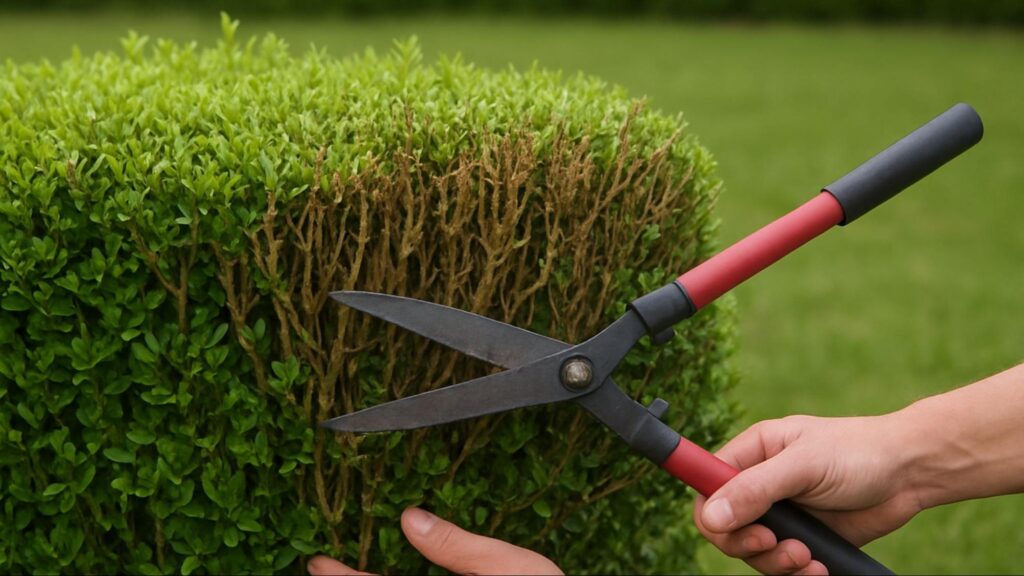
- Over-Trimming or Pruning at the Wrong Time – Cutting too often or too early in the season can damage new growth and weaken your hedge. Over-trimming also removes the plant’s natural shape and reduces flowering potential. It’s best to trim moderately and follow the hedge’s specific seasonal schedule.
- Cutting Into Old or Dead Wood – Some hedge species won’t regrow from old wood, leaving visible gaps that ruin the shape. Always identify new, green growth before cutting. If a hedge has become too woody, consider gradual pruning over a few seasons to rejuvenate it safely.
- Neglecting Pest and Disease Checks – Small infestations of aphids, scale, or fungal spots can spread quickly if unnoticed. Inspect your hedges regularly before and after trimming. Promptly removing affected branches and disinfecting tools helps prevent disease transmission and encourages healthy regrowth.
- Using Improper or Dull Tools – Dull blades tear instead of cutting cleanly, which stresses the plant and slows healing. Always sharpen or replace trimmer blades and disinfect them between uses. Investing in quality tools ensures smoother cuts and better results with less effort.
Hedge Trimming Checklist for Beginners
If you’re new to hedge trimming, following a simple step-by-step process can make the job easier and more effective.
- Inspect the hedge first – Look for dead, diseased, or damaged branches that need to be removed before shaping.
- Prepare the right tools – Use clean, sharp hedge shears or trimmers to ensure smooth cuts and reduce plant stress.
- Start trimming from the bottom up – Working upward helps you maintain a consistent shape and prevents uneven cutting.
- Keep the base wider than the top – This allows sunlight to reach the lower branches, promoting even growth throughout the hedge.
- Avoid removing too much at once – Never cut more than one-third of the plant’s growth in a single session.
- Step back and check your progress – Regularly pause to assess symmetry and make small adjustments as needed.
- Clean up and care for the hedge – Remove clippings, water the plants, and add mulch if necessary to support recovery.
DIY Hedge Care vs. Hiring a Hedge Trimming Service
When DIY Makes Sense
If your hedges are small, low-maintenance, and easily accessible, DIY trimming can be cost-effective and satisfying. It allows you to maintain control over the look and timing of your garden work. Just make sure you have proper tools, gloves, and safety gear before starting.
When to Call in Professionals
Professional hedge trimming services are ideal for large, tall, or intricate hedges that require precision. They bring specialized tools and expertise to shape your hedges evenly without damaging them. Hiring experts also saves time and ensures safety, especially when using ladders or power trimmers.
Cost vs. Convenience Considerations
DIY hedge care saves money upfront, but mistakes or injuries can lead to higher costs later. Professionals may charge more, but their skill ensures clean results and long-term hedge health. Consider your schedule, experience, and the complexity of the job before deciding which route to take.
Tools You’ll Need for Effective Hedge Trimming
The right tools are essential for clean cuts and professional-looking results. Equip yourself with hand shears for detailed shaping and electric or cordless trimmers for large hedges that need even edges. Loppers are perfect for thicker branches, while a pruning saw handles heavy-duty cutting tasks.
Always wear protective gear, including gloves, goggles, and sturdy footwear, to ensure safety during hedge trimming. Clean your tools after each use to prevent rust and disease spread. Keeping your tools sharp not only produces better results but also reduces effort and strain during trimming sessions.
Benefits of Hedge Trimming

Enhances Curb Appeal
Neatly shaped hedges instantly elevate your property’s appearance. Whether framing walkways, outlining your yard, or adding structure to your garden, well-trimmed hedges create a polished and welcoming atmosphere. A tidy landscape also boosts your home’s overall value and first impression.Promotes Healthy Growth
Trimming encourages new shoots to develop, resulting in denser and healthier foliage. By removing weak, dead, or diseased branches, you allow your plants to focus their energy on strong, vigorous growth. Well-maintained hedges are less prone to pests and diseases, ensuring long-term vitality.Improves Sunlight and Air Circulation
Overgrown hedges can block sunlight and restrict airflow, creating damp, shaded conditions where fungi thrive. Regular trimming opens up the structure, allowing better light penetration and air movement. This supports balanced growth from top to bottom and helps prevent lower branches from thinning.Prevents Overgrowth and Property Damage
Unchecked hedge growth can encroach on pathways, fences, or even nearby structures. Trimming helps control size and spread, keeping your plants within their intended boundaries. It also reduces the risk of branches rubbing against walls or blocking driveways and windows.Increases Safety and Visibility
Hedges growing too tall or dense can obstruct views around corners, driveways, or walkways. Routine maintenance ensures clear visibility and a safer environment for both pedestrians and vehicles. In storm-prone areas, trimmed hedges are also less likely to break or cause debris damage.Saves Time and Costs in the Long Run
Consistent trimming prevents hedges from becoming overgrown and difficult to manage later. Regular maintenance is far easier and more affordable than corrective pruning or full hedge restoration. With routine care, you maintain both aesthetics and plant health with minimal effort.Aftercare and Maintenance
Proper aftercare is just as important as the trimming itself. Once you’ve finished, water your hedges thoroughly to help them recover from pruning stress. Adding mulch around the base retains soil moisture and prevents weeds from competing for nutrients. Check regularly for signs of pests or fungal growth, and treat them promptly if spotted.Fertilize lightly if growth appears slow, using a balanced formula suitable for shrubs and hedges. Avoid heavy pruning late in the season, as it can expose fresh cuts to frost or harsh sun. Consistent maintenance ensures your hedges stay vibrant, healthy, and well-shaped throughout the year, keeping your entire landscape looking its best.
Final Thoughts
Mastering hedge trimming takes practice, patience, and care. Whether you’re maintaining bushes in front of your home, shaping backyard hedges, or restoring overgrown shrubs, proper trimming improves both beauty and plant health.Start small, use the right techniques, and don’t hesitate to call a hedge trimming service when the job feels too big. Professional care can save you time, effort, and costly mistakes — leaving your landscape clean, balanced, and picture-perfect.
With consistent upkeep and mindful pruning, your bushes and hedges will remain an eye-catching feature of your yard for years to come.
Shape Your Hedges, Enhance Your Landscape
Keep your bushes, shrubs, and hedges healthy and beautiful with expert care. Our professional trimming services bring out the best in your landscape.Frequently Asked Questions
How often should I trim my hedges?
Most hedges benefit from trimming two to three times a year. Fast-growing varieties may need more frequent maintenance trims to stay neat.
What is the best time of year for hedge trimming?
Can I trim overgrown bushes myself?
What tools are best for trimming bushes?
Why is landscape edging important in hedge care?
Landscape edging defines boundaries, keeps hedges tidy, and enhances your garden’s structure and overall appeal.
When should I hire a professional hedge trimming service?
If you have tall, overgrown hedges, lack the right tools, or want precise shapes and faster results, hiring professionals is the safest choice.