
Key Takeaways
- Understand the Functional Difference: Tree trimming is a horticultural practice focused on the aesthetics and density of shrubs and ornamentals, while tree pruning is a surgical procedure focused on the structural health and storm resilience of canopy trees.
- Central Florida Hurricane Resilience: Effective tree pruning is not just about looks; it involves selective branch removal to create a “wind-transparent” canopy, which is essential for protecting your home during Florida’s storm season.
- The Power of Growth Regulation: Strategic tree trimming prevents hedges and ornamental plants from becoming “leggy” or vulnerable to Central Florida’s high-humidity pests by maintaining dense, manageable growth.
- Precision and Hygiene: Because our humid environment invites disease, every cut—whether for trimming or pruning—must be made with professional-grade, sanitized tools to ensure the tree callouses over quickly and remains pathogen-free.
- Avoid Harmful Shortcuts: Never “top” a tree. True professional care, whether it is tree trimming for curb appeal or pruning for safety, aims to support the tree’s natural growth habit rather than forcing it, ensuring your landscape thrives for years to come.
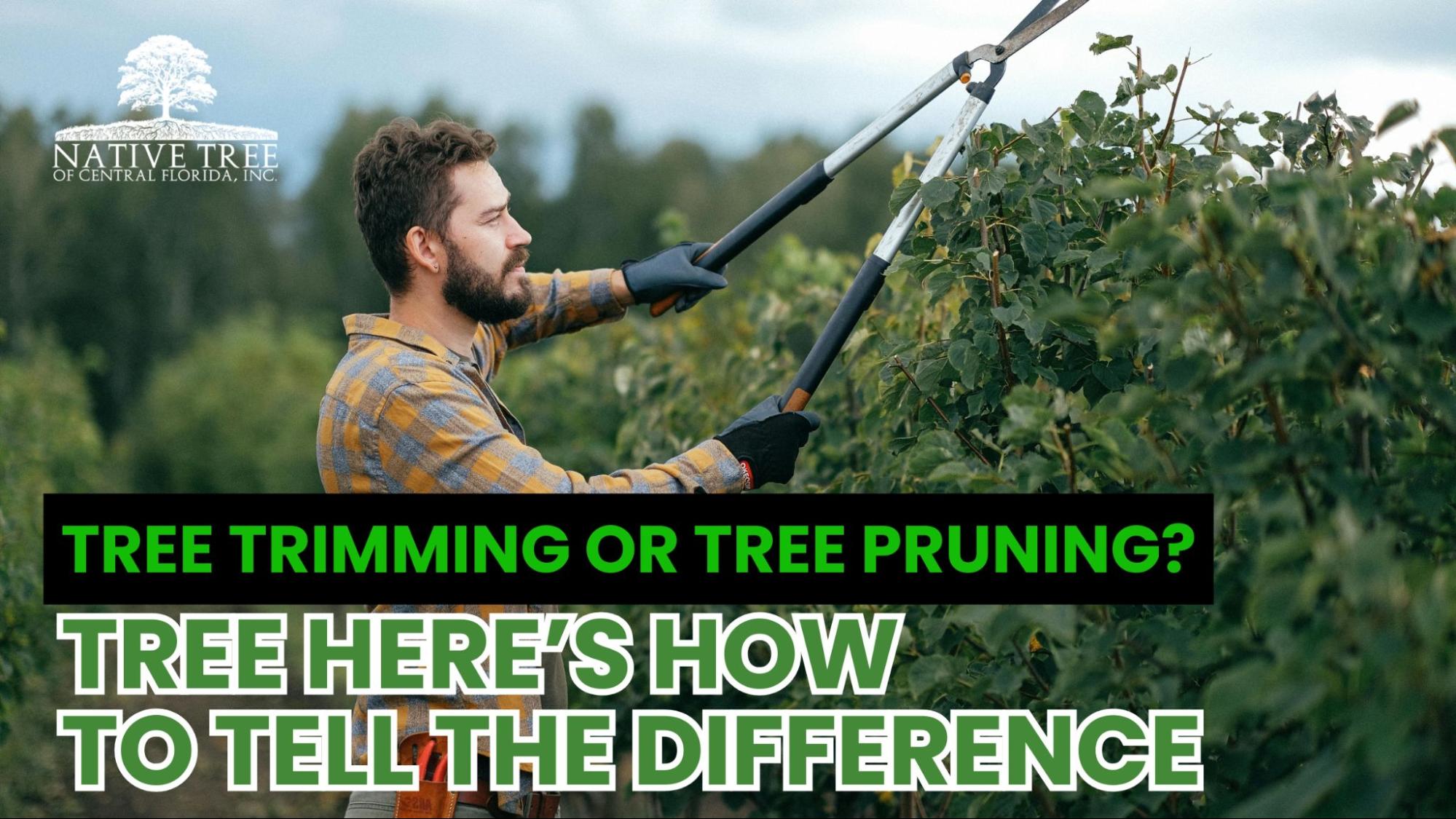
In the professional tree care industry, the terms ‘trimming‘ and ‘pruning‘ are often used interchangeably, but for your landscape, the distinction is vital. Whether you are managing Live Oaks, citrus, or decorative hedges in Central Florida, knowing whether your trees require selective pruning or precision tree trimming determines their long-term health and structural integrity. This guide clarifies the differences and helps you decide exactly when to request tree trimming services to enhance the beauty and resilience of your Central Florida property.
Table of Contents
The Core Difference: Trimming vs. Pruning
| Feature | Tree Trimming | Tree Pruning |
|---|---|---|
| Primary Goal | Aesthetics and Shaping | Health and Structural Integrity |
| Target Plants | Hedges, shrubs, ornamentals | Large trees, fruit trees, canopy trees |
| Methodology | Shearing for uniform growth | Selective cutting for diseased/weak wood |
| Central Florida Focus | Maintains formal landscapes | Prevents storm-related structural failure |
Why Central Florida Demands Specific Techniques
- Precision Pruning for Storm Safety: In Central Florida, tree pruning is a surgical process. By removing crossing branches and thinning the canopy, we allow hurricane-force winds to pass through, rather than catching the wind like a sail.
- Trimming for Growth Control: Our region’s high humidity and sunshine cause rapid, unruly growth in hedges. Tree trimming acts as a growth-regulator, keeping your ornamentals dense and preventing them from becoming “leggy” or vulnerable to pests.
- Disease Management: Poorly executed pruning creates large wounds that act as magnets for fungi in our humid environment. We apply professional-grade pruning techniques to ensure clean cuts that callouse over rapidly.
How to Know When Your Tree Needs Attention
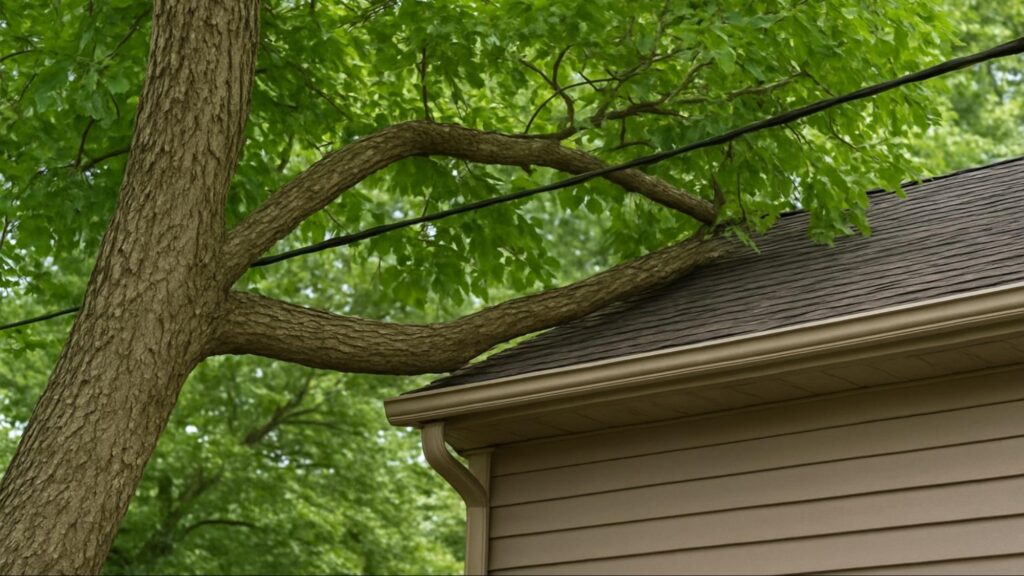
Branches Rubbing Against Your Home or Power Lines
When branches rub against your roof, walls, or power lines, they can cause scratches, damage, or even fire hazards. Regular trimming keeps branches at a safe distance and helps prevent costly repairs or accidents. Addressing the issue early protects both your property and your trees.
Dead, Weak, or Brittle Limbs
Branches that snap easily or lack leaves often signal disease, decay, or pest infestation. Removing them through proper pruning prevents the spread of damage and reduces the risk of falling limbs. Regular inspections help maintain tree health and safety. Read more about our specialized approach to tree pruning services.
Unbalanced Canopy Growth
If one side of your tree is heavier or more overgrown, it can lead to leaning or instability. Strategic pruning redistributes weight evenly and strengthens the tree’s structure. A balanced canopy also enhances appearance and resilience during storms.
Leaf Discoloration or Premature Leaf Drop
Yellowing, spotted, or falling leaves may indicate stress, disease, or poor soil conditions. Pruning affected branches improves air circulation and helps the tree recover faster. Monitoring leaf color regularly ensures continued growth and vitality.
Overgrown Limbs Blocking Sunlight or Pathways
Branches that block windows, sidewalks, or driveways can limit sunlight, airflow, and visibility. Regular trimming clears these areas and prevents safety hazards. Keeping limbs in check improves both your property’s aesthetics and safety.
Tree Care After Trimming or Pruning
Proper aftercare plays a critical role in helping your tree recover and thrive after trimming or pruning. Taking a few simple steps can promote healthy regrowth and prevent stress or disease.
- Water Consistently – Keep the soil evenly moist, especially during dry periods, to support the tree’s recovery process.
- Apply Mulch – Adding a layer of mulch around the base helps retain moisture, regulate soil temperature, and protect the roots.
- Watch for Pests and Disease – Fresh cuts can make trees more vulnerable. Monitor for signs of insect activity or fungal growth and address issues early. If you notice warning signs, learn more about common tree diseases.
- Avoid Over-Fertilizing – While nutrients are important, too much fertilizer immediately after trimming can overwhelm the tree.
- Monitor New Growth – Healthy regrowth is a good sign your tree is recovering well. Check periodically to ensure branches are developing properly.
Why Hire a Tree Pruning Service
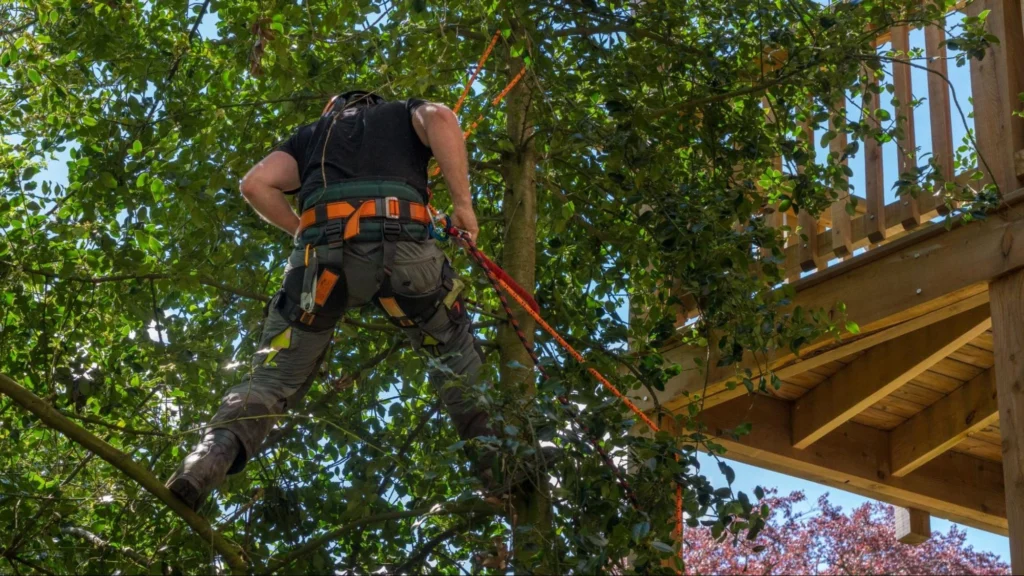
Hiring a certified tree pruning service ensures your trees are maintained safely and efficiently, especially when they’re close to structures or elevated areas. As seen in the image, professionals use specialized climbing equipment and protective gear to reach high or hard-to-access branches without causing damage to your property or the tree.
Their training allows them to make precise cuts that promote strong, balanced growth while preventing long-term structural issues. This expert approach keeps your trees healthy and enhances their natural beauty and strength.
Beyond the pruning itself, professional services include debris removal, safety inspections, and thorough cleanup to leave your yard looking neat and hazard-free. Trained specialists understand how to handle potentially dangerous tasks, such as cutting heavy branches near decks, roofs, or power lines, with the right tools and techniques. By hiring a trusted tree pruning service, you not only save time and effort but also ensure that your landscape remains both beautiful and safe for years to come.
Final Thoughts
Both tree trimming and pruning are essential parts of a healthy landscape. Trimming keeps your trees visually appealing, while pruning protects them from disease and decay. When done right, these techniques enhance your property’s safety and charm.
If you’re unsure where to start, contact a certified tree trimming service or tree pruning service near you. They’ll handle the job efficiently ensuring your trees grow stronger, safer, and more beautiful for years to come.
Know What Your Trees Really Need
Whether it’s trimming or pruning, our experts ensure your trees get the right care to stay healthy, balanced, and beautiful all year round.
Frequently Asked Questions
What is the main difference between tree trimming and tree pruning?
How often should I schedule tree trimming?
Most trees benefit from trimming once or twice a year, depending on their species and growth rate. Regular maintenance keeps your yard neat and prevents overgrowth.