

Key Takeaways
- Grinding leftover tree stumps is an efficient and less invasive way to clear your yard after storm damage or tree removal.
- Unlike full removal, this process eliminates the visible stump and part of the roots, keeping the yard level and neat.
- Leaving stumps can attract pests, cause regrowth, and pose safety hazards, making removal a practical and aesthetic investment.
- While DIY methods work for small stumps, professional services are safer, faster, and provide cleaner results.
- To find trusted experts, search “stump grinding near me” and compare licensed, insured companies with solid customer reviews.
- Hiring professionals saves time, reduces risks, and prepares your yard for replanting or new landscaping.
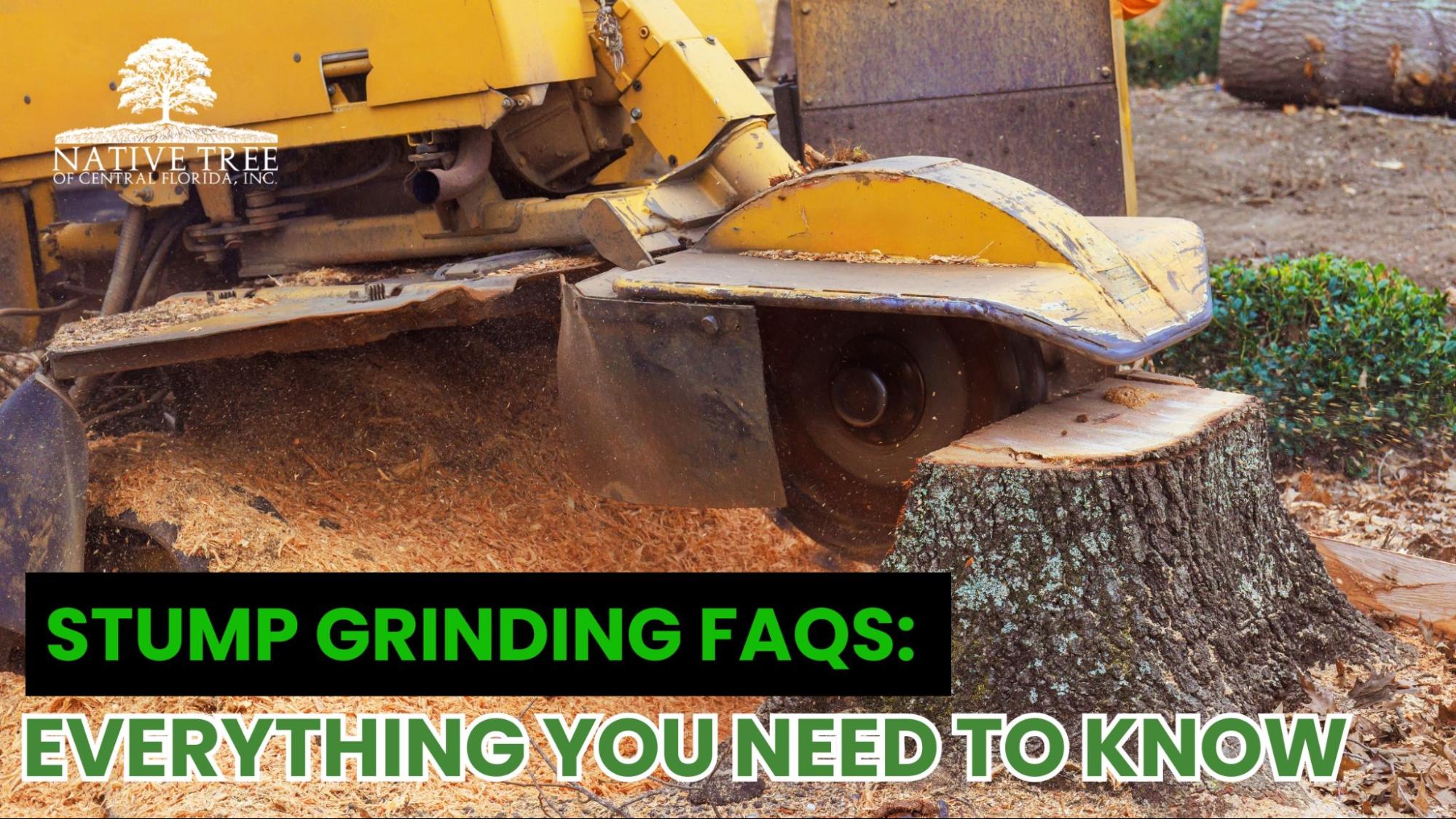
This technique focuses on eliminating the visible portion of the stump and parts of the root flare. Unlike complete stump removal, which extracts the entire root system, it’s quicker, less invasive, and leaves your yard looking clean, even, and ready for new growth.
Table of Contents
Why You Should Remove Tree Stumps
Leaving a tree stump behind might seem harmless at first, but over time it can cause several problems that affect your property’s safety, appearance, and overall health. Tree stumps pose tripping hazards, especially for children, elderly family members, or visitors, and they can also damage lawn mowers or other landscaping equipment.As they decay, stumps become breeding grounds for pests such as termites, carpenter ants, beetles, and fungi, which can spread to nearby trees or even your home. Certain tree species like maples and elms may also regrow from old stumps, leading to unwanted brush that competes with surrounding plants for nutrients and water.
In addition to these issues, old stumps disrupt the beauty and harmony of your yard, making it look neglected and reducing your property’s curb appeal. They also take up valuable space that could otherwise be used for new landscaping projects, such as planting trees, adding a patio, or creating a play area. Moreover, decaying stumps and exposed roots can loosen surrounding soil, increasing the risk of damage during strong winds or heavy rains.
By investing in professional stump grinding and removal, you not only enhance your yard’s appearance but also protect your property from pests, regrowth, and potential storm damage while reducing future maintenance problems.
Stump Grinding Cost: What to Expect

When removing a tree, one of the most common questions homeowners ask is how much the process of removing the stump costs. Prices vary based on several factors such as the size, type, and location of the stump, as well as the accessibility of your yard. Understanding these elements helps you make informed decisions and avoid unexpected expenses.
- Stump Size and Diameter – The size of the stump is the biggest factor affecting cost. Larger stumps require more time, energy, and equipment wear to remove completely. Most professionals charge by the inch, usually between $2 and $5 per inch of diameter measured across the widest part. For example, a 12-inch stump may cost about $60 to $120, while a 36-inch stump can cost $150 to $300 or more depending on depth and location.
- Depth of Removal – The standard depth is around 4 to 8 inches below the ground, enough to cover the area with soil or grass. However, if you plan to replant a tree, install sod, or pour concrete in the same spot, you’ll need deeper removal, sometimes up to 12 inches. Deeper work requires more labor, time, and fuel, which can add $50 to $100 to the total cost. Always clarify this detail with your contractor before starting the work.
- Location and Accessibility – The stump’s location and ease of access can greatly influence pricing. Stumps in open, flat areas are easier to reach, while those near fences, walls, or in rocky ground are more challenging. Limited access may require smaller equipment that takes longer to complete the job. Moving heavy machinery through narrow gates or up slopes can also increase labor costs. Sending photos or videos of the stump and surrounding area before hiring helps contractors give accurate quotes and avoid surprise fees.
- Root System Complexity – Different tree species have different root systems. Trees like oaks and maples have large, deep roots that take longer to remove, which may increase costs by $50 to $150 depending on conditions. Shallow-rooted trees such as pines or palms are faster and cheaper to handle.
- Cleanup and Disposal – The removal process produces a pile of wood chips and sawdust. Some homeowners keep these chips for mulch or compost, while others prefer them removed. Many services charge extra for debris removal, typically $50 to $100. To save money, you can request to keep the chips and spread them around your garden as mulch.
- Number of Stumps – If you have multiple stumps, most companies offer bulk discounts. The first stump is charged at full price, but each additional stump may be 20-50% cheaper. Scheduling all your stump removal work at once helps you save on overall costs.
- Regional Pricing Differences – Prices can vary by region. Urban areas generally have higher rates than rural ones due to cost of living and equipment transport. A stump that costs $200 in a small town might cost $300-$400 in a major city. To find fair pricing, search online for local providers and compare quotes.
DIY vs. Professional Stump Grinding: What Homeowners Should Know
When it comes to removing tree stumps, homeowners often weigh the benefits of doing the job themselves versus hiring a professional. While a DIY approach can seem cost-effective, it’s important to understand what each method involves in terms of safety, efficiency, and results. Here’s a detailed comparison to help you make an informed decision.
DIY Removal
- Lower Initial Cost – Renting a small grinder typically costs between $75 and $150 per day, making it more affordable for minor projects or single stumps. It’s practical if you already own landscaping tools and only need to remove a small, shallow stump.
- Flexible Scheduling – Doing the work yourself allows you to operate on your own time without waiting for an appointment. You have full control over when and how you complete the job, planning around your schedule and weather conditions.
- Good for Small or Easy Jobs – Smaller stumps under 10 inches in diameter in open areas are manageable using walk-behind grinders. This option suits light, straightforward work where accessibility isn’t an issue.
- Educational and Hands-On Experience – Handling the job yourself provides a better understanding of your soil, tree roots, and yard structure. It can also be a rewarding project for those who enjoy working outdoors and learning new skills.
- Safety and Limitations – Despite its appeal, DIY removal carries serious safety risks. The machines are heavy and powerful, requiring physical control, and inexperienced users can cause injuries or damage. Rental equipment is often less powerful than professional-grade tools, which can lead to incomplete results or stump regrowth.
Professional Removal
- Expertise and Safety Assurance – Certified professionals are trained to operate powerful machinery safely. They understand various tree types, root systems, and soil conditions, which helps reduce risks to property and underground utilities.
- High-Quality Equipment – Professionals use industrial-grade stump grinders that can handle any size or type of stump efficiently. These machines grind deeper and faster, leaving a clean, level surface ready for replanting or landscaping.
- Comprehensive Service – Most professional services include debris cleanup, backfilling, and disposal of wood chips. Some even offer soil preparation or reseeding, ensuring your yard is fully restored once the stump is gone.
- Time and Effort Savings – What might take a homeowner several hours or even days can usually be completed by a professional in under an hour. This saves time, physical effort, and potential frustration, especially for large or multiple stumps.
- Long-Term Value – Although hiring a professional costs more upfront, it prevents damage, ensures safety, and guarantees lasting results. Many companies also provide insurance coverage and satisfaction guarantees for added peace of mind.
How to Find a Stump Grinding Service Near You
Check Licenses and Insurance
Before hiring a Stump grinding service, always confirm that the company is properly licensed to perform tree and stump removal in your area. The work involves heavy machinery and potential risks like flying debris or hitting underground utilities. For your protection, ensure the company carries both liability insurance and worker’s compensation. This coverage protects you from property damage costs and shields workers in case of injury during the job.
Look for Experience and Credentials
Choose a company that specializes in professional stump removal rather than general landscaping. Ask how long they’ve been in business and whether they employ certified arborists or trained technicians. Experienced professionals understand the differences between tree species, root systems, and soil types, allowing them to complete the job safely and efficiently. Their expertise also ensures your property is protected from unnecessary damage during the process.
Read Reviews and Ask for References
Before committing, take time to research customer feedback on platforms like Google, Facebook, or Yelp. Consistent reviews mentioning reliability, timeliness, and thorough cleanup are good indicators of quality service. You can also ask the company directly for references or photos of completed projects. Reputable businesses are usually proud to show examples of their work and provide proof of satisfied customers.
Compare Detailed Estimates
When requesting quotes, give each contractor complete details about your project, including the number of stumps, their sizes, and how accessible they are. Reliable professionals will provide a written estimate that clearly breaks down grinding depth, hauling or cleanup fees, and any additional services such as root removal or soil backfilling. Comparing multiple detailed estimates helps you identify fair pricing and avoid hidden costs. It also gives you a clearer idea of which company offers the best value and transparency.
Inquire About Equipment and Techniques
Different stump sizes and locations require different types of equipment. Smaller stumps can be handled with compact grinders, while larger or deep-rooted ones may need industrial-grade machines. Ask the company what equipment they use and whether it can fit through gates or narrow areas on your property. Companies with modern, well-maintained tools typically deliver faster, cleaner, and more precise results.
Clarify the Process and Timeline
Before scheduling the service, make sure you fully understand what will happen from start to finish. Confirm how deep the contractor plans to grind and whether they’ll remove or leave the wood chips behind. You should also ask if they will backfill the hole with soil after grinding. Lastly, discuss the expected timeline so you know how long the job will take and when they can start.
Evaluate Customer Service
Pay close attention to how the company communicates during your initial inquiry. Professionals who respond promptly and explain their process clearly are often more reliable throughout the project. Good communication is a sign of strong customer service and accountability. Companies that take time to answer your questions and set clear expectations are more likely to provide a smooth, stress-free experience from start to finish.
What Happens During Stump Grinding
Site Inspection and Preparation
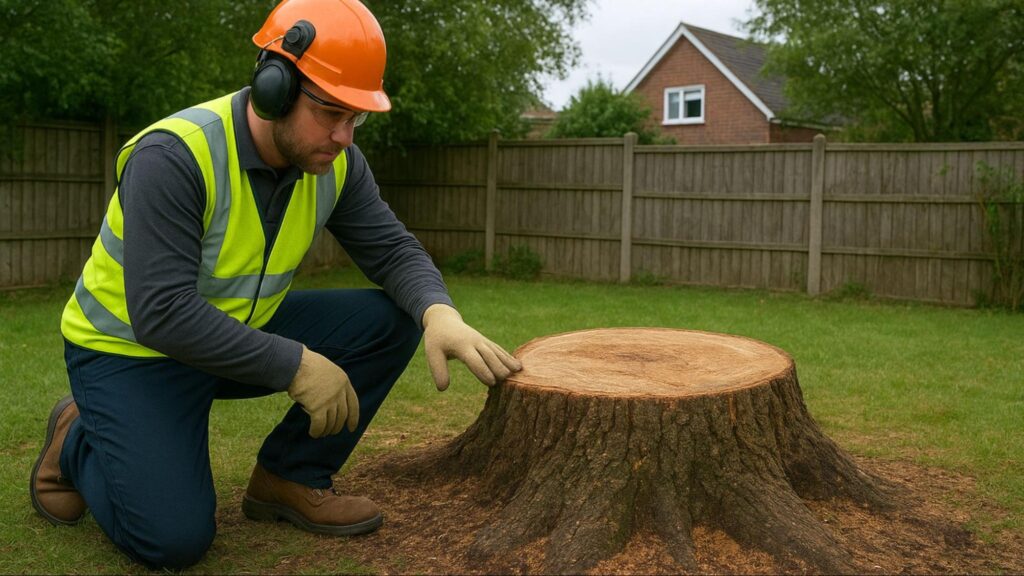
Before the work begins, the contractor conducts a site inspection to check for any obstacles such as rocks, fences, sprinkler systems, or buried utilities. If underground cables or water lines are present, these areas are marked to avoid damage during grinding. Homeowners may also be asked to clear away debris, toys, or furniture to create a safe and accessible workspace. This careful preparation ensures that the grinding process is efficient and free from avoidable hazards. Proper inspection helps protect both property and equipment from unnecessary accidents.
Equipment Setup
After inspection, the team sets up the stump grinder directly above the stump that needs removal. Depending on the yard’s size and accessibility, they might use a compact, self-propelled grinder for tight spaces or a larger tracked machine for open areas. Safety barriers are often installed around the site to prevent wood chips from hitting nearby windows, plants, or structures. The crew also checks that the machine is properly balanced and stable before starting the process. This setup step is vital for achieving precise and safe grinding results.
Grinding the Stump
Once everything is ready, the operator starts the stump grinder and slowly lowers the cutting wheel into the wood. The grinder’s rotating teeth shave off the stump in small layers, moving side to side until it reaches a depth of about 4–8 inches below ground level. Some contractors also grind surrounding roots to create a smoother, level surface. The process produces a mix of soil and wood chips that can later be reused or removed. By the end, the stump is completely reduced, leaving the area ready for cleanup or replanting.
Debris Management and Cleanup
After grinding, a pile of wood chips and sawdust remains where the stump once stood. Depending on your preference, the contractor can leave the wood chips on-site to be used as mulch or compost, or they can haul them away for an additional fee. Some companies even offer backfilling services, replacing the hole with fresh topsoil for landscaping or turf installation. The cleanup step ensures your yard looks neat and ready for its next project. Proper debris management also helps prevent pest attraction and keeps the area safe for children and pets.
Final Inspection and Finishing Touches
Once grinding and cleanup are complete, the contractor performs a final inspection of the area. They rake and smooth out the ground, ensuring the surface is even and the stump has been ground to the agreed depth. Some professionals may offer to apply grass seed or recommend suitable plants for the cleared space. The final check also confirms there are no large roots or leftover wood pieces. This step ensures the project meets quality standards and your yard is left in excellent condition.
Post-Grinding Recommendations
After the job, the contractor may give you advice on maintaining the area where the stump was removed. For instance, if you plan to plant a new tree, they might recommend waiting a few weeks for the wood chips to decompose fully. If the old stump was diseased, they’ll suggest safe disposal methods to prevent spreading pathogens to nearby plants. You may also be advised to monitor the area for potential regrowth, especially for tree species known to sprout again. These professional recommendations help ensure lasting results and protect your yard’s long-term health.
What Happens After Stump Grinding?
After stump grinding, the remaining wood is turned into small chips and left in the ground where the stump once stood. The result is a leveled area, but the roots below the surface usually remain and will gradually decay over time.
In most cases, homeowners can choose to either leave or reuse the wood chips as mulch for landscaping or request removal for a cleaner finish. If left in place, the chips will slowly break down and blend into the soil.
Grass can typically be planted over the area once the wood chips are removed or leveled and fresh soil is added on top. However, it’s recommended to wait for the ground to settle before laying new sod for best results. For more insight on how soil and yard recovery works after major tree work, you can also read our guide on post-storm tree recovery and landscape restoration.
Stump Grinding vs Stump Removal: Which Is Better?
Stump grinding and stump removal are two different methods of eliminating a tree stump, and the best option depends on your landscape goals.
Stump Grinding
This process uses specialized equipment to grind the stump down below ground level. It is faster, more affordable, and less disruptive to surrounding soil and landscaping. However, the root system remains underground and will naturally decay over time.
Stump Removal
Stump removal involves extracting the entire stump along with the root system. This method is more invasive, time-consuming, and expensive because it requires heavy excavation. It is typically used when construction, replanting large trees, or complete site clearing is needed.
Understanding when a tree should be fully removed rather than treated or maintained is important, especially in larger landscaping decisions. You can learn more about those situations in our article on how to identify hazardous trees and when removal is necessary.
Which Should You Choose?
Most homeowners choose stump grinding for its efficiency and minimal impact on the yard. Stump removal is usually only necessary when a completely clear underground space is required.
How Long Does Stump Grinding Take?
The time required for stump grinding depends on several factors, including the size of the stump, type of tree, and accessibility of the area.
Small stumps can often be removed in under an hour, while larger or older stumps may take several hours to fully grind down. Hard-to-reach locations or stumps near structures may also require additional time for careful maneuvering.
In most residential cases, stump grinding is completed within the same day, including basic cleanup of the area. One common concern is whether the stump will grow back. With proper stump grinding, regrowth is highly unlikely since the main trunk is fully removed below ground level.
Final Thoughts
Removing a tree stump is an essential step to restore your yard’s appearance, prevent pests, and reclaim usable space. While DIY methods may seem cheaper, hiring professionals with specialized machines ensures better results, greater safety, and long-term value for your property. These machines efficiently remove the remaining stump and roots, leaving the ground smooth and ready for replanting or landscaping.
When searching for a reliable provider, use keywords like “stump removal near me” or “tree stump service” to find experienced contractors in your area. Compare quotes, read reviews, and choose a team that’s licensed, insured, and equipped with high-quality stump grinders to get the job done right. Ready to remove that old tree stump and refresh your landscape? Contact your local professional service today for a free, no-obligation estimate and enjoy a cleaner, safer, and more beautiful yard.
Smooth Lawns, Strong Foundations
Clear away old stumps and make room for new growth. Our professional stump grinding service ensures a safer, cleaner, and more beautiful landscape, done right the first time.
Frequently Asked Questions