

Key Takeaways
- Tree trimming improves safety, tree health, and the beauty of your yard.
- Tree pruning focuses on removing diseased, dead, or weak branches to encourage healthy growth.
- The best time to prune trees is late winter to early spring when trees are dormant.
- Learning how to prune trees properly prevents long-term damage and disease.
- Avoid mistakes like topping trees, cutting too close to the trunk, or trimming too much at once.
- DIY tree care works for small jobs, but hire a tree trimmer service or professional tree removal service for large or risky tasks.
- Aftercare (watering, mulching, monitoring pests) helps trimmed trees recover faster and stay strong.
Maintaining a healthy landscape in Central Florida requires more than just a pair of shears. With our region’s intense storm seasons and unique tree species, tree trimming is a critical task for both safety and aesthetics.
At Native Tree of Central Florida, we have developed this guide to help you understand how to manage your trees—from Live Oaks to ornamental shrubs—to survive the heat, humidity, and high winds typical of the Central Florida climate.
Table of Contents
Why Tree Trimming Matters for Tree Care
Trees are living investments that provide shade, beauty, and even increase property value. However, when neglected, they can quickly become hazardous. Weak or overgrown branches may fall during storms, pests can thrive in dead or decaying wood, and poorly shaped trees can lose their natural beauty.
Regular tree trimming helps improve air circulation and sunlight exposure, encourages strong and balanced growth, reduces the risk of falling limbs, and prevents diseases from spreading. In essence, tree trimming is both an art and a science, when done with care, it enhances the health of your trees and the overall beauty of your yard.
The Central Florida Trimming Calendar
| Season | Trimming Goal | Focus Area |
|---|---|---|
| Winter (Dormant) | Structural Pruning | Best for major shaping and removing deadwood. |
| Spring (Pre-Growth) | Health Maintenance | Corrective pruning before the heavy summer rain. |
| Summer | Hazard Mitigation | Remove weak/crossing branches before storm season. |
| Fall | Cleanup | Light maintenance to prepare for winter dry season. |
Why Central Florida Tree Trimming is Different
- Hurricane Resilience: Unlike other regions, our pruning focuses heavily on “canopy thinning” to reduce wind resistance, helping trees withstand Central Florida’s hurricane-force winds.
- Disease Prevention: Improper tree trimming leaves open wounds that are entry points for fungi, which thrive in our high humidity. We use clean, professional-grade cuts to ensure rapid callousing.
- Species-Specific Care: From the specific canopy structure of the Laurel Oak to the delicate requirements of young palms, Central Florida species require tailored pruning techniques to prevent structural failure.
Tree Trimming vs. Tree Pruning: What’s the Difference?
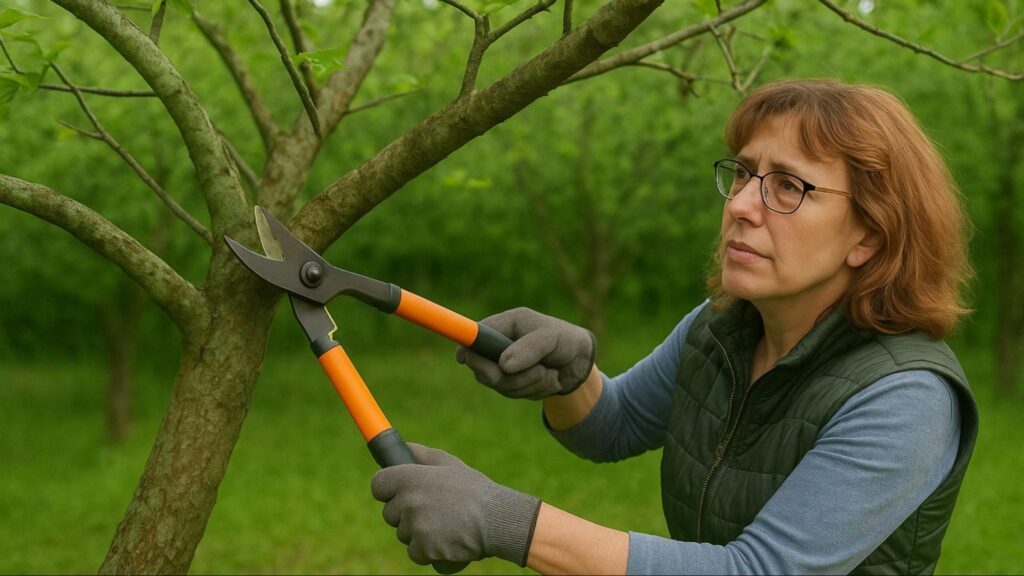
People often use the terms tree trimming and tree pruning interchangeably, but they are not the same.
- Tree trimming focuses on shaping trees and removing overgrowth for aesthetics and safety.People often use the terms tree trimming and tree pruning interchangeably, but they actually mean different things. Tree trimming focuses on shaping trees and controlling overgrowth to maintain a neat appearance and ensure safety. It helps prevent branches from interfering with roofs, power lines, or nearby structures while enhancing the overall look of your landscape.
- Tree pruning on the other hand, is done to maintain tree health by removing dead, diseased, or weak branches. This process promotes stronger growth, improves structure, and prevents the spread of decay or pests. Both practices are essential to proper tree care, and knowing when to trim versus when to prune helps your trees thrive throughout the year.
Key Takeaways for Landscape Safety
- Safety First: If a limb is near a power line or requires a chainsaw above shoulder height, it is time to call a professional arborist.
- Strategic Thinning: Proper tree trimming in Central Florida should aim to reduce crown density, allowing wind to pass through the tree rather than catching it like a sail.
- Clean Tools Matter: Always sanitize trimming equipment between trees to stop the spread of localized pathogens common in our area.
- Long-Term Health: Consistent, light pruning is far superior to “topping” a tree, which severely stresses the tree and promotes dangerous, weak-wood growth.
How to Know When DIY Tree Care Isn’t Enough
Taking care of your trees on your own can be rewarding, but there are times when it’s best to let professionals step in. Knowing the limits of DIY tree care helps you protect your safety, your property, and your trees’ long-term health. Here’s when it’s time to call a certified tree care expert.
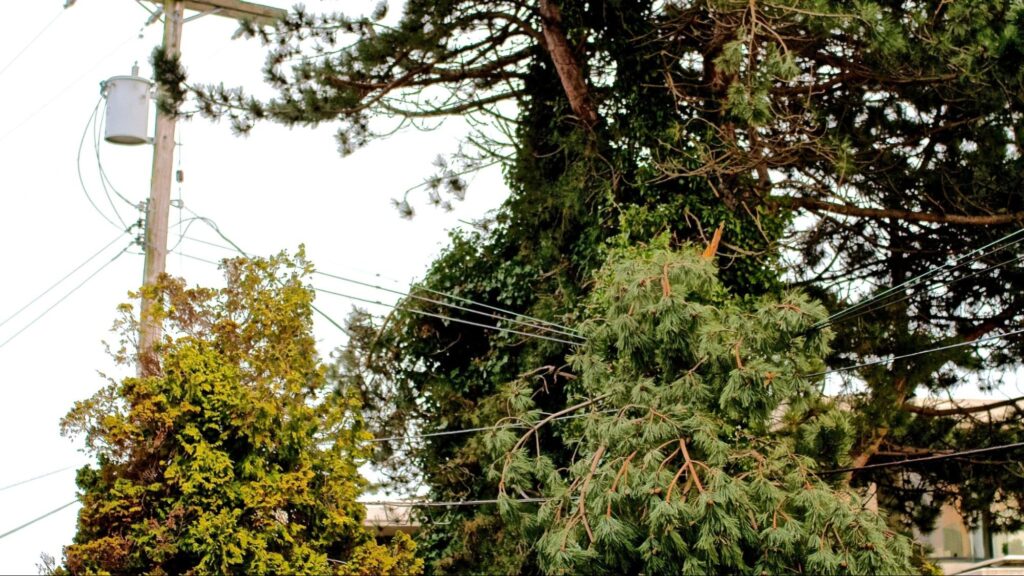
Trees Growing Near Power Lines or Structures
If a tree’s branches are getting close to power lines, your roof, or nearby fences, it’s time to call the pros. These situations require special safety precautions to prevent property damage or electrical hazards. Certified arborists know how to trim safely around structures while keeping both your home and the tree protected.
Large or Hard-to-Reach Branches
When branches are too thick or high up, trimming them yourself can be risky. Using ladders or power tools without proper training may lead to injury or tree damage. Professional tree trimmers have the right equipment and experience to safely reach high branches and make clean cuts that promote healthy growth.
Uncertainty About Pruning Techniques
Not everyone knows the correct way to prune without harming a tree, and that’s okay. If you’re uncertain where or how much to cut, it’s best to leave it to an expert. Professionals can identify problem branches and use proper pruning techniques to maintain your tree’s structure and vitality.
Signs of Tree Disease or Instability
When you notice cracks in the trunk, fungus growth, or a tree leaning to one side, it could indicate a serious problem. These are often warning signs of disease or structural weakness that require professional evaluation. Arborists can determine if your tree can be treated or if it poses a safety risk that needs removal.
Tree Removal as the Safest Option
If a tree is severely damaged, dead, or beyond recovery, removal might be the only safe solution. Attempting to cut it down on your own can be dangerous, especially for large or unstable trees. Tree removal specialists have the tools, skills, and safety gear to handle the process efficiently and securely.
When to Call a Professional Tree Removal Service
Sometimes trimming and pruning aren’t enough. If a tree is diseased beyond recovery, leaning dangerously, or damaged by storms, it may be time for removal. Professional tree removal service providers have the equipment and expertise to do this safely. Never attempt large tree removals on your own, it’s one of the most dangerous DIY yard projects.
Final Thoughts
Tree trimming and pruning trees may seem simple, but proper technique makes all the difference. Knowing how to prune trees at the right time helps them stay healthy, balanced, and safe. For small jobs, homeowners can handle basic trimming with the right tools and care. For larger or more complex situations, calling a professional tree trimmer service or tree removal service ensures the job is done safely and effectively.
Regular trimming is an investment in both tree care and the overall beauty of your yard. With the right balance of DIY maintenance and professional help, your trees will stay strong, healthy, and beautiful for years to come.
Keep Your Trees Strong and Beautiful
Regular trimming keeps your trees safe, healthy, and looking their best. Let our experts handle the care your landscape deserves.
Frequently Asked Questions
What is the difference between tree trimming and tree pruning?
Tree trimming shapes and manages overgrowth for safety and aesthetics, while tree pruning removes dead, diseased, or weak branches to improve tree health. Both are vital parts of proper tree care.
When is the best time for pruning trees?
The ideal time is late winter to early spring, when trees are dormant and can heal faster. Summer pruning can help shape trees, but avoid fall pruning since cuts may not heal well.
How do I know how to prune trees correctly?
Start by removing dead, damaged, or crossing branches. Always cut at the branch collar (not flush with the trunk), use clean tools, and avoid over-trimming.
Do I need a professional tree trimmer service or can I do it myself?
You can DIY small pruning jobs, but hire a tree trimmer service if branches are large, near power lines, or if the tree is diseased. For dangerous or dying trees, a professional tree removal service is the safest choice.
What tools are best for tree trimming?
Use hand pruners for small branches, loppers for medium cuts, pruning saws for larger limbs, and pole pruners for tall trees. Always wear protective gear.
How do I care for trees after pruning?
Water during dry spells, apply mulch around the base (not against the trunk), and monitor for pests or disease. Avoid heavy fertilization immediately after pruning.