
Key Takeaways
- Tree leaves are vital indicators of health. Yellow, brown, or black leaves often signal nutrient deficiencies, disease, pests, or environmental stress.
- Early diagnosis prevents serious damage. Inspect leaves and branches, check soil conditions, evaluate watering practices, and consult an arborist if needed.
- Proper tree care is essential. Consistent watering, mulching, pruning, and soil maintenance improve resilience against leaf discoloration.
- Fungal and bacterial diseases cause blackened leaves. Treat with fungicides or bactericides and practice good sanitation to prevent reinfection.
- Pest management is critical. Soft-bodied insects and sap-feeding pests can weaken trees and promote sooty mold on leaves.
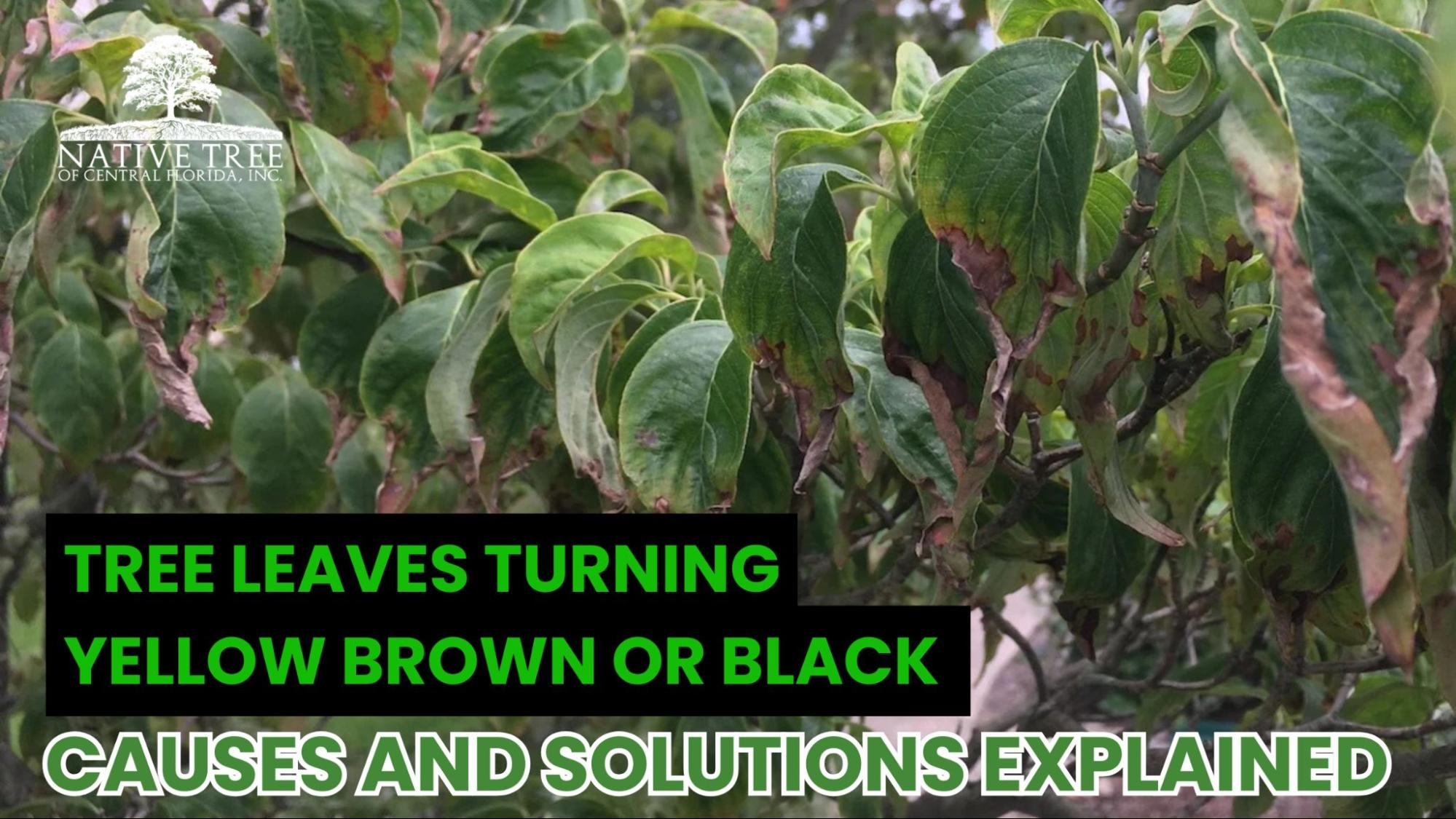
Fungal and bacterial diseases darken leaves, while pests weaken trees and promote sooty mold. Recognizing color changes early helps prevent decline and maintain long-term health. Whether caused by nutrient shortage, pests, overwatering, or fungal infection, each problem has a specific solution.
Are your tree leaves suddenly changing color?
Yellowing, browning, or black spots often signal root rot, severe nutrient deficiencies, or active pest infestations.
📞 Call Native Tree CF Today: (352) 561-3626 or Request an On-Site Tree Health Assessment in Ocala
Table of Contents
Understanding Tree Leaf Discoloration
Yellow Leaves (Chlorosis)
Yellowing leaves often indicate chlorosis, when trees produce insufficient chlorophyll, the green pigment essential for photosynthesis. Without it, trees weaken over time.
- Nutrient Deficiencies – Trees need nitrogen, iron, and magnesium. Nitrogen deficiency yellows older leaves first; iron deficiency causes yellowing between veins; magnesium deficiency starts at leaf edges.
- Poor Soil Drainage – Roots need oxygen to absorb water and nutrients. Waterlogged soil deprives roots of oxygen, leading to yellowing and eventual root rot, common in clay or compacted soils.
- Root Damage – Construction, soil compaction, or heavy traffic can injure roots, reducing nutrient uptake and causing yellowing foliage. Damaged roots also invite pests and diseases.
- Soil pH Imbalance – Soil that’s too acidic or alkaline locks nutrients away from roots. For example, iron may be present but unavailable in alkaline soil, causing chlorosis even when nutrients are adequate.
Brown or Black Leaves
Brown or black leaves usually signal tissue damage, severe disease, or pest infestation.
- Fungal Diseases – Anthracnose, leaf spot, and tar spot cause dark blotches or irregular lesions, thriving in wet, humid conditions and leading to early leaf drop. Regular pruning, sanitation, and fungicide applications help control them.
- Bacterial Infections – Fire blight and other bacterial diseases blacken leaves, shoots, and flowers, often with sticky ooze. They spread in warm, moist weather and can kill young branches. Remove infected parts promptly.
- Environmental Stress – Extreme temperatures, frost, or pollution can scorch or blacken leaves. Heatwaves cause leaf scorch, while pollutants like ozone or sulfur dioxide gradually darken foliage, especially on sun-exposed areas.
- Pests – Aphids, scales, and whiteflies feed on sap and excrete honeydew, promoting black sooty mold. Though the mold isn’t lethal, it blocks photosynthesis and weakens trees. Early pest control prevents build up and long-term damage.
Fungal leaf spot and root rot can quickly spread to neighboring healthy trees if left unmanaged. If you notice rapid leaf blackening or trunk oozing, learn more about our Ocala Tree Health & Disease Diagnostic Services or schedule an inspection with an ISA-Certified Arborist.
Premature Leaf Drop
Seasonal shedding is normal, but early leaf loss signals stress from water, nutrients, or structure.
- Diseases or Fungi – Severe infections can trigger early leaf drop, even before visible symptoms. Regular monitoring and treatment minimize loss.
- Insect Infestations – Heavy pest activity from caterpillars or sap feeders weakens trees, causing premature shedding and reducing energy production.
- Environmental Changes – Sudden drought, heat, or frost can cause leaves to fall as a survival response. Poor soil or nutrient imbalance worsens the stress.
Tree Leaf Symptoms by Pattern: What Your Tree Is Telling You
Not all leaf discoloration appears the same and those differences can help you quickly identify the root cause. By observing patterns, colors, and where the damage appears, you can better understand what your tree needs.
Yellow Leaves with Green Veins (Interveinal Chlorosis)
When leaves turn yellow but the veins remain green, your tree may be experiencing nutrient deficiencies, particularly iron or manganese. This is often caused by compacted soil or improper pH levels that prevent nutrient absorption.
Brown Edges or Crispy Leaf Tips
Leaves with dry, brown edges or scorched tips typically indicate water stress. This can result from underwatering, extreme heat, or inconsistent watering habits. In some cases, root damage may also limit the tree’s ability to absorb moisture.
Black Spots, Patches, or Blotches
Dark spots or irregular black patches on leaves are often a sign of fungal infections, such as leaf spot diseases or anthracnose. These issues are more common in humid climates or during extended rainy periods.
Entire Leaves Turning Yellow or Dropping Early
If whole leaves turn yellow and fall off prematurely, your tree could be suffering from overwatering, poor drainage, or root stress. Nitrogen deficiency may also cause widespread yellowing, especially in older leaves.
Leaves Curling, Wilting, or Distorting
Leaves that curl, wilt, or appear misshapen may be under attack from pests like aphids or mites, or affected by environmental stress such as heat and wind exposure.
Pro Tip: Always check where the damage starts (top vs. bottom leaves, inner vs. outer canopy). These patterns can provide valuable clues for accurate diagnosis.
Get an Accurate Diagnosis Before Applying Treatments
Misidentifying a fungal disease or applying the wrong fertilizer can cause further stress to an already weak tree. Let our certified team pinpoint the exact issue and apply targeted treatments.
Diagnosing the Problem
Inspect Leaves and Branches
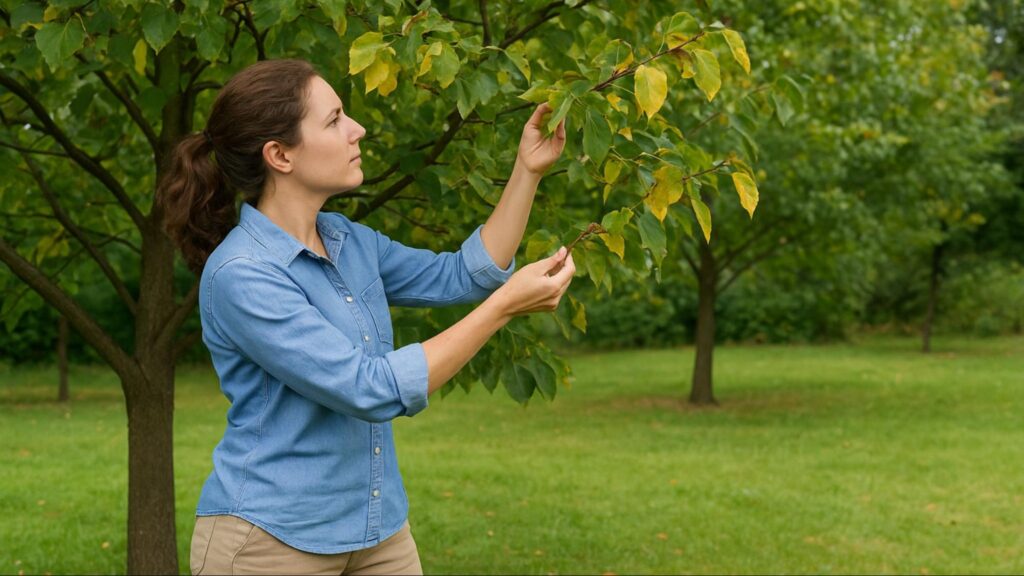
Leaves and branches reveal early signs of disease, pests, or stress. Fungal or bacterial spots appear as dark marks or yellow halos. Uniform yellowing points to nutrient deficiency; patchy discoloration often signals disease or sunburn. Holes, curls, sticky residue, or fine webs indicate pests like caterpillars, aphids, or mites. Brittle branches or oozing sap suggest infection or injury. Observation helps determine if the issue is localized or widespread.
Check Soil Conditions
Healthy soil provides water, oxygen, and nutrients. Poor soil can mimic disease symptoms, making soil testing essential. Each tree species prefers a specific pH; extremes prevent nutrient absorption. Test pH with a kit and correct imbalances. Check drainage, if water remains for hours in a test hole, it’s poor. Deficiencies in nitrogen, phosphorus, or potassium can be detected through testing.
Evaluate Watering Practices
Watering affects tree health more than most factors. Overwatering causes yellowing, wilting despite moist soil, and root rot. Underwatering leads to brittle, curled leaves and early drop. The best method is deep, infrequent watering, allowing soil to dry slightly between sessions to encourage deep root growth.
Seek Professional Advice
If problems persist, consult a certified arborist. They can diagnose infections, pest infestations, or structural issues through sap or soil analysis and develop a custom care plan including pruning, pest control, or soil improvement for recovery.
When to Worry: Signs Your Tree May Be in Serious Trouble
While occasional yellowing or browning is a normal part of a tree’s life cycle, certain symptoms may indicate a more serious issue that requires immediate attention.
Rapid Discoloration Across the Entire Tree
If leaves across the entire canopy change color quickly, it may signal severe stress, such as root damage, transplant shock, or disease.
Leaves Turning Black or Falling Off Prematurely
Blackened leaves or early leaf drop can point to advanced fungal infections, bacterial diseases, or root rot, especially if accompanied by soggy soil.
Bare Branches During Growing Season
Healthy trees should be full of foliage during the growing season. Bare or thinning branches may indicate decline, disease, or internal damage.
Soft, Rotting Roots or Foul-Smelling Soil
If the soil smells sour or roots appear soft and decayed, your tree may be suffering from root rot due to overwatering or poor drainage.
Cracks, Cankers, or Oozing on the Trunk
Visible damage on the trunk, such as splits, sunken areas, or leaking sap, can be a sign of serious disease or structural weakness.
Solutions for Tree Leaf Problems
Proper Tree Care
Healthy trees resist stress, disease, and pests. Consistent tree care practices, such as proper watering, avoiding soggy soil, and applying mulch to retain moisture and regulate temperature, help maintain vitality.
Treating Fungal and Bacterial Diseases
Fungal and bacterial infections cause many dark leaf issues. Early treatment prevents spread. Apply fungicides or bactericides as directed. Practice sanitation by removing fallen leaves and infected debris to break disease cycles.
Pest Management
Pests weaken trees and cause discoloration. Insecticidal soaps and horticultural oils control soft-bodied insects like aphids and scales. Encourage beneficial insects such as ladybugs for natural control.
Soil and Nutrient Management
Strong roots start with healthy soil. Test regularly to maintain optimal pH and nutrient balance. Apply fertilizer as needed and enrich soil with compost to boost nutrients and beneficial microbes.
Caring for Trees with Black Leaves
Remove affected leaves and dispose of blackened foliage to stop disease spread. Disinfect pruning tools between cuts. Apply targeted fungicides or bactericides for the specific problem. Fungicides help manage anthracnose or tar spot; copper-based sprays treat bacterial infections like fire blight. Follow safety directions carefully. Water adequately but avoid saturation, and fertilize according to soil test results.
Preventing Leaf Discoloration
Choose disease-resistant trees suited to your local climate and soil. Plant in well-draining soil with balanced pH and proper nutrients. Match sunlight requirements, some trees prefer full sun, others partial shade. Water deeply but infrequently, and fertilize based on soil test results. Remove dead branches and debris to eliminate pest and disease habitats.
Black Spot Leaf Disease
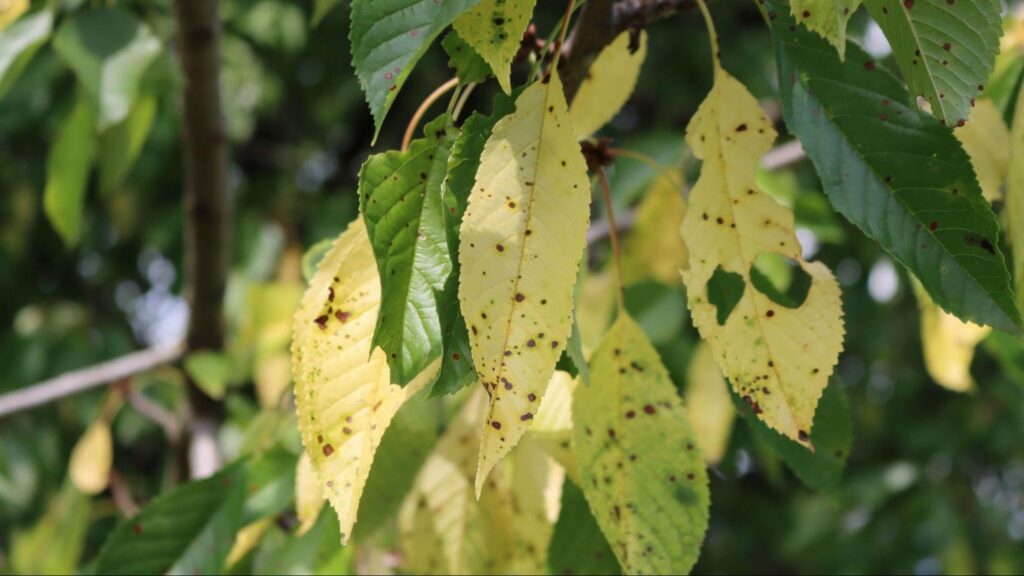
Black spot leaf disease is one of the most common fungal problems affecting trees and ornamental plants. Characterized by round or irregular black spots, it weakens trees over time by disrupting photosynthesis.
- Conditions Favoring Infection – Prolonged leaf wetness, poor air circulation, overcrowding, and fallen infected leaves promote infection.
- Symptoms – Small circular black or brown spots enlarge with fringed edges and merge into larger patches. In advanced stages, leaves yellow and drop early, weakening the tree.
- Treatment and Control – Remove and discard infected leaves, avoid composting. Improve airflow by pruning dense branches, and apply sulfur- or copper-based fungicides at the first signs of infection.
- Prevention – Plant resistant varieties, sanitize pruning tools after each use, and perform seasonal cleanups to remove fallen leaves and dormant spores before winter.
Conclusion
Tree leaves turning yellow, brown, or black warn that your tree needs care. Understanding causes and applying proper maintenance restores health and beauty. Regular monitoring, prompt treatment, and preventive practices keep trees strong and vibrant. Healthy trees not only enhance your landscape but also support environmental balance and property value.
Bring Back Your Tree’s Natural Color
Discolored leaves are often a warning sign — but you don’t have to handle it alone. From diagnosing the cause to delivering the right treatment, our experts are here to restore your tree’s health and keep your landscape thriving.Frequently Asked Questions
Why are my tree leaves turning yellow, brown, or black?
Color changes signal nutrient deficiencies, drainage issues, root damage, infections, pests, or environmental stress.
What should I do if I notice black leaves?
Remove affected leaves, apply fungicides or bactericides if needed, maintain proper watering and nutrients, and monitor regularly.
Can trees recover from black or brown leaves?
Yes. With proper care, disease control, soil improvement, and pest management, most trees can recover.
How can I prevent leaf discoloration?
Choose resistant species, plant in suitable soil and light, maintain watering and fertilization, and prune regularly.
Are all black leaves caused by disease?
Not always. Environmental stress, pollution, or pests can also cause blackening.