
Key Takeaways
- Tree roots are critical for a tree’s stability, nutrient absorption, and overall health. Construction activity can damage them even if it occurs several feet away from the trunk.
- Conducting a tree risk assessment before construction helps identify which trees can be preserved and how to protect trees and their roots.
- Identifying and protecting the Critical Root Zone (CRZ) is essential to avoid root damage from excavation, heavy machinery, or foot traffic.
- Strategies to protect roots include creating tree protection zones, minimizing soil compaction, careful excavation, proper drainage, and safeguarding tree trunks.
- Post-construction tree care such as watering, mulching, monitoring for stress, and long-term maintenance ensures trees recover and thrive.
Construction projects can greatly change the landscape but often pose serious risks to nearby trees. Heavy machinery, soil compaction, and drainage changes can damage roots and weaken stability and health. Even small activities can cause long-term stress, decline, or tree loss.
Protecting tree roots during construction preserves natural beauty, maintains environmental balance, and ensures compliance with local regulations. By setting up protective barriers, limiting root disturbance, and consulting certified arborists, developers safeguard both trees and project success.
Table of Contents
Understanding the Importance of Tree Roots
Tree roots provide stability, absorb nutrients, and store energy. Because they extend far beyond the canopy, construction even a few feet from the trunk can cause major damage. Root disturbance reduces nutrient uptake, stunts growth, and destabilizes the tree. Each species has unique root patterns, some shallow, others deep, so proper tree care starts with understanding the root system before excavation or grading begins. Protecting roots helps trees stay strong long after construction ends.
Assessing Tree Health Before Construction
Before any work starts, a professional tree risk assessment determines which trees can be preserved. A certified arborist evaluates species, age, health, and proximity to the work zone to identify viable trees and avoid hazards.
The Critical Root Zone (CRZ) contains most of the roots vital for stability. A general rule is to protect one foot of radius for every inch of trunk diameter. Mark and fence this area to keep out machinery and foot traffic. Proper assessment and CRZ protection ensure effective preservation and healthy, stable trees during and after construction.
Common Mistakes That Kill Trees During Construction
Construction damage isn’t always immediately visible. In many cases, trees begin to decline months, or even years, after a project is completed due to hidden protecting root damage that occurred during construction..
Here are the most common mistakes to avoid:
Parking Heavy Equipment Near Trees
Heavy machinery compresses the soil, reducing the oxygen and water available to tree roots. This process, known as soil compaction, is one of the leading causes of tree decline during construction.
Cutting Major Roots Without Planning
Large roots are essential for a tree’s stability and nutrient uptake. Cutting them without proper assessment can weaken the tree structurally and affect its long-term health.
Changing Soil Levels Around the Tree
Adding soil over roots can suffocate them, while removing soil can expose roots to air and heat. Even small grade changes can significantly impact a tree’s survival.
Using the Root Zone as a Storage Area
Storing construction materials, debris, or tools within the root zone can damage roots and degrade soil quality over time.
Avoiding these mistakes is often more effective than trying to fix damage after it occurs.
Strategies to Protect Trees and Roots During Construction
Establish Tree Protection Zones
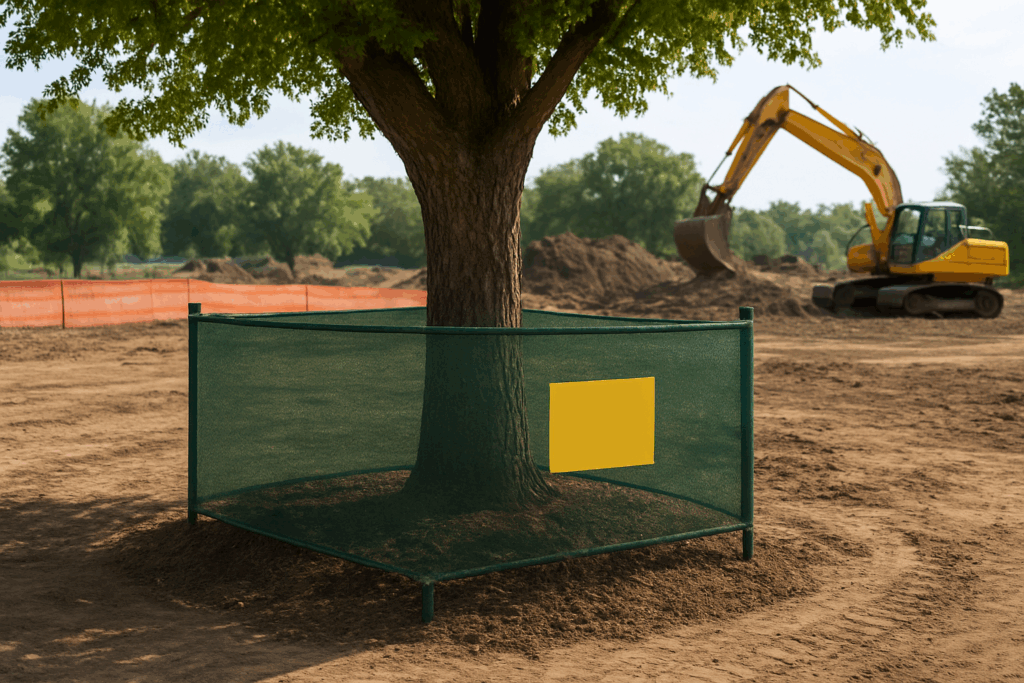
Install durable fencing such as chain-link or orange barriers around the CRZ and mark them “Tree Protection Zone.” Early setup prevents root damage and trunk injuries. Inspect regularly to ensure the barriers remain effective.
Minimize Soil Compaction
Compacted soil restricts oxygen and water. Limit vehicle and foot traffic in protected zones. If access is unavoidable, use ground mats or wooden planks to distribute weight. Keeping soil loose supports healthy root function and long-term vitality.
Avoid Root Damage
Excavation near trees should be done carefully using hand tools or air excavation. Cover exposed roots with moist burlap to prevent drying. Never cut large roots unless absolutely necessary, they’re essential for stability and nutrient transport.
Manage Drainage
Construction can alter natural water flow, causing poor drainage or waterlogging that suffocates roots. Install temporary drainage systems to redirect excess water. Maintaining balanced moisture prevents decay and promotes long-term soil health.
Protect Tree Trunks
Trunks are easily damaged by machinery. Wrap them with corrugated pipes or wooden planks to prevent scraping or crushing. Extend protection to all contact points. This simple step prevents disease, decay, and costly repairs.
Temporary Tree Support
Trees near active work zones may need temporary staking, cabling, or bracing to prevent leaning or uprooting. Supports should not constrict growth and must be checked regularly. Remove them once construction ends to avoid long-term stress.
Integrating Tree-Friendly Site Design and Landscaping
Early Planning and Design Integration
Tree preservation should begin in the design stage. Collaboration among architects, engineers, and arborists allows the project to adapt around valuable trees. Early planning reduces removals and supports both sustainability and aesthetics.
Minimizing Disturbance to the CRZ
Adjust building layouts, utilities, and pathways to avoid CRZs. Respecting this area preserves stability and long-term health. Integrating CRZ protection into early design prevents costly restoration later.
Using Tree-Supportive Materials
Choose materials that support root health. Permeable paving like porous concrete or gravel allows water and air to reach the soil. Avoid impermeable surfaces that trap runoff and compact soil.
Protective Landscaping Practices
After construction, restore soil and protect roots with mulch rings or ground covers to prevent erosion and regulate moisture. Root barriers help limit future disturbances from utilities or landscaping changes.
Promoting Sustainability and Aesthetic Value
Tree-friendly design enhances both environmental health and visual appeal. Mature trees provide shade, improve air quality, and increase property value. Balancing development with nature supports long-term sustainability and community well-being.
Educating Construction Teams
- Importance of Awareness – Tree protection begins with awareness. Workers should understand how construction affects roots and CRZs to prevent unintentional damage.
- Training and Best Practices – Provide training sessions on minimizing excavation near roots, avoiding compaction, and respecting fenced-off zones. Use on-site demonstrations, signage, and arborist supervision to reinforce best practices.
- Benefits of a Knowledgeable Team – Educated teams reduce costly mistakes and maintain compliance. Understanding how root injury causes instability and decline builds accountability. A knowledgeable crew ensures that tree protection strategies are followed effectively throughout the project.
Ongoing Monitoring and Communication
Tree protection requires regular inspection and open communication. Site supervisors or arborists should check for soil compaction, broken barriers, or stressed trees. Immediate corrective action prevents lasting damage. Monitor soil moisture, especially when drainage changes occur. Consistent communication among contractors, landscapers, and arborists allows quick responses to issues. Photo documentation and progress reports reinforce accountability and environmental care.
Post-Construction Tree Care
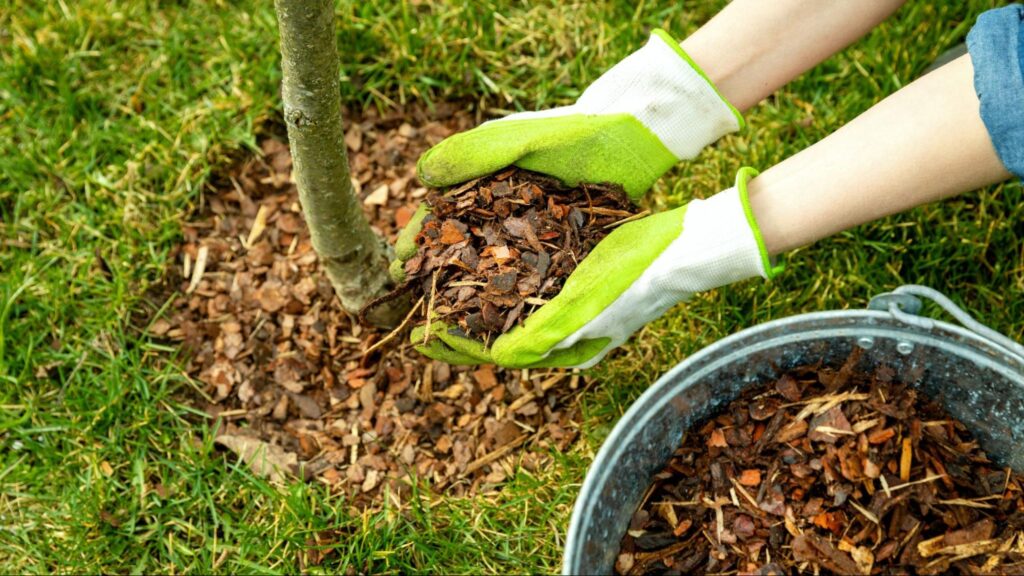
- Watering and Mulching – Deep watering during dry periods replenishes roots. Apply mulch around the base to retain moisture, regulate temperature, and add nutrients, but keep it away from the trunk.
- Monitoring Tree Health – Watch for yellowing leaves, wilting, or early leaf drop as signs of stress. Address issues promptly to prevent decline and encourage recovery.
- Long-Term Maintenance – Continue periodic pruning, fertilization, and pest management to maintain resilience. Healthy trees enhance property value and environmental stability.
- Consult a Professional Arborist – If you notice signs of decline, a certified arborist can assess the tree’s condition and recommend proper treatment or corrective measures.
Think of post-construction care as recovery, without it, even well-protected trees may not fully bounce back.
Soil Restoration and Rehabilitation
Construction often leaves soil compacted and nutrient-poor. Aeration methods like air spading or vertical mulching loosen soil without harming roots. Add organic compost to improve fertility and microbial activity, supporting fine root growth. Conduct soil tests to identify pH or nutrient issues. Apply gypsum, mulch, or biochar as needed to improve structure and drainage.
Legal and Community Considerations
Many municipalities have tree protection ordinances or Tree Preservation Orders (TPOs). Violations can lead to fines or replanting requirements. Understanding these regulations before starting work prevents legal and financial problems. Beyond compliance, preserving trees benefits the entire community. Trees reduce heat, filter air, and manage stormwater while supporting wildlife. Protecting root systems sustains biodiversity and enhances neighborhood aesthetics, promoting environmental stewardship for future generations.
Conclusion
Protecting trees during construction requires planning, monitoring, and continued care. Understanding the tree root system, marking CRZs, and applying effective protection strategies prevent damage from compaction, excavation, and drainage changes. Early collaboration between arborists and construction teams, combined with education, soil restoration, and long-term maintenance, ensures that preservation goals are achieved. Healthy trees enhance air quality, property value, and community beauty. By prioritizing tree protection at every stage of development, progress and nature can thrive together.
Protect Your Trees During Construction
Building or renovating? Keep your trees safe from hidden damage. Our experts can help you plan, protect, and preserve your landscape every step of the way.Frequently Asked Questions