
Key Takeaways
- Bark shedding in summer is often a normal growth process, but it can also signal stress depending on the tree species and pattern.
- In Central Florida’s hot, humid climate, many trees naturally shed bark as they expand rapidly during warm months.
- Not all “peeling bark” means disease, some species are designed to shed bark annually.
- Misdiagnosing bark shedding often leads homeowners to unnecessary DIY treatments that can do more harm than good.
- Professional evaluation from a properly insured, local arborist helps prevent costly mistakes and hidden structural tree risks.
- Hiring an insured tree company like Native Tree of Central Florida protects homeowners from liability during inspections or interventions.
When homeowners notice tree bark shedding in the middle of a Central Florida summer, the immediate reaction is usually concern. Is the tree dying? Is it infected? Or is something more serious happening beneath the surface?
The truth is: bark shedding is not always a warning sign. In many cases, it’s part of a tree’s natural growth cycle, especially in warm, humid environments like Ocala and surrounding parts of Marion County Ocala.
But knowing the difference between normal shedding and stress-related bark loss requires experience, not guesswork.
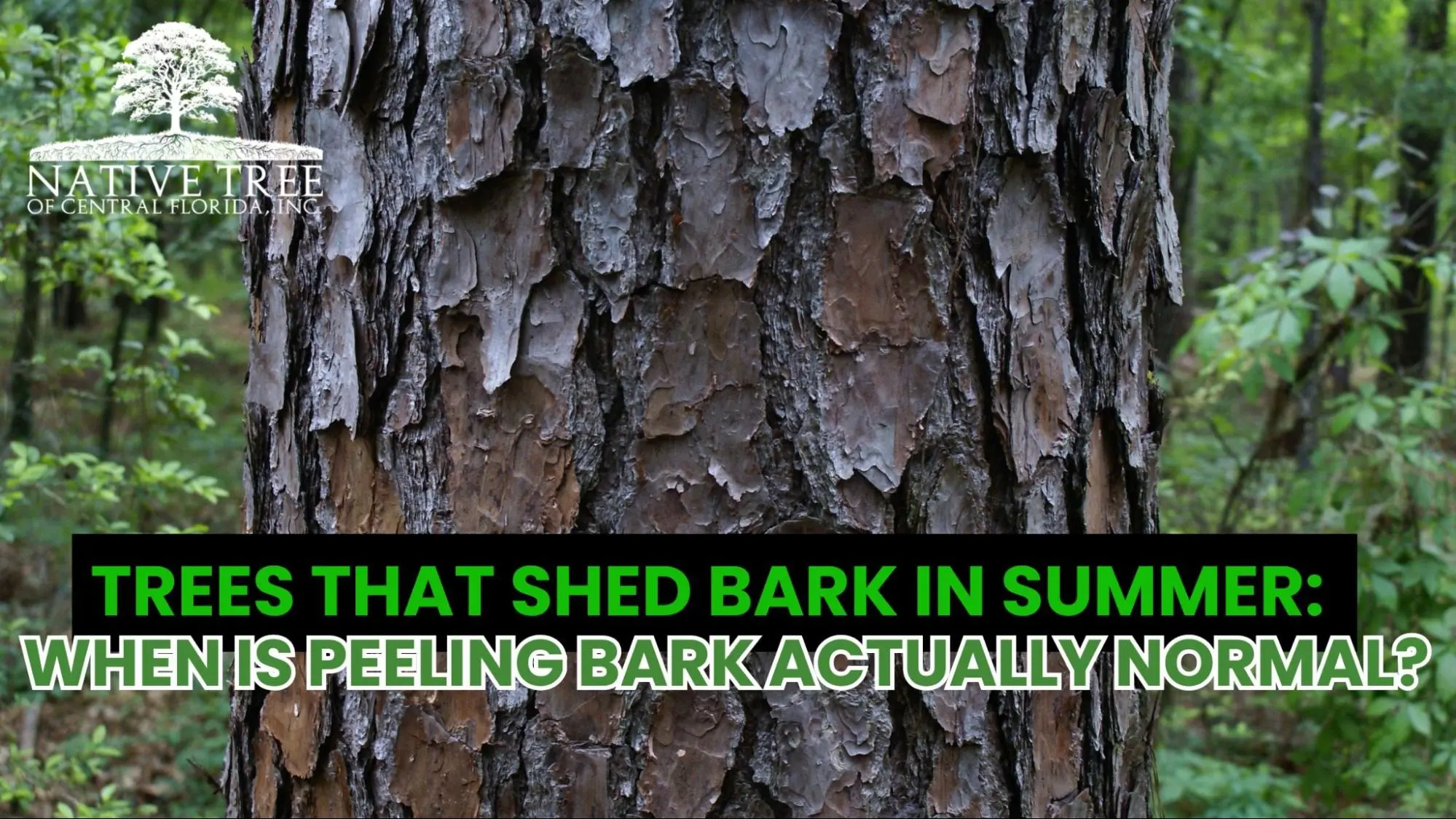
In Central Florida, bark shedding is often a normal part of tree growth rather than a sign of disease. Many trees naturally shed outer bark during hot, humid summer months as they expand their trunks and renew protective layers. However, unusual patterns such as deep cracks, soft wood, or sudden large-scale bark loss may indicate stress and should be evaluated by a certified arborist.
Table of Contents
Why Trees Shed Bark in the First Place
To understand trees that shed bark, it helps to think of bark like a “protective jacket” that doesn’t stretch forever.
As a tree grows, its trunk expands outward. Instead of endlessly stretching, older bark naturally loosens and falls away to make room for new, stronger layers underneath.
This is especially common in fast-growing species found throughout Central Florida’s sandy soil conditions and high humidity climate, where growth spurts happen quickly after heavy rains.
Common natural causes include:
- Rapid trunk expansion during summer growth cycles
- Species-specific bark renewal (some trees shed annually)
- Increased moisture and heat triggering expansion
- Natural aging of outer bark layers
In other words, not all tree shedding bark is a problem, it can simply mean the tree is thriving.
Central Florida Climate: Why Bark Shedding Is More Noticeable Here
In regions like Ocala and greater Central Florida, environmental conditions intensify growth cycles:
- High humidity keeps growth active longer into the year
- Sandy soil drains quickly, encouraging root expansion after rain
- Long summers extend growth periods
- Sudden storms trigger rapid nutrient uptake
This means homeowners are more likely to notice trees that shed bark in summer compared to cooler climates where growth is slower and more predictable.
Species commonly observed shedding bark in the region include:
- Live oak
- Southern red maple
- Crape myrtle
- Sycamore
- River birch
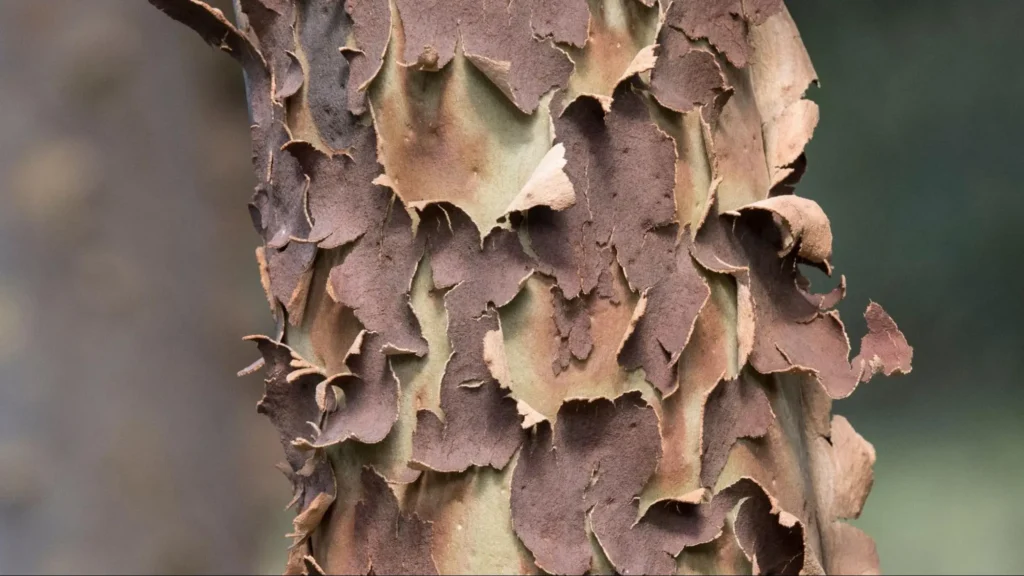
Each of these trees may shed bark in different textures, flaky, patchy, or in larger curling strips.
When Bark Shedding Is Normal vs. When It’s Not
One of the biggest misconceptions we see is assuming all peeling bark is a problem. The reality is more nuanced.
Feature | Normal Shedding (Healthy Growth) | Warning Signs (Potential Disease) |
Appearance | Thin, papery flakes or small patches peeling away. | Deep cracks, large sections falling off, or “craters” in the trunk. |
Exposure | Smooth, firm, and healthy wood is visible underneath. | Wet, soft, or oozing wood that looks dark or discolored. |
Scent & Texture | No foul odor; dry and clean to the touch. | Presence of rot, foul smells, or visible fungal growth/mushrooms. |
Canopy Health | Leaves remain green and full; no dieback in branches. | Accompanied by thinning leaves, yellowing, or dead upper branches. |
Pattern | Generally even shedding across the trunk or specific to the species. | Sudden loss of bark in localized spots or signs of pest boring holes. |
If you’re asking, “why is my tree shedding bark in large chunks or uneven patches?” that’s when professional evaluation becomes important.
The Value of a Professional Tree Evaluation
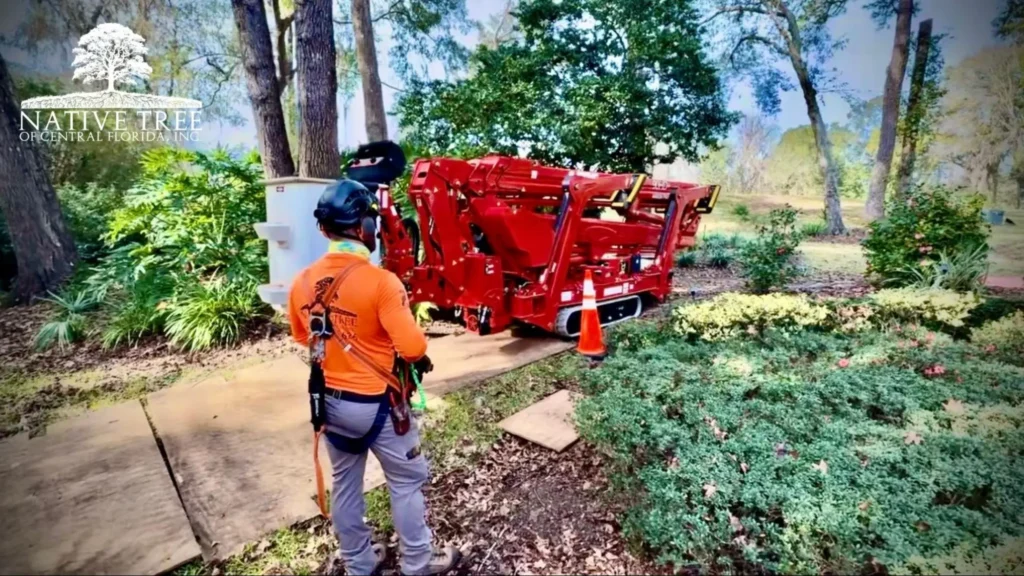
- Visual canopy and trunk assessment
- Soil and root condition review
- Species-specific bark behavior analysis
- Risk assessment for structural integrity
- Environmental stress evaluation
That’s why services like professional tree inspections from Native Tree of Central Florida are essential before making decisions.
Conclusion
Bark shedding is one of the most misunderstood tree behaviors among homeowners in Central Florida. While it can look alarming, it is often a completely natural process tied to growth, climate, and species characteristics. The key is not to assume, it’s to assess properly. When uncertainty arises, especially with mature trees, a professional opinion is always the safest path forward.Transform Your Landscape with Palm Trees This Spring
Enhance your outdoor space with creative palm tree designs and expert planning. Schedule a professional consultation to bring your spring landscaping ideas to life.
Frequently Asked Questions
Why is my tree shedding bark in summer in Florida?
In many cases, it’s due to rapid growth caused by heat, humidity, and rainfall. Many trees that shed bark in summer are simply expanding their trunk and renewing outer layers.
What trees naturally shed their bark every year?
Common species include crape myrtle, river birch, sycamore, and live oak. These trees that shed their bark every year are often healthy and normal.
Is bark peeling always a sign of disease?
No. Many healthy trees naturally shed outer bark. However, deep cracks, soft wood, or odor may indicate stress or decay.
Should I remove the peeling bark myself?
No. Removing bark can damage healthy tissue. It’s best to have a certified arborist evaluate it first.
When should I call a professional?
If shedding is sudden, uneven, or paired with canopy decline, it’s time for a licensed tree company in Central Florida to inspect it.