
Key Takeaways
- Keeping grass green in Ocala isn’t just about watering more, it’s about understanding soil behavior, heat stress, and nutrient timing in Central Florida’s climate.
- The biggest mistake homeowners make is overwatering sandy soil, which actually weakens root systems instead of strengthening them.
- Florida summers bring a mix of intense sun, humidity, and storm cycles that directly impact turf health and landscaping stability.
- Healthy green grass depends on soil condition, mowing habits, irrigation timing, and tree canopy balance.
- Many lawn problems start with overlooked tree competition, shade, roots, and moisture imbalance from surrounding trees.
- A properly insured, locally experienced company like Native Tree of Central Florida helps homeowners understand how tree health and lawn health are deeply connected.
If you’ve ever wondered how to keep grass green during a Central Florida summer, you’re not alone. In Ocala and surrounding Marion County neighborhoods, homeowners often watch their lawns shift from vibrant green to patchy yellow within weeks of rising temperatures.
The challenge isn’t just heat, it’s how Florida’s unique combination of sandy soil, humidity, and unpredictable rain cycles affects root systems beneath the surface. And here’s something many homeowners don’t realize: lawn health and tree health are closely connected.
In Central Florida, keeping grass green during summer requires more than watering. Lawns in Ocala are affected by sandy soil drainage, intense heat, humidity, and tree canopy coverage. When these factors are balanced properly, grass retains nutrients and moisture more effectively, resulting in healthier, more consistent green growth throughout the season.
Table of Contents
Featured Insight: Why Florida Lawns Struggle in Summer
In Central Florida, grass health is influenced by three major factors:
- Rapid water drainage through sandy soil
- High evapotranspiration from heat and humidity
- Uneven shade patterns caused by tree canopy growth
This means even well-maintained lawns can struggle if environmental balance is off.
Understanding this is the first step in learning how to make grass greener without constantly fighting nature.
Why Your Grass Turns Yellow in Summers
Many homeowners assume yellowing grass means “not enough water.” In reality, it’s often more complex.
In Ocala, we commonly see lawns struggle due to:
- Overwatering sandy soil that drains too fast
- Compacted ground preventing root oxygen flow
- Tree shade blocking consistent sunlight
- Nutrient leaching after heavy summer rainstorms
- Heat stress during peak afternoon temperatures
Instead of improving grass health, excessive watering often makes roots lazy, staying near the surface instead of growing deep.
The Science Behind Green Grass (What Actually Makes It Green)
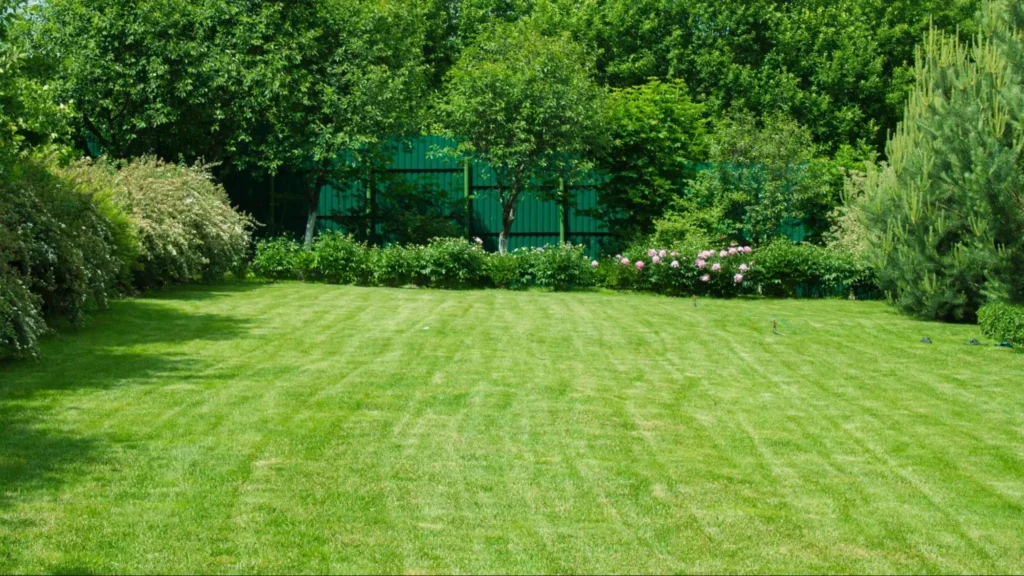
So, what makes grass green in the first place?
Grass gets its color from chlorophyll, which depends on:
- Sunlight absorption
- Nitrogen availability in soil
- Healthy root oxygen exchange
- Balanced moisture levels
When any of these factors are disrupted, grass begins to fade, even if it’s still technically alive.
This is why “quick fixes” on how to make grass green fast often fail long-term. True lawn health is a system, not a spray-on solution.
The Central Florida Reality: Why Generic Lawn Advice Fails Here
Most online advice about how to keep your grass green in the summer is written for cooler or more temperate climates.
But Central Florida is different:
- Sandy soil drains nutrients too quickly
- Afternoon thunderstorms create inconsistent watering cycles
- High humidity increases fungal pressure and stress cycles
- Intense sun accelerates moisture loss
That means standard fertilizing or watering schedules often don’t work here without adjustment.
Even local landscaping strategies must be tailored specifically to Florida’s environmental patterns.
DIY Lawn Fixes vs Professional Insight
Common Homeowner “Quick Fix” | The Professional Arborist Approach | Why the Difference Matters |
Extra Watering | Drainage & Grading Evaluation | Adding water to a drainage problem can actually drown roots and invite fungal disease. |
Random Fertilizer Applications | Soil Condition Testing | Without a test, fertilizer is a guess. Professionals target the specific nutrient deficiencies in your soil. |
Frequent Mowing Changes | Tree Canopy Impact Analysis | Thinning grass is often a sunlight issue. Pruning the canopy can “green up” a lawn better than a mower. |
Store-Bought “Green-Up” Kits | Root Zone Competition Assessment | Large trees often “out-compete” turf for nutrients. Kits don’t address the struggle for resources underground. |
This is where experience matters more than guesswork.
How Trees and Lawn Health Work Together
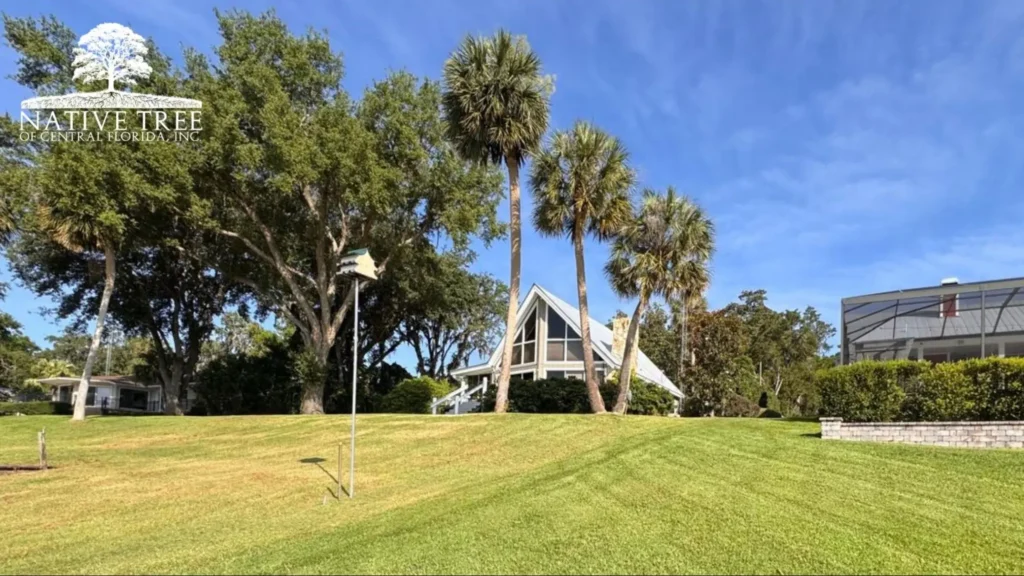
If you want consistent green grass, you can’t ignore the surrounding ecosystem.
Healthy balance includes:
- Proper tree spacing for sunlight distribution
- Controlled canopy density
- Healthy soil structure across both lawn and root zones
- Smart irrigation that considers tree absorption patterns
This is why tree professionals and lawn care should not be treated as separate systems, they are interconnected.
Conclusion
Keeping grass green in Central Florida requires more than quick fixes, it depends on understanding how heat, humidity, sandy soil, and surrounding trees collectively affect lawn health. When problems persist, the most effective approach is a professional landscape evaluation that assesses the full system rather than isolated symptoms, helping homeowners identify the true cause and avoid unnecessary or ineffective treatments.
With the right understanding of how these environmental factors interact, homeowners can make more confident, long-term decisions about maintaining a healthy lawn.
Transform Your Landscape with Palm Trees This Spring
Enhance your outdoor space with creative palm tree designs and expert planning. Schedule a professional consultation to bring your spring landscaping ideas to life.
Frequently Asked Questions
Why is my grass not staying green in summer in Florida?
Because Florida’s sandy soil drains quickly and heat stress increases evaporation, making it difficult for roots to retain consistent moisture and nutrients.
How can I make grass green fast without damaging it?
Avoid overwatering or heavy chemical treatments. The fastest sustainable improvement comes from correcting soil, shade, and drainage issues.
Does tree shade affect green grass growth?
Yes. Excess shade reduces sunlight, slows photosynthesis, and can cause uneven lawn color and thinning patches.
What is the best way to keep grass green in summer?
A balanced approach of proper watering timing, soil health management, and tree canopy control works best in Central Florida.
Should I hire a professional for lawn and tree issues together?
Yes. In many cases, lawn problems are directly connected to tree health and soil conditions, requiring a combined evaluation.