
Key Takeaways
- Mulch helps protect tree roots from Florida heat, drought stress, and soil erosion.
- Proper mulching improves moisture retention, soil quality, and long-term tree health.
- Incorrect mulching can suffocate roots and increase disease risk.
- A properly installed tree mulch ring helps trees thrive while improving curb appeal.
- Mulching is not just cosmetic, it is a critical part of tree care in Central Florida.
- Hiring licensed and insured tree professionals helps homeowners avoid costly landscaping mistakes and liability risks.
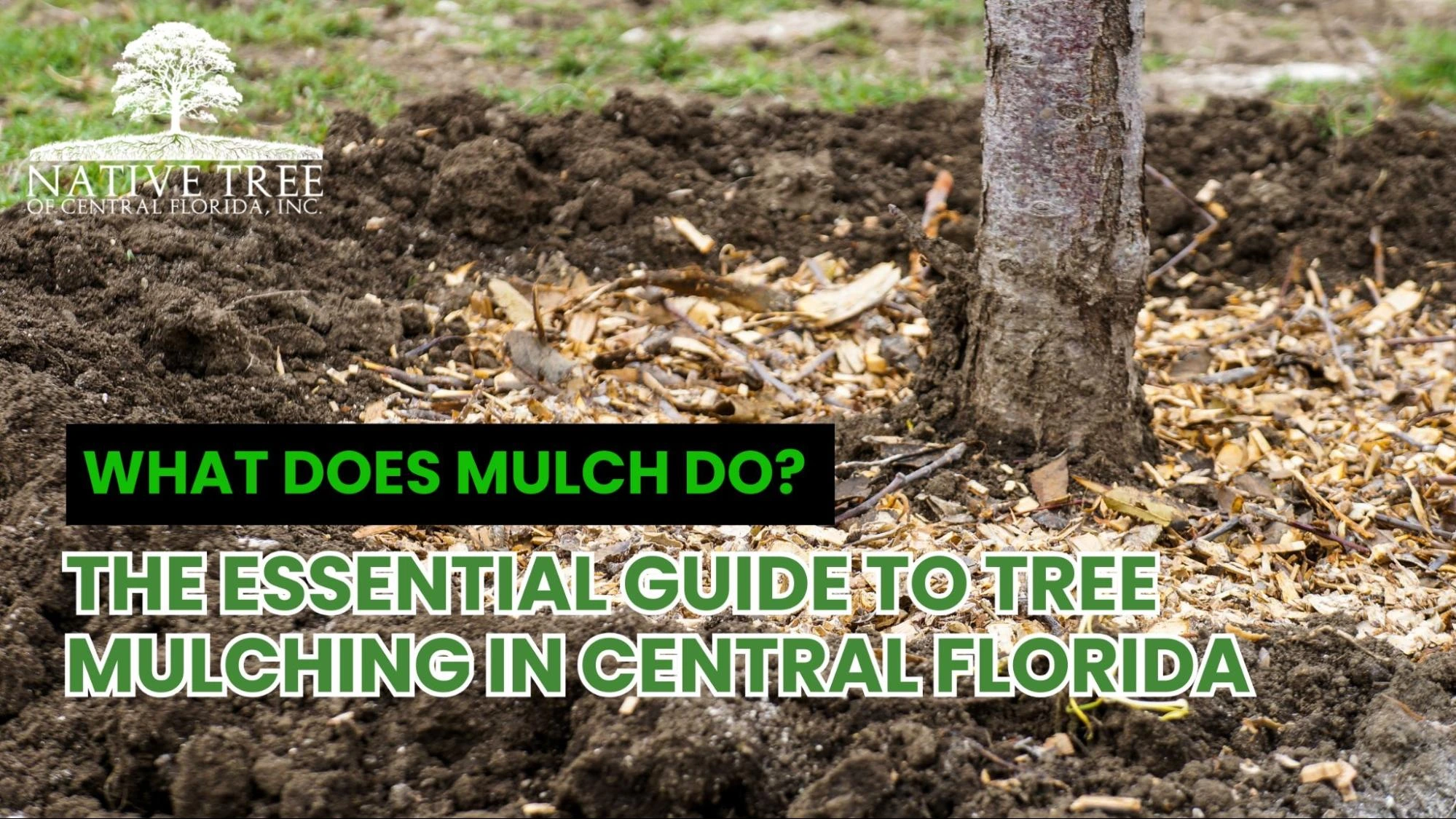
What Mulch Really Does for Trees in Florida
A healthy tree doesn’t begin with trimming or fertilizing.
It starts at the base.
While Florida’s intense heat and sandy soils can challenge even established landscapes, many homeowners overlook how essential tree mulching is for retaining moisture and regulating root temperature.
Many people think mulch is only decorative. Others pile it too high around trunks without realizing they may be damaging the very trees they want to protect.
The reality is that proper mulching directly affects moisture retention, root protection, nutrient cycling, and overall tree stability. And in Ocala’s climate, those factors matter more than ever.
Understanding what mulch actually does, and how to apply it correctly, can help homeowners protect their investment, reduce stress on trees, and prevent expensive long-term problems.
This guide explains the real benefits of mulching, common mistakes to avoid, and why professional tree care matters when protecting your landscape.
Table of Contents
What Does Mulch Do for Trees?
Mulch acts as a protective layer between the soil and the environment.
When installed properly, tree mulch helps regulate soil temperature, retain moisture, reduce weed competition, and improve soil health over time.
In Central Florida, those benefits become especially valuable during:
- Summer heat waves
- Sudden drought conditions
- Heavy seasonal rain
- Hurricane season
- Extended sun exposure
Without mulch, tree roots often dry out faster and become vulnerable to stress.
Why Central Florida Trees Need Mulch More Than You Think
Ocala landscapes face unique environmental pressures.
Florida’s sandy soil drains quickly, which means water and nutrients often move away from roots before trees can fully absorb them.
Mulch slows that process down.
It creates a more stable growing environment that helps trees stay healthier between watering and rainfall cycles.
For homeowners, this means:
- Better moisture retention
- Healthier root systems
- Reduced watering needs
- Improved soil quality over time
- Less erosion around exposed roots
These benefits are especially important for:
- Newly planted trees
- Young shade trees
- Palm trees
- Drought-sensitive species
- Trees near driveways or patios
What Happens When Trees Are Not Mulched Properly?
Improper Technique | Physical Effect | Long-Term Health Impact |
The “Mulch Volcano” | Piling mulch directly against the trunk. | Trunk Decay: Trapped moisture rots the bark and creates entry points for disease. |
Excessive Depth | Creating a barrier thicker than 2–4 inches. | Root Suffocation: Essential oxygen cannot reach the root system, leading to stunted growth. |
Bark Contact | Mulch touching the tree’s base flare. | Fungal Growth: Damp conditions encourage harmful fungi and bacterial infestations. |
Over-Mulching | Assuming “more is better” for coverage. | Pest Harboring: Deep piles provide the perfect environment for wood-boring insects and rodents. |
Poor Distribution | Concentrating mulch in one spot. | Weak Surface Roots: Roots grow upward into the mulch for air rather than downward for stability. |
How to Mulch a Tree the Right Way
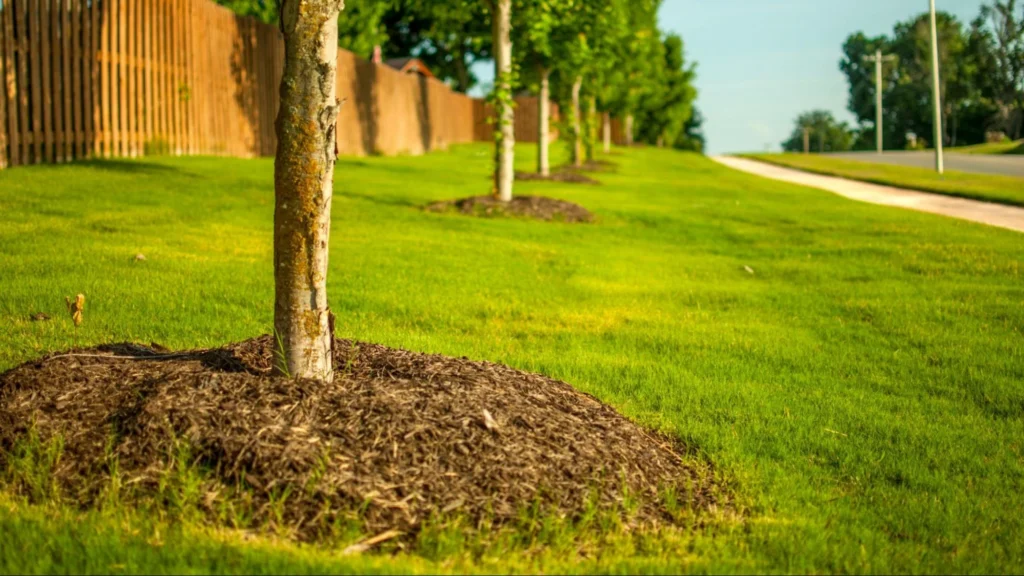
A properly installed tree mulch ring should resemble a wide, flat donut, not a volcano.
Best Mulching Practices
Mulching Rule | Recommended Technique | Benefit to the Tree |
Maintain Trunk Clearance | Leave several inches of bare space between the mulch and the bark. | Prevents bark rot and ensures the trunk flare remains visible and dry. |
Apply Optimal Depth | Maintain a consistent layer of 2–4 inches spread evenly. | Regulates soil temperature without blocking critical oxygen flow to roots. |
Extend the Ring | Spread mulch outward toward the tree’s drip line (edge of the canopy). | Maximizes the protected root zone area and reduces competition from grass. |
Manage Layering | Evaluate old mulch for compaction before adding a fresh layer. | Prevents “smothering” the soil and allows for better water penetration. |
Monitor Root Health | Have an arborist check for girdling roots before refreshing mulch. | Ensures the tree isn’t being “choked” by its own roots beneath the surface. |
Real-Life Scenario: Why Proper Mulching Matters
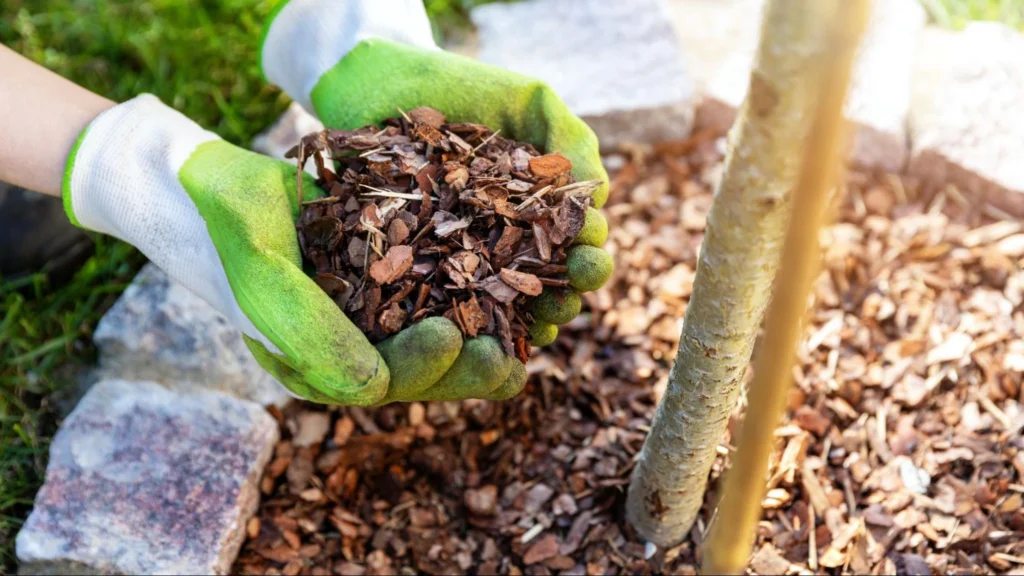
Imagine two newly planted oak trees in neighboring Ocala yards.
One receives professional mulching with proper depth, spacing, and watering support.
The other has mulch piled against the trunk and receives inconsistent care.
Within a few years:
- The first tree develops stronger roots and healthier canopy growth.
- The second begins showing stress, bark damage, and poor stability.
The difference often comes down to groundwork and proper maintenance.
This is why professional tree care matters, especially for homeowners investing in long-term landscaping value.
Why Hiring an Insured Tree Company Is So Important
Mulching may sound simple, but improper tree care can create expensive consequences.
Incorrect planting depth, root damage, poor drainage management, or excessive mulching can weaken trees over time and increase storm risks. That’s why choosing a licensed and insured tree company matters.
At Native Tree of Central Florida, we believe homeowners deserve peace of mind knowing the company working on their property is properly trained, fully insured, and committed to professional tree care standards.
Uninsured contractors can leave homeowners financially responsible if:
- Equipment causes property damage
- A worker gets injured on-site
- A tree fails due to improper care
- Landscaping mistakes create safety hazards
Tree care involves more than appearance, it requires expertise, liability protection, and long-term planning.
Conclusion
Healthy trees require more than occasional watering and trimming.
The condition of the soil surface around your tree directly affects moisture retention, root health, disease resistance, and long-term stability. In Central Florida’s harsh climate, proper mulching is one of the most effective ways to protect your landscape investment.
Understanding what mulch does for trees, along with learning important facts about mulch, helps homeowners make smarter decisions about long-term tree care and property protection.
Transform Your Landscape with Palm Trees This Spring
Enhance your outdoor space with creative palm tree designs and expert planning. Schedule a professional consultation to bring your spring landscaping ideas to life.
Frequently Asked Questions
What does mulch do for trees in Florida?
Mulch helps trees retain moisture, regulate soil temperature, reduce weed growth, and improve soil quality over time. In Florida, mulch also helps protect roots from extreme heat and heavy rainfall.
How much mulch should be around a tree?
Most trees benefit from 2–4 inches of mulch spread evenly around the root zone. Avoid piling mulch directly against the trunk.
What is a tree mulch ring?
A tree mulch ring is a circular layer of mulch placed around the base of a tree to protect roots, reduce lawn competition, and improve moisture retention.
How often should mulch be replaced in Central Florida?
Most mulch should be refreshed once or twice per year depending on weather conditions, decomposition rate, and landscape needs.
Can too much mulch hurt a tree?
Yes. Excessive mulch can trap moisture against the trunk, suffocate roots, encourage fungal growth, and weaken tree stability.