
Key Takeaways
- Healthy trees start below the surface with proper soil structure, drainage, and nutrient balance.
- Central Florida’s sandy conditions create unique challenges for roots, moisture retention, and long-term tree health.
- Different species require different soil conditions, especially palms and native Florida trees.
- Poor groundwork can lead to unstable roots, nutrient deficiencies, disease, and storm vulnerability.
- Hiring licensed and insured professionals helps protect your property and ensures proper soil preparation, planting, and long-term care.
- Native Tree of Central Florida understands Ocala’s soil conditions and uses ISA-certified expertise to support healthier landscapes.
Your trees may look healthy above ground, but what’s happening underneath often tells the real story.
While homeowners often invest thousands in irrigation and mature greenery, the long-term survival of that investment depends entirely on the health and composition of the soil for trees.
The truth is, even the most beautiful tree can struggle if the ground beneath it is compacted, nutrient-poor, or unable to hold moisture properly. And in Florida’s sandy terrain, that problem is more common than many homeowners realize.
If you’ve ever wondered why one property has thriving shade trees while another battles yellowing leaves, leaning palms, or weak root systems, the answer often starts underground.
This guide explains why soil quality matters so much in Central Florida, how it affects tree growth and stability, and why working with experienced, properly insured professionals can make all the difference for your landscape.
Table of Contents
Why Soil Quality Matters More in Central Florida
Florida soil behaves differently than soil in many other parts of the country.
Ocala homeowners often deal with:
- Sandy, fast-draining ground
- Low organic matter
- Nutrient deficiencies
- Compacted soil near driveways or construction zones
- Excess runoff during heavy storms
These conditions directly impact root development and moisture retention.
One of the most overlooked facts about soil is that healthy soil is alive. It contains microorganisms, organic material, oxygen pockets, and moisture pathways that help roots absorb nutrients efficiently.
Without that balance, trees become stressed.
That’s especially important in Florida, where hurricanes, heat, and drought conditions already place extra stress on landscapes.
Why Is Soil Important for Tree Stability and Growth?
Roots do far more than anchor a tree.
Healthy roots help trees:
- Absorb water and nutrients
- Resist storm damage
- Store energy
- Support trunk stability
- Recover from drought stress
- Fight disease naturally
When the soil becomes too compacted or lacks nutrients, roots cannot spread properly.
This creates several common problems in Central Florida landscapes:
Weak Root Anchoring
Trees planted in shallow or improperly prepared soil are more vulnerable during storms and high winds.
This is especially dangerous for large oaks, palms, and mature shade trees near homes or driveways.
Poor Drainage
Some properties experience the opposite issue of sandy drainage, compacted layers that trap water around roots.
Excess moisture can suffocate roots and encourage fungal growth.
Nutrient Deficiencies
Many Florida landscapes lack natural nutrients because sandy soils drain too quickly.
Without proper soil amendments, trees may develop:
- Yellowing leaves
- Sparse canopies
- Slow growth
- Browning fronds
- Premature leaf drop
The Difference Between Garden Soil and Tree Soil Needs
Many homeowners assume all gardening soil works the same way.
It doesn’t.
Trees require a different soil environment than flowers or vegetable beds because their root systems grow deeper, wider, and remain in place for decades.
A quality soil for tree installation should provide:
Proper aeration
- Stable moisture retention
- Organic material
- Balanced drainage
- Space for root expansion
Using the wrong garden soil can actually create problems by trapping water around roots or preventing oxygen movement.
Professional arborists evaluate:
- Soil composition
- Drainage conditions
- Root flare exposure
- Compaction levels
- Species compatibility
This is one reason why tree planting should never be treated as a simple DIY landscaping project.
Soil for Palm Trees Requires Special Attention
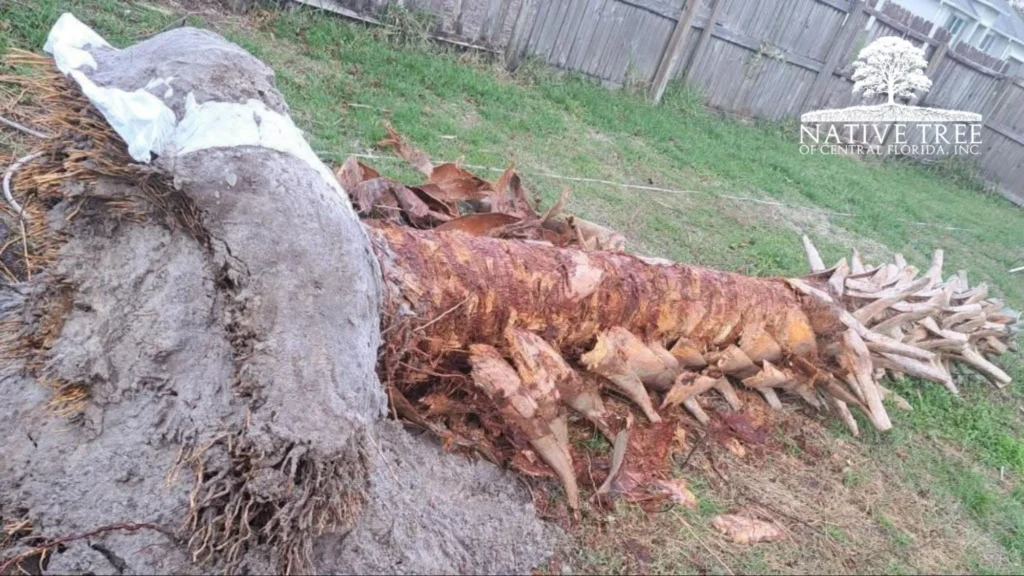
Palm trees have unique root systems compared to hardwood trees.
Unlike oak or maple roots, palm roots remain relatively shallow and fibrous. That means soil conditions directly impact their ability to absorb nutrients and remain stable.
The right soil for palm trees should support:
- Fast drainage
- Nutrient availability
- Proper magnesium and potassium levels
- Root oxygen flow
Many struggling palms in Ocala suffer from nutrient deficiencies caused by poor soil conditions rather than disease alone.
Signs of unhealthy palm soil conditions include:
- Yellow fronds
- Brown leaf tips
- Weak spear growth
- Stunted canopy development
Choosing the proper soil for palm tree health becomes even more important after storms or heavy rainfall, when root zones may become compacted or stressed.
Real-Life Example: Why Soil Problems Often Go Unnoticed
A homeowner may water consistently, fertilize regularly, and still watch a tree decline.
Why?
Because the issue is underground.
For example:
A mature oak may begin thinning because years of vehicle traffic compacted the soil around its roots.
A newly planted palm may struggle because the planting hole trapped excess moisture.
A tree planted too deeply may slowly decline because the root flare cannot breathe properly.
These issues are difficult for homeowners to diagnose without professional evaluation.
That’s where experienced arborists become invaluable.
Why Hiring Licensed and Insured Tree Professionals Matters
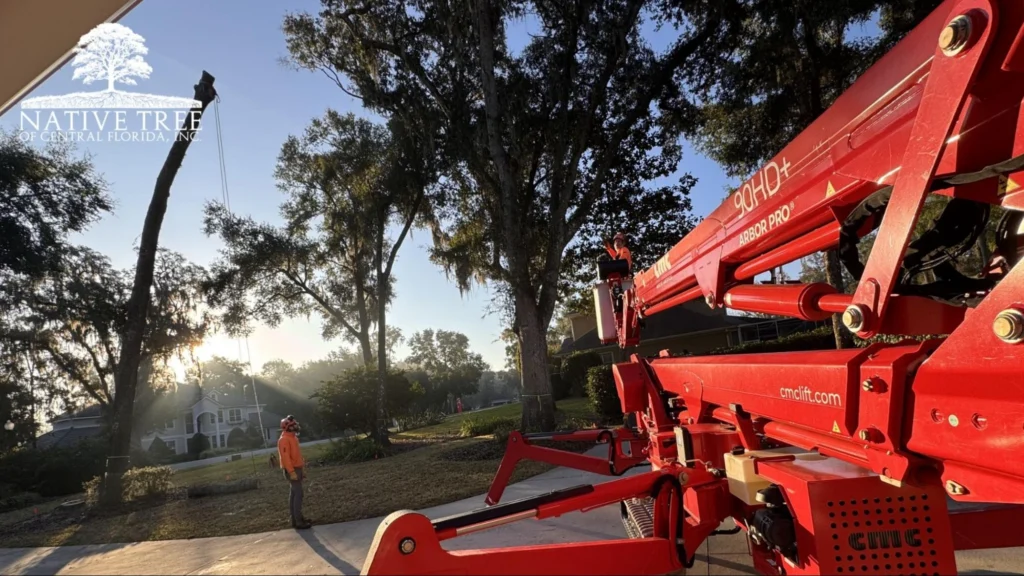
Unfortunately, many homeowners hire uninsured contractors based solely on low pricing. That decision can become extremely costly.
Improper planting or soil work can lead to:
- Property damage
- Tree failure
- Drainage problems
- Unsafe root systems
- Expensive removals later
That’s why working with licensed and insured professionals is essential.
At Native Tree of Central Florida, we take pride in providing professional tree care backed by proper training, ISA-certified oversight, and full insurance coverage because tree care involves both expertise and liability protection.
We understand how Central Florida soil conditions affect:
- Tree installation
- Palm health
- Root development
- Storm resilience
- Long-term landscape stability
For homeowners in Ocala, working with a local, experienced, and fully insured team can make all the difference.
Conclusion
Healthy landscapes are built from the ground up. The condition of your soil affects everything from root stability and nutrient absorption to storm resistance and overall tree lifespan. In Central Florida, where sandy terrain and unpredictable weather create additional challenges, proper groundwork is not optional, it’s essential.Whether you’re planting new palms, protecting mature oaks, or troubleshooting declining trees, investing in professional soil evaluation and expert tree care helps prevent costly mistakes later.
At Native Tree of Central Florida, we work with homeowners throughout Ocala to provide safe, informed, and professionally managed tree care backed by ISA-certified expertise and full insurance coverage.
That’s why we take pride in being a fully insured and experienced team, using professional arboricultural practices designed to protect both your trees and your property for the long term.
Homeowners who understand important facts about soil are far more likely to make smart long-term landscaping decisions that protect both property value and tree health. That’s why choosing experienced, insured professionals matters when caring for your landscape.
Because when it comes to protecting your property, your trees deserve more than guesswork.
Build Stronger Landscapes with Quality Soil for Trees
Healthy trees start from the ground up. Improve your Central Florida landscape with proper soil preparation, nutrient-rich groundwork, and expert care designed to support long-term tree growth and stability.
Frequently Asked Questions
What is the best soil for trees in Central Florida?
The best soil for trees in Central Florida supports drainage while still retaining enough moisture and nutrients for healthy root growth. Sandy soil often benefits from organic amendments and mulch to improve structure and water retention.
Why is soil important for tree health?
Soil provides trees with oxygen, water, nutrients, and root stability. Poor soil conditions can weaken trees, reduce growth, and increase vulnerability to disease, drought, and storm damage.
What type of soil is best for palm trees?
The ideal soil for palm trees drains quickly while still supplying essential nutrients like magnesium and potassium. Poor drainage or nutrient-deficient soil often causes yellowing or browning fronds.
Can compacted soil damage trees?
Yes. Compacted soil limits oxygen flow and prevents roots from expanding properly. Over time, this can weaken tree stability and reduce overall health.
Should homeowners hire professionals for soil and tree evaluations?
Absolutely. Professional arborists understand soil composition, root health, drainage, and species-specific needs. Hiring licensed and insured experts also protects homeowners from liability and costly mistakes.