
Key Takeaways
- Palm tree care requires precision and consistency, not just occasional watering or trimming. Understanding palm biology is key to long-term health.
- Proper palm tree care and maintenance includes balanced watering, correct fertilization, and strategic pruning to prevent damage and promote strong growth.
- Successful palm tree planting starts with choosing the right location, ensuring proper drainage, and giving extra attention during the first year of establishment.
- Avoid common mistakes such as overwatering, cutting healthy fronds, and ignoring early signs of disease, as these can lead to permanent damage.
- Hiring an ISA Certified Arborist ensures your palm trees are cared for using science-based methods, improving safety, health, and longevity.
Effective Palm tree care is the foundation of a beautiful, healthy, and long-lasting tropical landscape. Whether you are upgrading your garden design or maintaining mature palm trees, understanding how they grow and what they need can make the difference between a thriving outdoor space and a declining one.
Palms may look low-maintenance, but they are highly specific in their requirements. From soil conditions and watering habits to pruning techniques and nutrient balance, every detail plays a role in long-term health. This guide will walk you through everything you need to know about how to take care of a palm tree, including planting, maintenance, and professional care standards that protect your investment.
Table of Contents
Understanding Palm Tree Care and Maintenance for Long-Term Health
Proper palm tree care and maintenance is more than routine watering or trimming, it is a strategic approach to ensuring stability, growth, and resilience.
What makes palm trees unique in landscaping?
Unlike many ornamental plants, a palm tree grows from a single growth point at the top. This means damage to its crown can permanently affect its survival. Because of this structure, care must be precise and intentional.
Why consistent maintenance is essential
- Encourages strong and steady growth
- Prevents nutrient deficiencies common in palm species
- Reduces risk of disease and pest infestations
- Maintains structural stability during storms
- Preserves long-term landscape value
Neglecting maintenance often leads to weak fronds, discoloration, or irreversible damage, making consistency a key part of palm health.
How to Take Care of a Palm Tree: Essential Daily and Seasonal Practices
Knowing how to take care of a palm tree involves understanding its environmental and biological needs. While palms are adaptable, they still require proper balance.
Watering guidelines for healthy growth
Water is essential, but balance is critical:
- Newly planted palms need frequent watering (2–3 times weekly)
- Established palms typically need deep watering once or twice a week
- Soil must drain well to avoid root rot
Overwatering is one of the most common mistakes in palm tree care, often causing more damage than drought.
Sunlight and placement requirements
Most palm trees thrive in full sunlight, although some varieties tolerate partial shade. Choosing the right location during palm tree planting ensures long-term success.
Nutrient management for stronger palms
Healthy palms depend on essential nutrients such as potassium, magnesium, and manganese.
- Fertilize 2–3 times per year
- Use slow-release palm-specific fertilizer
- Avoid over-fertilization to prevent root burn
A well-fed palm is more resistant to disease and environmental stress.
Palm Tree Planting: How to Build a Strong Foundation for Growth
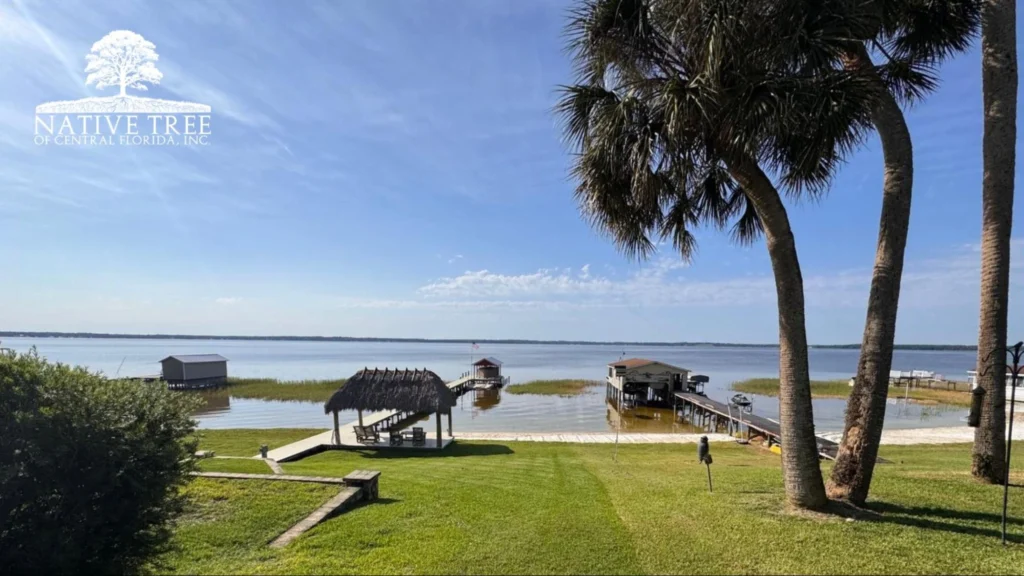
Successful palm tree planting determines how well your tree will thrive for decades. Poor planting practices often lead to weak root systems and unstable growth.
Choosing the right location before planting
Before planting, evaluate:
- Sun exposure throughout the day
- Soil drainage and composition
- Distance from buildings and utilities
- Space for mature canopy growth
Proper planning ensures your palm grows without future structural conflicts.
Step-by-step planting best practices
- Dig a hole twice the width of the root ball
- Keep the root ball slightly above ground level
- Backfill with native soil and organic matter
- Water thoroughly after planting
- Apply mulch, keeping it away from the trunk
Why early care is critical
The first 6–12 months after planting are the most important. During this stage, consistent watering and monitoring determine whether the palm establishes a strong root system.
Why ISA Certified Arborists Are Essential for Palm Tree Health
When it comes to professional tree care, expertise matters. An ISA Certified Arborist is a trained specialist certified by the International Society of Arboriculture, equipped with scientific knowledge of tree biology and maintenance.
What an ISA Certified Arborist actually does
An ISA Certified Arborist is qualified to:
- Diagnose palm diseases and nutrient deficiencies accurately
- Perform safe and proper pruning techniques
- Recommend soil and fertilization treatments
- Assess structural safety risks in mature palms
Why certification matters for homeowners
Hiring an ISA Certified Arborist ensures your palm tree care is based on science, not guesswork. This significantly reduces the risk of long-term damage caused by improper handling.
Palm Tree Care and Maintenance Mistakes to Avoid
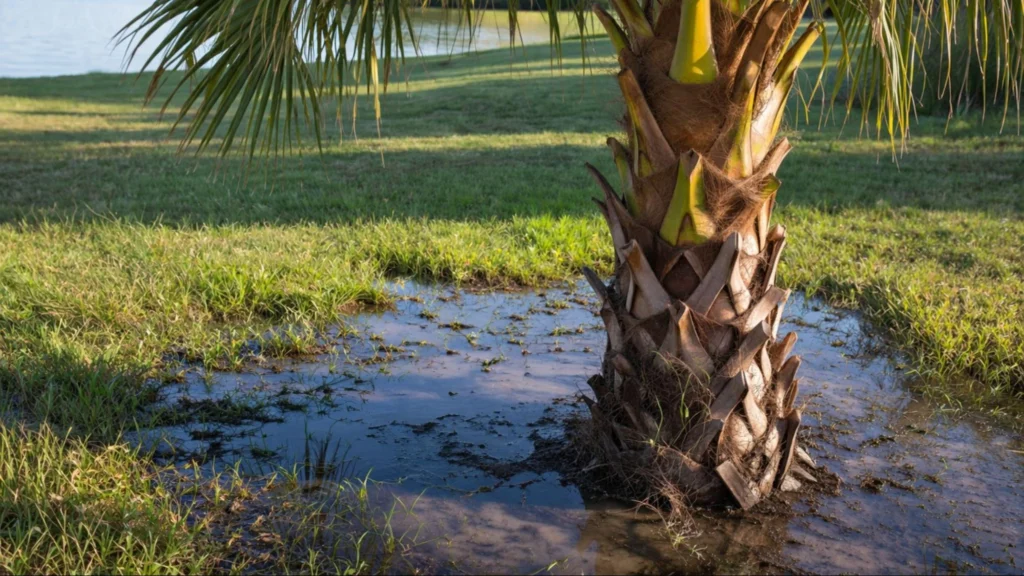
Even well-meaning homeowners can unintentionally damage their palms. Avoiding these mistakes is essential for long-term health.
Overwatering issues
Improper watering disrupts root health and nutrient absorption. A stable watering schedule is key to successful palm tree care and maintenance.
Improper pruning practices
A common misconception is that heavy trimming improves appearance. In reality:
- Cutting green fronds weakens the tree
- “Hurricane cuts” reduce nutrient production
- Only dead or fully brown fronds should be removed
Ignoring early signs of disease or stress
Warning signs include:
- Yellowing or spotting leaves
- Slow or stunted growth
- Drooping or brittle fronds
Early intervention prevents long-term damage and costly removal.
Why Insurance Should Never Be Ignored When Hiring Tree Care Services
Tree maintenance involves physical risk, heavy equipment, and property exposure. This makes insurance a non-negotiable factor when choosing a contractor.
Risks of hiring uninsured providers
- Homeowners may be liable for injuries
- damage may not be covered
- Work quality may not meet safety standards
Benefits of working with insured professionals
A properly insured company ensures:
- Protection for your home and landscape
- Accountability in every project
- Peace of mind during complex tree work
Choosing a trusted and insured local provider
When selecting a partner for palm tree care and maintenance, working with a reputable and fully insured company like Native Tree of Central Florida ensures your landscape is handled with professionalism and long-term responsibility.
Their approach emphasizes safety, proper certification standards, and ethical tree care practices, helping homeowners make confident and informed decisions. While basic maintenance can be handled by homeowners, certain situations require expert intervention.
Signs you need professional help
- Leaning or unstable palm trees
- Severe discoloration or leaf loss
- Pest infestations or fungal growth
- Large-scale palm tree planting project
- Storm-damaged or structurally compromised trees
Why professional assessment matters
Experts can identify hidden issues that are not visible to untrained eyes, preventing long-term damage and costly replacements.
Conclusion
Mastering palm tree care is about more than appearance, it is about ensuring long-term health, safety, and landscape value. From proper watering and nutrient management to correct palm tree planting and maintenance practices, every step contributes to the overall success of your outdoor space.
However, the most important decision you can make is choosing the right professionals to support your trees. Working with an ISA Certified Arborist and a fully insured provider ensures your palms receive expert-level attention backed by science, safety, and accountability.
For homeowners who want reliable, professional, and responsible care, partnering with Native Tree of Central Florida is a smart step toward protecting your landscape investment. When your trees are cared for by trained experts who value safety and quality, your entire outdoor environment benefits for years to come.
Keep Your Garden Palms Healthy Year-Round
Proper care makes all the difference in maintaining strong, vibrant palm trees. Schedule a professional palm tree service to ensure consistent growth and long-term health.
Call us today at (352) 561-3626 or reach us via e-mail at sales@nativetreecf.com to schedule your professional tree service.
Frequently Asked Questions
What is the most important part of palm tree care?
The most important aspect of Palm tree care is maintaining proper balance, especially with watering, nutrients, and pruning. Overdoing or neglecting any of these can harm the tree.
How often should I water my palm tree?
For effective palm tree care and maintenance, newly planted palms should be watered 2–3 times per week, while established palms typically need deep watering once or twice weekly, depending on climate and soil drainage.
When is the best time for palm tree planting?
The best time for palm tree planting is during the warm spring season, when soil temperatures support root development and reduce transplant stress.
Can I prune my palm tree myself?
Light pruning can be done carefully, but improper cuts can damage the tree. For safe and effective results, it’s best to consult an ISA Certified Arborist, especially for large or mature palms.
Why are my palm leaves turning yellow or brown?
Discoloration is often a sign of nutrient deficiency, overwatering, or disease. Proper Palm tree care and maintenance, including fertilization and drainage, can help resolve this issue.