

Key Takeaways
- Spring is ideal for planting palm trees in Ocala due to warmer soil, moderate rainfall, and milder temperatures that encourage healthy root growth.
- Selecting the right type of palm tree is critical, popular types in Ocala include Sabal Palm, Queen Palm, Canary Island Date Palm, and Pygmy Date Palm.
- Proper soil preparation and planting techniques prevent common issues like root rot, instability, and slow growth.
- Watering and mulching correctly during the first weeks is essential for establishing strong, healthy palms.
- Trimming palm trees safely helps maintain both aesthetics and property safety; over-trimming can harm the tree.
- Hiring insured, ISA Certified Arborists ensures professional planting, trimming, and ongoing maintenance, reducing risks to your property.
Spring is the perfect season for planting a palm tree in Ocala, Florida. With warmer soil, consistent rainfall, and moderate weather, your new palms have the ideal environment to establish healthy roots and grow strong fronds. Whether you’re designing a full landscape or adding a single tree as an accent, knowing the right techniques and care tips ensures your palms thrive for years. At Native Tree of Central Florida, our ISA Certified Arborists provide professional planting, trimming, and maintenance services to keep your trees safe, healthy, and beautiful.
Table of Contents
Why Spring is the Best Time for Tree Planting in Ocala
Planting trees in spring offers several key benefits for both young and established palms in Ocala.
Faster Root Growth with Warmer Soil
Warmer soil temperatures encourage faster root growth and reduce transplant shock, giving your trees a healthy start.
Ideal Weather Conditions for Young Trees
Moderate rainfall and milder temperatures help young palms acclimate without excessive watering, making spring an optimal season for tree establishment.
Stronger Trees Before Summer Heat
Establishing trees before the intense summer heat ensures stronger, healthier palms that can better withstand seasonal stress.
Strategic Landscape Planning
Spring tree planting allows you to plan your landscape effectively, avoiding overcrowding, interference with structures, or future trimming hazards.
Expert Guidance from ISA Certified Arborists
Our ISA Certified Arborists help homeowners make informed decisions about the right tree species and planting techniques for Ocala’s unique climate.
Choosing the Right Palm Tree for Your Ocala Landscape
Selecting the right type of palm tree is crucial for long-term success in Ocala’s climate.
Sabal Palm – Native and Hardy
The Sabal Palm is a native species that is hardy and drought-tolerant. It’s perfect for creating a natural, low-maintenance landscape.
Queen Palm – Elegant and Fast-Growing
Queen Palms are elegant and fast-growing, making them ideal for yard accents and adding visual interest to your property.
Canary Island Date Palm – Large and Ornamental
The Canary Island Date Palm is large and highly ornamental, perfect for grand entrances or creating a statement feature in your landscape.
Pygmy Date Palm – Compact and Versatile
Pygmy Date Palms are compact, making them suitable for small spaces or container planting while still adding tropical charm.
When choosing a palm tree, consider sunlight exposure, soil type, growth rate, and aesthetic appeal. Consulting an ISA Certified Arborist ensures you select a species suited for your property and long-term landscape goals.
Preparing the Soil and Planting Palm Trees Properly
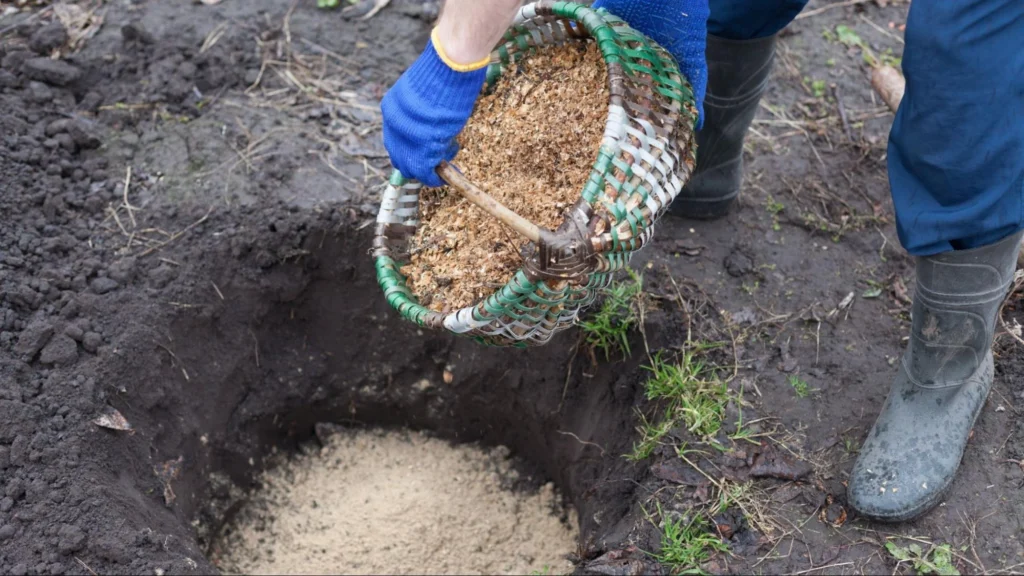
Proper preparation prevents common planting mistakes and encourages strong root systems for healthy palms.
Assess Soil Drainage
Sandy, nutrient-rich soil is ideal for most palm trees. Amend clay-heavy areas with sand to improve drainage and prevent waterlogging.
Dig the Right-Sized Hole
Dig a hole twice the width of the root ball but only as deep as the ball itself. This prevents the palm from sinking and avoids root suffocation.
Protect the Crown
When removing palms from containers, take care not to damage the crown, as this is where new fronds will emerge.
Backfill Loosely
Backfill the hole loosely around the roots, allowing them to expand naturally and establish strong anchorage.
Stake Young Palms Carefully
Stake young palms only if needed, making sure to avoid direct contact with the trunk to prevent damage and encourage proper growth.
Native Tree of Central Florida ensures every palm is planted correctly, with insurance coverage protecting both your property and your investment.
Watering and Ongoing Palm Tree Care Tips
Proper care after planting is essential to ensure your palms thrive in Ocala’s climate.
Deep and Consistent Watering
Newly planted palms require attentive watering for the first 3–4 weeks. Water deeply and consistently, then gradually reduce frequency as roots establish.
Mulching for Moisture and Weed Control
Apply a 2–3 inch layer of mulch around the base of the palm (keeping it away from direct trunk contact). This helps retain soil moisture and suppress weeds.
Monitor for Nutrients and Pests
Regularly check your palms for nutrient deficiencies and signs of pest infestations to catch problems early and maintain healthy growth.
Routine inspections and maintenance by an ISA Certified Arborist help prevent long-term problems and keep your palm trees healthy and attractive.
Trimming Palm Trees: Safety and Aesthetics
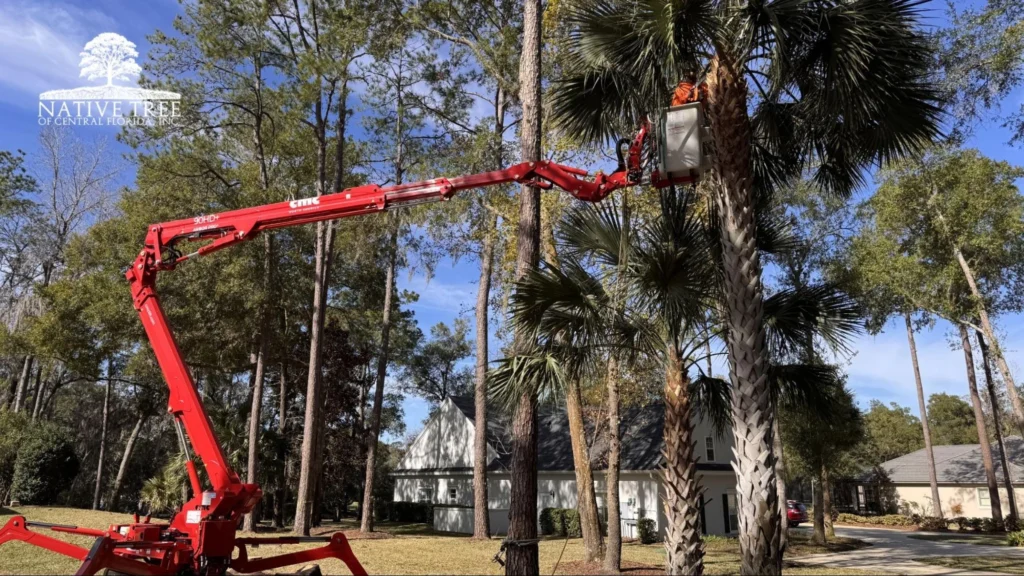
Trimming Palm Trees is essential for both tree health and property safety. Proper trimming ensures your palms remain strong, visually appealing, and hazard-free.
Key tips include:
- Remove dead or damaged fronds to prevent hazards during storms.
- Avoid over-trimming, as fronds store nutrients critical for growth.
- Hire ISA Certified Arborists for trimming palm trees to protect both your tree and your property.
Native Tree of Central Florida provides professional trimming palm trees services, ensuring your landscape remains safe, healthy, and beautifully maintained.
Common Palm Tree Planting Mistakes to Avoid
Being aware of common mistakes can save your palms from long-term issues and ensure a healthy landscape.
Planting Too Deep or Too Shallow
Planting palms too deep or too shallow can lead to root rot or instability. Make sure the root ball is level with the surrounding soil.
Ignoring Sunlight Requirements
Not considering the palm’s sunlight needs can cause slow growth or leaf damage. Choose species suited to the light conditions of your yard.
Overwatering or Poor Drainage
Overwatering or planting in poorly drained soil increases the risk of disease. Ensure soil is well-draining and water appropriately.
Hiring Unlicensed or Uninsured Contractors
Hiring unlicensed or uninsured contractors risks property damage and poor planting outcomes. Native Tree of Central Florida is fully insured, providing peace of mind with expert services.
Long-Term Benefits of Proper Palm Tree Planting and Care
Investing in proper planting and maintenance yields significant advantages:
- Increases property value with mature, healthy palms.
- Reduces hazards by removing dead fronds and maintaining structural stability.
- Extends the life and vitality of your trees through proper nutrition and care.
Our team’s insurance-backed, ISA-certified services ensure your palms grow safely and flourish for decades.
Why Choose Native Tree of Central Florida for Palm Services
Choosing a reputable, insured contractor is crucial for tree planting and care. Native Tree of Central Florida offers:
- Full insurance coverage to protect your property during planting or trimming.
- ISA Certified Arborists providing expert recommendations and care.
- Local knowledge of Ocala’s soil, weather patterns, and palm species.
- Comprehensive services including planting, pruning, and ongoing maintenance.
We don’t just plant trees; we help your palms thrive safely and beautifully.
Essential Palm Tree Tips for Ocala Homeowners
- Plan your palm tree planting in spring for optimal growth.
- Select species suited to Ocala’s climate and your property size.
- Follow proper soil preparation, staking, and mulching methods.
- Schedule regular inspections and trimming with professional arborists.
By following these tips, you ensure your palms remain a stunning and safe feature of your landscape.
Contact Native Tree of Central Florida today to schedule a consultation with our ISA Certified Arborists. Let us help you plant, trim, and maintain your palm trees safely this spring.
Conclusion
Planting palm trees in Ocala this spring can transform your landscape into a beautiful, serene retreat, but only when done correctly. From selecting the right types of palm tree and preparing the soil to proper watering, mulching, and trimming, every step matters for long-term health and safety. Avoid common mistakes like overwatering, planting too deep, or hiring unlicensed contractors, and trust the expertise of professionals.
At Native Tree of Central Florida, our ISA Certified Arborists are fully insured and experienced in planting, trimming, and caring for palm trees of all types. We guide homeowners every step of the way, ensuring your palms thrive safely while enhancing your property’s value and curb appeal.
Spring is here, and there’s no better time to plant your palm tree. Contact Native Tree of Central Florida today to schedule a consultation and let our experts help your landscape flourish with healthy, stunning palms.
Plant Your Palm Trees with Confidence This Spring
Ensure proper placement, soil preparation, and long-term care for healthy, thriving palms. Schedule a professional consultation to get your Ocala landscape started the right way.
Call us today at (352) 561-3626 or reach us via e-mail at sales@nativetreecf.com to schedule your professional tree service.
Frequently Asked Questions
Why is spring the best time for planting palm trees in Ocala?
Spring offers warmer soil temperatures, moderate rainfall, and milder weather, which help young palm trees establish strong roots and reduce transplant shock. It also gives them time to acclimate before the summer heat arrives.
What are the most popular types of palm tree for Ocala landscapes?
Some of the best types of palm tree for Ocala include Sabal Palm, Queen Palm, Canary Island Date Palm, and Pygmy Date Palm. Each has unique growth habits and aesthetic qualities suitable for different yard sizes and designs.
How should I prepare the soil when planting palm trees?
Assess soil drainage, amend clay-heavy areas with sand if needed, dig a hole twice the width of the root ball but only as deep as the ball, protect the crown, backfill loosely, and stake young palms carefully to prevent damage.
What are the essential palm tree care tips after planting?
Water deeply and consistently for the first few weeks, apply 2–3 inches of mulch around the base (not touching the trunk), monitor for pests or nutrient deficiencies, and schedule routine inspections with an ISA Certified Arborist.
How often should I trim palm trees, and why is it important?
Trimming palm trees should be done regularly to remove dead or damaged fronds, prevent hazards during storms, and maintain aesthetics. Over-trimming should be avoided to preserve the tree’s stored nutrients.