
Key Takeaways
- Palm diseases often develop gradually, making early detection the key to saving your tree.
- Florida’s heat, humidity, heavy rainfall, and storm season create ideal conditions for many palm diseases.
- Different diseases require different treatments, so an accurate diagnosis is essential before taking action.
- Proper watering, fertilization, pruning, and routine inspections help prevent many common palm problems.
- ISA-Certified Arborists can identify whether a palm can be treated or if removal is the safest option.
If your palm is turning yellow, losing fronds, or showing trunk damage, it may be affected by one of several common palm diseases. Early symptoms often appear before the damage becomes severe, so prompt diagnosis is important. While some problems can be treated, others may eventually require removal if left unmanaged. Understanding the cause of the decline is the first step toward protecting your palm and preventing the disease from spreading to nearby trees.
Florida’s warm, humid climate creates ideal conditions for fungal and bacterial diseases that affect many palm species. Recognizing the warning signs early gives homeowners the best chance of preserving tree health and avoiding more extensive damage.
Table of Contents
5 Common Palm Tree Diseases Every Florida Homeowner Should Know
Florida’s most common palm tree diseases include Ganoderma Butt Rot, Fusarium Wilt, Lethal Bronzing Disease, Bud Rot, and Leaf Spot diseases. Each affects palms differently, but common warning signs include yellowing or browning fronds, canopy thinning, trunk decay, and crown damage. Identifying symptoms early helps homeowners make informed decisions about treatment, monitoring, or removal before the problem becomes more severe.
If you aren’t sure whether your palm has a disease or is just suffering from weather stress, read our guide on how to tell if a palm tree is dying.
1. Ganoderma Butt Rot
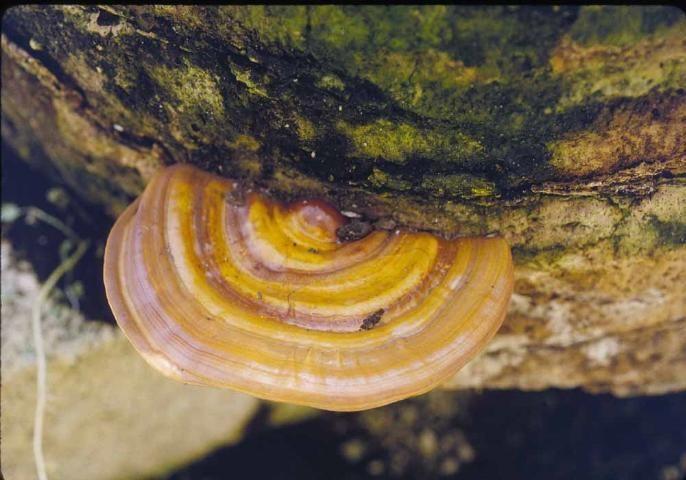
Ganoderma Butt Rot is one of the most serious palm health problems Florida homeowners encounter because there is currently no cure once a tree becomes infected. The fungus attacks the lower trunk, weakening the structural integrity of the palm from the inside out. During inspections, one challenge with Ganoderma is that the palm may appear relatively normal until significant internal decay has already occurred. This is why visual appearance alone cannot always determine whether a palm is structurally safe.
Signs to watch for:
- Wilting or drooping canopy
- Older fronds dying prematurely
- Hollow or weakened trunk
- Shelf-like mushroom (conk) growingnear the base
Can it be treated? Unfortunately, no.
Once confirmed, removal is typically the safest option to reduce potential hazards, especially before Florida’s storm season arrives.
2. Fusarium Wilt
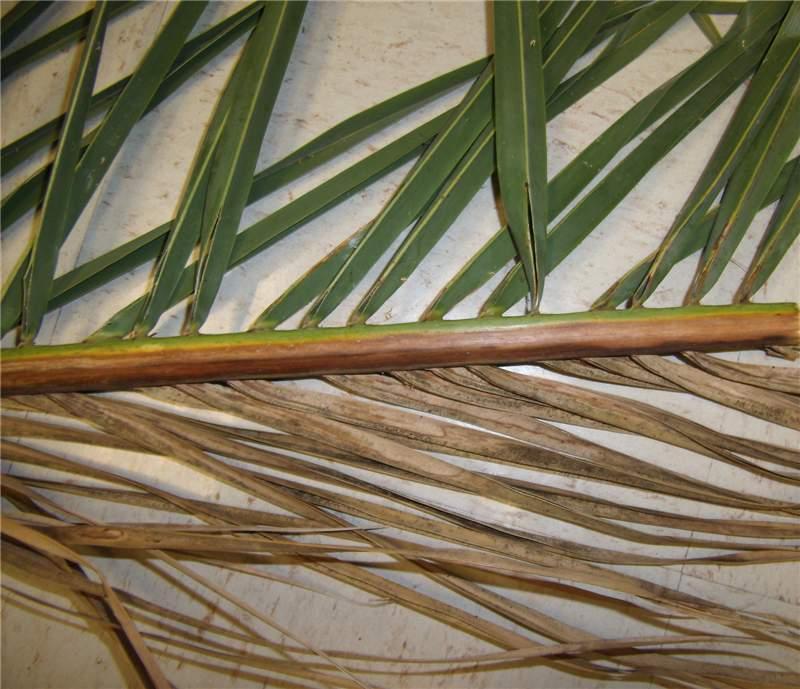
Fusarium Wilt is a fungal disease that commonly affects Queen Palms and Mexican Fan Palms. Unlike nutrient deficiencies that usually discolor an entire canopy evenly, Fusarium Wilt often causes one side of a frond to brown before the entire leaf dies.
Common symptoms include:
- Browning on only one side of a frond
- Progressive canopy decline
- Premature leaf death
- Permanent damage to vascular tissue
Improper pruning equipment can spread this disease from one palm to another if tools are not properly disinfected.
Professional diagnosis is important because symptoms may resemble other health problems. We often find that homeowners initially mistake Fusarium Wilt for normal aging or a simple fertilizer issue. However, because this disease affects the palm’s vascular system, applying nutrients alone will not correct the underlying problem.
3. Lethal Bronzing Disease
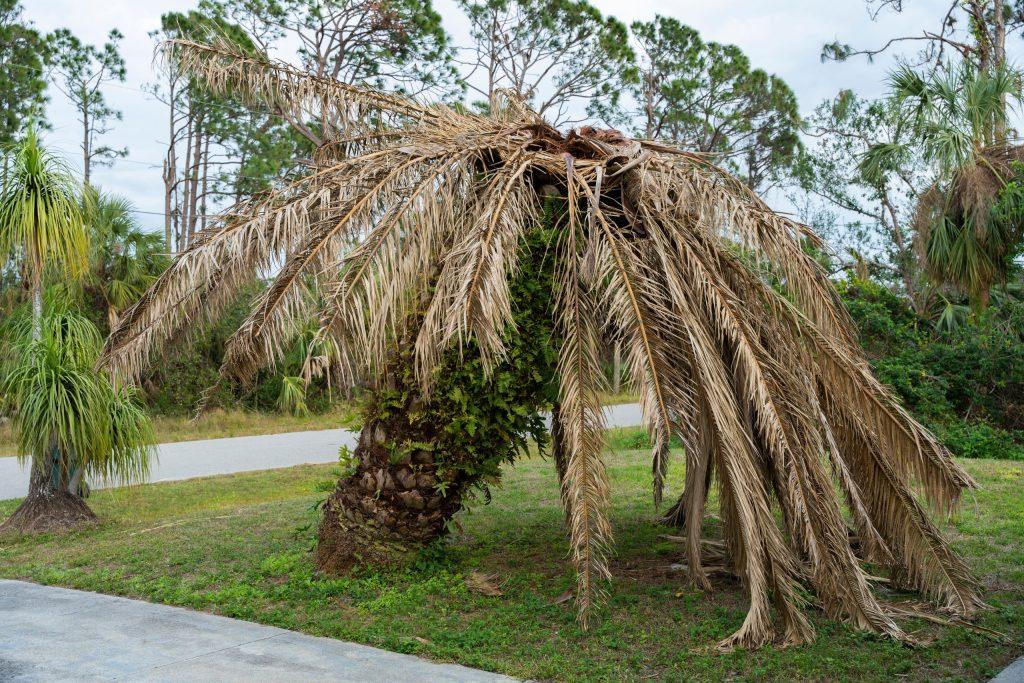
Lethal Bronzing Disease is a serious bacterial disease that affects several types of palm trees in Florida. It disrupts the tree’s ability to move nutrients, causing the fronds to discolor, wilt, and eventually die. The disease has become increasingly common and is known to affect popular palm tree varieties such as Sabal palms, Queen palms, and Phoenix species. Early detection and prompt treatment by a certified arborist can help protect nearby palms and reduce the spread of the disease.
Early symptoms often include:
- Premature fruit drop
- Browning flower stalks
- Lower fronds turning bronze
- Gradual canopy decline
4. Bud Rot Disease
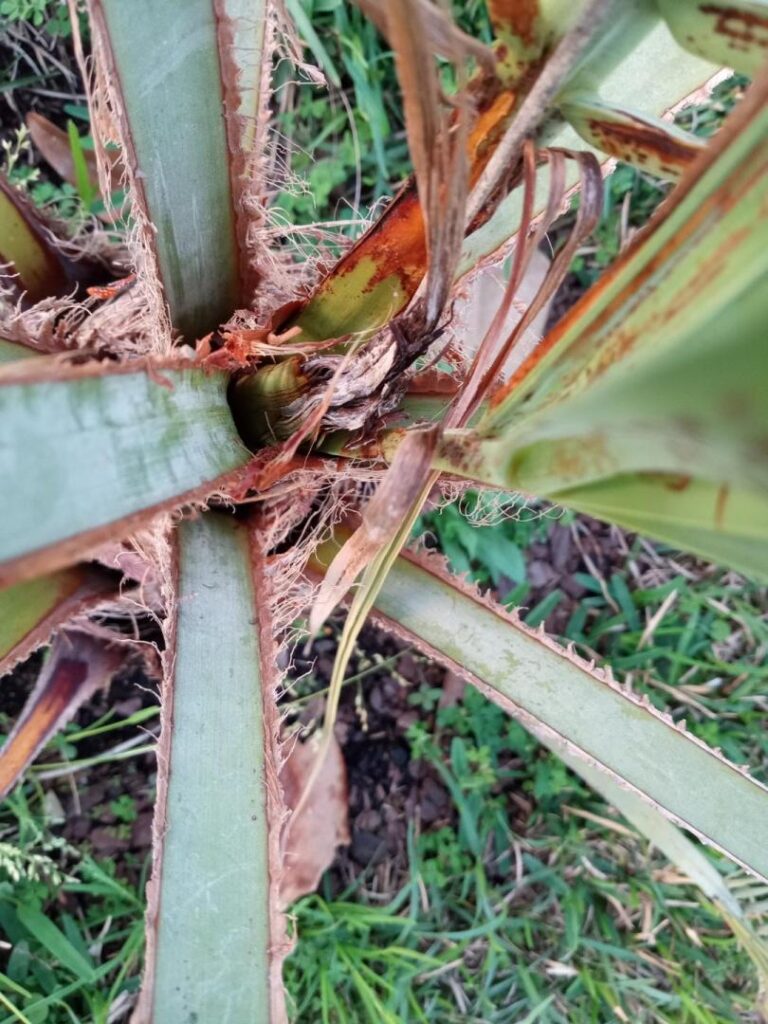
Bud Rot Disease is a fungal disease that attacks the growing point, or “heart,” of a palm tree at the top of its trunk. Since palms grow from this single bud, damage to it can stop new growth and eventually kill the entire tree. Common signs include yellowing or wilting fronds and a soft or rotting crown. Early treatment is essential to improve the tree’s chances of survival.
Bud Rot often develops after:
- Hurricane damage
- Extended heavy rainfall
- Cold injury
- Mechanical wounds
Warning signs include:
- Spear leaf pulls out easily
- Soft or rotting crown
- Foul odor
- Rapid canopy collapse
Quick action is essential because advanced infections leave little opportunity for recovery. After Florida storms, we often see homeowners focus only on visible wind damage while overlooking hidden problems that develop afterward. Broken fronds, damaged crowns, and excess moisture can create opportunities for disease to take hold weeks or months later.
5. Leaf Spot Diseases
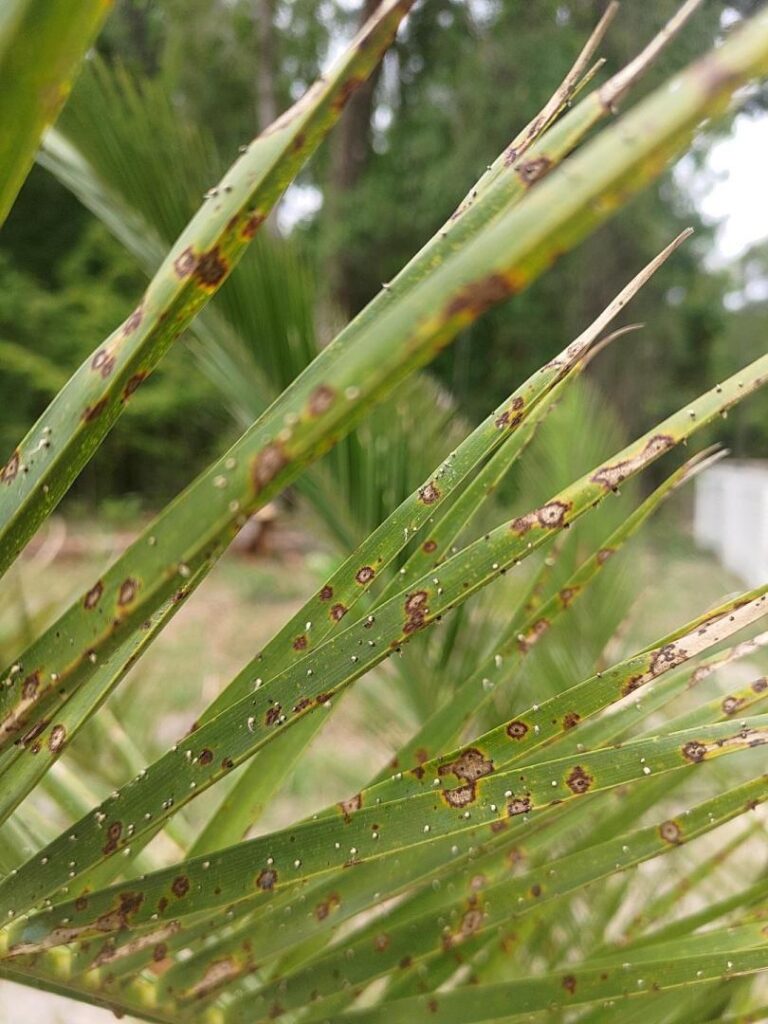
Leaf Spot Diseases are common fungal infections that cause brown, black, yellow, or gray spots to appear on palm fronds. While they rarely kill healthy, mature palms, they can make trees look unhealthy and put additional stress on already weakened palms.
Good maintenance, such as improving air circulation, avoiding overhead watering, and removing heavily infected fronds, can help prevent the disease from spreading. Early care keeps your palm trees healthier and more attractive.
Why Palm Trees in Central Florida Are More Vulnerable
Although palm trees thrive in Florida’s climate, they can become more susceptible to disease when environmental stress weakens their natural defenses.
Several local factors can increase disease pressure throughout Ocala and surrounding communities:
- Long periods of humidity
- Frequent afternoon rainstorms
- Hurricane and tropical storm damage
- Sandy soils with inconsistent nutrient retention
- Improper pruning practices
- Overwatering or poor drainage
Many homeowners assume palms are maintenance-free because they tolerate heat well. In reality, consistent palm tree care helps reduce stress, improve resilience, and support long-term health.
It’s also important not to assume yellowing fronds are simply a sign of nutrient deficiency. Similar symptoms can result from disease, root damage, poor drainage, or other environmental factors. Identifying the underlying cause before applying fertilizer or other treatments helps avoid unnecessary expenses and ensures the most effective solution.
How to Treat Palm Tree Diseases Successfully
Treating palm tree diseases starts with identifying the underlying cause. Similar symptoms, such as yellowing fronds, browning leaves, or canopy thinning, can result from disease, nutrient deficiencies, poor drainage, or environmental stress. An accurate diagnosis ensures the right treatment is used and helps prevent further damage.
If you’re searching for palm tree services near me, choose a company experienced in diagnosing Florida-specific palm diseases. Correctly identifying the problem is essential because each disease requires a different management approach.
If you’re searching for “palm tree services near me” in Ocala or Marion County, Native Tree of Central Florida has the expertise to diagnose and treat Florida-specific palm diseases. Correctly identifying the problem is essential because each disease requires a different management approach. Our experienced team provides professional inspections, accurate diagnoses, and effective treatment plans to help keep your palms healthy year-round.
Treatment may include:
- Professional disease diagnosis
- Fungicide applications, when appropriate
- Nutrient management
- Irrigation adjustments
- Removal of infected plant material
- Monitoring nearby palms for early signs of disease
Applying the wrong treatment can waste time and money while allowing the disease to continue progressing. Early diagnosis and targeted care provide the best opportunity to protect your palm and nearby trees.
Healthy Palms Start With Preventive Care
Preventive care is one of the most effective ways to keep palm trees healthy and reduce the risk of disease. Routine maintenance helps identify potential problems early, making treatment easier and often less expensive than removing a severely damaged tree.
A proactive care plan may include:
- Regular canopy inspections
- Proper fertilization schedules
- Correct pruning techniques
- Monitoring for insect activity
- Improving drainage around the root zone
- Inspecting palms after major storms
Consistent preventive care supports healthy growth, improves the appearance of your landscape, and helps extend the lifespan of your palm trees.
Conclusion
Palm diseases don’t always announce themselves with dramatic symptoms. More often, they begin with subtle changes that homeowners overlook until significant damage has occurred. Recognizing the warning signs early and understanding that every disease requires a different approach can greatly improve the chances of preserving your landscape investment.
If you’ve noticed unusual discoloration, declining fronds, or signs of stress in your palms, a professional evaluation can provide clarity before minor problems become costly ones. Understanding proper palm tree treatment options is also important, but the right solution depends on accurately identifying the cause of decline first.
Our goal is to help homeowners throughout Ocala and Central Florida protect their trees through accurate diagnosis, honest recommendations, and practical long-term care.
Save Your Palm Tree Before It’s Too Late
A palm tree showing yellowing fronds, wilting leaves, or unusual spots may be suffering from a serious disease. The good news is that many common palm diseases can be managed when caught early. Prompt diagnosis and professional care are essential to protecting your investment and preventing the disease from spreading.
Call us today at (352) 561-3626 or reach us via e-mail at sales@nativetreecf.com to schedule your professional tree service.
Frequently Asked Questions
What are the most common palm tree diseases in Florida?
The most common palm tree diseases in Florida include Ganoderma Butt Rot, Fusarium Wilt, Lethal Bronzing Disease, Bud Rot, and various Leaf Spot diseases. Florida’s humidity and warm temperatures create favorable conditions for many fungal and bacterial infections.
Can a diseased palm tree recover?
Some palm diseases can be managed successfully when detected early, while others, such as Ganoderma Butt Rot, have no known cure. A professional evaluation is the best way to determine whether treatment is possible.
How often should palm trees be inspected?
Healthy palms should be inspected at least once a year. Properties with mature palms, recent storm damage, or recurring health issues may benefit from more frequent professional inspections.
How do I choose the right palm tree services near me?
Look for a company that is fully insured, has ISA-Certified Arborists, understands Florida palm species, and provides a proper evaluation before recommending treatment or removal. A reputable provider should explain why a palm is declining and discuss options instead of immediately recommending removal.
What causes palm tree leaves to turn yellow?
Yellowing palm leaves can be caused by several factors, including nutrient deficiencies, overwatering, poor drainage, drought stress, root damage, or diseases such as Fusarium Wilt and Lethal Bronzing Disease. Because different problems can produce similar symptoms, an accurate diagnosis is important before applying fertilizer or other treatments.