
Key Takeaways
- Tree sap is a natural part of a tree’s defense system, but excessive, unusual, or persistent sap flow may indicate underlying health problems.
- In Central Florida, insect activity, fungal diseases, storm damage, heat stress, and mechanical injuries commonly trigger abnormal sap production.
- Not every leaking tree requires removal, but unexplained sap should never be ignored until the cause is identified.
- A professional tree inspection can determine whether sap is part of a normal healing process or an early warning sign of structural or biological decline.
- Working with a fully insured, ISA-Certified Arborist helps homeowners receive accurate recommendations while reducing safety and liability risks.
While minor sap flow is a natural part of a tree’s healing process, excessive leaking, dark staining, or sap appearing in unexpected locations often signals underlying issues. These symptoms can be early warning signs of pest infestations, fungal diseases, internal decay, or structural damage. For homeowners in Ocala and across Central Florida, identifying these red flags early is critical to preserving tree health, minimizing property risk, and avoiding costly removals. Our ISA-certified arborists explain exactly when persistent sap flow requires a professional risk assessment to protect your landscape.
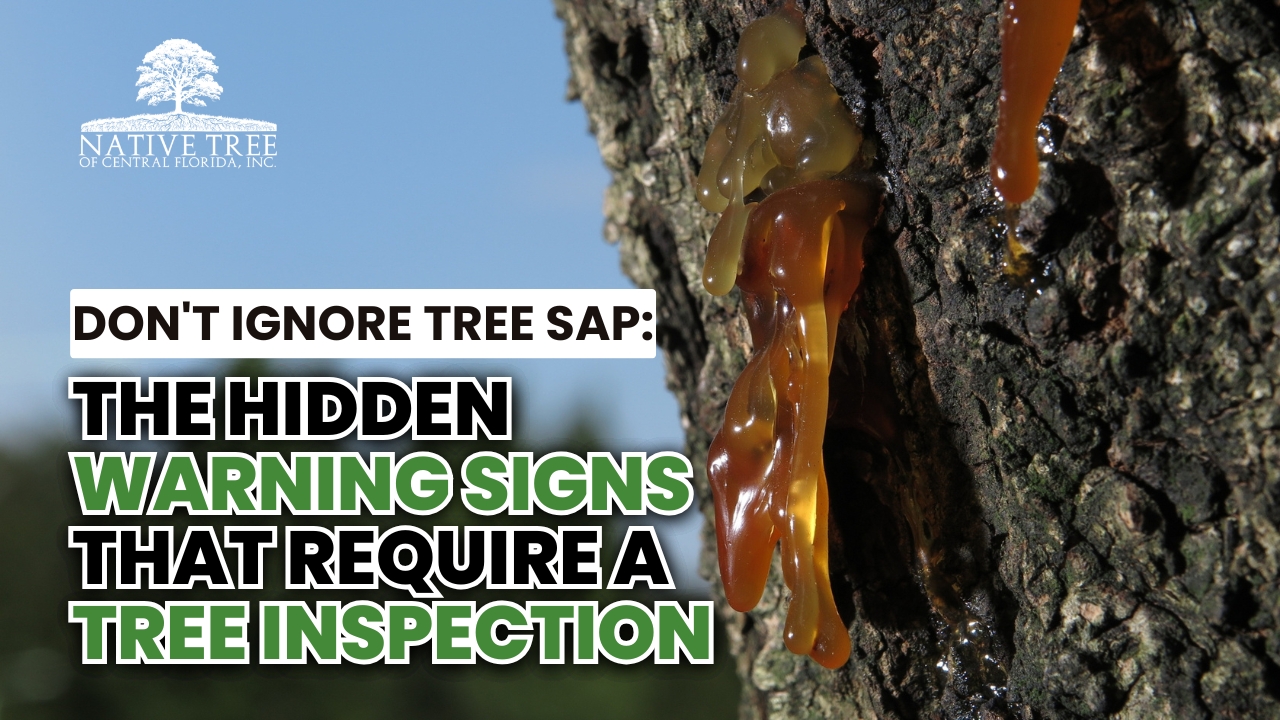
Many homeowners assume sticky sap running down a trunk is simply a messy inconvenience. Some immediately start looking for a tree sap remover to clean sticky residue from nearby cars, patios, or outdoor furniture. In reality, unusual sap flow is sometimes a tree’s way of signaling that something beneath the bark deserves closer attention. While many trees naturally produce sap during seasonal growth, excessive leaking, dark staining, or sap appearing after damage can indicate insects, disease, internal decay, or physical injury that warrants a professional tree inspection.
For homeowners throughout Ocala and Central Florida, recognizing these subtle warning signs early often leads to less invasive treatments, healthier trees, and lower long-term maintenance costs.
Table of Contents
What Is Tree Sap?
Tree sap is a vital fluid that transports water, minerals, nutrients, and sugars throughout a tree to support growth and health. Beyond acting as a circulatory system, sap serves as a natural defense mechanism. It functions by sealing wounds, protecting internal tissue from infection, and creating a sticky barrier against invasive insects and pathogens when the bark is damaged. Understanding this process helps homeowners recognize that while sap is essential for tree survival, abnormal flow or appearance can be a sign that the tree’s defense system is under stress.
Because sap serves several important functions, seeing it isn’t automatically a cause for concern. The key question is whether the amount, location, or appearance of the sap suggests an underlying health issue that requires further evaluation.
When Tree Sap Is Perfectly Normal
Not every sticky trunk signals trouble.
Several situations produce normal sap flow, including:
- Fresh pruning wounds
- Minor branch breakage
- Seasonal growth spurts
- Natural bark expansion
- Certain tree species that naturally produce more resin than others
Many pine trees, sweetgums, and some ornamental species commonly found around Ocala naturally release noticeable sap during active growing periods.
The difference lies in the amount, location, duration, and accompanying symptoms.
Hidden Warning Signs That Sap May Be Signaling a Bigger Problem
While tree sap is often part of a tree’s natural healing process, excessive or persistent sap can also signal underlying problems that require closer attention. Common warning signs include insect activity beneath the bark, diseases entering through wounds, hidden storm damage, mechanical injuries, and environmental stress. These issues may not always be visible from the outside, but they can weaken a tree over time. Identifying the cause early through a professional tree inspection can help prevent further decline and protect the tree’s long-term health.
Insect Activity Beneath the Bark
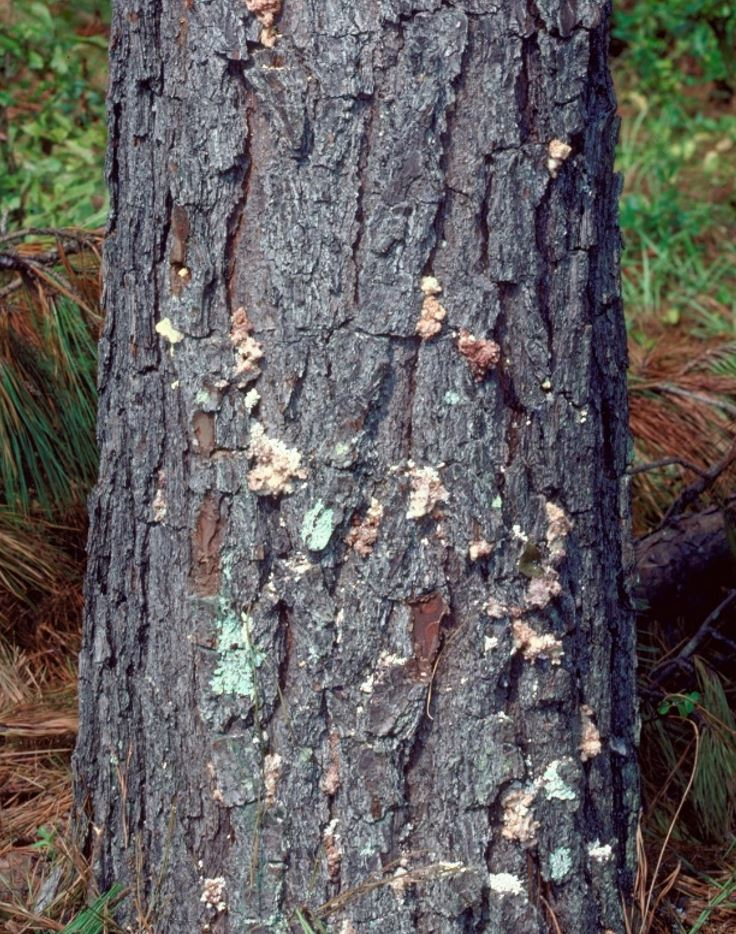
One of the most overlooked causes of excessive sap is insect damage. Borers, bark beetles, and other wood-boring insects tunnel beneath the bark, causing trees to release sap as a defensive response. Homeowners often notice small holes surrounded by sticky pitch before realizing insects are actively feeding inside the trunk.
Because much of the damage occurs beneath the surface, the tree may appear healthy from a distance while internal tissues continue to deteriorate.
Disease Entering Through Wounds
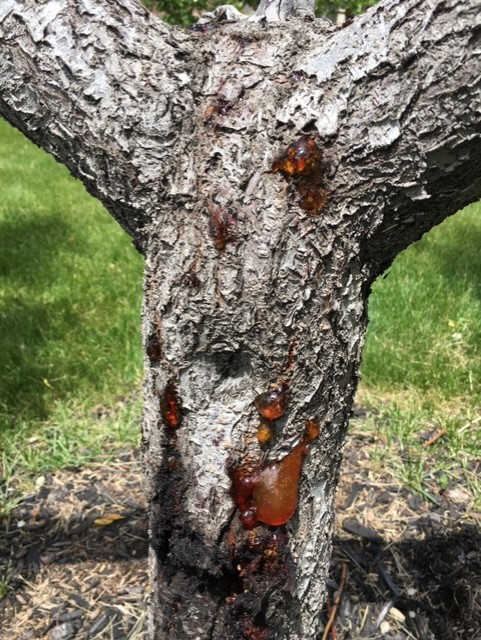
Florida’s humid climate creates favorable conditions for many fungal diseases. When bark becomes damaged, whether from lawn equipment, improper pruning, lightning, or storm debris, fungi can enter exposed tissues. Some diseases trigger persistent sap flow as the tree attempts to compartmentalize the affected area.
During a tree health inspection, we evaluate whether the sap is associated with a superficial wound or a more serious infection affecting the tree’s long-term stability.
Storm Damage That Isn’t Obvious
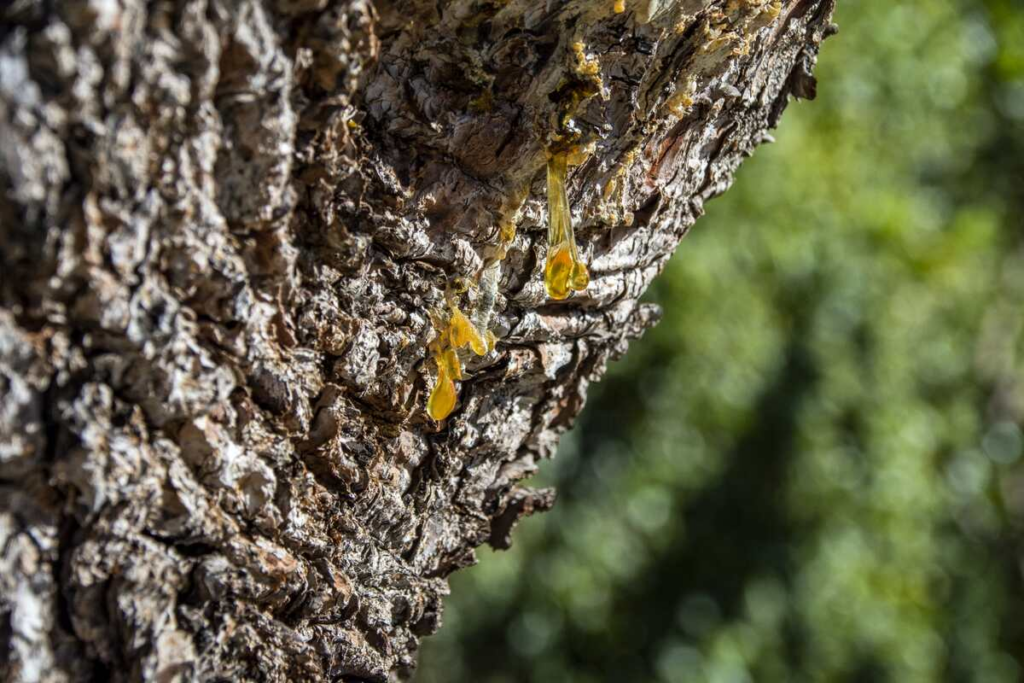
After Florida’s summer thunderstorms, homeowners usually look for broken limbs. What often goes unnoticed are small trunk cracks, branch attachments that have partially failed, or bark injuries hidden beneath the canopy.
Weeks later, sap begins to appear. By then, internal damage may already be progressing. This is why post-storm evaluations are just as valuable for trees that appear unharmed as they are for visibly damaged ones.
Mechanical Injuries Around the Base
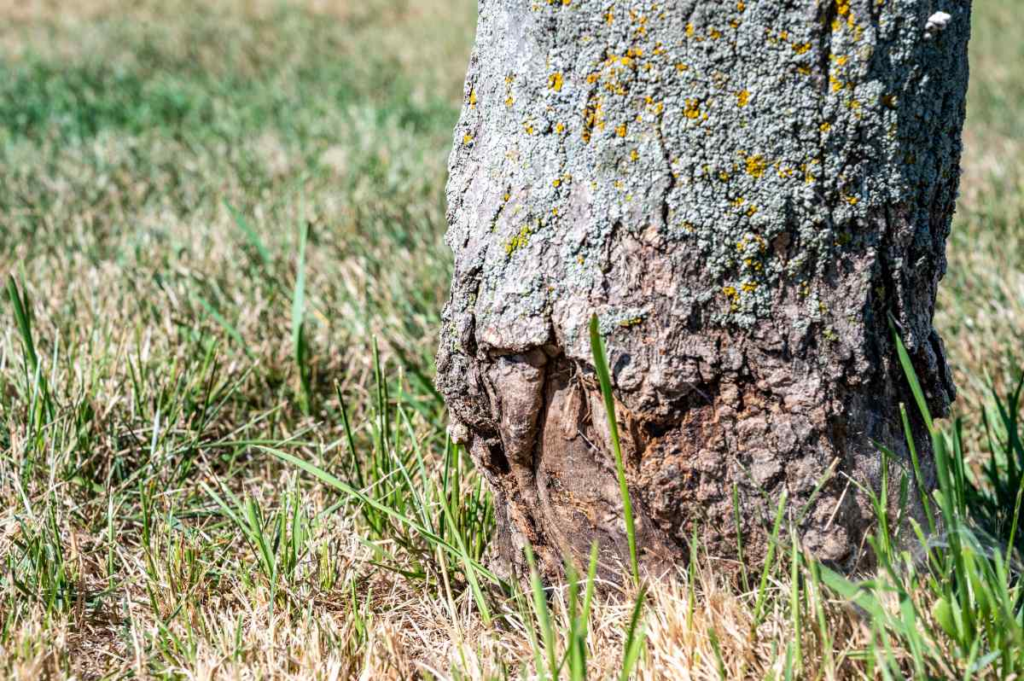
Lawn mowers, string trimmers, construction equipment, and even vehicles frequently injure tree bark. These wounds interrupt the tree’s protective outer layer and often trigger sap production.
Unfortunately, repeated injuries create permanent entry points for decay organisms. Many homeowners don’t connect a small scrape near the trunk with declining canopy health several years later.
Heat and Environmental Stress
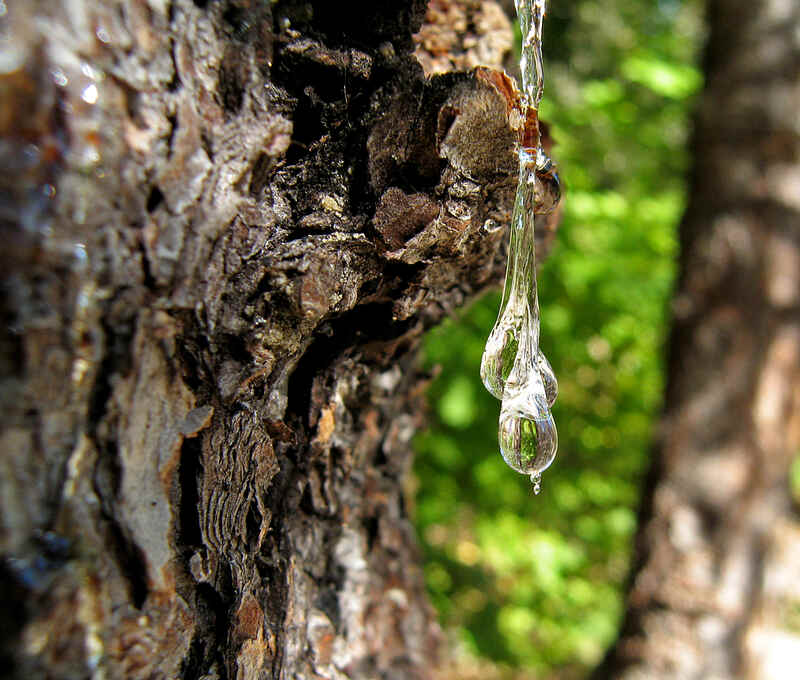
Central Florida’s intense summer heat, sandy soils, and fluctuating rainfall place continuous stress on landscape trees.
Trees weakened by drought stress, compacted soil, or poor root conditions may become more vulnerable to insects and disease, indirectly increasing abnormal sap production. Healthy roots often determine whether a tree can recover from these environmental pressures.
Why DIY Diagnosis Often Misses the Real Problem
DIY diagnosis often misses the real problem because tree sap is a symptom, not a diagnosis. Similar-looking sap can be caused by harmless healing, insect activity, disease, internal decay, or structural damage, making it difficult to determine the true cause through online research or visual inspection alone. While learning what tree sap is and whether sap leaking from a tree is normal can be helpful, identifying the underlying issue requires evaluating the tree as a whole rather than focusing on the sap itself.
The reality is that two trees can produce nearly identical sap flow while requiring completely different solutions. For example:
- One tree may simply be sealing a minor wound caused by weather, insects, or routine branch damage.
- Another may be suffering from hidden internal decay, disease, or structural damage that extends deep inside the trunk.
- Similar sap patterns can have very different underlying causes, making visual comparisons unreliable.
- Without specialized training and proper assessment, it’s difficult to distinguish a tree’s natural defense mechanism from early warning signs of decline.
This is why professional tree inspection services evaluate far more than visible sap. An arborist examines the tree’s overall health, structural stability, trunk condition, root system, canopy, and surrounding environment to identify the true source of the problem. By diagnosing the underlying cause instead of just the symptom, homeowners can address issues early and avoid more extensive damage, safety hazards, or costly tree removal later.
What Happens During a Professional Tree Health Inspection?
A professional tree health inspection evaluates the entire tree to identify the underlying cause of visible symptoms, such as excessive sap, declining foliage, or structural concerns. Rather than focusing only on the bark, our professional tree health inspection services examine the trunk, canopy, roots, overall health, and surrounding site conditions to detect hidden issues that may affect the tree’s stability, safety, and long-term health.
Depending on the tree’s condition and symptoms, the evaluation may include:
- Trunk condition assessment
- Root flare inspection
- Canopy density evaluation
- Signs of insect activity
- Disease indicators
- Structural defects
- Soil and drainage observations
- Previous pruning quality
- Storm-related damage
- Overall risk assessment
Rather than recommending unnecessary work, the goal is to identify the underlying cause and determine the safest, most practical course of action.
Sometimes monitoring is all that’s needed.
Other times, early intervention prevents much larger problems later.
How Much Does a Tree Inspection Cost?
The cost of a tree inspection varies depending on factors such as the number of trees being evaluated, property size, accessibility, the complexity of the issue, and whether specialized diagnostic equipment is needed. Because every tree and situation is different, there is no one-size-fits-all price. A professional inspection helps identify problems early, which can often reduce the risk of more extensive damage and higher long-term costs.
The answer depends on several factors, including:
- Number of trees being evaluated
- Property size
- Accessibility
- Complexity of the symptoms
- Whether advanced diagnostic equipment is required
If you’re asking, “How much does a tree inspection cost?“, the answer varies based on the scope of the evaluation and the condition of the tree. Identifying a developing issue early is often far less expensive than dealing with emergency tree removal, property damage, or treating widespread decline after problems have progressed.
Conclusion
Tree sap can offer valuable insight into what’s happening beneath a tree’s bark. While many cases are perfectly normal, persistent sap flow, unusual staining, insect activity, or other signs of decline warrant closer attention, especially in Ocala’s hot, humid climate, where storms, pests, and fungal diseases are common.
When you’re unsure whether sap is part of a tree’s natural healing process or an indication of a more serious issue, a professional evaluation provides the answers you need. At Native Tree of Central Florida, our ISA-Certified Arborists perform thorough inspections, explain their findings in clear, straightforward language, and recommend practical solutions based on your tree’s actual condition, not unnecessary services. That way, you can make informed decisions with confidence while helping protect your landscape, your property, and the long-term health of your trees.
Is Your Tree Trying to Tell You Something?
Tree sap may seem harmless, but excessive sap flow can be an early warning sign of disease, pest infestations, internal decay, or structural damage. Ignoring these signs could put your tree, and your property, at risk. A professional inspection can identify the root cause before it turns into a costly problem.
Call us today at (352) 561-3626 or reach us via e-mail at sales@nativetreecf.com to schedule your professional tree service.
Frequently Asked Questions
When should I schedule a tree inspection for a tree that's leaking sap?
If a tree continues leaking sap for several weeks, produces sap in multiple areas, or shows additional symptoms such as cracked bark, dead branches, sawdust-like material, insect holes, or canopy thinning, it’s time to schedule a professional inspection. While some sap flow is a normal response to minor injuries, persistent or unusual sap production may indicate underlying health or structural issues that are best evaluated by an ISA-Certified Arborist.
Can Florida's summer heat cause trees to produce more sap?
Yes. Florida’s hot temperatures, high humidity, and periods of drought can place trees under environmental stress, making them more susceptible to insects, diseases, and bark injuries that may trigger increased sap production. While heat alone doesn’t always cause excessive sap flow, it can weaken a tree’s natural defenses and contribute to conditions that lead to abnormal sap leakage.
Should I seal or paint a tree wound that's leaking sap?
In most cases, no. Modern arboriculture generally does not recommend sealing or painting tree wounds because these products can trap moisture, interfere with the tree’s natural healing process, and may even encourage decay in some situations. Instead, the priority is identifying what caused the wound and whether the tree is otherwise healthy. A professional tree inspection can determine if treatment, monitoring, or corrective pruning is the most appropriate course of action.
Should I remove sap from my tree?
Generally, no. Sap helps protect wounds while they heal. Instead of removing sap from the tree itself, focus on identifying why it’s being produced. If sap has dripped onto vehicles, patio furniture, or other outdoor surfaces, a quality tree sap remover can safely clean the sticky residue. However, cleaning the sap should never replace determining why the tree is producing it in the first place.
Can too much sap attract insects to my tree?
Yes. While sap itself is part of a tree’s natural defense system, excessive sap flow can attract insects such as ants, beetles, and other pests. In some cases, the insects are simply feeding on the sap, while in others, wood-boring insects may be the reason the tree is producing excess sap in the first place. A professional inspection can determine whether insect activity is a symptom or the underlying cause of the problem.