
Key Takeaways
- A treeless backyard can become significantly hotter than a shaded landscape, making outdoor spaces less enjoyable during Central Florida summers.
- Trees naturally cool your property through shade and evapotranspiration, helping reduce surface temperatures and improving outdoor comfort.
- A well-planned landscape can also lower long-term maintenance costs, protect lawns from heat stress, and improve curb appeal.
- Not every yard needs dozens of trees, the right species, placement, and spacing matter more than quantity.
- Ocala homeowners should choose trees suited to sandy soils, seasonal storms, and Florida’s humid climate.
- Professional planning helps avoid future problems such as root conflicts, poor tree placement, and storm-related hazards.
- Working with ISA-Certified Arborists ensures trees are selected, planted, and evaluated for long-term health, safety, and property value.
Florida homeowners often focus on patios, pools, and outdoor furniture when upgrading their backyard landscape, but one important feature is often overlooked: trees.
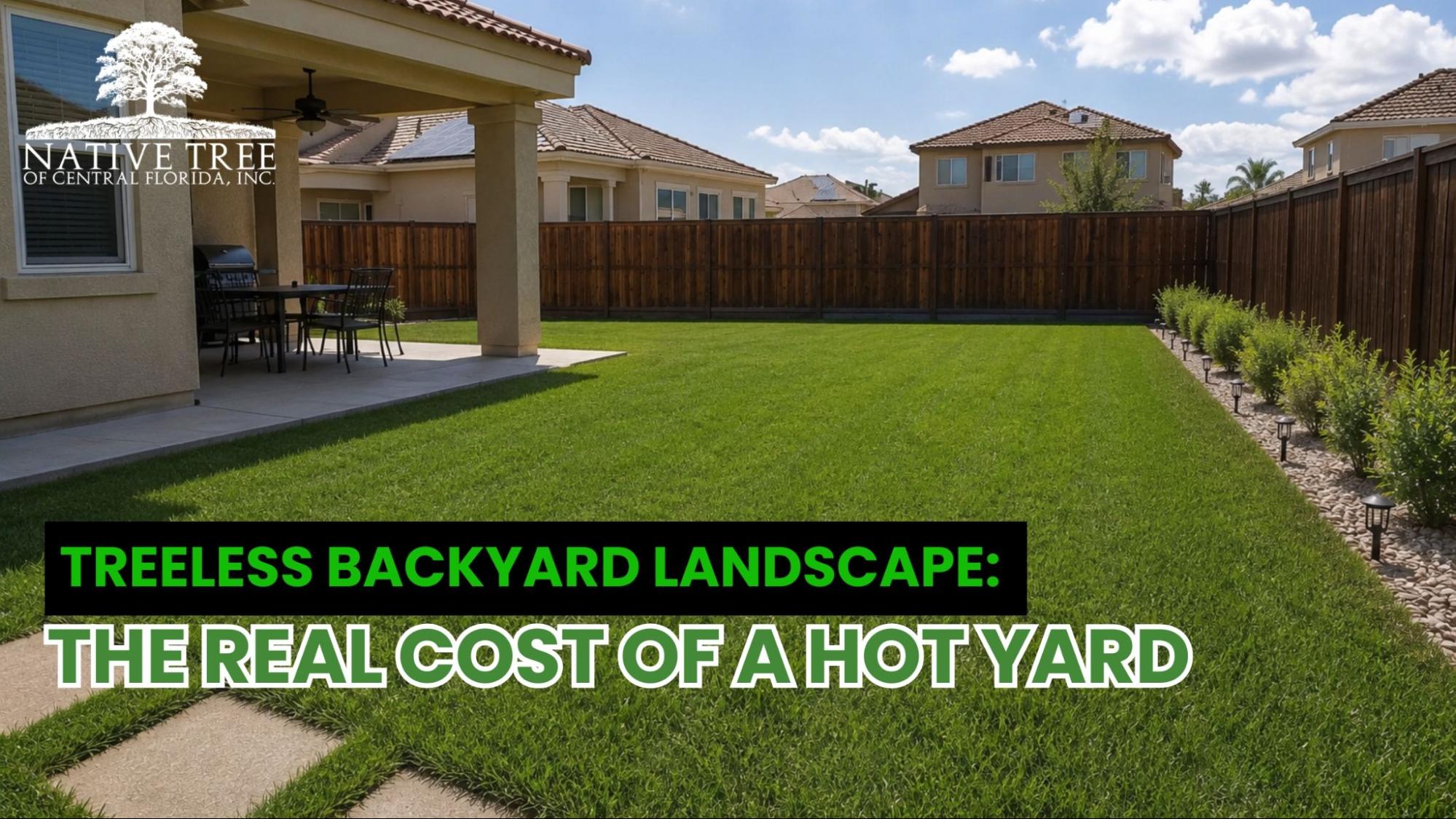
A backyard without trees may appear clean and open, yet it can become one of the hottest areas around your home. During Ocala’s long summers, direct sunlight heats grass, patios, decks, and even outdoor furniture, making the space uncomfortable for much of the day.
More importantly, a treeless yard can cost homeowners more over time, not only in comfort but also in landscape maintenance, lawn health, and overall property value.
Table of Contents
Why Does a Treeless Backyard Feel So Much Hotter?
A backyard with little or no tree canopy absorbs significantly more heat because there is nothing to block direct sunlight or naturally cool the surrounding air. Trees provide shade while releasing moisture through their leaves, reducing surrounding temperatures and creating a noticeably more comfortable outdoor environment.
This cooling effect becomes especially valuable throughout Central Florida, where prolonged sunshine, high humidity, and sandy soils intensify heat during much of the year.
Without trees, heat builds on:
- Concrete patios
- Pool decks
- Artificial turf
- Stone walkways
- Fences
- Outdoor seating areas
- Lawn surfaces
These materials continue radiating heat long after the sun begins to set.
The Hidden Costs of a Treeless Backyard
Many homeowners think removing trees creates an easier landscape to maintain.
In reality, the opposite is often true.
Higher Lawn Maintenance
Grass exposed to full afternoon sun frequently experiences drought stress, even with irrigation.
Homeowners often spend more on:
- Additional watering
- Lawn repairs
- Fertilizers
- Sod replacement
- Seasonal landscape improvements
Over time, these expenses can exceed the investment of properly placed shade trees.
Less Comfortable Outdoor Living
A beautiful patio isn’t very useful if it’s too hot to enjoy. Whether you’re hosting family gatherings, grilling, or simply relaxing outside, excessive heat often limits how often your backyard gets used.
Strategic tree placement creates natural comfort that umbrellas and shade sails can’t fully replicate.
Increased Wear on Landscape Features
Constant sun exposure can shorten the lifespan of many outdoor materials. Wood decks may weather faster, mulch dries out more quickly, and ornamental plants often struggle without protection during peak summer heat.
A thoughtfully designed landscape helps moderate these conditions naturally.
Smart Backyard Landscape Ideas That Add Shade
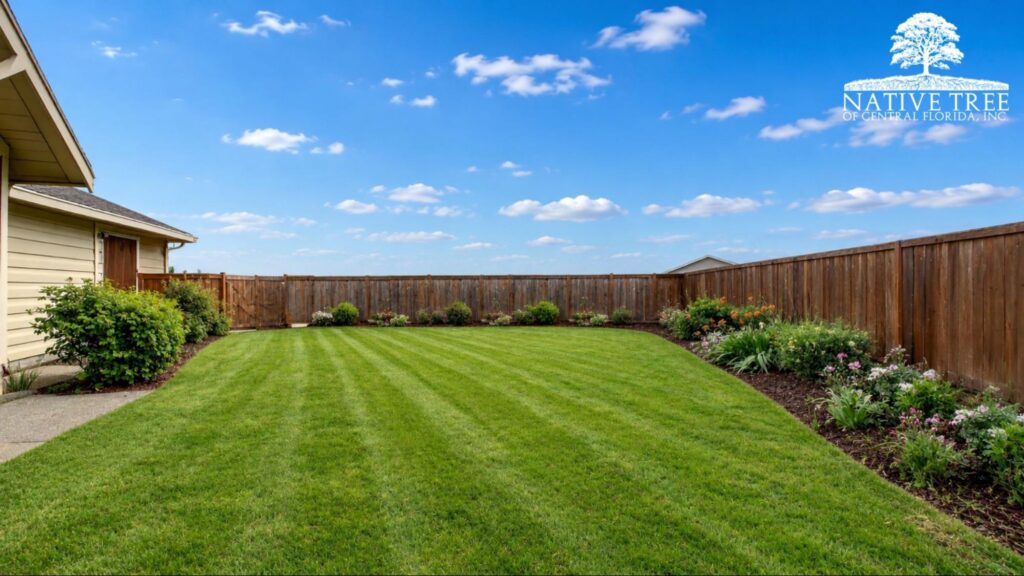
When homeowners search for backyard landscape ideas, many focus on decorative plants or hardscape features first. While these certainly enhance appearance, trees often provide the greatest long-term return. Some effective landscape ideas for backyard spaces include:
Layer Different Heights
Combine:
- Canopy trees
- Smaller ornamental trees
- Native shrubs
- Groundcovers
This layered approach creates visual interest while improving cooling and biodiversity.
Shade High-Use Areas
Instead of planting trees randomly, prioritize locations where people spend the most time, including:
- Outdoor kitchens
- Seating areas
- Patios
- Play spaces
- Pool surroundings
Thoughtful placement provides practical benefits while preserving open views.
Choose Florida-Friendly Species
Not every tree performs equally well in Ocala. Depending on your property, species such as live oak, southern magnolia, bald cypress, or red maple may provide lasting shade while adapting well to local growing conditions. Tree selection should always consider mature size, root space, nearby structures, utilities, and storm resilience.
Looking for the Best Backyard Trees for Central Florida?
Choosing the right tree is one of the most important decisions you can make for your landscape. The ideal species depends on your property’s size, soil conditions, available sunlight, maintenance preferences, and long-term tree care goals. Selecting a tree that’s well-suited to Central Florida’s climate helps promote healthier growth, reduces maintenance, and minimizes potential issues in the future.
Instead of choosing solely based on appearance or growth rate, it’s important to consider the tree’s mature size, canopy spread, root system, and how it will fit within your landscape for years to come.
To help homeowners make an informed decision, we’ve put together a detailed guide featuring the best shade trees for Central Florida, including their benefits, growing habits, and what to consider before planting.
👉 Read our guide: Cool Down Your Yard: The Top 10 Shade Trees for Central Florida Homes
If you’re unsure which tree is best for your property, the team at Native Tree of Central Florida can evaluate your landscape and recommend species that provide long-term beauty, healthy growth, and lasting value.
Why Trust Native Tree of Central Florida for Landscape Planning?
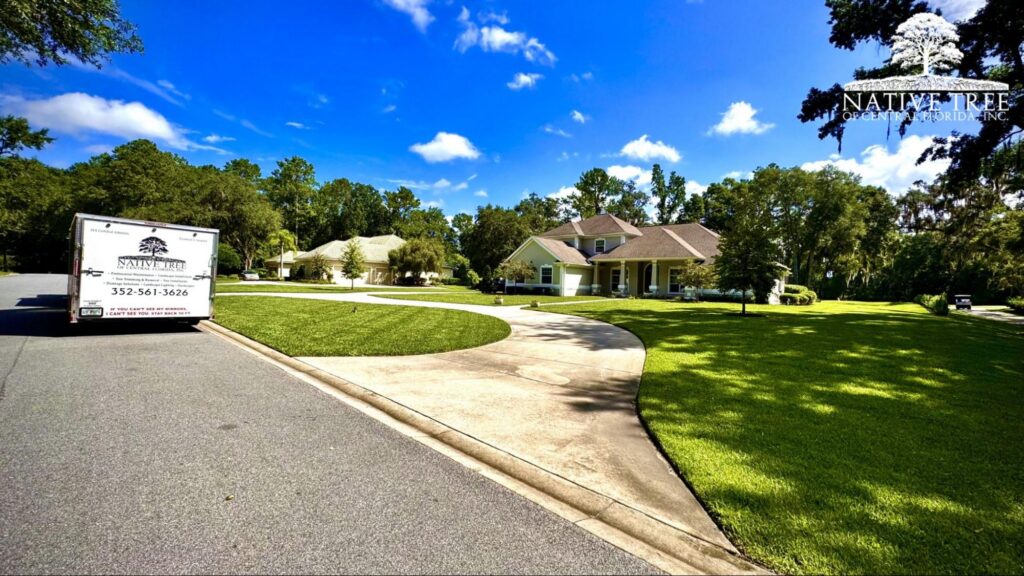
Trees are long-term investments. Choosing the wrong species or placing the right species in the wrong location can affect your property for decades. That’s why professional tree evaluations are valuable before making significant landscape changes.
At Native Tree of Central Florida, our ISA-Certified Arborists help homeowners throughout Ocala and the surrounding Central Florida communities make informed decisions about tree selection, placement, and long-term landscape health. Rather than simply planting trees wherever space allows, we evaluate how each tree will grow and interact with your property over time.
Our recommendations consider safety, mature size, root development, maintenance requirements, soil conditions, and how each tree contributes to the overall function and beauty of your landscape. When needed, we also provide professional tree inspections and tree risk assessments to help ensure your existing trees remain healthy, safe, and an asset to your property for years to come.
How Much Does It Cost to Landscape a Backyard?
The answer depends on several factors, including:
- Backyard size
- Existing landscaping
- Number of trees
- Irrigation needs
- Soil preparation
- Hardscape additions
- Plant selection
For many homeowners asking how much does it cost to landscape a backyard, the biggest value isn’t simply installation costs, it’s creating a landscape that remains attractive, comfortable, and easier to maintain for years to come.
A thoughtful design often reduces future maintenance expenses while increasing the enjoyment and usability of outdoor living spaces.
Conclusion
A backyard should be more than an open space, it should be a place where your family can comfortably relax throughout the year.
If your property feels excessively hot, the solution may not be another patio cover or larger umbrella. Thoughtfully selected and properly positioned trees can transform how your outdoor space looks, feels, and functions while supporting the long-term health of your landscape.
If you’re considering new landscaping or wondering whether your current property could benefit from additional shade, we’re here to provide honest guidance. Our team combines local experience, professional evaluations, and ISA-certified expertise to help homeowners throughout Ocala and Central Florida make informed decisions that support both beauty and safety for years to come.
Make the Most of Your Backyard Investment
A cooler, healthier backyard starts with thoughtful planning, not just adding more plants. Whether you’re considering new trees or exploring professional landscaping services, our ISA-Certified Arborists can evaluate your property and recommend solutions that fit your goals, your home, and Central Florida’s unique growing conditions.
Call us today at (352) 561-3626 or reach us via e-mail at sales@nativetreecf.com to schedule your professional tree service.
Frequently Asked Questions
What are the best shade trees for backyards in Central Florida?
Some of the best shade trees for Central Florida backyards include live oak, southern magnolia, bald cypress, red maple, and Florida elm. The ideal choice depends on your property’s size, soil conditions, available growing space, and how much maintenance you’re willing to perform. An ISA-Certified Arborist can recommend the right species based on your landscape and long-term goals.
What are the best trees for a backyard in Ocala?
The ideal tree depends on your property’s size, soil, drainage, and available space. Species such as live oak, southern magnolia, bald cypress, and red maple are commonly suited to many Central Florida landscapes when planted in appropriate locations.
Can I landscape a backyard with existing mature trees?
Absolutely. Existing trees often become the foundation of an attractive landscape design. Professional planning helps preserve healthy trees while integrating new plantings and outdoor living features.
Should I consult an arborist before planting trees?
Yes. An ISA-Certified Arborist can recommend suitable species, evaluate planting locations, identify potential risks, and help ensure your landscape remains healthy, functional, and safe as trees mature.
How far should shade trees be planted from my house?
The ideal planting distance depends on the tree species and its mature size. Large shade trees, such as live oaks, generally require more space than smaller ornamental trees to allow for healthy root development and canopy growth. Planting trees in the proper location helps reduce the risk of root conflicts, branch overhang, and future maintenance issues. An ISA-Certified Arborist can recommend appropriate spacing based on your property’s layout and the tree’s expected mature size.