
Key Takeaways
- Hurricane cuts remove too many healthy fronds, weakening palms instead of protecting them during storms.
- Proper palm pruning removes only dead, damaged, or hazardous fronds to maintain tree health and stability.
- Over-pruning can increase the risk of disease, sun damage, nutrient deficiencies, and long-term decline.
- Most Florida palms do not need hurricane cuts—selective pruning by an ISA-Certified Arborist is the safest approach.
- Before hurricane season, invest in professional palm care based on expertise and quality, not just the lowest price.
A hurricane cut is one of the most misunderstood palm pruning practices in Central Florida. It typically involves removing most healthy fronds and leaving a sparse crown under the belief that it improves storm resistance. In reality, it can increase stress and long-term vulnerability when done incorrectly.
Table of Contents
What a Hurricane Cut Actually Looks Like in Practice
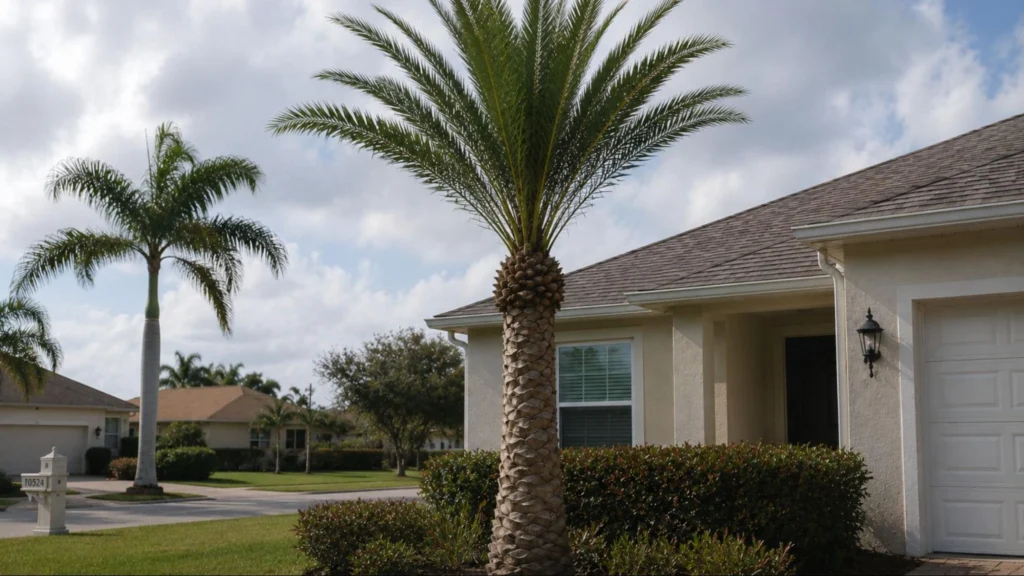
Palm pruning exists on a spectrum depending on tree condition, species, and environment.
Most responsible pruning focuses on removing only:
- Dead fronds
- Declining fronds
- Structurally damaged growth
Some selective reduction may be appropriate when fronds are uneven or interfering with growth, but this is highly situational.
At the far end of the spectrum is what is commonly called a “hurricane cut,” where a large number of healthy fronds are removed for appearance or perceived storm preparation. While it may look “clean,” it often weakens the palm by stripping away too much of its energy system.
This is why a full evaluation is essential before any pruning decision.
The Big Misconception: “Less Fronds = Safer Tree”
One of the most common misconceptions is that removing more fronds makes a palm safer in storms.
In reality:
- Healthy fronds help wind pass through the canopy
- Over-pruned palms become rigid and unbalanced
- Excessive cutting exposes the growth bud to sun damage and disease
- Stress increases vulnerability during high-wind events
A heavily cut palm may look prepared, but it is often biologically weaker when storms arrive.
To understand why this practice is controversial, it helps to define what a hurricane cut palm actually is in practical terms.
Palm Tree Pruning: The Safer Alternative to a Hurricane Cut
In professional arboriculture, proper palm tree pruning is very different from the aggressive “hurricane cut” approach many homeowners associate with storm preparation.
Instead of removing large amounts of healthy fronds, responsible palm tree pruning focuses on selective removal of:
- Dead or dying fronds
- Broken or structurally weak growth
- Seed pods or fruit stalks when necessary for safety
This approach helps maintain the palm’s natural balance, which is essential for wind resistance and long-term health.
In Central Florida, where storm conditions can change rapidly, palm tree pruning is not about making trees look “clean” or “bare.” It is about preserving structural integrity while reducing only the parts of the tree that pose a real risk.
When done correctly by an ISA-certified arborist, palm tree pruning supports both storm preparedness and long-term resilience, without the damage often caused by over-pruning.
DIY vs Professional Decision-Making
Every hurricane season, homeowners attempt DIY trimming or hire low-cost crews. While results may look acceptable at first, problems often appear later.
| Feature | DIY Risks (Common Pitfalls) | Arborist Evaluation |
|---|---|---|
| Pruning Technique | Removing too many healthy fronds | Storm resilience without over-pruning |
| Tooling & Precision | Using improper cutting tools | Species-specific growth patterns |
| Structural Integrity | Weakening long-term stability | Structural balance & canopy distribution |
| Identification | Misidentifying structural fronds | Environmental exposure assessment |
| Long-term Health | Increasing disease exposure | Identifying existing stress indicators |
Understanding Cost Without the Guesswork
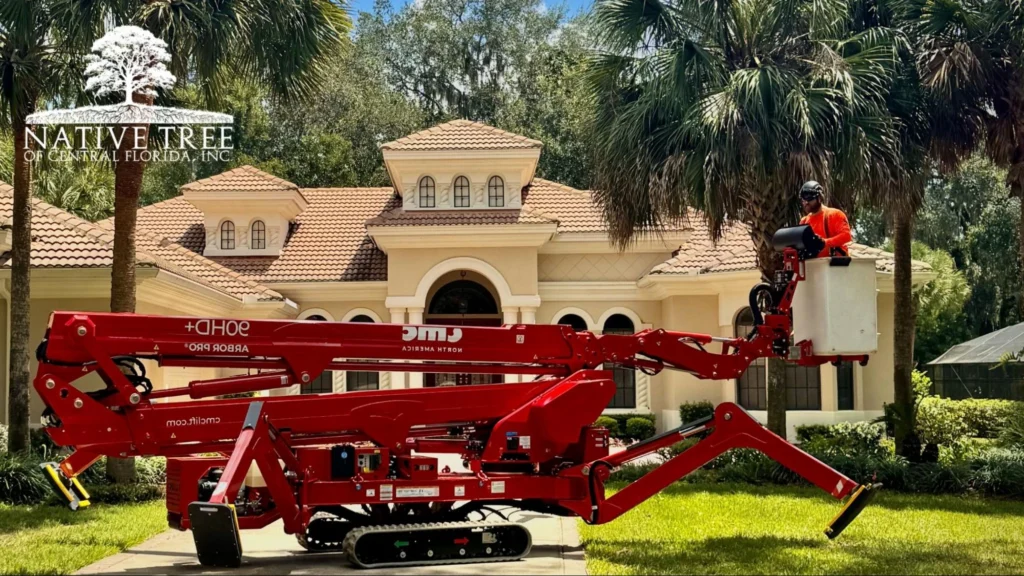
The true cost of palm pruning is not just the service fee, but the long-term impact of improper work.
Factors affecting cost include:
- Tree height
- Accessibility
- Number of trees
- Risk conditions (structures, power lines)
However, the greater consideration is long-term tree health.
Poor pruning can lead to:
- Premature palm decline
- Expensive removal and replacement
- Increased storm damage risk
A Local Perspective from Central Florida
Palm care in Ocala is shaped by:
- Strong seasonal storms
- Sandy, nutrient-poor soil
- High humidity cycles
- Rapid palm growth patterns
These conditions mean pruning practices that work elsewhere may not be appropriate here. Local expertise is essential for safe and effective storm preparation.
Conclusion
Palm pruning decisions before hurricane season should never be based on appearance alone. Over-cutting often causes damage that takes months or even years to become fully visible.
The safest approach is informed decision-making guided by arborist expertise, proper insurance coverage, and an understanding of palm biology.
Because when storm season arrives, the goal is not just a clean-looking palm, it is a stable, healthy landscape that protects property and continues thriving long after the winds pass. Understanding the risks associated with a hurricane cut palm can help homeowners make better pruning decisions that prioritize both storm resilience and long-term tree health.
Protect Your Palms with Professional Hurricane Cutting Services
Ensure your palm trees are prepared for storm season with expert hurricane cutting and proper pruning techniques. Contact our team today for a professional assessment and transparent pricing.
Call us today at (352) 561-3626 or email us at sales@nativetreecf.com to schedule your professional tree service.
Frequently Asked Questions
What is a hurricane cut palm tree?
A heavily pruned palm where most fronds are removed, often leaving a sparse crown. It is commonly misunderstood as beneficial for storms.
Is a hurricane cut good for palm trees in Florida?
Not usually. In many cases, it weakens the tree by removing essential fronds needed for balance and protection.
When should palms be pruned before hurricane season?
Light maintenance pruning is best, depending on tree condition. A professional assessment is recommended.
How much does a palm tree hurricane cut cost in Central Florida?
It varies based on size, access, and risk conditions, but proper technique and insurance should matter more than price.
Can I do a hurricane cut myself?
It is strongly discouraged due to risks involving tree health, safety, and liability.