
Key Takeaways
- Tree Trimming is essential in Ocala for maintaining tree health, safety, and structural stability, especially in storm-prone areas.
- Proper trimming improves airflow, sunlight penetration, and balance, preventing disease, pest infestations, and weak branch growth.
- Hurricane cuts are harmful; removing too much canopy stresses trees, encourages weak regrowth, and increases storm damage risk.
- Timing matters: Late winter to early spring is ideal for most species, but urgent trimming may be required after storms or for safety hazards.
- DIY trimming is risky, using incorrect techniques or tools can injure the tree and put people and property in danger.
Trees play a major role in Ocala’s landscapes, providing shade, beauty, and protection from Florida’s intense heat. But without proper care, trees can quickly become overgrown, unhealthy, or even dangerous, especially during storm and hurricane season. That’s why proper Tree Trimming is essential for homeowners and property managers alike.
This comprehensive tree trimming guide explains when trees should be pruned, why harmful practices like hurricane cuts should be avoided, and how professional tree trimming services help maintain safe, healthy, and storm-resistant trees. Whether you’re researching tree trimming near me, estimating tree trimming cost, or simply learning how to care for your trees the right way, this guide is designed to be helpful, reliable, and easy to understand.
Are your trees ready for hurricane season?
Don’t risk damaging your trees with harmful “hurricane cuts.” Have an ISA-Certified Arborist evaluate your canopy safely.📞 Call Native Tree CF Today: (352) 561-3626 or Request a Free Inspection
Table of Contents
Why Tree Trimming Is Essential in Ocala
Ocala’s warm climate, frequent rainfall, and long growing season encourage rapid tree growth. While this produces lush, vibrant landscapes, it also increases the risk of structural issues, overcrowded canopies, and weak branches if trees are not trimmed regularly. Proper trimming ensures your trees remain healthy, safe, and aesthetically pleasing. Here’s why it matters:
Remove Dead, Weak, or Diseased Branches
Removing damaged or diseased limbs prevents decay from spreading to other parts of the tree. It also reduces the risk of unexpected breakage that can harm people, pets, vehicles, or property.
Improve Airflow and Sunlight Penetration
Selective trimming opens up the tree canopy, allowing air and sunlight to circulate more freely. This reduces moisture-related diseases and promotes even, healthy growth across the tree.
Reduce the Risk of Falling Limbs During Storms
Removing unstable or overextended branches lowers the chance of limbs breaking off during heavy winds or rain, improving safety for your home and property.
Encourage Balanced, Healthy Growth
Strategic cuts guide trees to develop a strong, well-balanced structure. This prevents uneven weight distribution, which can weaken the tree over time and reduce its ability to withstand storms.
Protect Homes, Vehicles, and Utilities
Maintaining proper clearance keeps branches away from roofs, driveways, and power lines. This reduces potential hazards and expensive property damage during severe weather.
Tree Trimming vs. Tree Pruning: What’s the Difference?
While the terms are often used interchangeably, tree trimming and tree pruning have distinct purposes:
- Tree Trimming: Focuses on shaping and maintaining a tree’s structure, controlling growth, improving clearance, and keeping the tree visually appealing.
- Tree Pruning: Targets tree health by removing damaged, diseased, or dying branches to prevent decay and encourage strong, natural growth.
Professional tree trimming services typically combine both techniques for the best results, ensuring trees are both safe and healthy.
When Is the Best Time for Tree Trimming in Florida?
Timing is critical when it comes to trimming. Pruning at the right time encourages healthy regrowth, minimizes stress, and reduces the risk of disease or storm-related damage:
Late Winter to Early Spring
Most tree species respond well to pruning during this time because they are less active. Trees recover more efficiently before entering their peak growth period.
After Storms
Remove damaged or hazardous branches promptly to prevent further breakage, reduce safety risks, and stop decay or pests from spreading.
Anytime a Branch Poses a Safety Risk
Branches threatening homes, power lines, walkways, or visibility should be addressed immediately, regardless of season.
Special Considerations for Palm Tree Trimming
Palms require unique care. Only dead or broken fronds should be removed, as green fronds are essential for nutrient production. Over-trimming can weaken palms, slow growth, and increase storm damage risk rather than prevent it. Always use proper techniques to maintain the health and aesthetic appeal of your palms.
Why Hurricane Cuts Are Harmful
A common but damaging practice in Florida is the “hurricane cut,” where excessive foliage is removed to prepare for storms. While intended to reduce wind resistance, it often causes long-term harm:
- Reduces leaf surface for photosynthesis, slowing recovery and growth.
- Creates stress that weakens the tree.
- Triggers rapid, poorly attached regrowth prone to breakage.
- Opens large wounds that attract pests and disease.
- Increases the risk of structural failure during strong winds.
Instead of dangerous topping or hatracking, proper hurricane preparation requires strategic canopy thinning to reduce wind resistance. If you’re unsure whether your Live Oaks or palms are storm-ready, learn more about our professional Ocala Tree Trimming Services or schedule a risk evaluation with our certified team.
How Proper Tree Trimming Improves Storm Resistance
Why Tree Trimming Is Essential in Ocala
Ocala’s warm climate, frequent rainfall, and long growing season encourage rapid tree growth. While this produces lush, vibrant landscapes, it also increases the risk of structural issues, overcrowded canopies, and weak branches if trees are not trimmed regularly. Proper trimming ensures your trees remain healthy, safe, and aesthetically pleasing. Here’s why it matters:
Remove Dead, Weak, or Diseased Branches
Removing damaged or diseased limbs prevents decay from spreading to other parts of the tree. It also reduces the risk of unexpected breakage that can harm people, pets, vehicles, or property.
Improve Airflow and Sunlight Penetration
Selective trimming opens up the tree canopy, allowing air and sunlight to circulate more freely. This reduces moisture-related diseases and promotes even, healthy growth across the tree.
Reduce the Risk of Falling Limbs During Storms
Removing unstable or overextended branches lowers the chance of limbs breaking off during heavy winds or rain, improving safety for your home and property.
Encourage Balanced, Healthy Growth
Strategic cuts guide trees to develop a strong, well-balanced structure. This prevents uneven weight distribution, which can weaken the tree over time and reduce its ability to withstand storms.
Protect Homes, Vehicles, and Utilities
Maintaining proper clearance keeps branches away from roofs, driveways, and power lines. This reduces potential hazards and expensive property damage during severe weather.
Tree Trimming vs. Tree Pruning: What’s the Difference?
While the terms are often used interchangeably, tree trimming and tree pruning have distinct purposes:
- Tree Trimming: Focuses on shaping and maintaining a tree’s structure, controlling growth, improving clearance, and keeping the tree visually appealing.
- Tree Pruning: Targets tree health by removing damaged, diseased, or dying branches to prevent decay and encourage strong, natural growth.
Professional tree trimming services typically combine both techniques for the best results, ensuring trees are both safe and healthy.
When Is the Best Time for Tree Trimming in Florida?
Timing is critical when it comes to trimming. Pruning at the right time encourages healthy regrowth, minimizes stress, and reduces the risk of disease or storm-related damage:
Late Winter to Early Spring
Most tree species respond well to pruning during this time because they are less active. Trees recover more efficiently before entering their peak growth period.
After Storms
Remove damaged or hazardous branches promptly to prevent further breakage, reduce safety risks, and stop decay or pests from spreading.
Anytime a Branch Poses a Safety Risk
Branches threatening homes, power lines, walkways, or visibility should be addressed immediately, regardless of season.
Special Considerations for Palm Tree Trimming
Palms require unique care. Only dead or broken fronds should be removed, as green fronds are essential for nutrient production. Over-trimming can weaken palms, slow growth, and increase storm damage risk rather than prevent it. Always use proper techniques to maintain the health and aesthetic appeal of your palms.
Why Hurricane Cuts Are Harmful
A common but damaging practice in Florida is the “hurricane cut,” where excessive foliage is removed to prepare for storms. While intended to reduce wind resistance, it often causes long-term harm:
- Reduces leaf surface for photosynthesis, slowing recovery and growth.
- Creates stress that weakens the tree.
- Triggers rapid, poorly attached regrowth prone to breakage.
- Opens large wounds that attract pests and disease.
- Increases the risk of structural failure during strong winds.
How Proper Tree Trimming Improves Storm Resistance
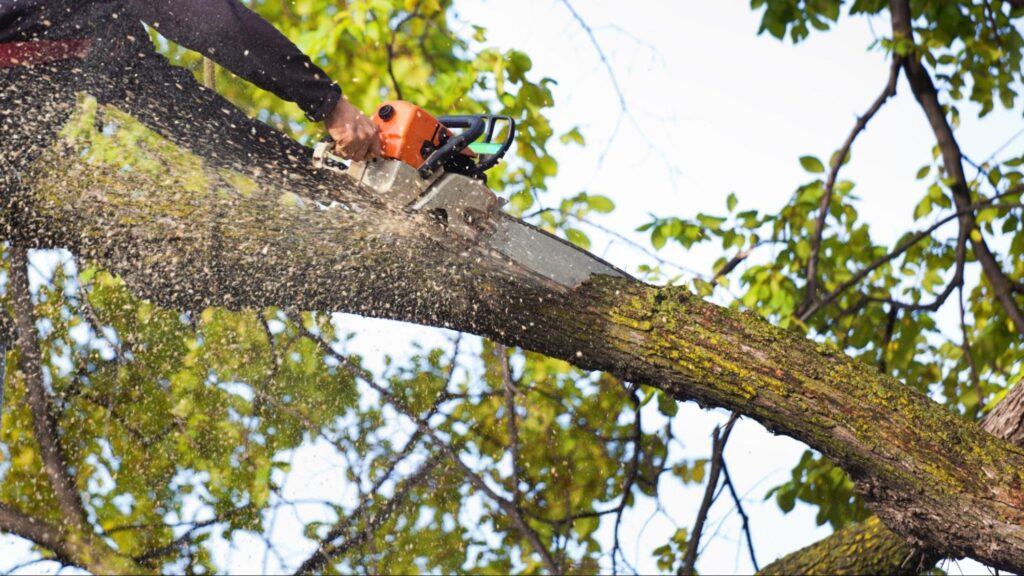
- Remove Dead or Unstable Branches – Reduces hazards and prevents damage.
- Reduce Weight at the Ends of Limbs – Lessens structural stress, decreasing the chance of splitting.
- Maintain a Balanced Canopy – A well-distributed canopy allows trees to flex with the wind.
- Preserve Natural Shape – Ensures proper nutrient distribution, growth, and long-term strength.
Signs Your Tree Needs Trimming
Be proactive and look for:
- Dead, broken, or hanging branches
- Limbs rubbing against roofs, power lines, or structures
- Dense or overcrowded canopies
- Cracked, split, or weakened limbs
- Low branches blocking walkways or driveways
Noticing any of these signs is a cue to search for a reputable tree trimming near me.
Choosing the Right Tree Trimming Service in Ocala
Certified Arborists
Choose a company with certified arborists who are trained in proper tree care and safety standards. Their expertise in tree biology ensures correct pruning methods that support long-term health rather than causing stress or damage.
Expertise in Tree Biology and Pruning Techniques
A knowledgeable trimming service understands how different trees grow and respond to pruning. This expertise helps prevent disease, encourages healthy growth, and reduces the risk of weak or hazardous branches.
Experience with Local Species
Local experience matters, especially in Ocala where palms, oaks, and maples are common. A service familiar with Florida trees knows the best trimming seasons and techniques for each species.
Licensing and Insurance
Always verify that the company is fully licensed and insured. This protects your property from liability and ensures the crew is covered in case of accidents or unexpected damage.
Transparent Pricing
Reputable tree services provide clear, written estimates before any work begins. Honest pricing helps you avoid surprise charges and ensures you understand exactly what services are included.
Storm-Safe Pruning Techniques
Proper pruning reduces wind resistance and minimizes storm damage during hurricane season. A professional service avoids harmful “hurricane cuts” and focuses on strengthening the tree’s natural structure.
Tree Trimming Cost: What Influences Pricing?
Tree trimming cost varies depending on several factors:
- Tree Size and Height – Larger or taller trees require more equipment and labor.
- Tree Species – Some species are harder to trim due to dense growth or brittle branches.
- Accessibility and Location – Trees near obstacles, structures, or power lines may require specialized tools and safety measures.
- Amount of Trimming Required – Overgrown or storm-damaged trees take longer to prune.
- Proximity to Structures – Trees close to homes or utilities often need certified arborists for safe trimming.
Typical costs range from $150 to $500 per tree, with taller or more complex trees at the higher end. Professional services are worth the investment for safety, proper technique, and long-term tree health.
DIY vs. Professional Tree Trimming
While small trees or low branches may be trimmed by homeowners, DIY is risky:
- Risks of DIY – Over-cutting, improper cuts, using the wrong tools, and safety hazards can harm both you and the tree.
- Professional Services – Certified arborists use proper equipment, understand tree biology, and make safe, precise cuts that enhance growth and structural stability.
For tall, mature, or high-value trees, professional tree trimming services are the safest choice.
Avoid the Risk of DIY Tree Pruning
Pruning large limbs or tall palms requires specialized bucket trucks and rigging gear. Let our insured team handle the heavy lifting.Book Your Tree Trimming Assessment in Ocala
Long-Term Tree Care Beyond Trimming
Tree trimming is just one part of overall care:
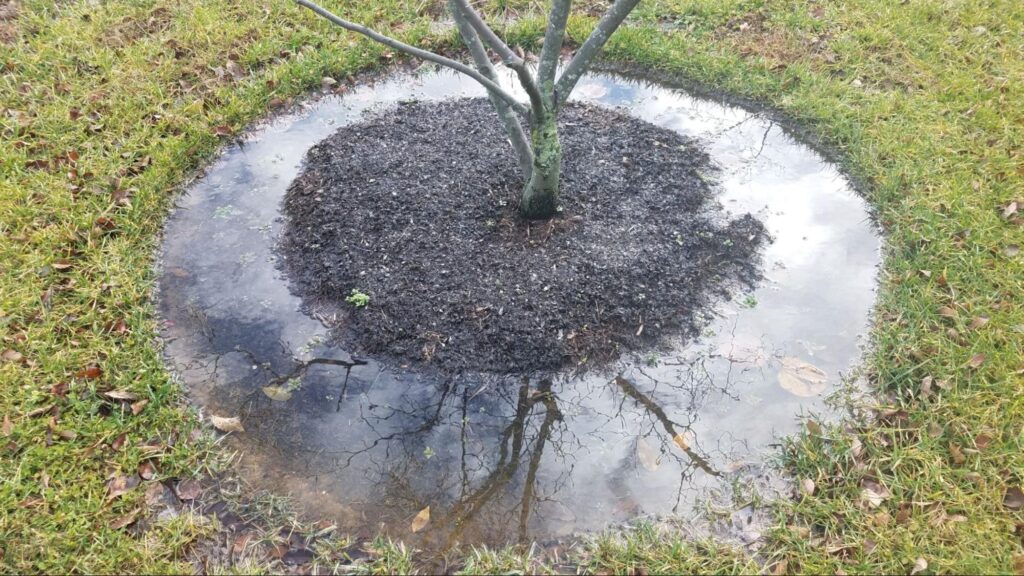
- Proper Watering and Mulching: Supports root health and reduces stress.
- Routine Inspections: Detect disease, pests, or damage early.
- Pest and Disease Management: Early treatment prevents long-term problems.
- Soil Health Monitoring: Nutrient-rich soil ensures resilience and growth.
Combining professional pruning guidance with long-term care ensures your trees remain safe, strong, and beautiful.
Conclusion
Tree trimming is not about removing as much growth as possible but about making informed, strategic cuts that promote tree health, structural stability, and safety. In Ocala’s storm-prone environment, proper timing, correct techniques, and avoiding harmful practices like hurricane cuts are essential for reducing risk and preserving long-term tree strength. By following this tree trimming guide and a comprehensive tree pruning guide, and working with experienced tree trimming services, homeowners can protect their trees, safeguard their property, and maintain a healthy landscape because strong, resilient trees are the result of professional care, sound knowledge, and smart decisions.
Schedule Expert Tree Trimming in Ocala Today
Protect your property and your trees with professional pruning done the right way. Contact a local Ocala tree care specialist to avoid harmful hurricane cuts and keep your landscape healthy, safe, and storm-ready year-round.
Frequently Asked Questions
What is the difference between tree trimming and tree pruning?
Tree trimming focuses on shaping and maintaining a tree’s structure, controlling growth, and improving clearance. Tree pruning targets tree health by removing damaged, diseased, or dying branches. Following a proper tree pruning guide ensures both techniques work together for strong, healthy trees.
When is the best time for tree trimming in Florida?
The ideal time is late winter to early spring, when trees are less active and can recover quickly. Trimming may also be necessary after storms or whenever branches pose safety risks
How much does tree trimming cost in Ocala?
Tree trimming cost depends on tree size, species, accessibility, amount of trimming required, and proximity to structures or utilities. Professional tree trimming services provide accurate evaluations and transparent estimates.
Is DIY tree trimming safe, or should I hire a professional?
DIY tree trimming can be risky and may harm both the tree and people. Mistakes like over-cutting, improper cuts, or using the wrong tools can cause injuries or long-term damage. Hiring a certified tree trimming service is safer and ensures proper techniques are used.
How do I maintain healthy trees beyond trimming?
Long-term tree care includes routine inspections, proper watering, mulching, pest and disease management, and monitoring soil health. Combined with professional tree trimming and, when necessary, minimal palm tree trimming, these practices help trees stay strong, attractive, and storm-resistant.