
Key Takeaways
- Summer can actually be one of the best times to add palm trees to Central Florida landscapes when the right species are selected.
- Heat-tolerant palms like Sabal, Foxtail, and Sylvester Palms establish well during Florida’s rainy season.
- Many homeowners make costly mistakes by choosing palms based only on appearance instead of long-term performance.
- Hiring a fully insured, ISA Certified Arborist-led company protects homeowners from liability and ensures palms are planted correctly.
- Native Tree of Central Florida helps Ocala homeowners choose, install, and maintain palms designed to thrive in Florida conditions.
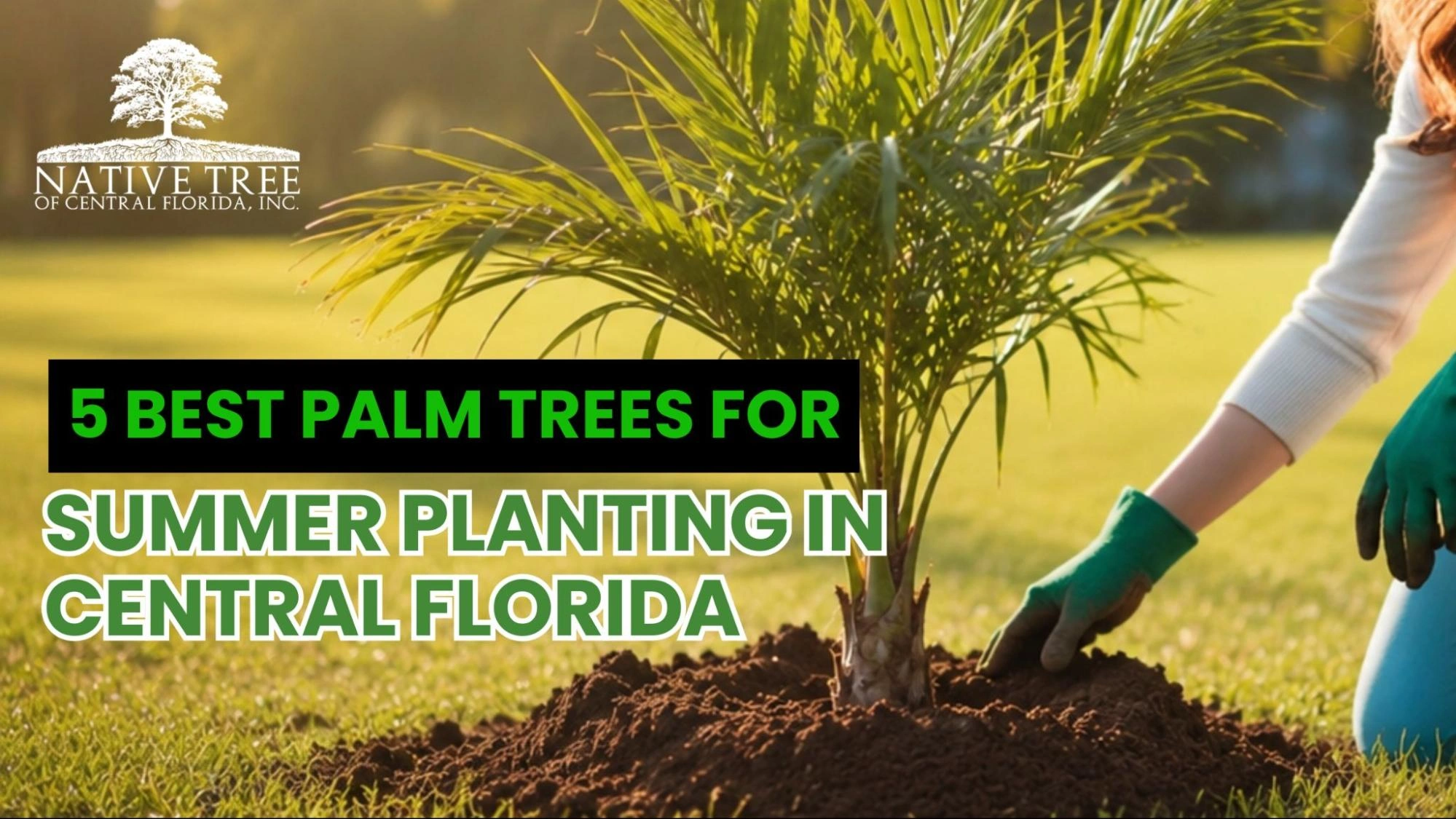
In Central Florida, summer transforms landscapes fast. Lawns green up almost overnight, tropical plants explode with growth, and homeowners begin reimagining their outdoor spaces. For many Ocala homeowners, that means finally adding the palm trees that create the classic Florida look they’ve always wanted.
The challenge is that not every palm handles Florida heat, heavy rain, humidity, and sandy soil equally well. Choosing the wrong palm often leads to slow growth, root stress, costly replacements, or a tree that simply never thrives.
That is why understanding the best palms for summer planting matters before making a major landscaping investment.
In this guide, we’ll cover five palm varieties that perform exceptionally well in Central Florida summers, the common mistakes homeowners make when selecting and installing palms, and why working with an experienced, properly insured tree company can make all the difference.
Planning to plant trees in Central Florida this summer?
Summer planting requires specific root prep and heavy irrigation scheduling to prevent severe transplant shock in the Florida heat.
📞 Call Native Tree CF Today: (352) 561-3626 or Schedule a Summer Planting Consultation in Ocala
Table of Contents
Why Summer is the Optimal Season for Palm Tree Planting
| Planting Factor | The Summer Advantage in Central Florida | Impact on Your Landscape |
|---|---|---|
| Soil Temperature | Warm soil fuels metabolic activity and rapid root expansion. | Faster establishment compared to cooler, dormant months. |
| Natural Rainfall | Daily summer storms provide consistent, deep-tissue hydration. | Reduced manual watering and better moisture retention. |
| Species Adaptation | Tropical palms thrive in the humidity and heat of the rainy season. | Minimized transplant shock for high-end tropical species. |
| Growth Cycle | Planting occurs during the palm’s peak growing season. | Immediate visual impact with faster frond development. |
| Root Strength | Active growth allows roots to anchor before the drier winter months. | Increased stability and long-term hurricane resistance. |
5 Best Palm Trees for Summer Planting in Central Florida
1. Sylvester Palm: The Luxury Landscape Palm
A High-End Appearance With Strong Durability
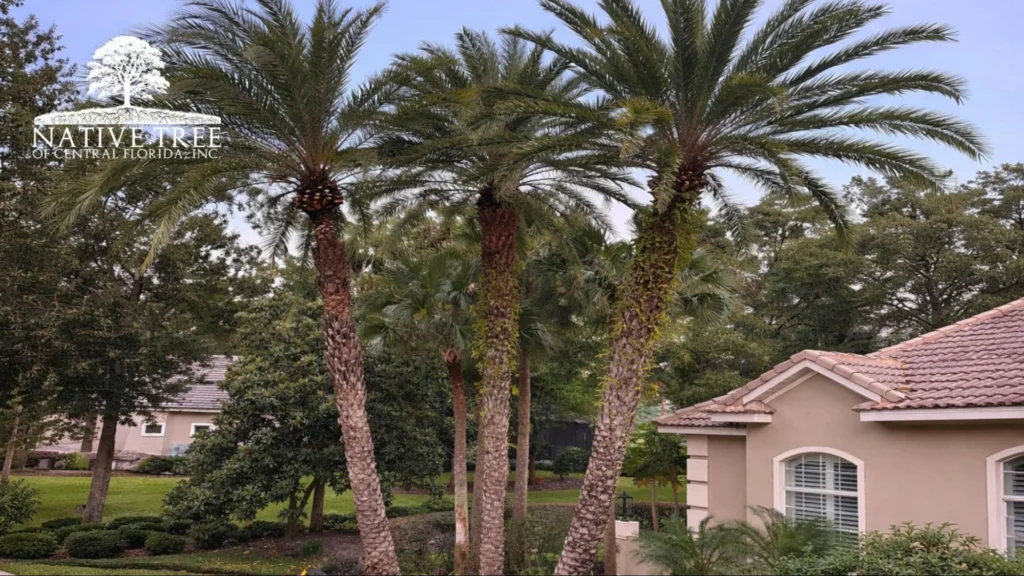
If homeowners want a palm with dramatic visual impact, the Sylvester Palm stands out immediately. Its silver-blue fronds and thick trunk create a bold, upscale appearance that works beautifully in:
- Luxury landscapes
- Commercial entrances
- Estate homes
- Accent planting designs
Sylvester Palms also tolerate Central Florida heat remarkably well.
Why This Palm Is Often Installed Incorrectly
Because Sylvester Palms are more expensive than many common palms, mistakes during installation become extremely costly. Some homeowners hire uninsured contractors to save money upfront, only to experience:
- Poor planting techniques
- Damage to irrigation systems
- Improper stabilization
- Property damage from equipment
This is one reason why choosing a fully insured tree company matters.
2. Foxtail Palm: The Tropical Look Everyone Wants
Fast-Growing and Elegant
Foxtail Palms have become increasingly popular throughout Ocala neighborhoods because of their lush, feather-like fronds and clean tropical appearance. They create an instant resort-style feel for:
- Pool areas
- Backyard patios
- Modern homes
- Entryways
Foxtails also respond well to Florida’s summer growing season.
Why Professional Installation Matters
This is where many DIY homeowners make costly mistakes. Foxtail Palms are sensitive to:
- Improper drainage
- Incorrect planting depth
- Compacted soil
- Poor placement near foundations
One incorrect installation decision can affect the tree for years.
Experienced palm tree services understand how to prepare soil properly and prevent long-term root stress before problems begin.
Disclaimer: Foxtail Palm is a summer-performing variety that establishes best in warm conditions. It is not cold-hardy and may suffer damage or decline during colder winter temperatures.
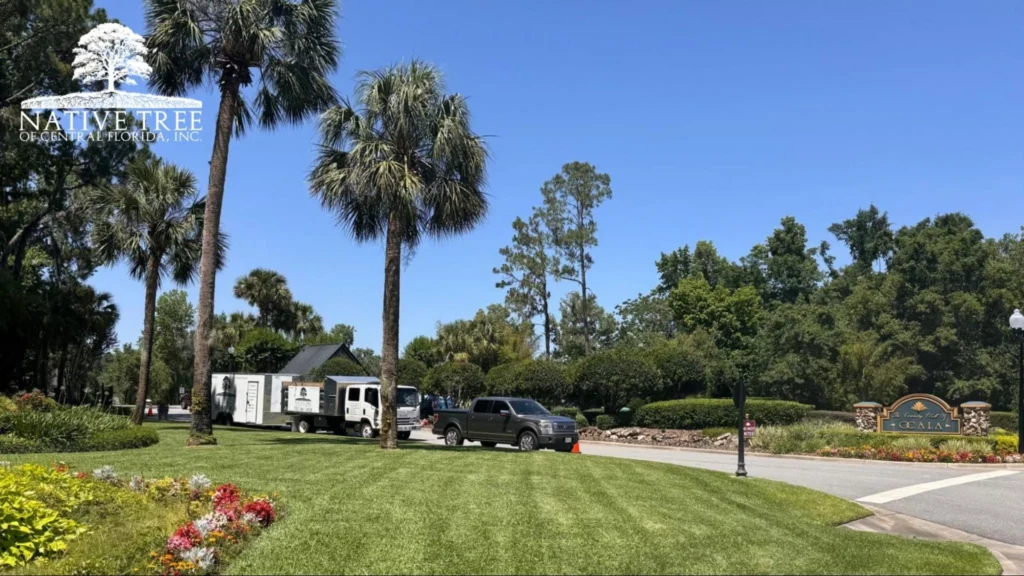
3. Sabal Palm: Florida’s Most Reliable Native Palm
Why Homeowners Love It
The Sabal Palm remains one of the safest long-term investments for Central Florida landscapes. As Florida’s native state tree, it naturally tolerates:
- Intense summer heat
- Heavy rain
- Drought periods
- Sandy soil
- Wind exposure
Unlike some imported palm species, Sabal Palms are already adapted to Florida’s environmental extremes.
Best Use in Landscapes
Sabal Palms work well for:
- Front yard focal points
- Driveway entrances
- Native Florida landscapes
- Low-maintenance properties
Homeowners who want beauty without constant upkeep often choose this palm tree planting option.
What Homeowners Get Wrong
Many people underestimate the mature size of Sabal Palms and plant them too close to roofs, pool cages, or driveways. A professional arborist evaluates spacing before installation so the palm has room to mature naturally.
4. Areca Palm: The Privacy Solution That Feels Tropical
Perfect for Ocala Backyard Privacy
For homeowners wanting natural privacy instead of fencing, Areca Palms remain one of the most popular options. Their multi-trunk growth pattern creates dense tropical screening ideal for:
- Backyard privacy
- Pool enclosures
- Property borders
- Noise reduction
They also grow quickly during Florida summers.
The Biggest Mistake With Areca Palms
One of the most common problems occurs when homeowners overcrowd them. Trying to create “instant privacy” often leads to:
- Restricted airflow
- Uneven growth
- Nutrient competition
- Long-term thinning
Professional planting trees services calculate proper spacing based on mature growth, not just how the palms look on installation day.
Disclaimer: Areca Palm is a summer-performing variety that establishes best in warm conditions. It is not cold-hardy and may suffer damage or decline during colder winter temperatures.
5. Pindo Palm: A Great Choice for Low-Maintenance Landscapes
Hardy and Visually Unique
The Pindo Palm offers a softer, more relaxed appearance than some upright tropical palms.
Its blue-green fronds and arching canopy make it popular for homeowners wanting something different. Benefits include:
- Excellent heat tolerance
- Drought resistance
- Moderate growth rate
- Lower maintenance needs
Pindo Palms work especially well in landscapes where homeowners want tropical character without excessive upkeep.
Why Site Selection Matters
Pindo Palms are durable, but placement still matters. Planting in the wrong area can eventually interfere with:
- Walkways
- Vehicle clearance
- Irrigation systems
- Outdoor living spaces
A professional consultation helps avoid costly relocation or removal later.
Selecting heat-tolerant native species is key to a flourishing yard, but proper site preparation and soil depth matter just as much. Explore our professional Ocala Tree Planting & Installation Services to let our team source, transport, and plant your new trees safely.
How Native Tree of Central Florida Helps Homeowners Make Better Landscape Decisions
One reason homeowners throughout Ocala continue choosing Native Tree of Central Florida is because we focus heavily on education and honest guidance rather than high-pressure sales tactics.
Instead of recommending palms simply because they are popular, their team helps homeowners evaluate:
- Long-term maintenance expectations
- Available planting space
- Drainage conditions
- Sun exposure
- Future growth patterns
- Property goals and curb appeal
That guidance helps homeowners avoid expensive landscaping regrets.
Because palm trees are long-term investments, proper planning matters just as much as the installation itself.
Conclusion
Choosing the right palm trees is about far more than appearance alone. The best results come from selecting species that can truly handle the regional climate, understanding how each palm will mature over time, and ensuring installation is done correctly from day one.
Whether homeowners prefer the durability of Sabal Palms, the tropical elegance of Foxtails, or the privacy benefits of Areca Palms, proper planning plays a major role in long-term success.
Just as important, homeowners should never overlook the importance of hiring a fully insured and professionally trained company for palm tree planting projects. Tree work involves risk, specialized knowledge, and long-term landscape decisions that can impact property value for years.
At Native Tree of Central Florida, we help homeowners make informed, confident landscaping decisions through professional guidance and expert support., ISA Certified Arborist oversight, and fully insured services designed to protect both the property and the homeowner.
If you are planning to upgrade your landscape this season, working with experienced professionals can help ensure your new palms thrive through Florida’s toughest summer conditions.
Plant the Right Palm Trees This Summer
Choose palm varieties that thrive in Central Florida’s heat and humidity for lasting beauty and healthy growth. Schedule a professional planting consultation to get started this season.
Frequently Asked Questions
What is the best palm tree to plant during Florida summers?
Some of the best options for planting in the summer include Sabal Palms, Foxtail Palms, Sylvester Palms, Areca Palms, and Pindo Palms because they tolerate Central Florida heat and rainfall well.
Is summer a good time for palm tree planting in Central Florida?
Yes. Florida’s warm soil temperatures and rainy season often help newly planted palms establish roots faster than during cooler months.
Should I hire professional palm tree services for planting?
Professional palm tree services help homeowners avoid costly mistakes involving drainage, spacing, planting depth, and long-term placement. They also ensure the work is completed safely.
Why is insurance important when hiring palm tree services near me?
Hiring an insured company protects homeowners from financial liability if property damage or worker injuries occur during installation.
What palm tree requires the least maintenance?
Sabal Palms and Pindo Palms are often considered lower-maintenance choices for Central Florida landscapes because they tolerate drought, heat, and changing weather conditions well.