


Key Takeaways
- Warm winters disrupt plant dormancy, causing early growth that can be damaged by sudden frosts.
- Landscaping maintenance during mild winters requires extra vigilance, inspecting your lawn for crown damage, uneven soil, and early weed growth.
- Pests and diseases thrive in mild conditions, so monitor for early infestations and apply eco-friendly control measures.
- Soil management is crucial, ensuring proper drainage, aeration, and mulching to prevent root rot and moisture imbalance.
- Landscape DIY solutions like reseeding, pruning damaged plants, and applying pre-emergent weed control can restore balance.
- For severe damage or recurring issues, professional landscaping services can assess and design a tailored recovery plan.
A mild winter might feel like a welcome change, no snow shoveling, fewer icy mornings, and more time outdoors. However, when temperatures stay unseasonably warm, your lawn and landscaping may quietly struggle. A warm winter can disturb the natural dormancy cycle of plants, promote early weed growth, and even invite pests that should have died off in the cold.
In this guide, we’ll explore how a warm winter affects your lawn and overall landscape health, and we’ll walk you through proven landscaping and landscape DIY solutions to restore your outdoor space.
Table of Contents
How Winter Normally Protects Your Landscape
During a typical cold season, your lawn, trees, and shrubs enter dormancy. This period acts as nature’s rest phase, allowing plants to slow their metabolism and conserve energy. Dormancy shields your lawn’s roots from freezing and prevents premature growth until spring conditions are stable. When winter stays unusually warm, this natural rhythm is disrupted. Plants can “wake up” too early, only to be hit by a sudden frost, causing stress or even permanent damage.
How a Warm Winter Affects Your Lawn
Early Weed Emergence
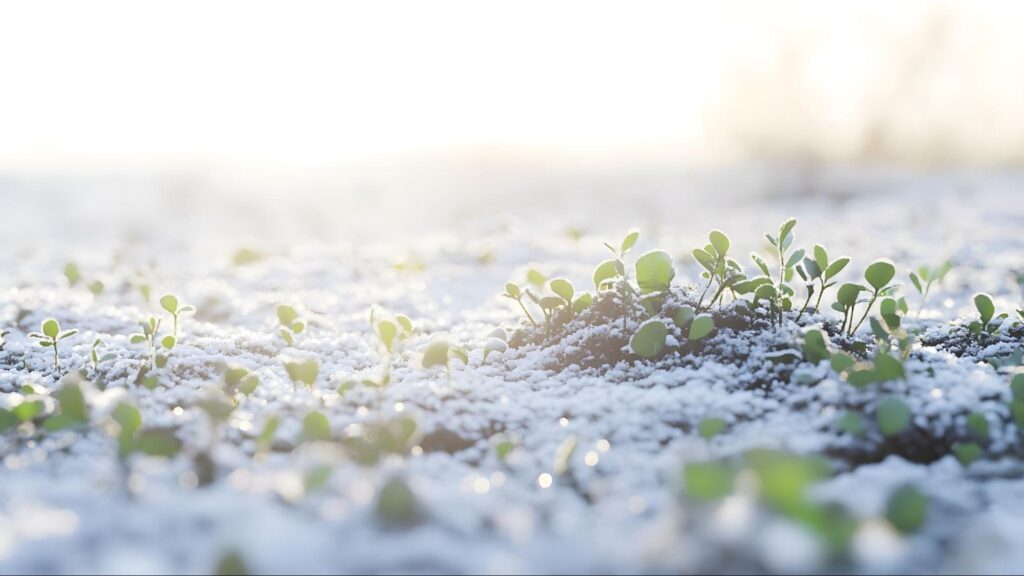
Weeds such as crabgrass, chickweed, and dandelions thrive in mild winters. They sprout early, using up nutrients before your grass resumes full growth. Without timely pre-emergent weed control, these invaders can dominate your lawn.
Premature Growth
When soil temperatures stay high, grass can break dormancy too early. If a sudden cold snap follows, new tender blades can freeze, leading to crown damage and patchy growth later in spring.
Crown Hydration Damage
Warm weather can cause grass crowns, the growth point between the roots and blades, to absorb water again. If temperatures then drop, the water inside freezes, killing parts of the turf.
Uneven Soil Shifts (Frost Heave)
Frequent freeze-thaw cycles cause soil to expand and contract, lifting and loosening roots. This can create uneven ground and weak spots in your lawn that require reseeding or aeration.
Warm Winter Effects on Your Landscape Plants
Your lawn isn’t the only victim. Trees, shrubs, and garden plants all rely on predictable seasonal patterns. When warm spells hit in midwinter, they can cause several issues that affect the health and longevity of your landscape.
Interrupted Dormancy
When winter temperatures stay mild, plants can become confused and start growing as if spring has arrived. Buds may open and new leaves may form too early. If a sudden frost follows, that fresh growth can freeze and die, forcing the plant to use more of its stored energy to repair itself. Over time, this weakens the plant and delays healthy growth once the real spring season begins.
Pests and Diseases Survive Longer
In a typical cold winter, freezing temperatures naturally kill off many harmful insects and fungal spores. But during a warm winter, these pests survive and become active much earlier than normal. This means more aphids, mites, and fungal diseases like powdery mildew attacking your plants just as they’re starting to grow again. The result: greater damage and more effort needed to control outbreaks.
Root Stress and Nutrient Loss
Plants rely on stored nutrients to survive the winter. When warm weather triggers early growth, roots start drawing on those reserves too soon. If cold weather returns, the plant must stop growing abruptly, leaving its roots under stress and its energy depleted. By spring, these plants may look pale, grow slower, or struggle to withstand dry spells and heat.
Soil Moisture Problems
Instead of steady snow, a warm winter often brings rain and fluctuating temperatures. This creates soggy soil conditions and poor drainage, depriving roots of the oxygen they need. Constant moisture can also lead to fungal problems like root rot. For healthy landscape management, proper grading, aeration, and mulch application can help regulate soil moisture and protect roots.
Maintaining landscape health during unpredictable winters means being observant and adjusting your landscaping practices, such as monitoring soil drainage, pruning wisely, and managing pests early, to help your outdoor space adapt and thrive year after year.
How Warm Winters Affect Spring Lawn Recovery
The effects of a warm winter often become more visible in spring lawn recovery. Instead of a smooth green-up, lawns may struggle to recover properly.
Common spring issues include:
- Patchy or uneven grass growth
- Delayed green-up in certain areas
- Thinning turf due to nutrient depletion
- Increased presence of bare spots
- Higher susceptibility to spring diseases
When grass does not fully rest in winter, it enters spring weaker and less prepared for strong recovery and growth.
Why Warm Winters Threaten Overall Landscape Health
A landscape that doesn’t properly rest in winter becomes less resilient. Weakened roots, energy depletion, and pest survival can create a domino effect leading to:
- Thinner lawns and weaker turf density
- Dead or damaged shrubs and perennials
- Increased maintenance costs in spring
- Reduced curb appeal and property value
For homeowners who take pride in their gardens and yards, these subtle changes can become frustrating over time. The good news? You can restore balance with a focused approach.
Landscape DIY: How to Restore Lawn and Landscape Health

Step 1: Inspect and Assess
Walk through your yard and look for signs of damage, bare patches, lifted soil, discolored foliage, or early weed growth. Gently check shrubs for frost damage and prune only the dead sections once temperatures stabilize.
Step 2: Repair and Feed Your Lawn
Lightly rake the lawn to remove debris and improve air flow, then top-dress any bare patches with compost or quality soil before reseeding. Aerate compacted areas to restore oxygen and nutrient flow, and apply a balanced fertilizer, but avoid using too much nitrogen early on, as it can trigger top growth before roots have fully recovered.
Step 3: Refresh Garden Beds and Shrubs
Prune frost-damaged branches only after the risk of freezing has passed, then add 2–3 inches of mulch to help retain moisture, regulate soil temperature, and suppress weeds. Delay fertilizing shrubs until spring temperatures stabilize, and keep an eye out for early signs of pests or fungal activity so you can treat them promptly before they spread.
Step 4: Adapt for Future Warm Winters
Before applying any treatments, monitor soil temperatures carefully, and select resilient plants and turf varieties that can tolerate fluctuating conditions. Prioritize improving soil structure and drainage to protect roots throughout the year, and maintain an updated landscaping calendar based on real climate data rather than relying solely on traditional seasonal timing.
Best Lawn Care Practices During a Warm Winter
Even in winter, your lawn still needs attention, especially when temperatures are inconsistent.
Keep Maintenance Light but Consistent
- Mow only if grass is actively growing
- Avoid cutting too short to reduce stress
Manage Leaves and Debris
- Remove fallen leaves regularly
- Prevent moisture buildup that leads to fungus
Avoid Over-Fertilizing
- Do not force growth during unstable weather
- Wait for proper seasonal timing in early spring
Limit Soil Disturbance
- Avoid walking on soggy or softened ground
- Prevent soil compaction and root damage
Watch Water Levels
- Only water if soil becomes unusually dry
- Avoid overwatering during cool, humid periods
Monitor Early Weeds and Pests
- Catch weed growth early before it spreads
- Watch for insect activity that survives warm winters
When to Call Landscaping Professionals
While many steps can be done as DIY, some situations require expert intervention. Consider hiring a professional landscaper if:
- Your lawn has extensive crown or root damage
- Large trees or shrubs show signs of dieback
- You notice severe pest or fungus outbreaks
- You experience recurring drainage or soil movement problems
Final Thoughts: A Smarter Approach to Landscape Care
A warm winter may be comfortable for us, but it can quietly stress lawns, trees, and gardens. Understanding how these changes affect your landscape health is the first step toward maintaining a thriving outdoor space.
By adopting simple landscape DIY strategies, inspecting early, repairing soil health, and adjusting care routines, you can help your lawn recover naturally. And if challenges persist, working with professional landscaping experts ensures that your investment in your yard remains protected.Take the time to nurture your lawn today, your garden will thank you with a lush, vibrant comeback in spring.
Restore Your Landscape After a Warm Winter
Unusual temperatures can stress your lawn and plants. Get expert guidance to revive, repair, and protect your landscape for the seasons ahead.
Frequently Asked Questions