


Key Takeaways
- Winter = Dry Season: Ocala’s lack of winter rain makes supplemental watering a necessity, not an option.
- Hydration is Insulation: A hydrated tree is a “warm” tree; moisture in the cells prevents the internal freezing that kills Ocala palms and citrus.
- Monitor Young Trees: Trees planted within the last two years have the highest risk of winter failure and need consistent monitoring.
- The “Slow-Drip” Method: Focus on deep root saturation to combat the fast-draining nature of North Central Florida soil.
- Professional Inspection: If your trees show signs of “winter dieback” in the spring, it may be a sign of root damage that requires a professional assessment.
While Ocala trees don’t face snow, they do face the “Dry Season” which runs from November through March. During this time, the combination of low rainfall and sandy soil can lead to root desiccation. At Native Tree, we emphasize that proper winter tree care starts with hydration; a well-watered tree has a much higher thermal mass, allowing it to survive Ocala’s overnight freezes better than a drought-stressed one.
Table of Contents
Ocala Winter Watering Schedule
| Tree Type | Watering Frequency | Key Winter Goal |
|---|---|---|
| Newly Planted Trees | 2–3 times per week | Establish root systems before spring. |
| Established Live Oaks | Once every 2 weeks (if no rain) | Maintain deep root hydration for freeze resilience. |
| Tropical Palms | Once a week | Prevent frond "bronzing" from dry winter air. |
| Citrus Trees | Weekly (Deep soak) | Support fruit development and cold hardiness. |
The Critical Link Between Hydration and Freeze Protection
In Marion County, our winter “snaps” can be unpredictable. Many residents don’t realize that moist soil absorbs more solar radiation during the day and releases that heat at night, keeping the root zone several degrees warmer than dry soil.
- Pre-Freeze Soaking: If a freeze is forecasted for Ocala, give your trees a deep soak 24 hours in advance.
- Avoid Late Pruning: Do not prune in late fall or winter, as this encourages new growth that is highly susceptible to frost damage.
- Mulch as Insulation: Maintain a 3-inch layer of mulch to trap the moisture and heat you’ve provided.
Why Ocala’s Sandy Soil Requires a Different Approach
Because Ocala sits on a high concentration of sandy soil, water moves through the root zone rapidly. In the winter, the low humidity “pulls” moisture out of the ground even faster. To ensure your winter tree care is effective, we recommend “low and slow” watering—using a soaker hose or a slow-running garden hose to ensure the water reaches 12 inches deep rather than just running off the surface.
Understanding Tree Water Loss in Winter
Even in dormancy, trees can lose more water than they absorb. This is especially true for evergreens, which continue to photosynthesize and transpire through the cold months. Frozen ground during the winter season can prevent tree roots from taking up the water they need, while exposure to cold, gusty winds accelerates moisture loss from leaves or needles. Additionally, sunlight on clear winter days can increase evaporation, further depleting the tree’s internal water reserves and raising the risk of stress or dehydration. Recognizing these conditions helps you adjust your tree watering strategy and prevent unnecessary damage.
How and When to Water Trees in the Cold Season
Timing and method are critical for effective winter tree watering. Always check the soil first and water only when the ground is thawed and soil temperatures are above freezing. Focus on deep watering at the root zone to encourage strong root growth, and limit watering frequency to one or two deep sessions per winter unless the tree is exposed to extreme wind or sun.
The best time of day to water is late morning or early afternoon, allowing trees to absorb moisture before nightfall. Be careful to avoid overwatering, as excessive moisture, especially in partially frozen soil, can lead to root rot. Following these practices helps ensure that your trees in winter maintain healthy hydration levels without risking over-saturation.
Do You Still Need to Water Trees When It’s Freezing or Snowing?
One of the most common winter tree care misconceptions is that snow or freezing temperatures mean trees no longer need watering. While snow can provide some moisture, it is often not enough to fully hydrate the soil around your tree roots.
In reality, trees can still experience drought stress during winter, especially during long dry periods or when precipitation is light and inconsistent. Snow also doesn’t always melt evenly or deeply enough to reach the root zone where trees actually absorb water.
A good rule of thumb is to check the soil condition before watering. If the ground is frozen solid, watering will not be effective since the water cannot penetrate the soil. However, during warmer winter days or brief thaws, when the soil is workable and not frozen, light deep watering can still be beneficial, especially for young or newly planted trees.
Evergreen trees, in particular, continue to lose moisture through their needles even during winter, making them more vulnerable to dry conditions than many people realize.
Quick guide:
- Frozen soil = do NOT water
- Thawed, dry soil = water deeply
- Snowfall ≠ guaranteed soil moisture
Why Winter Tree Care Is Important
Dry, Cold Air Increases Water Loss
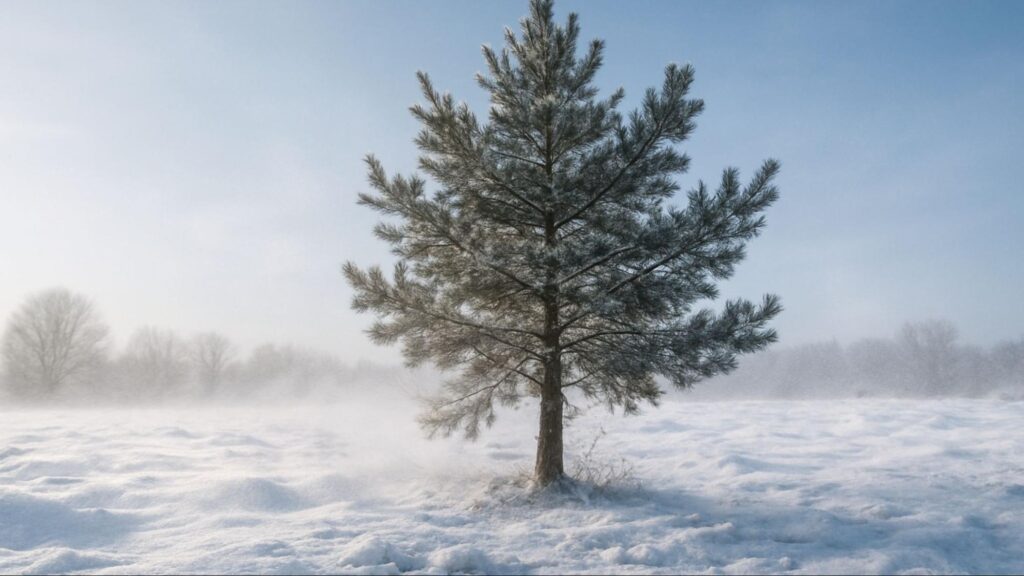
Cold winter air is typically dry, and this dryness accelerates water loss from tree foliage. Evergreens, in particular, are vulnerable because they retain their needles and continue minimal photosynthesis during dormancy. As water evaporates from leaves and needles faster than roots can replenish it, it may experience desiccation. This condition not only affects foliage but can also stress the entire tree, leaving it more susceptible to diseases or pest infestations when spring arrives.Frozen or Compacted Soil Limits Water Uptake
One of the most significant challenges for a tree in winter is that the ground often freezes, particularly in regions with harsh temperatures. Frozen or compacted soil prevents roots from absorbing sufficient water, even if the soil contains moisture. This can leave trees dehydrated and stressed, weakening their root systems. Over time, repeated dehydration episodes may stunt growth, reduce nutrient uptake, or even cause partial dieback. For evergreens, which continue to transpire water through needles, this limitation is particularly critical.Wind and Sun Can Desiccate Needles and Branches
Strong winds and low-angle winter sunlight may seem harmless, but they can cause significant moisture loss. Wind strips water from needles and exposed branches, while sunlight warms the surface of bark and foliage, triggering evaporation. This combination can lead to a phenomenon called “winter burn,” where needles or branches turn brown or brittle. Even trees that appear healthy can suffer hidden dehydration that impacts their growth potential.Snow May Not Provide Sufficient Moisture
While snow often blankets the ground in winter, it does not always supply usable water for tree roots. Snow can insulate the soil and slow freezing, but if it melts slowly or sublimates due to wind, roots may not absorb enough moisture. Furthermore, compacted snow may prevent water from penetrating the root zone. Without supplemental tree watering, trees may rely on stored water reserves, which can deplete over time and weaken the tree’s resilience.Consequences of Neglecting Winter Tree Care
Without proper attention, these combined stresses, frozen soil, dry air, wind, sun exposure, and inadequate moisture, can lead to winter desiccation, root damage, or delayed recovery when spring arrives. Trees may produce fewer leaves or needles, grow more slowly, or suffer structural damage. In severe cases, young or newly planted trees may not survive the cold season.Understanding these risks emphasizes why tree care, including proper watering, pruning, and protective measures, is essential for maintaining the long-term health and beauty of your landscape.
Signs Your Trees Are Struggling in Winter
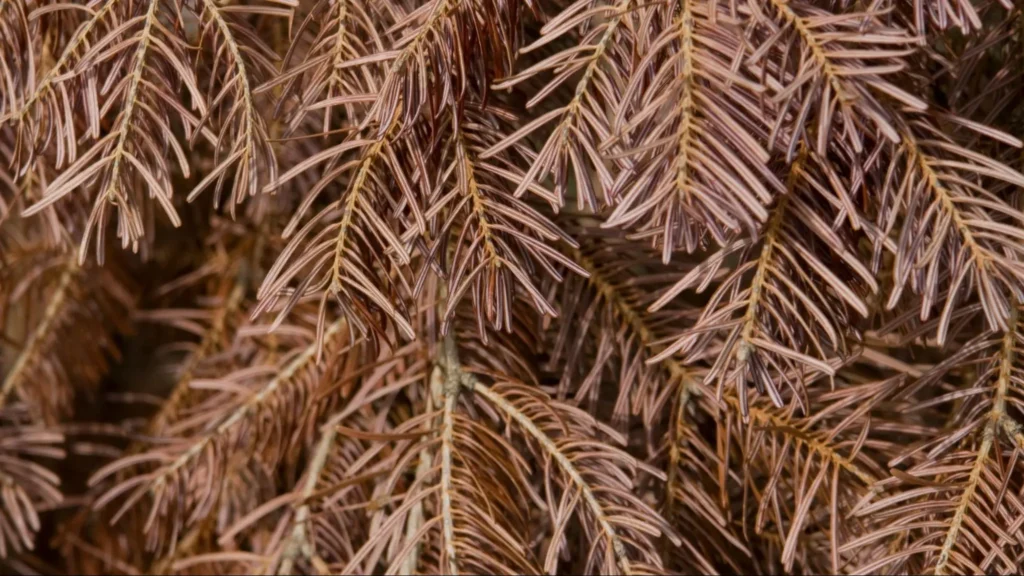
- Toasted Needles & Leaves: If your Slash Pines or Podocarpus look “burnt” at the tips, it’s usually Winter Burn. Dry Ocala winds are sucking moisture out of the needles faster than the roots can drink from our sandy soil.
- Snap-Prone Branches: Our “hard freezes” turn tree limbs into glass. If a branch feels brittle or snaps easily, the tree is dangerously dehydrated and needs a deep soak before the next cold snap hits.
- “Dust-Bowl” Soil: Don’t let the mulch fool you. Dig down 4 inches—if the soil is bone-dry and dusty, it has become “water-repellent.” Your tree is effectively “thirsting” even if it rained last week.
- Exposed, Chilly Roots: Ocala windstorms can blow away the soil around the base of your trees. If you can see the roots, the frost can see them too. Cover them back up with mulch to keep their “toes” warm.
- Sneaky Winter Fungi: Fungi don’t sleep in the winter; they wait for your tree’s immune system to drop. If you see weird shelf-mushrooms or trunk spots, it’s time for a professional Fungi Treatment.
Winter Tree Care Checklist
A simple tree care checklist can help ensure your trees remain healthy and resilient throughout the cold season. Begin by assessing soil conditions and weather before watering, then water deeply but infrequently, focusing on the root zone. Use a tool or probe to check soil moisture and confirm that roots are receiving adequate hydration.Inspect and prune dormant trees as needed to remove dead or damaged branches, and apply mulch around the root zone to help regulate soil temperature and retain moisture. Finally, monitor tree health regularly and respond promptly to any signs of stress. Following these steps helps keep your trees well-hydrated, strong, and prepared to thrive when spring arrives.
Conclusion
Caring for a tree in winter is a proactive way to prevent damage and support healthy growth come spring. Even during dormancy, trees continue vital processes, and without proper care, they can suffer from dehydration, structural stress, or delayed recovery. Combining thoughtful winter tree watering with pruning of dead or damaged branches, mulching around the root zone, and protective measures against wind and ice helps trees withstand harsh conditions.Consistent attention throughout the winter season ensures that your trees emerge in spring strong, resilient, and ready to contribute to a vibrant, flourishing landscape.
Protect Your Trees Through the Winter
Cold weather can quietly stress your trees. Our experts can help with winter watering, inspections, and care plans to keep your trees healthy all season long.
Frequently Asked Questions