
Key Takeaways
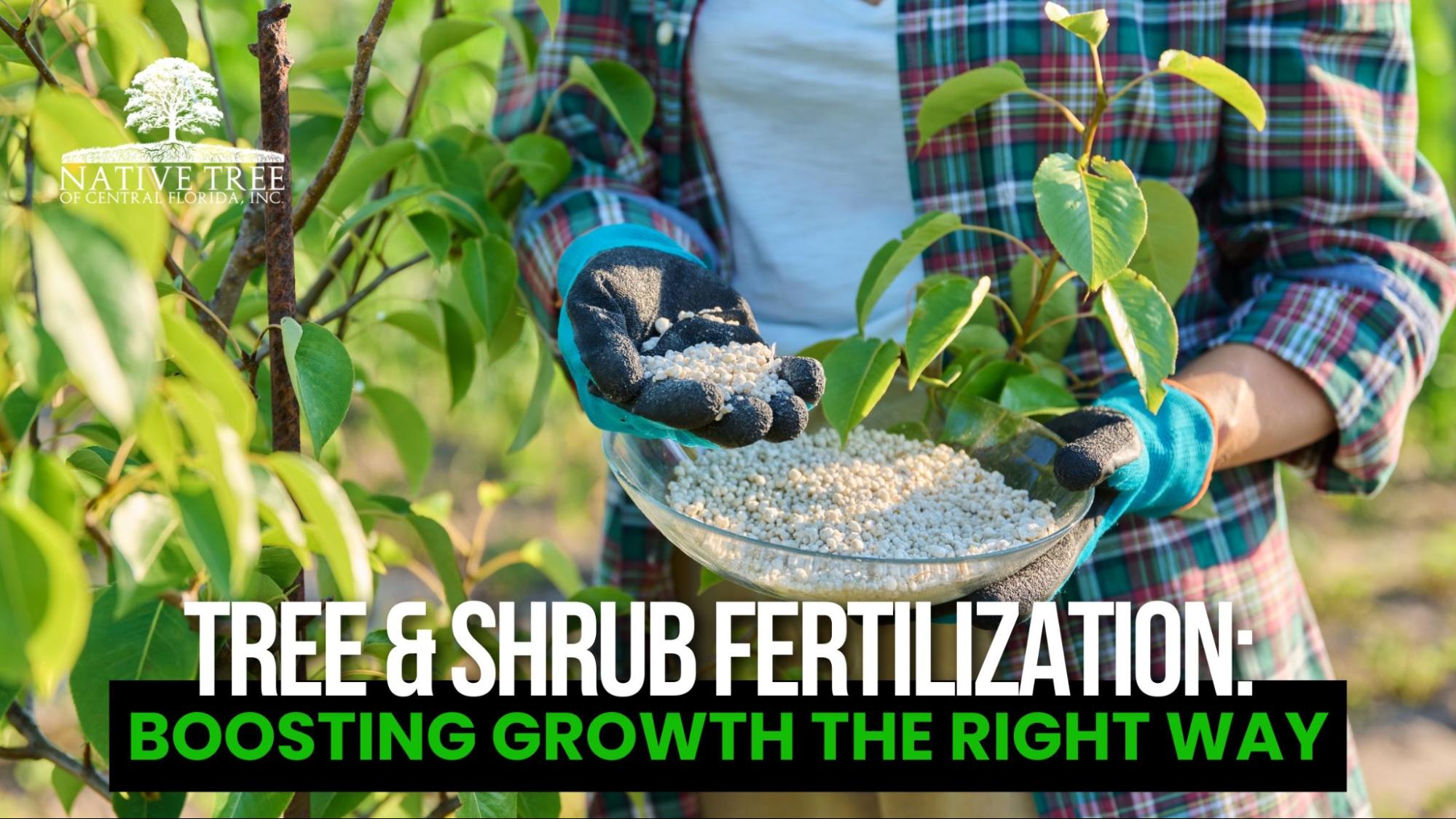
- Shrub fertilization is essential for healthy growth, stronger roots, and vibrant foliage in trees and shrubs.
- Hiring a professional tree service ensures proper soil analysis and precise nutrient application.
- Signs that trees and shrubs need fertilization include yellowing leaves, sparse canopy, and stunted growth.
- A local tree service can recommend the right fertilizer, timing, and application method for your landscape.
- Regular care with a tree care service improves long-term plant health and enhances the overall beauty of your landscape.
In the unique climate of Central Florida, achieving a lush, resilient landscape requires more than just water; it demands a professional approach to shrub fertilization. Because our region’s sandy soil often leaches nutrients before plants can absorb them, local homeowners require a specialized strategy to prevent deficiencies and stunted growth.
At Native Tree of Central Florida, our shrub fertilization program is engineered to address the specific soil challenges found across Central Florida, providing your landscape with the essential nutrients needed to thrive throughout our intense seasons.
Table of Contents
Why Central Florida Soil Needs Targeted Fertilization
| Soil Challenge | The Impact on Your Landscape | Our Fertilization Solution |
|---|---|---|
| Sandy Composition | Nutrients wash away during rain. | Slow-release, granular applications. |
| High Humidity | Promotes fast, weak growth. | Balanced N-P-K for structural strength. |
| Heat Stress | Limits root uptake of nutrients. | Liquid soil injections for direct access. |
| pH Imbalance | Causes "Yellowing" (Chlorosis). | Targeted micronutrient supplements. |
How to Choose the Right Fertilizer
Selecting fertilizer isn’t one-size-fits-all. Consider these key factors to ensure your trees and shrubs get the nutrients they need through proper tree fertilization.
Nutrient Mix
Trees and shrubs typically require nitrogen, phosphorus, and potassium for healthy growth. Micronutrients such as iron, manganese, or boron may also be necessary depending on your soil test results. Using the right balance as part of a tree fertilization service ensures your plants grow strong and vibrant.
Timing & Frequency of Fertilization
- Once per year: For most hardy trees and shrubs. Typically, in spring to fuel new foliage development.
- Every other year: Suitable for fertile soil where nutrient levels are already sufficient.
- Multiple applications annually: Ideal for young or stressed trees needing faster growth and root strengthening.
- Tailored schedule: A local tree service can create a custom plan based on soil, species, and climate.
Application Methods – Traditional vs. Advanced
Deep-Root Fertilization / Soil Injection
Delivers nutrients directly to the root zone, making it highly effective for large trees and those struggling with compacted soil or poor nutrient uptake. However, it requires specialized equipment and may slightly disturb the soil during application. This method is best used for trees growing in compacted urban soils or where surface applications are ineffective.
Mixing Fertilizer with Mulch
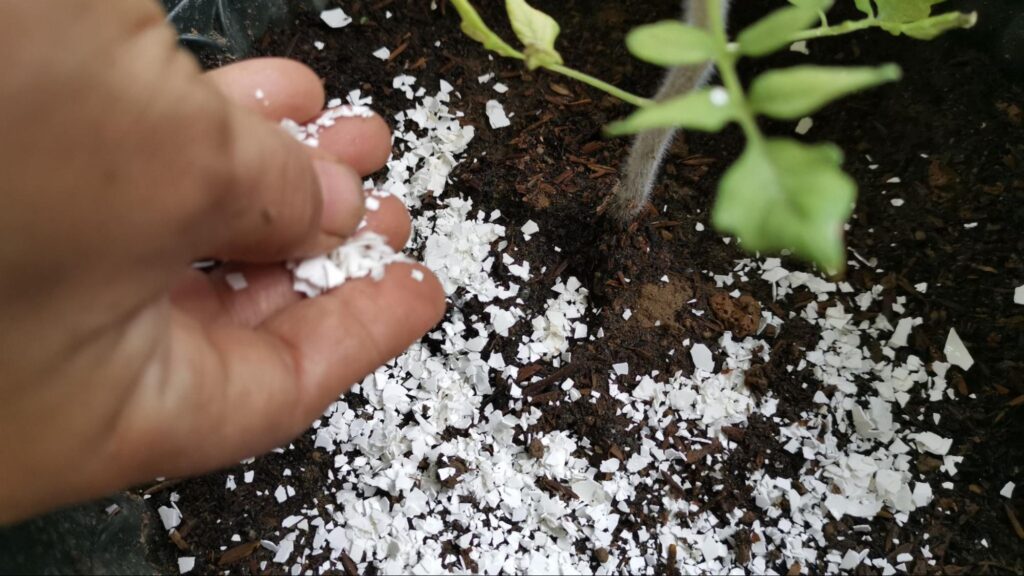
Easy and practical approach that allows for gradual nutrient release while also helping retain soil moisture. The downside is that nutrient absorption is slower and less precise compared to injection methods. It works well for shrubs, young trees, or landscaped areas that receive regular irrigation.
Drill-and-Inject Fertilization
Targets nutrients precisely where they are needed and can be especially helpful for mature or disease-prone trees requiring a quick nutrient boost. While effective, there is a small risk of root damage if performed incorrectly. This method is most suitable for stressed or mature trees needing immediate support.
Root Feeder Tools or Bubbler Systems
Provide efficient nutrient delivery in urban or confined spaces while minimizing runoff. They can be labor-intensive when used on large trees, but they are ideal for newly planted trees, shrubs, or areas with poor soil penetration.
Liquid Feeding
Offers fast nutrient availability and is useful for quickly correcting deficiencies or helping stressed or newly planted trees recover. However, nutrients may leach away during heavy rain, and frequent applications are often necessary. This method is best for rapid correction of nutrient deficiencies.
Slow-Release Fertilizers
Supply long-term nutrition and reduce the risk of overfertilization, making them a reliable option for routine maintenance. The trade-off is slower visible results, which may not address immediate deficiencies. They are most appropriate for healthy, established trees and shrubs that require steady, ongoing nutrient support.
Signs Your Trees and Shrubs Need Help
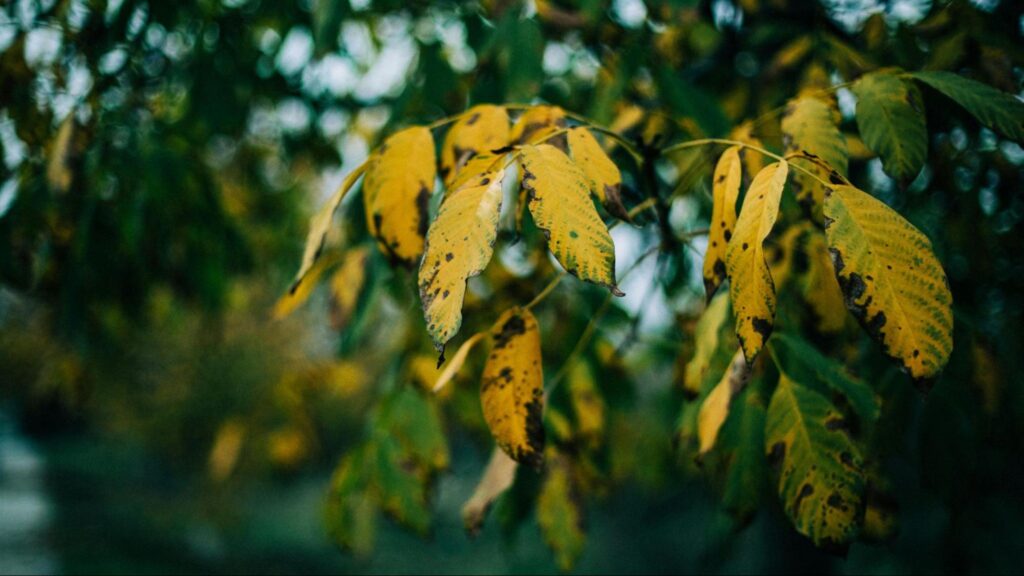
Your plants may be telling you they’re hungry. Watch for these signs:
- Sparse or thinning canopy – The tree or shrub has fewer leaves than usual, indicating nutrient deficiency.
- Yellowing or discolored leaves – Leaves turning yellow or showing unusual colors can signal a lack of essential nutrients.
- Smaller-than-usual leaves – Leaves that are smaller than normal may mean the plant isn’t getting enough nourishment.
- Stunted annual growth – If growth slows or stops during the growing season, fertilization may be needed.
- Early leaf drop or branch dieback – Premature leaf loss or dying branches often indicate stress or nutrient imbalance.
When you notice any of these signs, it’s a good idea to call a tree care service or have your soil tested by a local tree service.
How a Professional Tree Service Improves Fertilization Results
Hiring a professional tree service ensures your trees and shrubs get the right nutrients at the right time, maximizing growth and overall health. Working with a certified tree care service or local tree service helps you create a tailored and effective tree fertilization plan.
Expert Assessment
A professional tree service evaluates soil health, tree age, and species to determine specific nutrient needs. This expert assessment ensures the fertilization plan targets the right areas for optimal growth. Tailoring care to each tree and shrub prevents nutrient deficiencies and supports long-term health.
Precision Fertilization
Specialized equipment allows a tree care service to deliver nutrients directly to the root zone where they are needed most. This method improves nutrient absorption and reduces waste. Accurate application also prevents over-fertilization, protecting both plants and surrounding landscape.
Long-Term Health
Regular visits from a local tree service help maintain nutrient balance over time. Consistent monitoring prevents deficiencies and promotes steady, thriving growth. This long-term approach strengthens roots, foliage, and overall plant resilience.
Safety and Efficiency
Certified professionals apply nutrients safely, avoiding harm to nearby plants and the environment. Their efficient methods save homeowners time and effort while maximizing results. Hiring experts also ensures that fertilization is done correctly, protecting your landscape investment.
Key Takeaways for Landscape Health
- Customized Care: There is no “one size fits all” fertilizer for Central Florida landscapes; we tailor our mix to your specific species.
- Soil Health First: We don’t just feed the leaves; we improve the soil biology to make it easier for trees to absorb nutrients naturally.
- Value Preservation: A consistent fertilization program significantly extends the lifespan of your trees and increases property curb appeal across Marion, Lake, and Orange Counties.
- Expert Application: Improper fertilization can “burn” roots. Professional application ensures the right amount of product in the right location.
When and How Often Should You Fertilize?
Fertilization frequency depends on tree and shrub species, soil quality, and local climate conditions. Proper scheduling ensures plants receive the nutrients they need without over-fertilizing.
Once per year
For most hardy trees and shrubs, a single fertilization each year is sufficient. This timing supports healthy growth and helps plants recover from seasonal stress. It is usually applied in spring to fuel new foliage development.
Every other year
In fertile soil, fertilizing every other year may be enough to maintain nutrient balance. This approach prevents excess nutrient buildup while still supporting overall plant health. A local tree service can determine if this schedule is appropriate for your landscape.
Multiple applications annually
Younger plants or stressed trees and shrubs may benefit from multiple fertilizations each year. More frequent applications help promote rapid growth and strengthen root systems. Regular monitoring by a tree care service ensures these treatments are applied safely and effectively.
Tailored schedule
A local tree service can create a customized fertilization plan based on your soil, plant species, and climate. This ensures long-lasting results and a thriving landscape. Personalized schedules reduce nutrient waste and maximize the health and appearance of your trees and shrubs.
Final Thoughts
Tree and shrub fertilization is more than a quick growth boost — it’s a long-term commitment to plant health and property beauty. By working with a trusted professional tree service or local tree service, you ensure your landscape thrives season after season.
Boosting growth the right way combines fertilization with watering, mulching, pruning, and consistent care. Done properly, your trees and shrubs will reward you with shade, color, and value for years to come.
Strong Roots, Lasting Beauty
Support your trees with the care they need. From precise pruning to ongoing maintenance, we’ll help your landscape stay safe, vibrant, and thriving for years to come.
Frequently Asked Questions