
Key Takeaways
- Following proper tree care tips during the cooler months helps prevent structural failure, disease, and hidden damage to trees in winter.
- Winter tree care in Central Florida is essential even without snow because reduced rainfall, mild frost, and lingering storm damage still stress trees.
- Understanding how trees survive winter helps homeowners act early instead of waiting for visible decline.
- Winter is the best time for pruning, inspections, mulching, and evaluating trees during winter for safety hazards.
- Sandy soils in Ocala require extra attention to root stability and moisture management for healthy trees in winter conditions.
- For the safest and most effective results, always consult ISA-Certified arborists for expert evaluation and recommendations.
Winter in Central Florida may be mild compared to northern states, but your landscape still faces seasonal stress. Following the right tree care tips during the cooler months helps protect trees in winter from hidden damage, disease, and structural failure. Whether you live in Orlando, Winter Park, or Ocala, understanding winter tree care ensures your property stays safe and your trees remain strong heading into spring.
If you’ve ever asked, “How do trees survive winter in Florida?” or wondered whether trees during winter need professional attention, this guide will walk you through science-backed, locally tailored recommendations from industry experts, including the importance of working with ISA-Certified arborists and insured tree care professionals.
Table of Contents
Why Winter Tree Care Is Critical in Central Florida
Even without snow or long freezes, trees winter conditions in Central Florida include:
- Reduced rainfall and drier soil
- Occasional frost events
- Slower metabolic activity
- Lingering storm damage from hurricane season
- Year-round pest and fungal presence
Winter is actually one of the best times for proactive tree care. Growth slows, making it easier to evaluate structure and stability. Addressing problems now reduces emergency risks later.
In areas like Ocala, where slightly cooler temperatures and sandy soil are common, winter tree care becomes even more important for root health and stability.
How Do Trees Survive Winter in Florida’s Climate?
Do Trees in Winter Go Dormant?
Most native trees in Central Florida enter a semi-dormant phase rather than a full dormancy. Growth slows, energy is stored, and water usage decreases. This helps them recover from summer heat stress and prepare for spring growth.
However, because our winters are unpredictable, sudden cold snaps can stress already weakened trees. Without proper tree care, minor issues can become major structural failures.
What Makes Trees During Winter Vulnerable?
- Weak or overextended limbs
- Root damage from previous storms
- Compacted soil
- Fungal infections that remain active year-round
Understanding how trees survive winter allows homeowners to make informed decisions rather than reactive ones.
Strategic Winter Tree Care Services for Stronger Trees
Winter Pruning for Structure and Safety
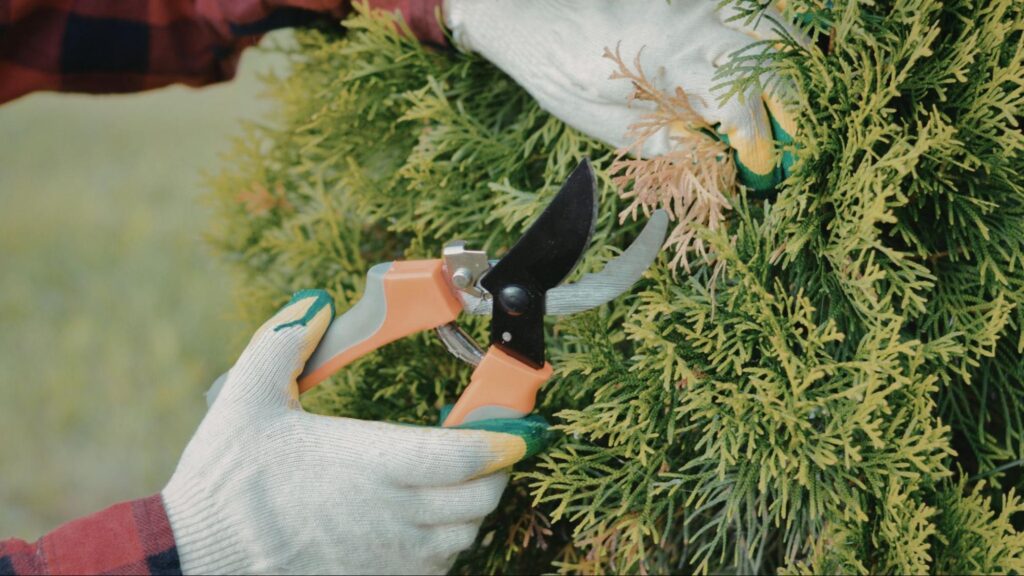
Winter tree pruning is one of the most effective tree care tips for maintaining healthy trees in winter.
Benefits include:
- Improved branch structure
- Reduced storm risk
- Enhanced air circulation
- Removal of dead or hazardous limbs
Because foliage is thinner in many species, structural issues are easier to spot. However, improper pruning can permanently damage trees. That is why consulting ISA-Certified arborists is essential.
An ISA Certified Arborist is a professional credentialed by the International Society of Arboriculture after meeting education requirements, passing a comprehensive exam, and maintaining ongoing continuing education. These professionals follow science-based standards for pruning, tree health evaluation, and risk assessment.
At Native Tree of Central Florida, our ISA-Certified arborists evaluate each tree individually to ensure pruning improves long-term health rather than causing stress.
Tree Risk Assessments and Storm Damage Inspections
Even if hurricane season has passed, hidden cracks, weakened roots, and internal decay can remain. Winter is the safest time to conduct a thorough inspection.
Signs to look for:
- Leaning trunks
- Split bark
- Mushrooms at the base
- Hollow cavities
- Branches rubbing against structures
In Central Florida and Ocala, sandy soil conditions can weaken root systems over time. A professional inspection ensures small issues do not become costly emergencies.
Proper Mulching and Soil Management for Trees in Winter
How Mulch Protects Trees During Winter
Applying 2–4 inches of mulch around the base of a tree helps:
- Regulate soil temperature
- Retain moisture during dry period
- Prevent weed competition
- Reduce surface root stress
Avoid piling mulch directly against the trunk, as this can cause rot and pest infestation.
Watering Trees Winter: How Much Is Enough?
While trees in winter require less water, they still need hydration during extended dry periods.
General guidelines:
- Mature trees: Water only if rainfall is significantly reduced
- Young trees: Light watering every few weeks if soil becomes dry
Overwatering can cause root rot, especially in clay-heavy areas of Central Florida. A professional evaluation ensures proper balance.
Pest and Disease Monitoring During Winter Tree Care
Many homeowners assume pests disappear in winter. In Florida, that is rarely true.
Common winter concerns include:
- Scale insects
- Borers
- Fungal root diseases
- Oak-related pathogens
Because trees during winter are conserving energy, infestations can weaken them more rapidly. Early detection is critical.
ISA-Certified arborists can identify subtle signs of infestation that homeowners often miss.
Why Hiring ISA-Certified Arborists and Insured Professionals Matters
Tree work involves height, equipment, and risk. Choosing an uninsured contractor exposes homeowners to liability and financial risk.
Before hiring any tree care provider, verify:
- Proof of liability insurance
- Workers’ compensation coverage
- Professional credentials
- Experience with native Florida species
An ISA Certified Arborist brings expert-level knowledge of tree biology, pruning standards, risk mitigation, and species-specific care. Certification demonstrates commitment to best practices and continuing education.
Native Tree of Central Florida believes that educating customers leads to better decisions. We are fully insured and employ ISA-Certified arborists because safety, professionalism, and long-term tree health matter.
When a blog explains why insurance and certification are important, we hold ourselves to those same standards.
Special Considerations for Tree Care in Ocala
Ocala experiences slightly cooler winter temperatures and sandier soil conditions compared to other parts of Central Florida.
This means:
- Root anchoring may require closer inspection
- Frost sensitivity can affect certain ornamental species
- Soil moisture retention differs from coastal regions
Proper tree care in these areas requires local knowledge and species familiarity.
Native Tree of Central Florida understands these regional nuances and adjusts service recommendations accordingly.
Supporting Native Tree Species in Central Florida
Planting and maintaining native species improves resilience and reduces long-term maintenance needs.
Popular native trees include:
- Live Oak
- Bald Cypress
- Southern Magnolia
- Slash Pine
Native species are better adapted to Central Florida’s seasonal changes, including tree winter transitions.
We encourage homeowners to consult professionals when selecting or maintaining native trees. Proper placement, pruning, and long-term care planning ensure sustainability.
Native Tree of Central Florida specializes in preserving native landscapes because we believe tree care should support both property value and ecological health.
Schedule Professional Winter Tree Care Today
Your trees are long-term investments that enhance curb appeal, shade, and property value. Ignoring proper tree care during winter can lead to safety hazards and costly repairs later.
If you are located in Central Florida or Ocala and want trusted, professional service, Native Tree of Central Florida is ready to help. Our ISA-Certified arborists provide science-based recommendations, and our company is fully insured to protect your home and family.
Make informed decisions this winter. Choose qualified professionals who practice what they preach. Schedule your winter tree care consultation with Native Tree of Central Florida and ensure your landscape stays strong through every season.
Conclusion
Winter tree care in Central Florida is not optional, it’s preventative protection. Even mild seasonal changes can stress trees in winter, making pruning, inspections, soil management, and pest monitoring essential for long-term health and safety. Understanding how trees survive winter helps homeowners make proactive decisions instead of costly reactive ones.
For the best results, always consult ISA-Certified arborists and hire a fully insured tree care company. If you’re in Central Florida or Ocala, Native Tree of Central Florida is committed to providing professional, science-based tree care that protects your property and strengthens your landscape year-round.
Prepare Your Trees for a Strong Winter Season
Protect your Central Florida landscape with proper winter pruning, inspection, and preventative care. Schedule a professional tree service today to keep your trees healthy and resilient all season long.
Call us today at (352) 561-3626 or reach us via e-mail at sales@nativetreecf.com to schedule your professional tree service.
Frequently Asked Questions
Do trees in winter still need maintenance in Central Florida?
Yes. Even in a mild climate, trees in winter experience slower growth, reduced water intake, and environmental stress. Routine inspections and seasonal pruning help prevent hazards and support long-term health.
How do trees survive winter in Florida without freezing temperatures?
Most species enter a semi-dormant phase where growth slows and energy is stored in the roots. Proper winter tree care helps trees conserve resources and prepare for spring growth.
What are the most important tree care tips for winter?
Key tree care tips include structural pruning, checking for storm damage, applying proper mulch, monitoring pests, and scheduling a professional inspection when concerns appear.
Should I water trees during winter?
Yes, but less often. Mature trees during winter usually only need water during extended dry periods, while young trees may require occasional supplemental watering.
Why should I hire ISA-Certified arborists instead of a regular tree contractor?
ISA-Certified arborists follow science-based standards for pruning, safety, and tree health assessment, helping prevent damage and ensuring reliable long-term tree care.