
Key Takeaways
- Not all landscape pests are easy to spot, many begin as tiny insects that quietly damage trees, shrubs, and ornamental plants before homeowners notice a problem.
- Florida’s hot, humid summers create ideal conditions for several destructive plant pests common throughout Ocala and Central Florida.
- Early identification helps protect tree health, reduces long-term treatment costs, and prevents unnecessary landscape damage.
- DIY treatments may work for minor infestations, but widespread or recurring problems often require professional evaluation to identify the underlying cause.
- Working with an insured tree company and ISA-Certified Arborists ensures treatments are based on tree health, not guesswork.
A healthy yard doesn’t happen by accident. Successful landscape maintenance depends on much more than watering, mowing, and seasonal pruning. Some of the biggest threats to your property are nearly invisible until the damage becomes impossible to ignore.
Here in Ocala and throughout Central Florida, our long summers, frequent rainfall, high humidity, and mild winters create ideal conditions for many destructive plant insects. These pests feed quietly on leaves, bark, roots, or sap, weakening plants over time and making them more vulnerable to disease, drought, and storm damage.
Many homeowners assume yellowing leaves or thinning canopies are simply part of Florida’s summer stress. In reality, tiny insects are often the hidden culprit.
Knowing what to watch for can help you protect your investment before minor issues become expensive problems.
Many of the worst landscape pests in Central Florida are so small they’re often overlooked until plants begin declining. Aphids, whiteflies, spider mites, scale insects, and pine bark beetles thrive in Florida’s warm, humid climate and can damage trees, shrubs, and ornamental plants if left untreated. Early identification and professional evaluation help prevent extensive landscape damage and protect long-term tree health.
Table of Contents
Why Tiny Insects Cause Big Problems
One common misconception is that only large, obvious insects can seriously harm trees and shrubs.
The opposite is often true.
Many of the smallest pests reproduce incredibly quickly. By the time leaves begin curling, branches start dying back, or sticky residue appears beneath a tree, an infestation may already be well established.
In Central Florida, pest activity can continue for much of the year because freezing temperatures rarely interrupt breeding cycles. Combined with sandy soils that can already stress plants during dry periods, insects have an easier opportunity to attack weakened trees and ornamental landscaping.
Regular inspections are one of the most effective ways to catch problems before they spread throughout your property. Even homeowners who stay consistent with lawn care may overlook pest activity developing in nearby trees and ornamental plants.
1. Aphids
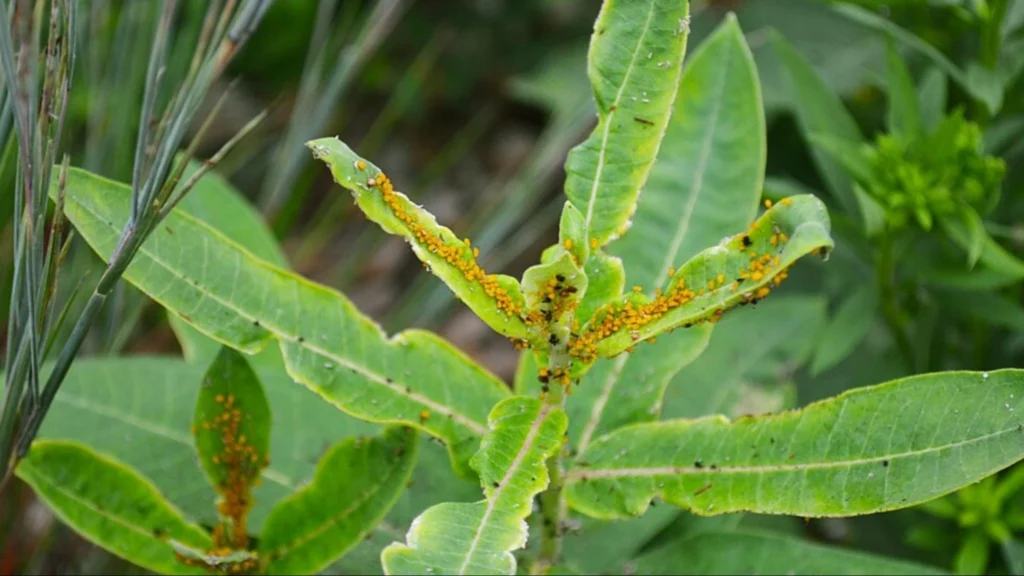
Aphids are among the most common plant insects found in Florida landscapes.
These tiny, pear-shaped insects gather in clusters on new growth, stems, and the undersides of leaves where they feed by sucking sap from plants.
Signs of an Aphid Infestation
- Curled or distorted leaves
- Sticky honeydew on leaves or patios
- Black sooty mold growing on sticky surfaces
- Increased ant activity around trees and shrubs
- Weak new growth
Although individual aphids are small, colonies can multiply rapidly during warm weather.
One overlooked consequence is honeydew buildup, which attracts ants and encourages mold growth that blocks sunlight from reaching leaves.
Can You Treat Aphids Yourself?
For small infestations, spraying leaves with water or using horticultural oils may reduce populations.
However, repeated outbreaks often indicate underlying plant stress.
Rather than simply eliminating the insects, we evaluate why a tree or shrub has become vulnerable in the first place. Proper irrigation, soil health, pruning, and overall tree vigor all influence how susceptible plants become to recurring pest problems.
2. Whiteflies
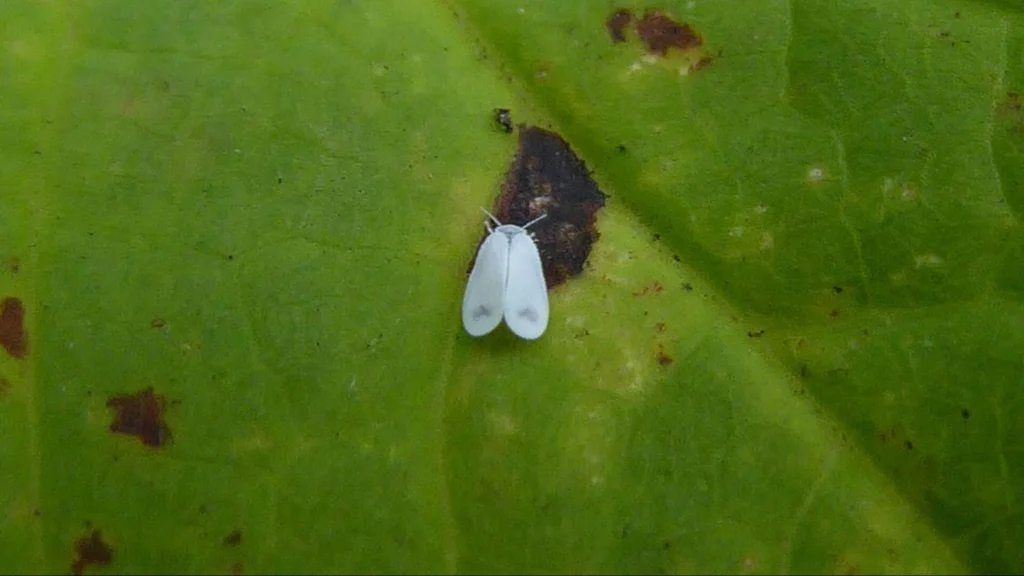
Whiteflies are another common pest throughout Central Florida, especially during warm, humid months.
Despite their name, they are not true flies. These tiny winged insects gather beneath leaves and feed on plant sap, weakening ornamental shrubs, palms, and many landscape plants.
Homeowners often notice clouds of tiny white insects flying up when branches are disturbed.
Warning Signs
- Yellowing foliage
- Premature leaf drop
- Sticky leaves
- Black sooty mold
- Reduced plant vigor
Whiteflies are especially problematic because they reproduce quickly and can spread across multiple plants before visible symptoms appear.
Simply spraying adult insects usually doesn’t solve the problem since eggs and immature stages remain attached beneath the leaves.
Professional monitoring helps determine whether treatment is truly necessary or if natural predators are already keeping populations under control.
3. Spider Mites
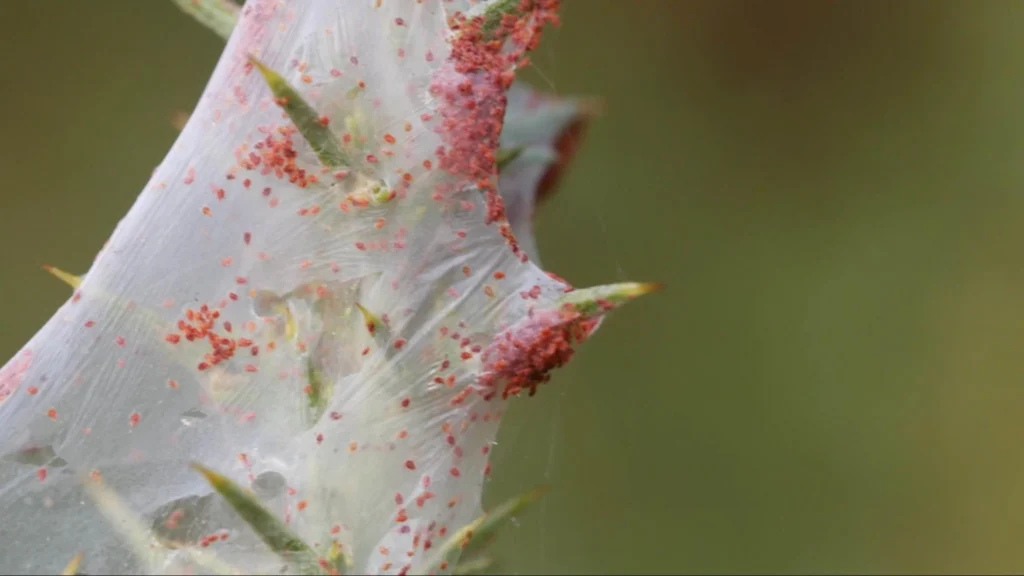
Spider mites aren’t insects at all, they’re tiny relatives of spiders.
Because they’re so small, they’re frequently overlooked until leaves begin showing damage.
Spider mites thrive during hot, dry stretches of Florida weather, particularly when ornamental plants become stressed between periods of heavy rainfall.
Common Symptoms
- Tiny yellow or white speckles on leaves
- Fine webbing between leaves and stems
- Bronze or faded foliage
- Early leaf drop
- Overall thinning appearance
Many homeowners mistake these symptoms for drought stress or nutrient deficiencies.
Without close inspection, it’s easy to misdiagnose the problem and apply treatments that don’t address the actual cause.
This is one reason professional tree evaluations can save both time and money. Identifying the correct pest early helps avoid unnecessary applications while protecting beneficial insects that naturally support a healthy landscape ecosystem.
4. Scale Insects
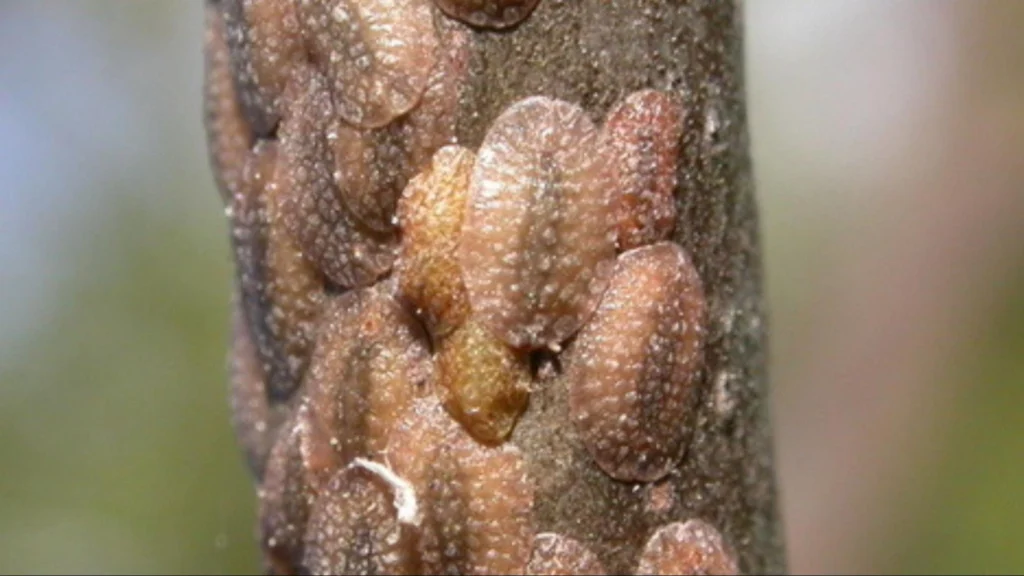
Scale insects are some of the most overlooked plant pests in Central Florida because they don’t always look like insects. Instead, they resemble tiny bumps attached to branches, stems, or leaves.
Once attached, they feed on plant sap, slowly weakening trees and shrubs over time. Oaks, magnolias, hollies, citrus, camellias, and many ornamental plants found throughout Ocala are especially susceptible.
Signs You May Have Scale Insects
- Small raised bumps on stems or branches
- Yellowing or thinning foliage
- Sticky honeydew on nearby surfaces
- Black sooty mold
- Branch dieback over time
One of the biggest homeowner misconceptions is assuming these bumps are simply part of the bark or natural plant growth. Unfortunately, waiting too long allows the infestation to spread while the plant continues losing valuable nutrients.
Treatment timing is also critical. Certain life stages are much more vulnerable than others, which is why professional identification often produces better long-term results than repeated DIY sprays.
5. Pine Bark Beetles
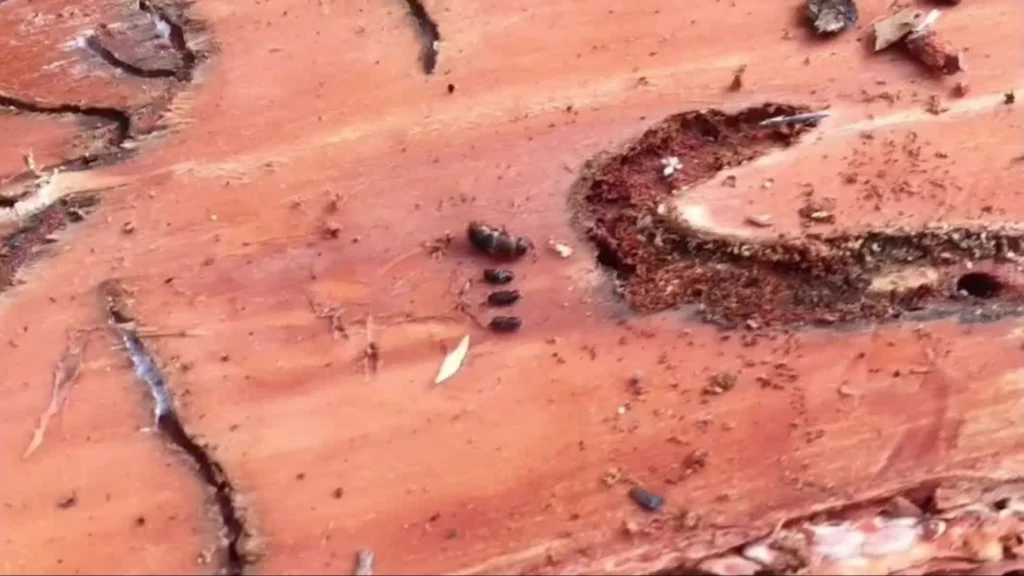
Pine trees are iconic throughout Central Florida, but they’re also vulnerable to pine bark beetles, especially during periods of drought, storm damage, or other environmental stress.
Unlike insects that feed on leaves, these beetles tunnel beneath the bark, disrupting the tree’s ability to move water and nutrients.
By the time homeowners notice visible decline, significant internal damage may already have occurred.
Warning Signs
- Small holes in the bark
- Sawdust-like material collecting near the trunk
- Browning needles
- Thinning canopy
- Sections of bark beginning to loosen
Healthy pine trees naturally produce resin that helps defend against beetle attacks. However, trees weakened by construction damage, poor growing conditions, lightning strikes, or prolonged stress are far more susceptible.
Routine evaluations by ISA-Certified Arborists can help identify declining trees before beetle populations spread to nearby pines.
Should You Handle Plant Pests Yourself?
Many homeowners search online for how to get rid of insects on plants, and while there are situations where simple solutions may help, not every pest problem should be treated the same way.
For example:
- Washing leaves with water may reduce aphids.
- Horticultural oils can help control certain scale insects.
- Pruning heavily infested branches may slow the spread of localized problems.
However, applying the wrong treatment, or treating at the wrong time, can harm beneficial insects, stress healthy plants, or fail to eliminate the underlying issue altogether.
Just as importantly, recurring infestations often point to larger concerns such as poor soil conditions, improper watering, root damage, nutrient deficiencies, or tree stress.
Instead of focusing only on eliminating pests, we focus on understanding why the infestation occurred. Addressing the root cause helps improve long-term landscape health, reduces future pest problems, and can lower your overall landscape maintenance cost rather than providing only a temporary fix.
Why Professional Evaluations Make a Difference
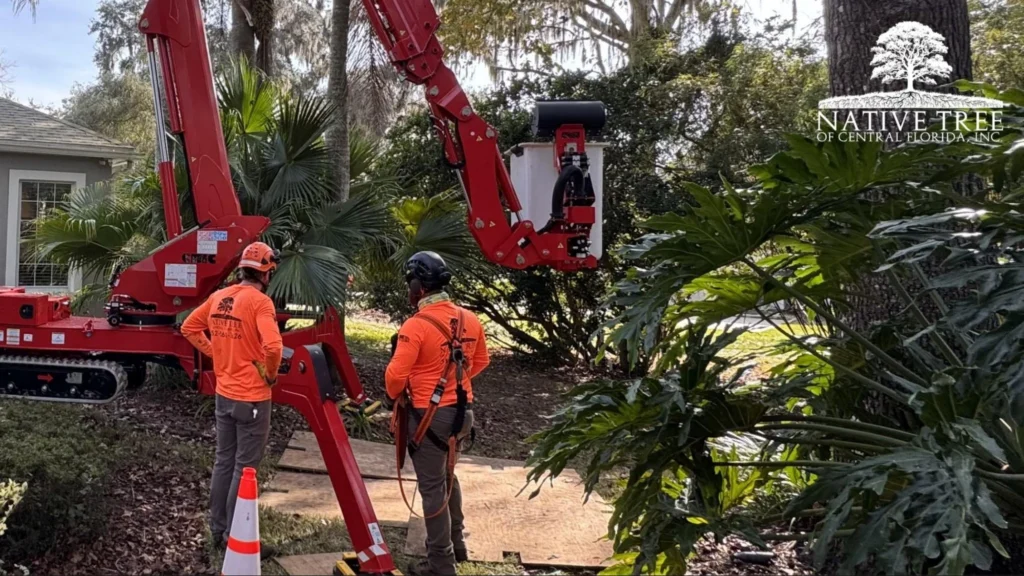
In Florida’s climate, pest activity rarely occurs in isolation. Tree health, soil conditions, irrigation practices, weather patterns, and seasonal stress all influence how vulnerable a landscape becomes.
We believe the best pest management starts with education, not unnecessary treatments, and that’s the approach we take at Native Tree of Central Florida. That’s why our approach begins with careful evaluations to identify what’s causing the problem before recommending a solution. Effective landscape care starts with understanding the root cause of plant health issues instead of simply treating visible symptoms.
When homeowners schedule a professional inspection, we assess the overall health of the tree or shrub, identify the specific pest involved, and recommend practical solutions based on its condition and the surrounding landscape.
Our goal is never to recommend services you don’t need. Instead, we believe informed homeowners make the best decisions for their property when they understand what’s happening and why.
As a fully insured tree company with ISA-Certified Arborists, we also provide peace of mind that your property is being evaluated using professional standards and industry best practices. Whether the solution involves monitoring, pruning, improving growing conditions, or targeted treatment, every recommendation is made with safety, tree health, and long-term results in mind.
Conclusion
Beautiful landscapes don’t just depend on mowing schedules or seasonal planting, they rely on healthy trees and shrubs that can withstand Florida’s unique growing conditions.
From aphids and whiteflies to scale insects and pine bark beetles, many of the most destructive plant insects are easy to miss until significant damage has already occurred.
Understanding the warning signs, monitoring your landscape regularly, and seeking professional guidance when needed can help protect your property’s beauty, safety, and long-term value.
Whether you’re caring for mature oaks, native pines, ornamental shrubs, or an entire summer landscape, following proven landscaping best practices and scheduling proactive inspections remain some of the smartest investments you can make.
Keep Your Landscape Healthy and Pest-Free
Don’t let destructive pests damage the beauty, health, and value of your outdoor space. At Native Tree Service, our experienced team provides professional landscape maintenance services to help identify pest problems early, protect your plants, and keep your property looking its best year-round. Contact us today for reliable solutions that keep your landscape thriving.
Call us today at (352) 561-3626 or reach us via e-mail at sales@nativetreecf.com to schedule your professional tree service.
Frequently Asked Questions
How do I know if insects are causing damage to my trees or shrubs?
Common warning signs include yellowing leaves, sticky residue, black sooty mold, curled foliage, thinning canopies, small holes in bark, and unusual leaf drop. A professional inspection can determine whether insects, disease, or environmental stress is responsible.
Is DIY pest control enough for landscape plants?
Minor infestations may respond to proper watering, pruning, or horticultural oils. However, recurring or widespread infestations often require professional evaluation to identify the specific pest and any underlying tree health issues contributing to the problem.
Why is hiring an insured tree company important for pest-related tree care?
Working with a fully insured company helps protect homeowners from liability while ensuring services are performed according to professional safety standards. It also provides confidence that recommendations are based on proper tree care practices rather than unnecessary treatments.
Can healthy trees resist pests better?
Yes. Trees growing in suitable soil conditions, receiving proper watering, and maintained through routine inspections are generally more resilient to insects and environmental stress than trees already weakened by drought, construction damage, or disease.