
Key Takeaways
- A well-informed palm tree guide helps you avoid costly mistakes by understanding the unique biology and care needs of palms.
- Choosing the right types of palm tree for your property is essential for long-term health, reduced maintenance, and better resilience.
- A proper palm tree care guide includes correct watering, targeted fertilization, and careful pruning, over-pruning can cause serious damage.
- Consistent tree maintenance is the key to preventing disease, pest infestations, and structural issues.
- Early signs like yellowing leaves or weak fronds should never be ignored, as they often indicate deeper problems.
- Hiring an ISA Certified Arborist ensures accurate diagnosis, proper techniques, and long-term tree health.
Palm trees are a timeless symbol of beauty, relaxation, and tropical living but behind their effortless appearance is a need for proper, informed care. Whether you’re maintaining a residential yard or managing a commercial property, this palm tree guide is designed to help you protect your investment, avoid costly mistakes, and make confident decisions about your landscape.
Many property owners underestimate how specialized palm care really is. Improper pruning, poor fertilization, or hiring the wrong contractor can lead to permanent damage or worse, safety risks. This guide not only explains proper tree care and tree maintenance, but also helps you understand when it’s time to trust professionals who are trained, certified, and properly insured.
Table of Contents
Understanding Palm Trees: Types, Growth, and Environment
Before diving into maintenance, it’s important to understand that palms are not like traditional trees. They grow from a single central bud, meaning damage to that point can stop growth entirely. Choosing the right types of palm tree for your property is one of the most important decisions you’ll make.
Popular Types of Palm Tree in Florida Landscapes
Some of the most commonly used palms include the Sabal Palm, Queen Palm, Areca Palm, Pygmy Date Palm, and Foxtail Palm. Each has unique growth patterns, maintenance needs, and tolerance to weather conditions.
For example, Queen Palms grow quickly but require consistent nutrient management, while Sabal Palms are more resilient and low-maintenance. Understanding these differences helps reduce long-term costs and prevents unnecessary stress on your trees.
Why Proper Selection Matters
Planting the wrong palm in the wrong location can lead to recurring problems such as nutrient deficiencies, overcrowding, and storm vulnerability. A well-informed tree care guide always starts with choosing species that match your soil, climate, and maintenance expectations.
Palm Tree Care Guide for Healthy Growth
A proper palm tree care guide goes beyond watering and trimming. It requires consistency, observation, and an understanding of what your tree actually needs to thrive.
How Often Should You Water Palm Trees?
Palms prefer deep, infrequent watering rather than daily shallow watering. Overwatering is one of the most common causes of decline, especially in poorly drained soil.
Signs of improper watering include yellowing leaves, root rot, or slow growth. Adjusting your watering schedule based on rainfall and season is key to maintaining balance.
Best Fertilizers for Palm Trees
Florida soil is often lacking in essential nutrients, making fertilization a critical part of tree maintenance.
Palms require:
- Potassium for overall health
- Magnesium to prevent yellowing
- Nitrogen for growth
Without proper fertilization, palms become weak and more vulnerable to pests and disease.
Common Pruning Mistakes to Avoid
Over-pruning is one of the most damaging practices in palm care. Removing healthy green fronds weakens the tree and disrupts its natural nutrient cycle. Avoid “hurricane cuts,” which may look clean but actually stress the tree and increase long-term risk. Proper pruning focuses only on dead, damaged, or hazardous fronds.
Tree Maintenance Tips for Long-Term Palm Health
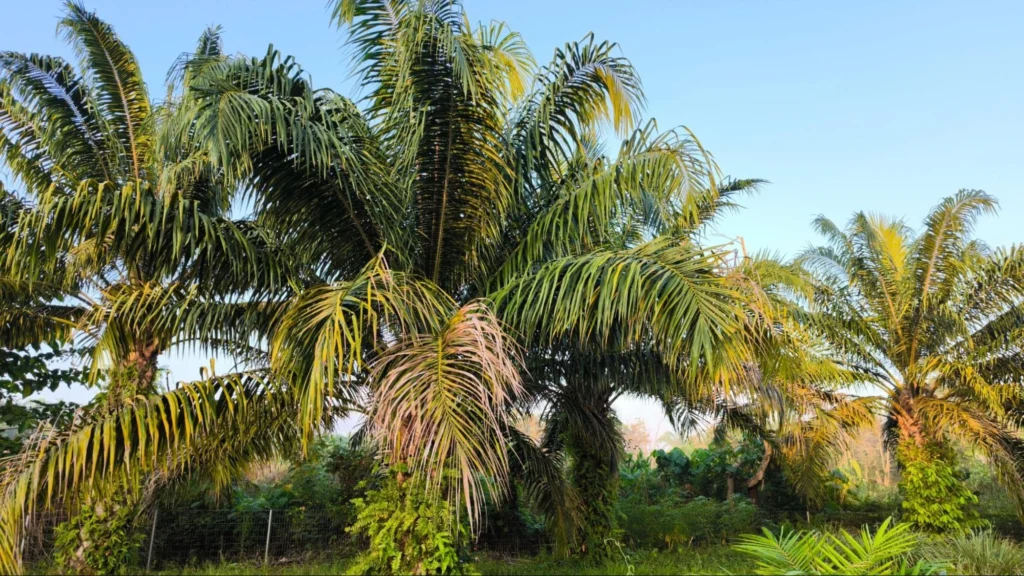
Consistent tree maintenance is what separates thriving landscapes from declining ones. Small issues, when ignored, can quickly become expensive problems.
Signs Your Palm Tree Needs Help
Watch for warning signs such as:
- Discoloration of leaves
- Drooping or weak fronds
- Unusual spots or growth patterns
Early detection allows for faster, more effective solutions.
Seasonal Care Guide
Palm care should adapt throughout the year. During warmer months, palms may require more frequent watering and nutrient support. In cooler seasons, growth slows, and maintenance should be adjusted accordingly.
Common Palm Tree Problems and How to Fix Them
Even well-maintained palms can face challenges. Knowing what to look for and how to respond can make all the difference.
Why Are Palm Leaves Turning Yellow?
This is often a sign of nutrient deficiency, particularly potassium or magnesium. Addressing this early can prevent further decline.
What Causes Palm Tree Disease?
Diseases such as Ganoderma butt rot or Fusarium wilt can be devastating. These conditions often go unnoticed until significant damage has occurred.
How to Prevent Pest Infestations
Pests like palm weevils and spider mites are attracted to stressed or weakened trees. Proper care is the first line of defense, but infestations often require professional treatment.
This is where many homeowners face a critical decision: attempt to fix the problem alone or bring in an expert. Unfortunately, misdiagnosing issues can lead to wasted time, money, and irreversible damage.
Why Hiring an ISA Certified Arborist Matters
When it comes to specialized care, not all providers are qualified to handle palm trees correctly.
An ISA Certified Arborist is a trained professional who has passed rigorous certification exams through the International Society of Arboriculture and continues ongoing education in proper tree care practices.
Why Certification Makes a Difference
An ISA Certified Arborist can:
- Accurately diagnose tree health issues
- Apply proper pruning techniques
- Recommend science-based treatments
- Prevent long-term damage
Without this level of expertise, even well-intentioned work can harm your trees. This is why hiring based on price alone can be risky, what seems like savings upfront can turn into costly repairs or removals later.
When to Hire a Professional Tree Care Service
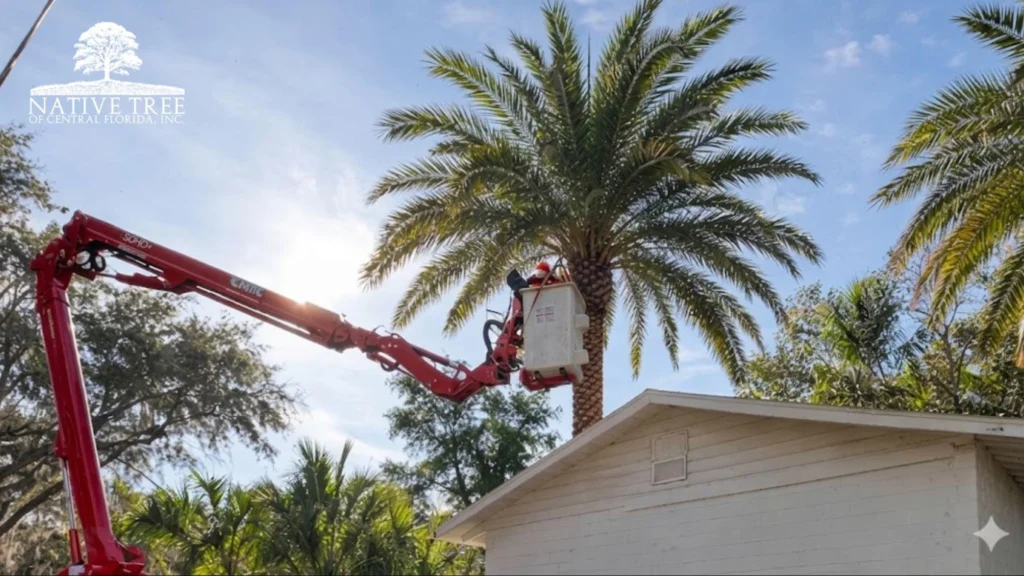
There’s a point where DIY care is no longer safe or effective. Recognizing that point can protect both your property and your finances.
Situations That Require Experts
You should consider a professional tree care service when dealing with:
- Tall or hard-to-reach palms
- Signs of disease or infestation
- Storm damage
- Heavy pruning or tree removal
Tree work involves height, weight, and risk. Attempting these tasks without proper equipment or training can lead to serious accidents.
Many homeowners only realize this after something goes wrong either property damage or injury. Making the right choice early helps avoid those situations entirely.
Why Insurance Should Never Be Optional
One of the most overlooked factors when hiring a tree care provider is insurance.
Tree work is inherently dangerous. Without proper coverage, you could be held liable for damages or injuries that occur on your property.
Risks of Hiring Uninsured Contractors
- You may be responsible for medical costs if a worker is injured
- Property damage may not be covered
- There is little accountability for poor work
What Proper Insurance Protects
Working with a fully insured company ensures:
- Your property is protected
- Workers are covered
- The company operates professionally and responsibly
This isn’t just a technical detail, it’s a major decision point that separates reliable providers from risky ones.
Why Native Tree of Central Florida Is the Right Choice
Choosing a provider isn’t just about getting the job done, it’s about trusting someone with your landscape, your safety, and your investment.
Native Tree of Central Florida reflects the very principles outlined in this palm tree guide.
They work with ISA Certified Arborists who understand the science behind proper palm care. Their team follows industry standards, ensuring every cut, treatment, and recommendation supports long-term tree health. Equally important, they are fully licensed and insured giving you peace of mind that your property is protected every step of the way.
Instead of offering quick fixes, they focus on sustainable, ethical tree care practices. This approach not only improves the health of your trees but also helps you avoid recurring problems and unnecessary costs. For homeowners and property managers who want to make informed, responsible decisions, choosing a company like Native Tree of Central Florida is a natural next step.
Final Thoughts: Make Smart Decisions for Long-Term Tree Health
Caring for palm trees is not just about appearance, it’s about protecting a long-term investment. This palm tree guide is designed to help you understand the importance of proper tree maintenance, informed decision-making, and professional support when needed. Whether you’re still exploring the right types of palm tree for your landscape or maintaining existing ones, having the right knowledge is key to long-term success.
The biggest takeaway is simple: the choices you make today, how you care for your trees and who you trust to maintain them, will determine their health for years to come.
If you value safety, quality, and long-term results, working with a trusted, insured, and certified tree care service like Native Tree of Central Florida isn’t just a good option, it’s the smart one.
Give Your Palm Trees the Expert Care They Deserve
Healthy palms start with the right care from the roots up to the canopy. Schedule a professional palm tree service to keep your landscape strong, beautiful, and thriving year-round.
Call us today at (352) 561-3626 or reach us via e-mail at sales@nativetreecf.com to schedule your professional tree service.
Frequently Asked Questions
What is included in a palm tree guide?
A palm tree guide covers everything from selecting the right palm species to proper watering, fertilization, pruning, and long-term tree maintenance. It also helps you understand when to hire a professional tree care service.
How is a palm tree care guide different from a regular tree care guide?
A palm tree care guide focuses specifically on the unique structure and needs of palm trees, which differ from traditional trees. Unlike a general tree care guide, palms require specialized pruning techniques and nutrient management.
What are the most common types of palm tree for residential properties?
Common types of palm tree include Sabal Palm, Queen Palm, Areca Palm, Pygmy Date Palm, and Foxtail Palm. Each type has different maintenance needs, making proper selection an important part of effective tree care.
How often should I schedule tree maintenance for palm trees?
Regular tree maintenance should be done at least once or twice a year, depending on the palm type and condition. However, inspections should be more frequent to catch early signs of disease or nutrient deficiencies.
When should I hire a professional tree care service?
You should hire a tree care service when dealing with tall palms, signs of disease, pest infestations, storm damage, or heavy pruning. These situations require expertise and proper equipment to ensure safety and effectiveness.