
Key Takeaways
- Fallen tree removal cost varies widely depending on the tree’s size, location, accessibility, and the equipment required. Prices typically range from $300 to $3,600+, with storm-related emergencies costing more.
- Even though a tree is already on the ground, fallen tree removal can still be dangerous, especially when limbs are under tension, tangled in debris, or resting near power lines. Professional help is recommended.
- Insurance may cover storm damage tree removal when the fallen tree hits a structure, blocks access, or creates a safety hazard, but may not pay for clearing trees that fall harmlessly in the yard.
- Additional fees such as debris hauling, stump grinding, chipping, permits, and emergency service charges can increase the total cost to remove a fallen tree.
- Homeowners can reduce their downed tree removal cost by requesting multiple quotes, clearing minor debris themselves, bundling services, and checking insurance eligibility.
Quick Price Estimate:
Average fallen tree removal ranges from $300 to $1,500+, depending on tree size, trunk diameter, and yard accessibility. Standard non-emergency removals fall on the lower end of this scale. Need an accurate estimate? Request a free quote below or call our team today.
When a tree suddenly falls in your yard, it brings more than just a mess, it brings stress, safety concerns, and an unexpected expense. Homeowners often find themselves scrambling to figure out the fallen tree removal cost, whether insurance will help, and how to choose a reliable crew quickly. Understanding how pricing works can save you time, money, and headaches, especially during an emergency.
This guide breaks down everything you need to know about tree removal, downed tree removal, storm-related damage, debris cleanup, and the true cost to remove a fallen tree. Whether you’re searching for “fallen tree removal cost near me” or trying to understand how much to remove a fallen tree, this article gives you all the information in one place.
Table of Contents
What Is Fallen Tree Removal and Why It Matters
Fallen tree removal is the process of safely cutting, sectioning, and hauling away a tree that has collapsed due to storms, disease, old age, saturated soil, root failure, or impact. Although the tree is already on the ground, removal can still be dangerous because fallen trunks and limbs often sit under heavy tension, lean against structures, or lie across unstable surfaces.
A fallen tree can block essential access points, damage roofs and vehicles, crush fences, or even rest dangerously close to power lines. Leaving it unattended increases the risk of further property damage, pest infestations, and potential injuries. Because every situation varies in size, location, and safety hazards, professional removal ensures the tree is cleared efficiently and without causing additional harm to your home or surrounding landscape.
How Much Does Fallen Tree Removal Cost?
The cost to remove a fallen tree varies significantly depending on size, location, and complexity. While fallen tree removal is usually cheaper than removing a standing tree, it still requires trained crews, specialized equipment, and debris disposal.
Average Fallen Tree Removal Cost by Size
The total cost to clear a fallen tree depends primarily on its overall height, trunk diameter, and the equipment required to safely haul it away. Below is a quick breakdown of what you can expect to pay for standard fallen tree removal based on size:
| Tree Size | Height | Average Removal Cost Range |
|---|---|---|
| Small Trees | Under 30 ft | $200 – $450 |
| Medium Trees | 30 – 60 ft | $450 – $900 |
| Large Trees | 60+ ft | $900 – $2,000+ |
What Factors Affect the Cost to Remove a Fallen Tree?
What Factors Affect the Cost to Remove a Fallen Tree?
While tree size is the primary pricing factor, several situational variables can increase or decrease your final project total:
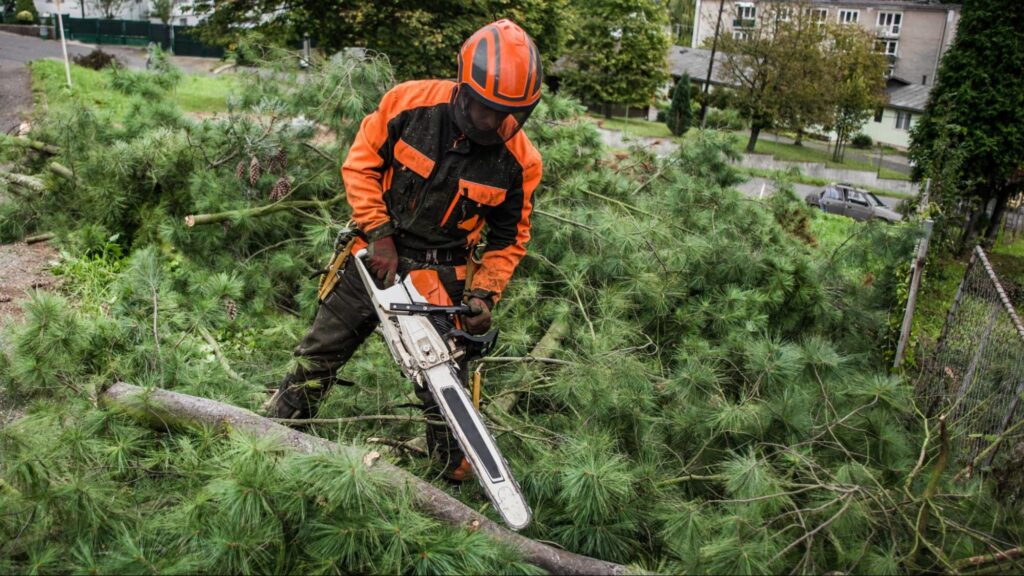
- Terrain and Accessibility: A tree that falls in an open front yard is straightforward to remove. However, if the fallen tree is located on a steep slope, behind a fence, or in a tight backyard with limited gate access, labor costs will increase due to the manual effort required to transport wood to our trucks.
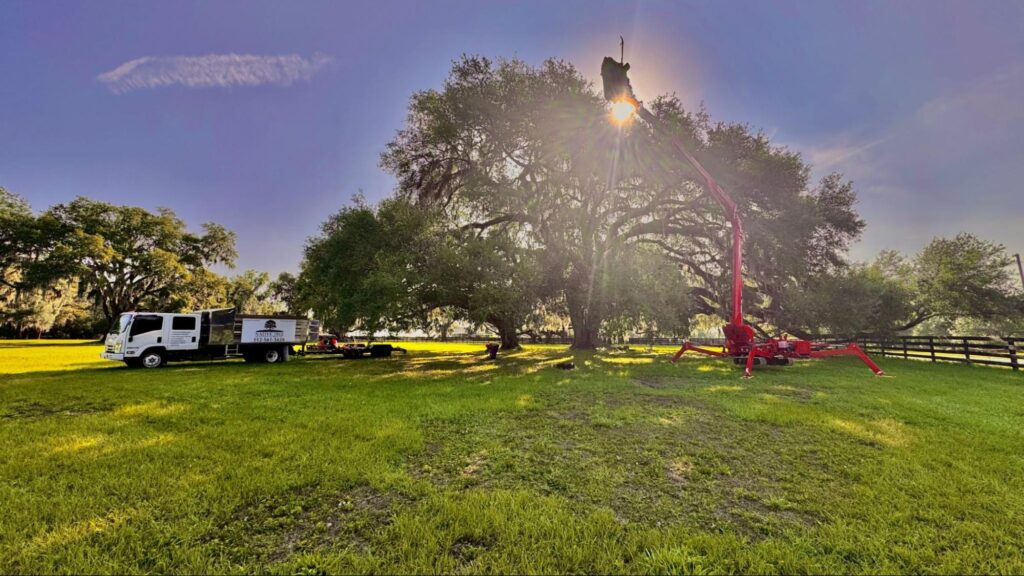
- Heavy Equipment Requirements: Standard fallen tree removal uses chainsaws and mini-skid steers. If a massive trunk is hazardous, lodged in a structure, or unstable, heavy machinery such as cranes, bucket trucks, or specialized rigging systems may be required, which adds to the total equipment fee.
- Haul-Away vs. On-Site Chipping: Complete haul-away service (loading, hauling, and paying local wood disposal fees) costs more than on-site wood chipping. If you choose to keep the wood chips for mulch or have the trunk cut into firewood for your own use, you can often lower your total removal cost.
Fallen Tree Removal vs. Standing Tree Removal
Standing Tree Removal
Standing tree removal requires climbing, rigging, and controlled felling to safely bring the tree down. Because workers must operate at heights, this method is more dangerous and requires skilled professionals. It also often needs additional or specialized equipment to manage the tree’s weight and direction of fall. In many areas, permits are required before the work can begin. Overall, this process is more expensive due to the labor, risk, and equipment involved.
Fallen Tree Removal
Fallen tree removal is simpler because the tree is already on the ground and does not need to be cut down from a standing position. This makes the job less risky for workers, as no climbing or major rigging is required. It also typically requires fewer tools and less time to complete. Because of the lower labor and equipment needs, the cost is often cheaper and the process is faster.
Stump Removal vs. Trunk Removal Costs: What’s In
Standard fallen tree removal covers cutting the tree down to ground level, clearing away the branches, and removing the main trunk sections. Stump grinding or full root extraction is generally not included in standard removal quotes and costs extra.
- Standard Trunk Removal: Included in your base estimate. We bring the tree down to a low stump and clean up the debris.
- Stump Grinding (Optional Add-On): Grinding an existing stump below ground level typically adds $100 to $350+ per stump, depending on the stump’s diameter and root depth.
- Full Stump and Root Ball Removal: If a storm completely uprooted the tree and exposed a massive, heavy root plate, pulling and hauling the entire root ball requires specialized heavy machinery and adds $150 to $500+ to the total job.
Is your fallen tree posing an active threat?
If a tree has landed on your home, vehicle, power lines, or is blocking critical driveway access, do not wait for a standard quote. Visit our 24/7 Emergency Tree Service page or call our rapid response team immediately for priority dispatch.
How to Estimate the Cost of Tree Removal Near You
- Measure or estimate the tree height and trunk diameter.
- Take photos showing where the tree fell.
- Identify obstacles such as fences, roofs, wires, or steep slopes.
- Determine whether the tree is blocking a critical area.
- Decide whether you need debris hauling, wood chipping, or stump grinding.
Safety Risks of DIY Fallen Tree Removal
Many homeowners attempt fallen tree branch removal or fallen tree limb removal themselves. While it may seem manageable, larger trees and heavy branches can be extremely dangerous.Why DIY Can Be Risky
- Heavy limbs can roll or collapse unexpectedly
- Chainsaws pose serious risks for inexperienced users
- Trees entangled in wires can be deadly
- Incorrect cuts can damage houses, vehicles, or cause injuries
How to Safely Remove a Fallen Tree
If you’re considering tackling fallen tree removal yourself, it’s important to understand the proper techniques and safety measures. Removing a fallen tree involves more than just cutting it into pieces, it requires assessing the tree’s weight, tension points, and potential hazards.Professionals use specialized equipment like chainsaws, ropes, winches, and sometimes cranes to ensure the tree is removed without causing injury or property damage. For homeowners looking for step-by-step guidance or professional services, you can learn more about safe methods to remove fallen trees efficiently and safely.
Insurance, Storm Damage, and Who Pays
When a storm knocks down a tree, one of the first questions homeowners ask is whether insurance will cover the cost of removal. The answer depends on the circumstances and the specific terms of your homeowner’s insurance policy.Insurance typically covers fallen tree removal when:
- The tree damaged a structure such as your home, garage, shed, or fence.
- It blocks a driveway, preventing vehicles from entering or leaving your property.
- It poses an immediate hazard, such as leaning against power lines or creating a risk of further property damage or injury.
Insurance usually does not cover removal when:
- The tree fell without causing damage, such as landing in an open yard or empty area.
- You want debris cleaned for cosmetic reasons (e.g., removing fallen branches from the lawn).
- The tree was already dead or diseased and you ignored warnings or failed to maintain it, some insurers may deny coverage if negligence can be shown.
Extra Costs You Should Expect
Stump Grinding
Stump grinding removes the remaining base of the tree, which typically costs between $100 and $300 or more. This service prevents regrowth and makes the area usable again. It is often optional but recommended for a clean landscape finish.Wood Chipping
Wood chipping usually costs $50 to $150, depending on the amount of debris. This service turns branches into mulch or manageable chips. It’s helpful if you want easier disposal or reusable material for your yard.Log Splitting
Log splitting typically ranges from $50 to $100. This service cuts larger trunk pieces into manageable firewood-sized logs. It saves you time and effort if you plan to reuse the wood.Hauling Debris
Hauling debris can cost $100 to $350, depending on the volume and distance. This service removes branches, logs, and wood chips from your property. It’s useful if you prefer a completely debris-free yard without handling cleanup yourself.Permit Fees
Permit fees may range from $60 to $150 or more, depending on your local regulations. Some areas require a permit even for removing fallen trees, especially if they affect public spaces. These fees ensure the work complies with municipal guidelines.Emergency Fees
Emergency fees apply for weekend, nighttime, or storm-related service calls. These higher rates cover the urgency and increased risk involved in the job. Expect elevated pricing if the removal must happen immediately for safety reasons.Money-Saving Tips for Downed Tree Removal
If you want to lower your fallen tree removal cost, consider these tips:- Schedule the service during off-peak seasons
- Ask for a discount when removing multiple trees
- Bundle stump grinding with tree removal
- Clear small branches yourself
- Get 3–5 quotes
- Ask if leaving the wood behind reduces cost
- Check if insurance will cover partial or full removal
Conclusion
Fallen trees create sudden challenges, but knowing the real cost to remove fallen trees helps you make smarter, faster decisions. Whether it’s a simple cleanup job or a complex storm-damage situation, understanding factors like tree size, accessibility, required equipment, and debris handling makes estimating costs easier and more accurate. Being informed also helps you avoid overpaying, choose the right tree removal service, and know when insurance may step in to cover part of the expense.Beyond cost, timely efforts to remove fallen tree protect your home, prevent safety hazards, and restore order to your property after an unexpected event. By recognizing the risks of DIY removal, documenting storm damage carefully, and requesting multiple professional quotes, you’ll be better prepared the next time nature throws you a surprise.
Get Clear Pricing for Fallen Tree Removal
Dealing with a fallen tree can be stressful. Our team provides honest estimates, safe removal, and guidance on your best options.Frequently Asked Questions