

Key Takeaways
- The tree crown (canopy) is crucial for a tree’s health, sunlight absorption, and structural stability.
- Tree crown reduction is a selective pruning technique that reduces canopy size and weight without compromising tree health.
- Crown reduction trees maintain natural shape, improve airflow, reduce limb breakage, and prevent property damage.
- Tree topping vs crown reduction: Topping is harmful and stresses the tree, while crown reduction preserves health and aesthetics.
- Proper crown reduction can increase safety, promote healthy growth, improve sunlight penetration, and enhance tree longevity.
- Its reduction cost depends on tree size, species, location, accessibility, health, and arborist expertise.
If you’ve ever looked at your landscape and wondered whether your tree crown is getting too large, unbalanced, or potentially hazardous, you’re not alone. Many homeowners search for answers about crown management, especially when branches start growing over roofs, driveways, or powerlines.
One of the most effective and healthiest solutions in modern tree care is tree crown reduction, a pruning technique designed to improve safety, stability, and long-term tree health. This comprehensive guide explains what reduction is, how it differs from topping, the benefits, cost expectations, and practical tips to keep your trees thriving.
Table of Contents
What Is a Tree Crown and Why Does It Matter?
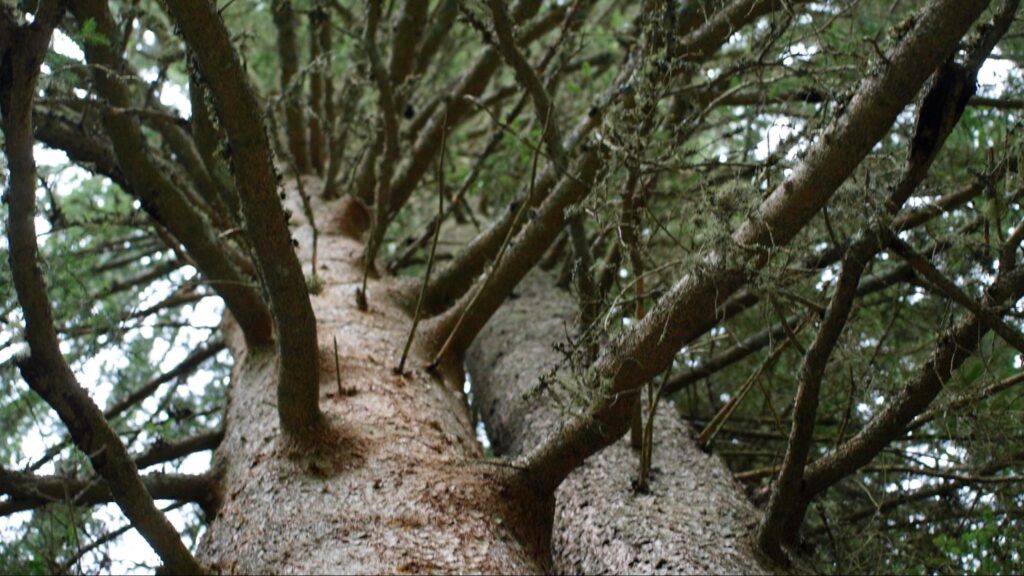
The tree crown, or canopy, is the upper part of a tree where most branches, foliage, and structural growth take place. It plays a major role in the tree’s ability to absorb sunlight, produce energy, and regulate internal temperature. A well-balanced crown keeps the tree healthy. However, when it becomes overextended, too dense, or structurally weak, the entire tree becomes more susceptible to breakage and failure.
This is where proper tree care practices like crown reduction come into play. Unlike random trimming or heavy cutting, crown reduction focuses on selective pruning to reduce the height or width of the crown without compromising the tree’s natural beauty or biological health.
What Is Tree Crown Reduction?
Tree crown reduction is a pruning method that decreases the size and weight of the upper canopy by cutting back branches to strong lateral limbs. This type of pruning reshapes the crown gradually, reduces structural strain, and prevents dangerous overgrowth.
Key characteristics of crown reduction include:
- Removal of no more than 20–25% of the crown at once
- Strategic cuts made at growth points, not in the middle of branches
- Maintaining the tree’s natural shape
- Encouraging healthy, stable new growth
Tree Topping vs. Crown Reduction: The Crucial Difference
What Is Tree Topping?
Tree topping involves cutting the top portion of the tree or removing large limbs without considering branch structure. This creates large wounds, stubbed branches, and significant stress.
- Weak, rapid regrowth known as water sprouts
- High risk of decay and disease
- Unnatural shape and poor aesthetics
- Increased chance of limb breakage
- Shortened tree lifespan
Why Crown Reduction Is Better
Crown reduction is the industry-approved alternative to topping because:
- It uses proper pruning cuts, reducing decay risk
- It preserves the tree’s natural form
- It strengthens branch attachment
- It avoids the stress caused by excessive canopy removal
- It encourages stable, healthy regrowth
If you’re trying to decide between tree topping vs crown reduction, always choose crown reduction. Topping sacrifices long-term health and safety, while crown reduction protects them.
Benefits of Tree Crown Reduction
A proper crown reduction tree pruning session can improve both the tree and your landscape. Here are the top advantages:
Increased Safety
Overgrown limbs can break during storms, especially if they’re long, heavy, or structurally weak. Crown reduction removes hazardous branches, distributes weight evenly, and lowers wind pressure on the canopy.
Improved Tree Health
Reducing overcrowded branches allows the tree to direct its energy toward stronger structural growth. This reduces stress and enhances resistance to pests and diseases.
Better Sunlight and Air Circulation
A more open canopy improves airflow and sunlight penetration, reducing fungal growth and promoting balanced leaf development.
Reduced Property Damage Risks
If branches hang over your roof, driveway, or outdoor structures, crown reduction lowers the chance of them falling and causing costly damage.
A More Attractive Appearance
Crown reduction keeps your tree looking natural and well-shaped. It avoids the harsh, “butchered” look caused by topping.
Long-Term Cost Savings
Paying for proper crown reduction today helps avoid expensive issues such as structural failure, pest infestations, or premature tree removal in the future.
When Should You Consider Tree Crown Reduction?
Your tree might need crown reduction if:
- Large branches hang over your home
- The canopy is extremely dense
- The tree leans or shows signs of imbalance
- Sections of the crown appear weak or overextended
- You see dead or diseased limbs
- Your tree is encroaching on buildings, walkways, or powerlines
For most species, crown reduction is best performed in late fall through early spring when the tree is less active. However, a certified arborist can determine the ideal time based on your climate and tree type.
Tree Crown Reduction Cost: What to Expect
Tree Size
Tree size is one of the biggest factors affecting cost because larger trees require more time, labor, and equipment for safe pruning. Small trees (20–30 ft) are usually the most affordable, typically costing $250–$600. Medium trees (30–50 ft) need more labor and sometimes additional equipment, bringing the cost to around $600–$1,300. Large trees (50–80 ft or taller) are the most expensive due to their height, complexity, and safety requirements, with prices usually ranging from $1,300 to $2,200 or more. In general, the taller and wider the crown, the more effort is required to safely access and reduce it without causing damage.
Tree Species
Some tree species are easier to prune than others. Dense, heavy, or slow-growing trees like oaks or magnolias require extra care and precise cutting, which can increase labor costs. Delicate or brittle species may also require specialized techniques to avoid splitting or decay.
Location and Accessibility
Trees growing near buildings, fences, powerlines, or over paved surfaces are considered higher risk. Additional safety measures, rigging, and equipment may be required, which increases the overall cost. Accessibility is key, trees that are difficult to reach will take longer to prune safely.
Condition of the Tree
The tree’s health directly impacts cost. Diseased, unstable, or structurally weak trees need careful assessment and slower, more precise pruning to avoid further damage. Removing diseased branches safely and minimizing stress can require specialized techniques and more time.
Experience Level of the Arborist
Certified arborists, especially those with ISA certification or extensive experience, usually charge higher rates. However, their expertise ensures the crown reduction is done safely, effectively, and in a way that promotes long-term tree health. Choosing an unqualified provider might save money initially but could lead to costly damage or tree failure.
Average Cost Range
- Small trees: $250–$600
- Medium trees: $600–$1,300
- Large trees: $1,300–$2,200+
High-risk or particularly complex jobs can exceed these ranges. The most reliable way to determine an accurate cost is to request an on-site evaluation from a qualified arborist, who can assess the tree’s size, health, and accessibility.
Tree Crown Reduction Tips for Homeowners
Hire a Certified Arborist
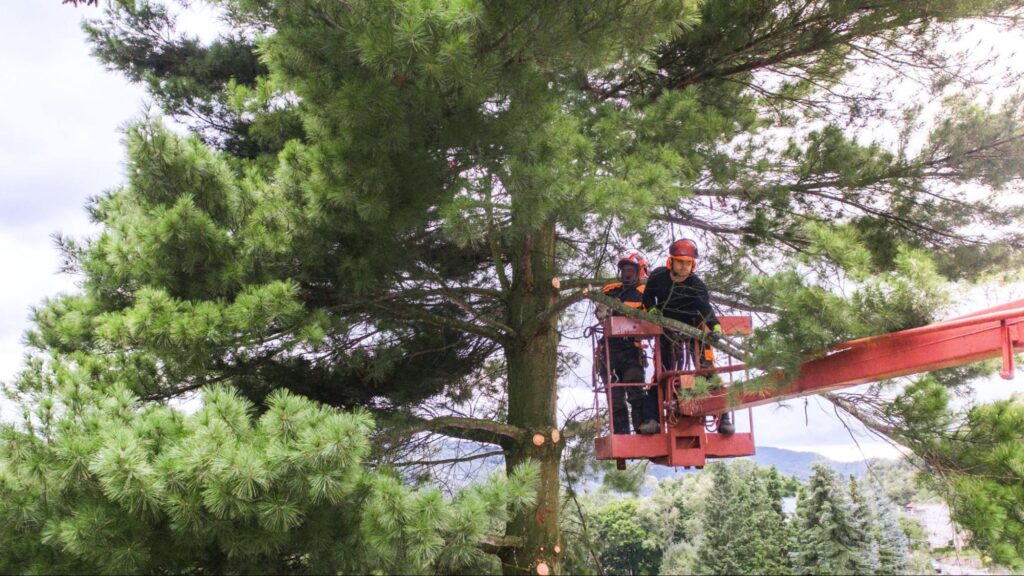
Proper crown reduction is not just about cutting branches, it requires specialized knowledge, skill, and professional tools. Certified arborists are trained to evaluate the tree’s structure, identify weak or dangerous limbs, and use precise pruning techniques to maintain natural shape and health. Avoid companies that suggest topping, as this outdated method can harm your tree and create safety risks.
Request a Detailed Pruning Plan
Before any work begins, ask your arborist for a comprehensive pruning plan. This plan should include:
- The percentage of the crown to be removed: Most healthy trees should not lose more than 20–25% of their canopy in a single session.
- Branches to be pruned: Only weak, overextended, or poorly attached limbs should be targeted.
- Pruning techniques: Methods such as drop-crotch cuts preserve branch structure and minimize large wounds.
Avoid Removing More Than 25% of the Crown
Cutting too much of the canopy at once can shock the tree, reduce its ability to photosynthesize, and make it vulnerable to pests, diseases, and structural failure. A gradual reduction, spread over multiple sessions if needed, is safer and more effective.
Schedule Regular Tree Inspections
Even after crown reduction, regular inspections are crucial. Annual or biannual assessments allow you to identify weak branches, disease, or structural issues early. Timely maintenance reduces hazards and can extend the life of your tree.
Never Attempt DIY Crown Reduction
Pruning large trees involves climbing, using saws at height, and making precise cuts to avoid long-term damage. Attempting a DIY crown reduction without proper training is extremely risky and can injure both you and the tree. Always rely on professional arborists for any significant crown work.
Conclusion
Tree crown reduction is one of the most effective techniques for maintaining safe, healthy, and beautiful trees. Unlike topping, which can severely damage or shorten a tree’s life, crown reduction tree services help preserve the tree’s natural shape, improve structural integrity, and promote long-term health. This method removes excess weight and reduces stress on major limbs while keeping the tree balanced and strong.
Whether you’re dealing with overgrown branches, safety concerns, or simply want better-looking trees, crown reduction performed by a certified arborist is a smart investment for your property. Choosing proper crown reduction tree care ensures your landscape stays safe, visually appealing, and resilient for years to come.
Reduce Risk the Right Way
Crown reduction can reduce risk while preserving natural form. Our experts can assess your trees and recommend the right pruning approach.
Frequently Asked Questions