
Key Takeaways
- Soil Biology First: A healthy lawn starts below the surface; whether organic or traditional, the goal is to build a soil profile that retains moisture in our porous sandy terrain.
- Understand the Trade-off: Traditional care offers rapid results, while organic care builds long-term soil resilience that requires less chemical intervention over time.
- The Hybrid Advantage: Many successful Central Florida landscapes use a balanced approach, leveraging the speed of conventional nutrients with the health benefits of organic amendments.
- Professional Guidance: Choosing a program is a technical decision. Consult with a specialist to evaluate your soil’s unique composition before committing to a long-term plan.
In the challenging environment of Central Florida, achieving a vibrant lawn requires a clear understanding of your soil’s needs. Whether you are considering an organic lawn care program or a traditional, synthetic-based approach, the goal remains the same: a resilient landscape that can withstand our intense heat and rainy seasons.
At Native Tree of Central Florida, we believe the best path forward depends on your specific soil biology and long-term landscape goals. This guide explores the differences to help you make an informed decision for your yard.
Table of Contents
Comparing Approaches: Organic vs. Traditional
| Feature | Organic Lawn Care | Traditional Lawn Care |
|---|---|---|
| Nutrient Delivery | Slow-release; feeds soil microbes. | Immediate; feeds the grass directly. |
| Soil Health | Improves structure and water retention. | Can lead to compaction over time. |
| Central FL Impact | Buffers against sandy soil leaching. | Highly effective for rapid results. |
| Environmental Goal | Long-term sustainability. | Immediate green-up and growth. |
Why Central Florida Soil Changes the Equation
- The Leaching Challenge: Our sandy soil loses nutrients quickly. Traditional lawn care often relies on high-solubility fertilizers that can leach into groundwater during our heavy summer rains. Conversely, organic lawn care uses amendments that bind to the soil, providing a more stable “buffer” for nutrients.
- Microbial Life: Central Florida’s heat can sterilize soil, making it difficult for grass to thrive. Organic programs focus on introducing beneficial fungi and bacteria, which act as a living system to protect your lawn from heat stress.
- Safety and Sustainability: Many homeowners prefer organic options because they reduce chemical runoff into local water tables, which is a major environmental focus for our region.
Benefits of Organic Lawn Treatments
Safer for Kids, Pets, and the Environment
Organic lawn treatment avoids harsh chemicals that may linger on your grass or soak into the soil. Natural products break down safely and don’t pose the same risks associated with traditional herbicides or pesticides. If your lawn is regularly used for play, relaxation, or by pets, organic care offers peace of mind.
Improved Soil Structure and Long-Term Health
Traditional lawn treatments often feed the grass but ignore the soil. Organic products do the opposite, they strengthen the soil so your grass becomes naturally fuller and more resilient over time.
- More earthworms and healthy microbes
- Better root growth
- Improved moisture retention
- Stronger resistance to drought
Eco-Friendly and Sustainable
Organic lawn care supports:
- Reduced chemical runoff
- Less groundwater contamination
- Greater biodiversity
- Healthier pollinators and beneficial insects
Reduced Risk of Chemical Dependency
Chemical-heavy lawn treatments can cause your lawn to depend on synthetic fertilizers to stay green. Organic care avoids that cycle and instead restores your lawn’s natural ability to absorb nutrients.
Drawbacks of Organic Lawn Care
- Results Take Longer – If you want an instantly green lawn, organic lawn treatment might feel slow. The improvements happen gradually as soil health increases. Full transformations sometimes take months, or a full season, depending on the initial condition of your lawn.
- Higher Upfront Cost – Organic fertilizers and soil-building products can cost more initially. However, the long-term maintenance is often cheaper because your lawn becomes less needy over time.
- Weed and Pest Control Isn’t as Aggressive – Organic herbicides and pest controls are effective, but they aren’t as strong as synthetic chemicals. If your lawn already has severe weed issues, organic methods may require multiple applications and consistent maintenance to show visible results.
How Traditional Lawn Treatments Compare
Traditional lawn treatments rely on synthetic fertilizers, herbicides, and pesticides. These chemical-based products offer quick results and are widely used by many lawn care services near me because they are fast, predictable, and easy to apply.
Advantages of Traditional Treatments
- Rapid greening within days
- Effective weed and pest control
- Often lower upfront cost
- Works well for lawns with major infestations or nutrient deficiencies
Disadvantages
- Higher chemical exposure
- Potential harm to pets, kids, and pollinators
- Risk of soil degradation and chemical dependency
- Greater environmental impact due to runoff
How to Decide Which Is Right for You
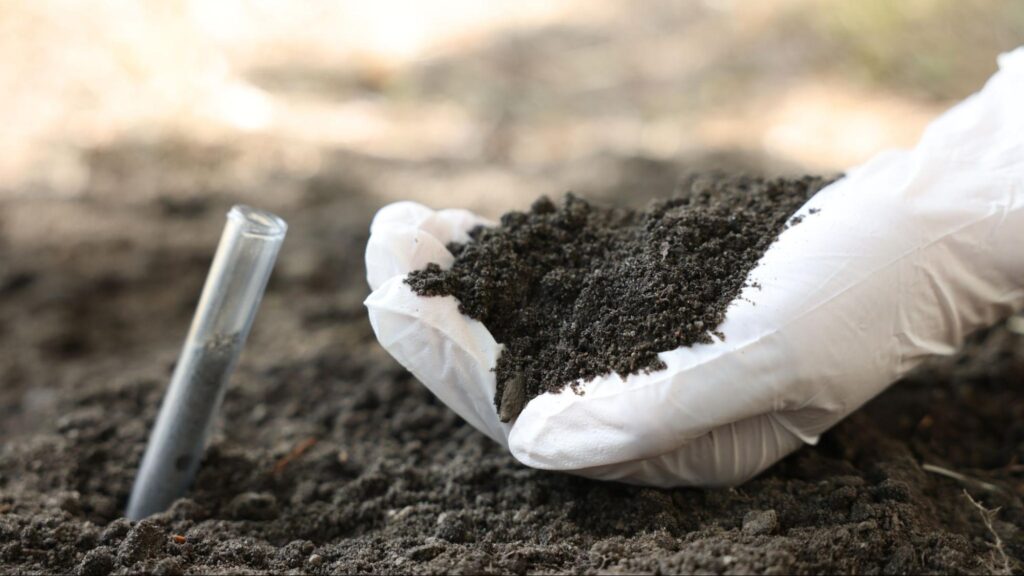
- Prioritize Soil Testing: Regardless of your choice, a soil test is the only way to know if your lawn needs a boost in nitrogen or a correction in pH—a step every professional tree care and lawn specialist takes first.
- Consider Your Goals: If you need a “showcase” lawn quickly, a hybrid approach (using traditional methods for a boost and organic methods for maintenance) is often the most successful strategy in Central Florida.
- Environmental Impact: If your property borders a pond, lake, or wetland, organic options are highly recommended to prevent nutrient pollution in our local water bodies.
Additional Tips for a Healthier Lawn (Organic or Traditional)
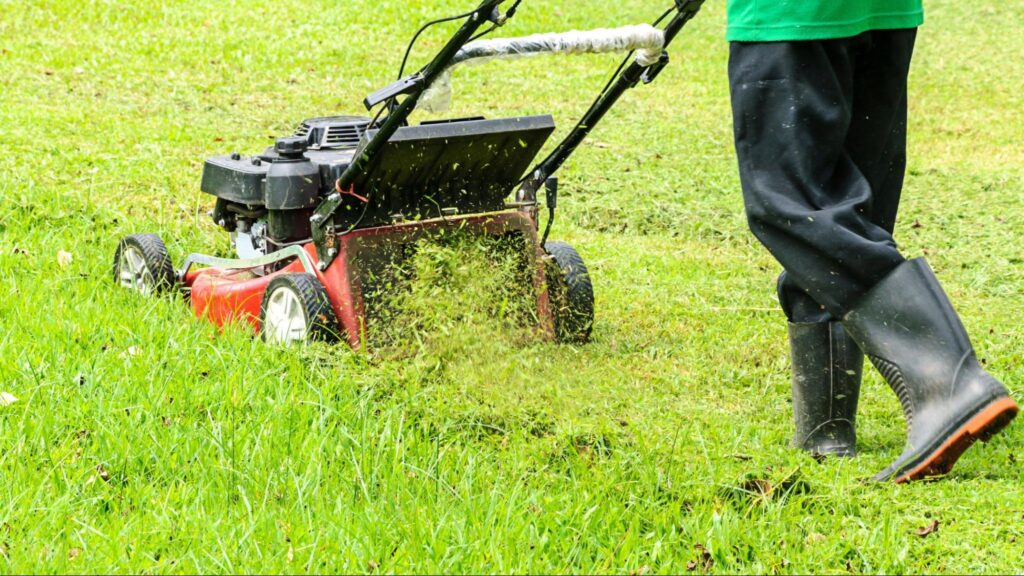
Mow Properly
Proper mowing sets the foundation for a healthy lawn, and it starts with maintaining a consistent cutting routine. When grass is cut at the right height and frequency, it becomes denser, stronger, and naturally more resistant to weeds and disease. Good mowing practices also improve airflow and sunlight exposure at the soil level, creating an environment where healthy grass thrives.Keep Your Mower Blades Sharp
Dull mower blades tear the grass instead of cutting it cleanly, which stresses the plant and creates brown, ragged edges. These torn blades of grass become more vulnerable to pests, diseases, and drought. Sharpening your mower blades regularly ensures a clean cut every time, helping your lawn stay greener, thicker, and healthier overall.Avoid Cutting More Than 1/3 of the Grass Height
Removing too much grass at once shocks the plant and weakens the root system. By following the 1/3 rule, you prevent stress and allow the grass to maintain enough leaf area to continue photosynthesizing effectively. This simple guideline supports healthier growth, reduces lawn stress, and keeps your grass resilient against heat and weeds.Taller Grass Shades Out Weeds
When grass is grown slightly taller, it naturally shades the soil, preventing sunlight from reaching weed seeds. This reduces weed germination without chemicals while also helping the soil retain more moisture.Water Deeply, Not Frequently
Deep, infrequent watering encourages grass roots to grow downward in search of moisture, resulting in a stronger and more drought-resistant lawn. Light, frequent watering only wets the surface, causing shallow roots that dry out quickly. By watering deeply, you build a healthier, tougher grass system that can handle heat and dry periods more effectively.Overseed Annually
Overseeding introduces fresh, vigorous grass seed into your lawn each year, filling in bare spots and boosting turf density. A thicker lawn naturally blocks weeds from taking hold and improves overall appearance. Regular overseeding also helps maintain a young, resilient grass population that can better withstand disease, pests, and foot traffic.Aerate Compacted Soil
Compacted soil restricts the movement of air, water, and nutrients, suffocating the grass roots and slowing growth. Aerating loosens the soil by creating small holes that allow these essential elements to penetrate deeper.Conclusion
Organic lawn care is more than just a trend, it’s a healthier, safer, and more sustainable way to keep your lawn vibrant for years. While traditional lawn treatments offer fast results, they often focus on surface-level improvements that can harm long-term soil health.If safety, sustainability, and long-term growth matter to you, organic lawn treatment is the smarter choice. And with more lawn care services near me now offering eco-friendly programs, switching to organic has never been easier.
Choose the Right Lawn Care for Your Yard
Not sure which approach fits your lawn? Our experts can evaluate your property and recommend the best treatment plan for long-term results.Frequently Asked Questions