


Key Takeaways
- A dormant plant is alive but temporarily pauses growth during the winter season to conserve energy and protect vital tissues.
- Dormancy is a natural survival mechanism, not a sign of a damaged plant.
- Winter damage occurs when plants are exposed to extreme cold, frost, wind, or chemical stress, resulting in brown or black leaves, wilting, and dieback.
- Simple tests such as examining leaves, performing the scratch test, inspecting roots, and observing for new growth in spring can help determine whether a plant is dormant or damaged.
- Caring for plants that are dormant includes proper watering, protection from harsh conditions, mulching, and delaying pruning until spring.
- Severe winter damage may require plant replacement, especially if there’s persistent browning, rotting roots, or lack of new growth.
- Understanding the difference between dormancy and winter damage helps gardeners make informed decisions, maintain a healthy garden, and avoid unnecessary pruning or plant removal.
As the winter season sets in, many gardeners wonder whether their dormant plant is simply taking a seasonal pause or if it has suffered winter damage. Telling the difference is crucial for proper care and for keeping your garden healthy and vibrant when spring arrives. In this article, we’ll dive into what it means for a plant to be dormant, explain the process of dormancy, highlight the signs of winter damage, and provide practical tips for caring for plants during the cold months. By the end, you’ll be equipped to confidently answer the question: “Is my plant dead or dormant?”
Table of Contents
What Is a Dormant Plant?
A dormant plant isn’t dead, it’s simply taking a seasonal pause. During the winter months, many plants enter this state to endure freezing temperatures, shorter days, and limited sunlight. In this phase, growth slows or stops as the plant conserves energy and protects vital tissues from the cold. Deciduous plants often shed their leaves, leaving bare branches that appear lifeless, while evergreens retain their foliage but significantly reduce metabolic activity. This natural “rest period” acts as a built-in survival mechanism, ensuring plants can withstand winter’s challenges.
Dormancy plays a crucial role in maintaining long-term plant health. During this time, energy is stored in roots, stems, and buds, providing a strong foundation for vigorous regrowth in spring. Understanding this process helps gardeners make better care decisions, avoiding unnecessary pruning, overwatering, or replacing plants that are merely resting. By recognizing and respecting dormancy, you can support a healthy, resilient garden that flourishes year after year.
Understanding Winter Damage
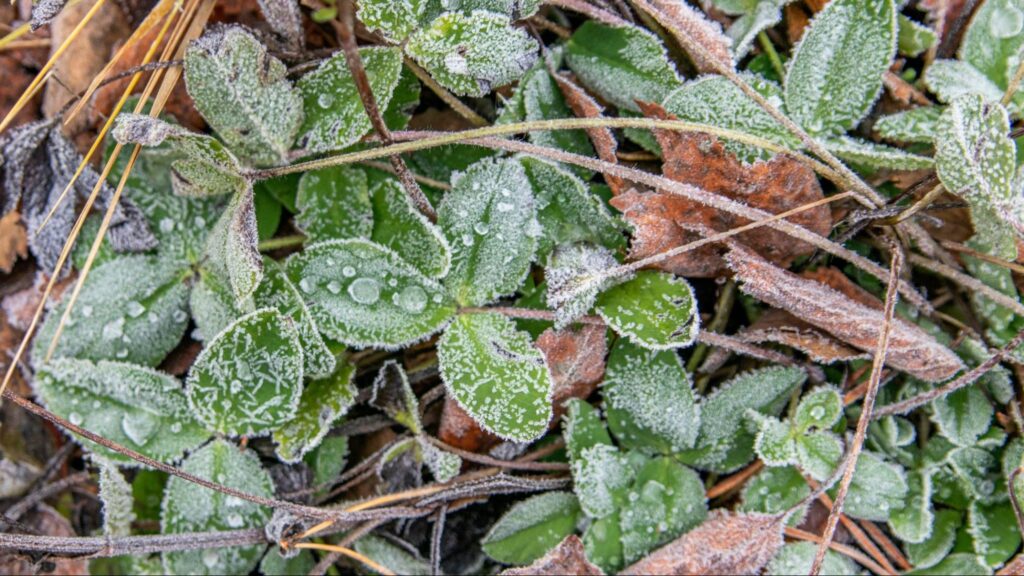
While dormancy is a natural protective pause, winter damage is a signal that a plant has suffered from the harsh conditions of the cold season. Unlike a plant that is dormant, which is alive and conserving energy, a damaged plant shows signs of stress or injury caused by exposure to extreme cold, frost, ice, wind, or fluctuating temperatures.
- Early or Unexpected Frosts – Sudden temperature drops can catch plants off guard before they have fully hardened for winter. Tender leaves, buds, and new stems are especially vulnerable to frost injury. This often results in blackened or wilted foliage and can stunt early spring growth.
- Freeze-Thaw Cycles – During winter, repeated freezing and thawing cause water within plant cells to expand and contract. This can rupture cell walls, leaving stems and branches darkened or mushy. Over time, these weakened tissues may die back, reducing the plant’s overall vigor and structure.
- Desiccation (Winter Drying) – Cold, dry winds can pull moisture from leaves and needles faster than roots can replace it. Even when soil moisture is adequate, frozen ground can block water uptake. This results in browning, curling, or brittle foliage, common signs of winter dehydration.
- Salt and Chemical Injury – De-icing salts and other winter chemicals can leach into the soil or splash onto plant surfaces. Excess salt disrupts root function and draws moisture away from plant tissues. Over time, this leads to scorched leaves, poor growth, and weakened root systems that struggle to recover in spring.
Recognizing the difference between a dormant plant and one with winter damage is essential. With careful observation, gardeners can intervene appropriately, giving healthy plants a chance to thrive while addressing injuries before they become irreversible.
Preventing Winter Stress in Dormant Plants
Even the healthiest plants are not completely immune to the harsh conditions of winter. Extreme cold, fluctuating temperatures, and biting winds can cause stress and potential damage. Fortunately, gardeners can take proactive steps to protect their plants and help them emerge strong in spring:
- Strategic Mulching – apply a layer of shredded bark, straw, or compost around the base of plants. Mulching insulates the soil, retains moisture, and protects delicate roots from freezing. It also improves soil structure and nutrient content, giving plants a boost when growth resumes.
- Site Selection – Place plants in sheltered areas away from frost pockets, cold winds, and intense winter sun. Proper positioning reduces exposure to harsh elements and decreases the risk of winter damage.
- Protective Coverings – Use temporary barriers like burlap screens, frost cloths, or garden blankets during the coldest months. These coverings shield plants from frostbite, winter drying, and desiccation, keeping them healthy throughout dormancy.
- Regular Monitoring – Check plants periodically, even during dormancy, for early signs of stress such as unusual leaf discoloration, cracking stems, or wilting. Early detection allows gardeners to intervene before minor problems become serious.
Caring for Dormant Plants
Even though a dormant plant appears inactive during the winter season, it still needs gentle care to survive the cold and emerge healthy in spring. Proper attention during dormancy ensures strong growth once temperatures rise.
- Watering – Keep the soil slightly moist, but avoid overwatering, which can cause root rot. Remember, these plants require far less water than actively growing ones.
- Protection – Shield your plants from harsh winds and extreme cold using mulch, burlap wraps, or protective covers. This insulation helps prevent desiccation and frost damage.
- Pruning – Avoid heavy pruning until late spring. Cutting back too early may remove buds that are waiting to sprout when dormancy ends.
- Mulching – Apply a layer of organic mulch around the base of plants to regulate soil temperature, retain moisture, and protect roots from freezing.
- Monitoring – Check plants periodically for signs of stress or damage, especially after harsh weather. Catching problems early can prevent serious damage.

Examine the Leaves
For deciduous plants, it’s normal for leaves to fall off completely during dormancy, leaving bare branches. Evergreens, on the other hand, may retain their foliage, with older needles or leaves turning slightly yellow before dropping. This subtle change helps the plant conserve energy through winter. However, if leaves or needles turn black or brown but remain attached, it’s often a sign of frost damage, dehydration, or salt injury. Persistent discoloration or brittleness suggests the plant may be struggling rather than resting.
Perform the Scratch Test
A simple and effective way to check plant health is the scratch test. Use your fingernail or a small knife to gently scrape away a thin layer of bark from a stem or branch. If you see green, moist tissue underneath, your plant is alive and likely just dormant. Brown, dry, or brittle tissue, however, indicates that a section of the plant is dead or has suffered severe winter injury. For best results, test several branches to determine whether the entire plant is affected.
Inspect the Roots
Examining the root system can give you deeper insight into the plant’s condition. Healthy roots are firm, pliable, and usually light in color, signaling that the plant is dormant but still viable. When roots appear dark, mushy, or have a foul odor, they’ve likely been damaged by excessive moisture or freezing. Gently remove a small portion of soil to check without disturbing the plant too much. Consistent root decay across multiple areas may mean the plant will not recover.
Look for New Growth in Spring
The arrival of spring often reveals whether your plant was merely dormant or truly damaged. Dormant plants will begin to push out new buds, shoots, or leaves as temperatures rise and daylight increases. If you notice signs of fresh growth, the plant has successfully survived winter. However, if weeks pass with no visible changes despite proper watering and care, the plant may have succumbed to cold injury. Observing patience during early spring helps confirm whether recovery is possible.
Dormant vs Dead vs Winter-Stressed Plants
Many gardeners struggle to determine whether a plant is simply dormant, damaged, or already dead after winter. While these conditions can look similar at first glance, they have key differences that affect recovery. Learning proper Tree Care Tips for Healthy Winter Trees can help homeowners better understand how plants respond to cold weather and avoid unnecessary removal of healthy or recoverable plants.
A dormant plant is still alive but temporarily inactive due to cold temperatures. You’ll often find green tissue beneath the bark, flexible stems, and healthy roots. Dormancy is a natural survival state, and most plants recover once consistent warm weather returns.
A dead plant, on the other hand, shows no signs of life. Stems are brittle and dry, inner tissue is brown and crumbly, and roots are often decayed. Unfortunately, dead plants will not recover regardless of seasonal changes.
A winter-stressed plant falls somewhere in between. It is still alive but weakened by cold exposure, dehydration, or frost damage. You may notice partial dieback, delayed bud growth, or uneven spring recovery.
Quick comparison:
- Dormant: Alive, no visible growth, fully recoverable
- Winter-stressed: Alive but weakened, partial recovery likely
- Dead: No living tissue, no recovery possible
Understanding these differences helps prevent unnecessary removal of plants that still have a strong chance of recovery.
Why Plants Look Dead in Early Spring (and When to Stop Worrying)
Early Spring Misconceptions About Plant Health
It’s very common for plants to appear lifeless in early spring, even when they are completely healthy. This often leads to the mistaken belief that they have died during winter.
Different Plants Wake Up at Different Rates
In reality, many plants come out of dormancy at different rates. Some shrubs, perennials, and native species naturally take longer to show new growth, especially after a colder-than-usual winter.
Weather Conditions Can Delay Growth
Weather conditions can also delay spring recovery. Extended cold spells or fluctuating temperatures can slow bud development and make plants seem inactive longer than expected.
Avoid Premature Pruning or Removal
Because of this, premature pruning or removal is one of the most common gardening mistakes. Cutting back too early can remove living buds that are simply slow to emerge.
Learn More About Seasonal Plant Behavior
To better understand seasonal plant behavior, you can also explore more topics under your tree care blog resources, which cover how plants respond across different seasons.
Best Time to Confirm Plant Death
As a general rule, it’s best to wait until consistent warm temperatures have settled before concluding that a plant is dead.
When to Replace a Damaged Plant
Recognizing When Replacement Is Necessary
Several clear signs can indicate that a plant is beyond recovery. Persistent blackened or brown stems and leaves that fail to recover in spring are strong indicators of lasting damage. If there is no sign of new growth by late spring, even with proper care, the plant may be dead. Rotting or mushy roots and branches that snap easily or show extensive dieback also suggest it’s time for replacement. Observing these symptoms early allows gardeners to take action before the damage affects surrounding plants.
Consulting Experts for Guidance
When you’re uncertain about a plant’s condition, seeking advice from local nurseries or gardening experts can be very helpful. These professionals can assess whether a plant can still recover or if replacement is the best option. They can also recommend plant species better suited to your region’s soil and climate conditions. By consulting experts, you ensure your next planting decision is both informed and sustainable. This step helps avoid repeating the same issues in future seasons.
Choosing Hardy Replacements
Selecting plants that can tolerate cold and fluctuating weather is key to preventing future loss. Hardy, winter-tolerant varieties are better equipped to handle frost, ice, and strong winds. Native plants are especially reliable choices, as they are already adapted to local growing conditions. Choosing resilient species also reduces maintenance needs and improves your garden’s long-term success. Over time, this approach leads to a healthier and more resilient outdoor space.
Maintaining a Healthy Garden Year-Round
By learning how to care for plants before, during, and after winter, you can minimize future damage. Recognizing when to replace severely affected plants keeps your garden looking vibrant and thriving. Prompt removal of unhealthy plants prevents the spread of disease or rot to nearby vegetation. With careful planning and smart plant selection, your garden can recover and flourish throughout the year. Consistent care ensures lasting beauty and resilience season after season.
Final Thoughts
Understanding the difference between a plant that is dormant and a damaged plant is crucial for maintaining a healthy garden. Observing symptoms carefully, performing simple tests, and providing proper care can help your plants survive the winter season and thrive when spring arrives. These plants may appear lifeless, but with patience and the right care, they can bounce back stronger than ever. By following these guidelines, you’ll confidently answer the question: “Is my plant dead or dormant?” and ensure your garden is ready to flourish year after year.
Revive Your Landscape with Expert Care
Not sure if your plants are dormant or damaged? Our team can assess, treat, and restore your trees and shrubs after winter stress—bringing your landscape back to life with professional care.
Frequently Asked Questions