

Key Takeaways
- Palm tree care is climate-specific, Las Vegas palms need deeper watering and desert-friendly fertilization, while Florida palms require storm prep and fungal protection.
- Tree health depends on consistency, proper planting, watering, fertilization, pruning, and mulching extend lifespan and resilience.
- Professional tree service matters, certified arborists can address pests, root rot, lethal bronzing, or storm damage before it’s too late.
- Balanced fertilization prevents deficiencies, palm-specific, slow-release nutrients help maintain strong, green fronds year-round.
- Preventive care saves money, regular maintenance protects your investment, improves curb appeal, and avoids costly replacements.
Palm trees are symbols of beauty, relaxation, and resilience, often associated with sunny skies and tropical vibes. But behind their elegant appearance lies the need for consistent palm tree care. Whether you live in the dry deserts of Las Vegas or the humid coasts of Florida, proper palm maintenance is essential to protect tree health and ensure your investment thrives for years.
From planting techniques to watering, fertilization, pruning, and professional tree service, this guide will walk you through everything palm owners should know. While the basics of palm tree care apply everywhere, climate differences make certain practices more important in one region than the other.
Table of Contents
Why Palm Tree Care Matters
Palms aren’t just landscape decoration—they’re valuable assets to your property. With the right tree care service, palms provide shade, improve curb appeal, and withstand pests and storms. Neglect, however, leads to weak, unattractive trees and even safety hazards. By focusing on tree health early, homeowners avoid costly replacements and protect their landscapes for decades.How Palm Tree Care Helps Trees Thrive
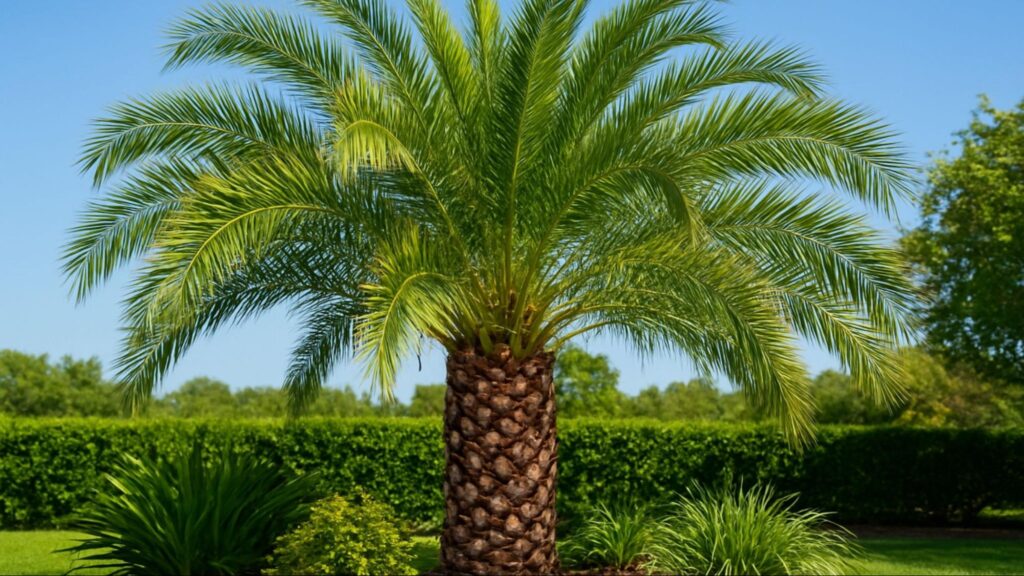
Palm tree care is more than just routine maintenance—it’s the foundation of long-term tree health. Every action, from watering to pruning, directly impacts how well a palm can grow, resist stress, and recover from environmental challenges.
Encourages Strong Root Development
Deep watering encourages palm roots to grow deeper into the soil, creating a strong and stable foundation. This stability helps palms better endure Florida’s high winds and survive the dry desert conditions in Las Vegas.
Boosts Nutrient Absorption
Fertilization provides palms with essential nutrients like potassium and magnesium, which are vital for healthy growth. Proper feeding ensures fronds remain strong, green, and resistant to discoloration or nutrient deficiencies.
Protects Against Stress
Routine monitoring, pruning, and mulching reduce the strain on palms and protect them from avoidable damage. These practices also help the tree fight off pests, fungal infections, and extreme weather challenges.
Extends Lifespan
Consistent palm tree care prevents early decline, allowing trees to remain vibrant and attractive for decades. Homeowners who invest in proper maintenance enjoy not only beauty but also the long-term value palms bring to their property.
By understanding how each care step benefits the tree, property owners can view palm tree care not as a chore but as a smart investment in a thriving, lasting landscape.
Planting and Early Palm Tree Care
Correct Planting Depth
Palm tree care starts the day it’s planted. In both Las Vegas and Florida, planting too deep suffocates the roots, while planting too shallow leaves the palm vulnerable to stress. The root ball should always be level with the soil to ensure strong, healthy root development.
Support for Young Palms
Florida’s strong winds and Las Vegas’s occasional desert gusts can destabilize young palms. Staking during the first few years provides trunk support and encourages upright growth, helping the tree establish itself securely.
Watering for Tree Health
Deep Root Hydration
Watering requirements differ drastically between Las Vegas and Florida. In the desert, palms often struggle with dehydration, while in Florida, too much rain or irrigation can cause root rot. The key in both climates is deep, infrequent watering that reaches the root zone. Shallow watering weakens roots, leaving trees unstable and unhealthy.
Irrigation Systems
An irrigation system tailored to your environment makes all the difference. In Las Vegas, drip or bubbler systems conserve water while ensuring proper hydration. In Florida, irrigation must be carefully managed to prevent oversaturation, especially during rainy seasons. A professional tree service can design a schedule suited to local conditions.
Improving Watering Guidance for Strong Palms
Proper watering is one of the most critical aspects of palm tree care. The goal is deep, infrequent hydration, which encourages roots to grow downward and strengthens overall tree stability. This “deep root hydration” approach prevents shallow, weak root systems that make palms more susceptible to stress, drought, and disease.
Why Deep Watering Matters
Shallow, frequent watering may seem convenient, but it keeps roots near the surface, making trees less resilient to dry spells, storms, and temperature extremes. Deep watering reaches the entire root zone, helping palms develop a strong foundation and improving nutrient uptake.
Adjusting Watering by Climate
- Florida (humid, high rainfall):
Too much shallow watering or constant irrigation can cause root rot and fungal infections. During the rainy season, reduce supplemental watering and focus on soaking deeply only when the top 2–3 inches of soil are dry. - Las Vegas (arid, drought-prone):
Palms require more frequent attention due to dry conditions. Deep watering ensures moisture reaches the roots rather than just wetting the surface. Irrigation systems like drip or bubbler setups are highly effective for conserving water while delivering hydration where it’s needed most.
Monitoring Soil Moisture
Knowing when and how much to water is key. Several techniques help homeowners avoid over- or under-watering:
- Soil Probe or Moisture Meter: Insert 6–12 inches into the soil to check moisture levels. Water only if it’s dry below the surface.
- Manual Check: Feel the soil 2–3 inches deep. It should be moist but not soggy. If soil is hard, compact, or dry at root depth, it’s time to water.
- Observation of Fronds: While not a primary indicator, drooping or discolored fronds can signal water stress.
Best Practices for Deep Root Hydration
- Water slowly to allow moisture to penetrate deeply rather than running off.
- Apply 5 – 10 gallons per small palm and up to 20–30 gallons per mature tree per session, depending on size and soil type.
- Time watering early in the morning or late evening to reduce evaporation and maximize absorption.
- Adjust frequency seasonally: less often in Florida’s rainy months, more often during Las Vegas’ heat and drought periods.
By following these strategies, palms develop deep, resilient root systems, improving drought tolerance, nutrient uptake, and overall health. Healthy roots also make palms more resistant to storms, pests, and disease, ensuring long-term survival and beauty.
Fertilization for Strong Growth
Balanced Nutrients
Nutrient deficiencies are a common problem for palms in both climates. Potassium and magnesium shortages often cause yellow or brown fronds. A slow-release, palm-specific fertilizer strengthens growth and helps maintain a lush canopy.
Seasonal Feeding
While both regions benefit from regular feeding, Florida’s heavy rains can wash nutrients away more quickly. Homeowners there should fertilize three to four times per year to keep palms resilient. In Las Vegas, less frequent fertilization may be needed, but consistency is still key to long-term tree health.
Pruning Do’s and Don’ts
Avoid Over-Pruning
Homeowners often think removing more fronds makes palms look cleaner, but this weakens the tree. In both Las Vegas and Florida, healthy green fronds are essential for photosynthesis and stress protection.
Safe Pruning Practices
Limit trimming to dead or damaged fronds. For tall palms or those near structures, hiring a professional tree service ensures safe and proper pruning. Incorrect cuts not only harm the tree but also open the door to pests and disease.
Mulching and Soil Protection
Mulch is one of the simplest yet most effective palm tree care practices. A 2–4 inch layer helps retain soil moisture, regulate temperature, and enrich soil as it decomposes. In Las Vegas, mulch reduces water loss in dry conditions, while in Florida, it protects against heavy rain and soil erosion. Always keep mulch away from the trunk to prevent rot.
How to Choose the Right Tree Care Service

Not all tree services are the same—regional expertise makes a difference.
- In Las Vegas, choose a provider skilled in drought management, efficient irrigation, and desert-friendly fertilization. These professional tree service experts prevent dehydration and nutrient deficiencies common to desert palms.
- In Florida, look for arborists experienced in pest control, fungal management, and storm preparation. Specialized services may also address diseases like lethal bronzing or Ganoderma butt rot, which are more common in humid climates.
Hiring the right tree care service means your palms receive tailored attention for the challenges of your environment.
Storm and Wind Preparedness
Structural Safety
Strong winds can uproot palms or break fronds. Regular palm tree care, including safe pruning and stability checks, helps minimize storm risks.
Professional Support
Certified arborists can provide advanced tree service, such as cabling, bracing, or soil stabilization, to prepare your palms for hurricanes in Florida or dust storms in Las Vegas.
When to Call a Professional Tree Service
Even with consistent palm tree care, there are times when homeowners need expert help. Call a professional tree service if you notice:
- Persistent yellow or browning fronds
- Leaning trunks or instability
- Drainage issues or root rot
- Recurring pests or fungal growth
- Storm damage
A certified arborist can provide soil testing, pest management, pruning, and structural support to restore tree health. Their knowledge ensures your palms not only survive but thrive.
Final Thoughts
Palm tree care is more than watering and pruning—it’s about adapting your approach to the environment. Las Vegas palms need extra hydration and nutrient support, while Florida palms require pest control and fungal management. By staying consistent with palm tree care and knowing when to bring in a professional tree service, you can enjoy strong, beautiful palms for generations.
Healthy palms enhance property value, provide shade, and stand tall against environmental stress. With the right balance of DIY maintenance and expert support, your palms will continue to be the crown jewel of your landscape.
Nurture Your Trees, Strengthen Your Landscape
Protect the beauty and health of your trees with expert care. Whether it’s seasonal maintenance or professional guidance, we’ll help your trees grow stronger and last longer.Frequently Asked Questions
How often should I water palm trees in Las Vegas?
What is the best fertilizer for palm tree care in Florida?
When should I prune my palm trees?
Do palm trees in Florida need special storm preparation?
How can I prevent palm tree diseases like lethal bronzing?
Regular monitoring, balanced fertilization, and early treatment by a certified arborist help reduce disease risks.
When should I call a professional tree service?
Call a certified arborist if you notice yellowing fronds, pests, root rot, or storm damage.