


Key Takeaways
- Trees are vital allies in the fight against climate change, acting as natural carbon sinks that absorb CO₂ and release oxygen.
- Beyond carbon storage, trees regulate urban temperatures, reduce stormwater runoff, and improve air quality, making them essential for resilient communities.
- Special species, such as drought-tolerant or methane-neutralizing trees, offer unique benefits in combating global warming and sustaining biodiversity.
- Planting trees is only the first step—long-term impact depends on professional tree service for pruning, fertilization, and storm preparation.
- Proper tree care service ensures trees live longer, stay healthier, and maximize their environmental and economic value.
- By integrating trees into urban planning and maintaining them through expert care, communities can build a sustainable future.
It’s simple to imagine leafy canopies and shady streets when we think of trees, but their true strength goes far beyond appearances. Trees are living climate warriors—absorbing carbon, cooling cities, protecting biodiversity, and safeguarding communities from extreme weather. With the right care and planning, they can play a vital role in fighting climate change and building a sustainable future.
Beyond their environmental benefits, trees also improve our daily quality of life. They provide cleaner air, reduce noise pollution, and create healthier spaces for people to live, work, and play. When combined with professional tree care and thoughtful urban planning, trees become one of the most powerful, natural solutions for healthier and more resilient communities.
Table of Contents
Trees: Air Purifiers and Climate Regulators
At their core, trees mitigate climate change through the process of photosynthesis. They soak up carbon dioxide (CO₂)—a leading greenhouse gas—converting it into biomass while releasing oxygen. Over its lifetime, a healthy tree acts as a carbon sink, storing vast amounts of carbon in its leaves, branches, trunk, and roots. Globally, forests absorb around a quarter of human-generated carbon emissions every year.
Yet the benefit doesn’t end there. In cities, trees serve as natural coolants—providing shade that reduces the need for energy-intensive air conditioning. Through transpiration, they evaporate water from their leaves, cooling the surrounding air. This can reduce neighborhood temperatures by several degrees—effectively combating the “urban heat island” effect.
How Trees Fight Climate Change
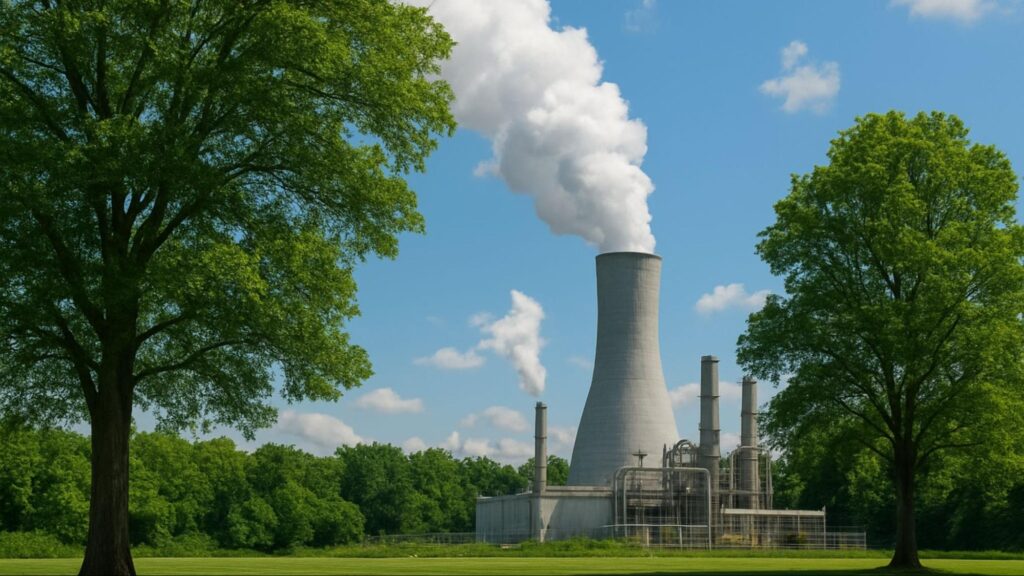
Trees are natural climate defenders, and with the right care, they can maximize their impact on reducing global warming.
Capture Carbon Dioxide
Through photosynthesis, trees absorb carbon dioxide (CO₂), one of the leading greenhouse gases driving global warming. They lock carbon into their wood, roots, and leaves, acting as natural carbon sinks. Over their lifetime, a single healthy tree can store significant amounts of carbon, making them critical in the fight against climate change.
Cool Urban Areas
Trees naturally cool cities by providing shade and releasing water vapor through transpiration. This process reduces surrounding air temperatures, cutting down on the need for air conditioning. As a result, they lower energy demand and help combat the urban heat island effect.
Filter Harmful Air Pollutants
Beyond carbon absorption, trees act as natural air filters. Their leaves and bark trap harmful particles such as ozone, nitrogen dioxide, and fine dust. This improves air quality and supports healthier communities, especially in densely populated urban areas.
Reduce Stormwater Runoff
Tree roots absorb water while their canopies intercept rainfall before it reaches the ground. This reduces stormwater runoff, which helps prevent flooding and soil erosion. In cities, this function also eases the strain on drainage and sewer systems.
Support Biodiversity
Trees provide critical habitats for countless pollinators, birds, and wildlife species. They offer food, shelter, and nesting sites, creating thriving ecosystems. By sustaining biodiversity, trees strengthen the balance of nature and improve overall environmental resilience.
Cooling Cities and Protecting Communities
Recent studies show that trees aren’t just passive fixtures; they are dynamic, living infrastructures that support urban resilience. Cities around the world are expanding tree planting efforts to address heatwaves and inequities in cooling access.
Research using thermal imaging reveals that dense tree canopies near buildings can lower temperatures by as much as 15 degrees Celsius. Unlike air conditioning, this natural cooling method does not add emissions or strain the power grid, making it an essential adaptation strategy in the age of climate change.
Beyond Carbon: Air, Water, and Habitat Benefits
Trees filter harmful pollutants like ozone, nitrogen dioxide, and particulate matter from the air, improving respiratory health for urban communities. An oak tree with a 20-inch diameter, for instance, can remove around 1,000 pounds of carbon annually—saving energy and contributing hundreds of dollars in combined environmental and economic value each year.
Moreover, trees help manage stormwater. Their canopies intercept rainfall, while their complex root systems enhance soil infiltration. This reduces runoff, prevents flooding, and alleviates the burden on drainage systems.
In addition, trees provide habitat for countless bird species, pollinators, and small mammals, strengthening biodiversity and stabilizing ecosystems under pressure from climate change.
How Special Trees Make a Difference
Some trees go beyond the ordinary, offering unique climate benefits through rare adaptations.
- Neutralize methane – Certain tropical tree bark microbes break down methane, a potent greenhouse gas.
- Lock away carbon long-term – Species like fig trees in Kenya form limestone crystals in their wood.
- Thrive in harsh climates – Drought- or flood-tolerant trees survive extreme weather, ensuring resilience.
- Provide multiple benefits –These trees capture carbon while also cooling, filtering air, and stabilizing soils.
- Guide reforestation – Choosing these special trees helps maximize results in climate restoration projects.
While all trees are helpful, these extraordinary abilities show the power of selecting species not only for beauty but also for long-term climate impact.
Nature Alone Isn’t Enough
While tree planting and forest restoration are vital, they are not silver bullets. Scientists caution that trees alone cannot solve climate change. True climate resilience requires reducing fossil fuel use alongside thoughtful, localized ecosystem management.
Nonetheless, integrating nature-based solutions such as reforestation and wetland restoration can deliver measurable benefits. Estimates suggest that these approaches could reduce global warming by up to 0.4 degrees Celsius by the end of this century.
The Importance of Tree Care Services
Planting is just the first step—professional care ensures trees stay healthy, strong, and effective against climate change.
- Choose the right species – Tree service experts match trees to your soil and climate for long-term growth.
- Keep trees healthy – Pruning, fertilization, and pest control improve resilience and carbon storage.
- Protect during storms – Regular maintenance reduces risks of falling branches and storm damage.
- Extend lifespan – Proper care ensures trees live longer, continuing to capture carbon for decades.
- Support sustainability – Professional tree services provide ongoing care that strengthens environmental benefits.
A reliable tree care service also provides storm preparation and emergency response. In regions facing stronger storms linked to climate change, proper maintenance ensures that branches are trimmed, weak trees are supported, and communities remain safe. For cities and homeowners alike, investing in tree service is not just about aesthetics—it’s about resilience and long-term environmental protection.
Maximizing Trees as Climate Tools Through Proper Care
While planting trees is important, their true potential as climate allies depends on ongoing maintenance. Proper tree care, pruning, fertilizing, and disease management, ensures trees live longer, grow stronger, and sequester more carbon over their lifetimes.
1. Scheduled Pruning for Canopy Health
Regular pruning keeps the canopy balanced, removes dead or diseased branches, and allows sunlight and airflow to reach inner leaves. A healthy, well-shaped canopy maximizes photosynthesis, meaning the tree absorbs more carbon dioxide while staying resilient to storms and pests. Scheduled pruning also prevents weak branch formations that could fail, protecting both the tree and nearby people or property.
2. Soil Care to Support Roots
The health of a tree starts underground. Maintaining soil with organic mulch, aeration, and proper drainage improves root growth and nutrient uptake. Mulch conserves moisture, reduces temperature extremes, and prevents weeds from competing for resources. Aerated soil allows roots to access oxygen and water efficiently, supporting vigorous growth and long-term carbon storage.
3. Fertilization and Nutrient Management
Even well-placed trees need nutrients to reach their full potential. Fertilization tailored to the tree species and local soil conditions promotes strong wood and foliage, which increases the tree’s ability to capture carbon. Balanced nutrition also improves resistance to disease and environmental stress, extending the tree’s lifespan and overall climate impact.
The Cost of Neglect
Neglecting tree maintenance diminishes a tree’s effectiveness as a climate solution. Trees weakened by disease, poor structure, or early mortality store less carbon, provide less shade, and are more susceptible to pests. In urban settings, poorly maintained trees can even become hazards, forcing early removal and reducing the cumulative environmental benefits of the landscape. Proper care ensures each tree reaches maturity, maximizing its role in carbon sequestration, urban cooling, stormwater management, and habitat provision.
Actionable Takeaways
- Plan regular pruning every 1–3 years, depending on species and growth rate.
- Maintain healthy soil through mulch layers, aeration, and proper watering.
- Provide nutrients strategically to boost growth and resilience.
- Monitor for pests and disease to prevent early decline.
By combining these maintenance strategies with professional tree care services, trees not only survive, they thrive. The result is stronger, longer-living trees that continue to fight climate change, cool urban environments, and support biodiversity for decades.
Building a Greener Future
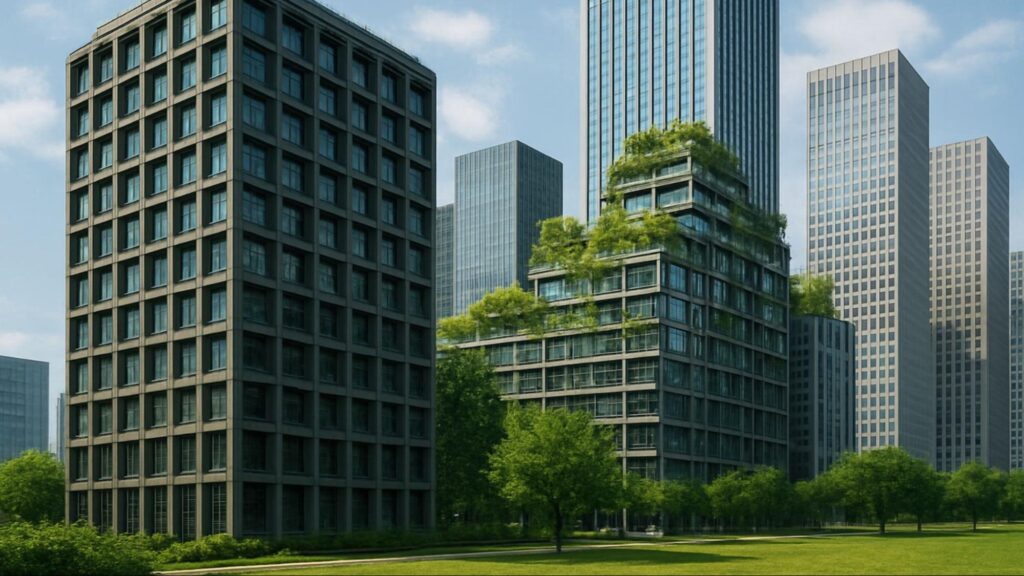
Professional stewardship through tree care service will maintain their health, resilience, and growth for decades. Urban greenery can be strategically planned, creating shaded corridors, cooling canopies, and natural stormwater systems that amplify their environmental benefits.
At the same time, ongoing research into unique carbon-capturing pathways, like methane-eating microbes or limestone-forming trees, can guide innovation in forestry. Coupled with aggressive emissions reductions, these strategies form a holistic approach to addressing climate change.
A Path Forward
In the depths of the ground, through their trunks and leaves, trees quietly wage a relentless battle against climate change. They absorb carbon, cool our cities, clean our air, manage water, and sustain biodiversity. But their strength depends on how well we plant them, care for them, and integrate them into broader climate strategies.With professional tree service, properly planned planting, and a commitment to nurturing our green allies, we can let trees fulfill their hidden power. By giving them the support they need, we’re not just investing in shade or beauty—we’re empowering a natural force capable of shifting our climate’s trajectory toward a sustainable future.
Give Your Trees the Care They Deserve
Keep your landscape thriving with proper tree maintenance. From routine upkeep to expert advice, we’re here to help your trees stay strong and healthy.Frequently Asked Questions
How do trees help fight climate change?
Why is professional tree service important for climate action?
Can I just plant trees without ongoing maintenance?
What role do tree cutting services play in sustainability?
What are the best trees to plant for climate change?
The best species depend on your region’s soil, climate, and weather conditions. Experts recommend drought-tolerant or flood-resistant varieties in vulnerable areas, supported by advice from a tree care service.