
Key Takeaways
- Choosing the right palm tree is essential for long-term landscape success, especially in Central Florida’s hot and humid climate.
- Not all palm tree types are equal, some are cold-hardy and low-maintenance, while others require more care and specific conditions.
- Selecting the right palm tree varieties improves property value, curb appeal, and long-term sustainability.
- Proper palm tree care includes correct watering, fertilization, pruning, and pest prevention to maintain healthy growth.
- Over-pruning palms (hurricane cutting) can cause permanent damage and increase disease risk.
- Florida landscapes benefit most from a mix of native and adapted Florida palm trees that can withstand local weather conditions.
Palm trees instantly transform any landscape into a tropical, elegant, and relaxing environment. Whether you’re upgrading a residential yard or designing a commercial outdoor space in Central Florida, choosing the right palm tree is one of the most important landscaping decisions you can make.
Not all palm tree types are the same. Some thrive in humid Florida weather, while others struggle without proper care. Understanding palm tree varieties, maintenance needs, and climate compatibility ensures long-term beauty, safety, and value for your property.
In this guide, you’ll discover the 20 best palm tree varieties, essential palm tree care tips, and why working with a licensed and insured professional, especially an ISA Certified Arborist, protects your investment and your property.
Table of Contents
Why Choosing the Right Palm Tree Matters in Landscaping Design
Selecting the right palm tree is not just about aesthetics, it directly affects plant health, maintenance costs, and long-term survival.
Climate compatibility and growth success
Central Florida’s heat, humidity, and occasional cold snaps require palm trees that are adaptable and resilient. Choosing the wrong palm tree type can result in poor growth or even tree loss.
Landscape function and property value
Palm trees enhance curb appeal, increase property value, and create natural shade. However, improper selection can lead to excessive maintenance and safety risks.
Long-term maintenance considerations
Some palms require frequent trimming and fertilization, while others are low-maintenance and self-sustaining when properly planted.
20 Best Palm Tree Varieties for Florida Landscapes and Garden Styles
Below are 20 carefully selected palm tree varieties that perform well in Florida palm tree environments, especially in Central Florida landscapes.
Cold-Hardy and Resilient Palm Trees for Central Florida
1. Cabbage Palm (Sabal palmetto)
Florida’s native state tree, highly durable and wind-resistant. Its sturdy trunk and fan-shaped fronds make it a symbol of resilience in coastal landscapes.
2. Windmill Palm (Trachycarpus fortunei)
One of the most cold-hardy palm trees, ideal for variable climates. Its slender trunk and graceful, fan-like leaves add elegance to temperate gardens.
3. Needle Palm (Rhapidophyllum hystrix)
Extremely tough and low-maintenance, perfect for understory planting. This slow-growing palm thrives in shade and can withstand frost better than most species.
4. European Fan Palm (Chamaerops humilis)
Multi-trunk palm with strong drought tolerance. Its clumping habit and textured fronds create a Mediterranean-inspired look.
5. Pindo Palm (Butia capitata)
Known for its edible fruit and silvery-blue fronds. The sweet, orange-yellow fruit attracts birds and adds a unique ornamental appeal.
6. Queen Palm (Syagrus romanzoffiana)
Fast-growing and widely used in Florida landscaping. Its tall, slender trunk and arching fronds make it a classic tropical statement tree.
7. Royal Palm (Roystonea regia)
Tall, majestic, and commonly seen in upscale landscapes. Its smooth, columnar trunk and elegant canopy bring grandeur to any property.
8. Foxtail Palm (Wodyetia bifurcata)
Recognizable by its full, fluffy fronds. The bushy, plume-like leaves create a soft, tropical aesthetic that is highly decorative.
9. Adonidia Palm (Veitchia merrillii)
Compact and ideal for entryways and patios. Its neat, slender trunk and bright green fronds complement smaller landscapes beautifully.
10. Canary Island Date Palm (Phoenix canariensis)
Large statement palm with dramatic appearance. Its massive trunk and arching, feathery leaves make it a focal point in grand landscapes.
11. Areca Palm (Dypsis lutescens)
Popular for privacy hedges and decorative use. The clustered stems and feathery fronds provide lush greenery in both gardens and interiors.
12. Parlor Palm (Chamaedorea elegans)
Excellent indoor palm requiring minimal sunlight. Its elegant, delicate fronds make it a favorite for offices and low-light rooms.
13. Cat Palm (Chamaedorea cataractarum)
Dense clumping palm ideal for shaded gardens. Its bushy appearance adds texture and volume to shaded corners of the landscape.
14. Dwarf Palmetto (Sabal minor)
Low-growing native palm perfect for ground cover. It tolerates wet soils and forms a natural, low-maintenance understory layer.
15. Coconut Palm (Cocos nucifera)
Iconic tropical palm best suited for coastal areas. Its tall, slender trunk and hanging coconuts evoke classic beachside scenery.
16. Bismarck Palm (Bismarckia nobilis)
Bold silver foliage creates dramatic landscape contrast. The striking, large leaves make it a showpiece in both private and public gardens.
17. Lipstick Palm (Cyrtostachys renda)
Striking red crown shaft, ideal for specialty gardens. Its vivid red stems and glossy green fronds offer an exotic, eye-catching display.
18. Majesty Palm (Ravenea rivularis)
Popular ornamental palm for shaded outdoor areas. Its arching fronds and elegant shape bring a tropical feel to patios and gardens.
19. Silver Saw Palmetto (Serenoa repens ‘Silver’)
Native Florida palm with silver-toned leaves. Its compact growth and unique coloration make it perfect for naturalistic landscapes.
20. Traveler’s Palm (Ravenala madagascariensis)
Not a true palm, but widely used for tropical aesthetics. Its fan-like leaves and large stature create a dramatic focal point in tropical-themed gardens.
Essential Palm Tree Care Tips for Healthy Growth
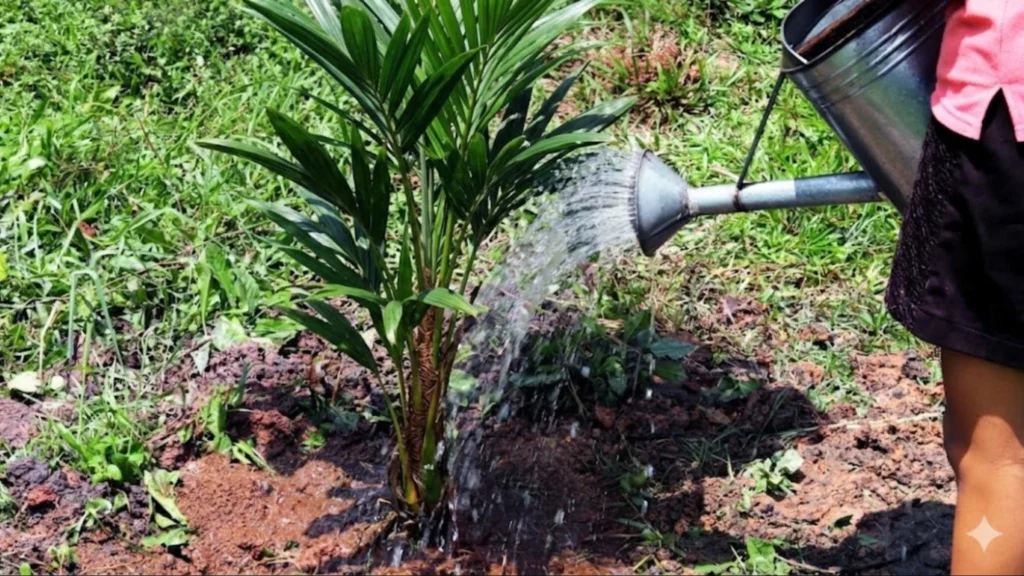
Proper palm tree care is essential for maintaining strong, healthy, and visually appealing landscapes.
- Proper watering practices for Florida climates – Young palms require consistent watering, while mature palms benefit from deep but infrequent irrigation.
- Fertilization for strong palm growth – Use palm-specific fertilizer rich in magnesium, potassium, and manganese to prevent nutrient deficiencies.
- Pruning without damaging palm health – Over-pruning, also known as “hurricane cutting,” can weaken palms and increase disease risk.
- Pest and disease prevention – Regular inspections help prevent infestations such as palm weevils and fungal infections common in Florida palm trees.
Why Hiring an ISA Certified Arborist Is Critical for Palm Tree Care
An ISA Certified Arborist is trained to diagnose, maintain, and safely manage tree health using internationally recognized standards.
Professional palm tree risk assessment
Certified arborists evaluate structural integrity and identify hidden risks before they become hazards.
Proper trimming and maintenance techniques
Incorrect trimming can permanently damage palm trees. Certified professionals ensure proper care methods.
Long-term tree health planning
Arborists create maintenance plans that improve lifespan and reduce long-term costs.
The Importance of Hiring an Insured Tree Care Company
Hiring an insured tree care provider is not optional, it is essential for protecting your property and finances.
- Protection from liability and accidents – Tree work involves heavy equipment and high-risk operations. Insurance protects homeowners from unexpected liability.
- Safeguarding your property investment – Damage during trimming or removal can be costly without proper coverage.
- Professional accountability – Insured companies follow industry standards and prioritize safety compliance.
Why Homeowners Trust Native Tree of Central Florida
Choosing the right tree care provider is just as important as choosing the right palm tree varieties.
At Native Tree of Central Florida, we combine expertise, safety, and integrity to deliver high-quality palm tree care services.
Fully licensed, insured, and safety-focused
We prioritize protection for both your property and our team.
ISA Certified Arborist expertise
Our certified professionals ensure every palm tree receives proper care based on industry best practices.
Specialized knowledge of Florida palm trees
We understand the unique challenges of maintaining palm trees in Central Florida’s climate.
Customer-first approach with real results
We guide homeowners in making informed decisions, not quick, risky shortcuts.
When to Call a Professional for Palm Tree Services
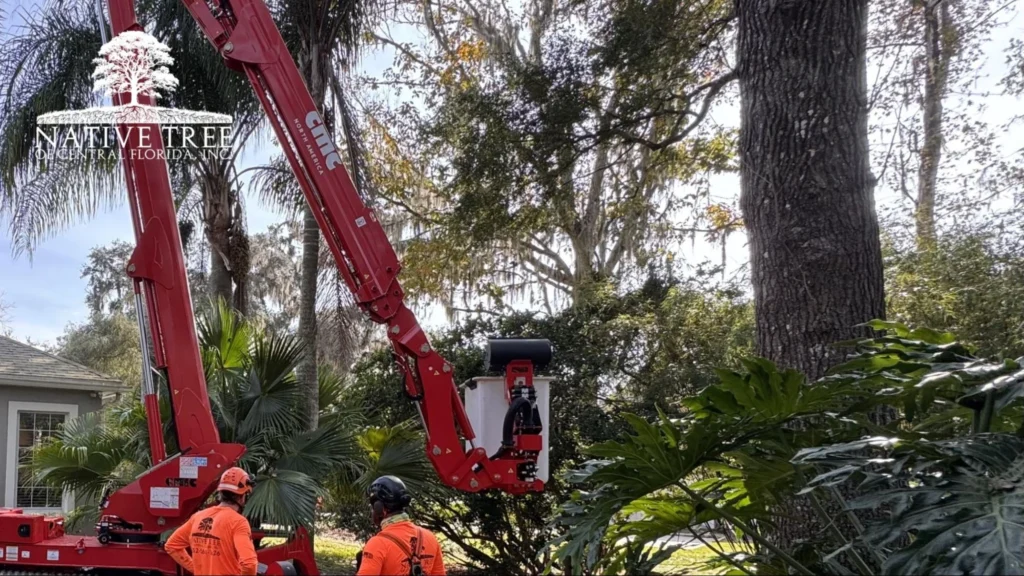
Knowing when to seek expert help prevents costly damage and safety hazards.
Warning signs your palm trees need attention
- Leaning or unstable trunks
- Dead or drooping fronds
- Visible pest infestations
- Slow or abnormal growth patterns
Professional services available
- Palm tree trimming and pruning
- Tree removal and hazard mitigation
- Emergency storm cleanup
- Preventive maintenance programs
Conclusion: Build a Stronger, Safer Landscape with the Right Palm Tree Choices
Choosing the right palm tree varieties is the foundation of a healthy, beautiful, and long-lasting landscape. From cold-hardy natives to tropical statement palms, each species offers unique benefits when matched correctly to your environment.
However, even the best palm trees require proper care, professional maintenance, and safe handling practices. Working with a trusted, insured, and experienced team ensures your landscape remains both beautiful and protected.
If you’re ready to enhance your property with expert palm tree care, Native Tree of Central Florida is here to help you make the right decisions and deliver results you can trust.
Find the Perfect Palm Trees for Your Landscape
Choosing the right variety makes all the difference in long-term growth and appearance. Schedule a professional consultation to select and plant the best palms for your climate and garden style.
Frequently Asked Questions
What is the best palm tree for Central Florida landscapes?
The best palm tree options for Central Florida include Cabbage Palm, Windmill Palm, and Queen Palm. These Florida palm trees are well-suited for humidity, heat, and occasional cold weather while requiring moderate maintenance.
How do I choose the right palm tree varieties for my property?
When selecting palm tree varieties, consider climate compatibility, available space, soil conditions, and maintenance needs. A professional evaluation from an ISA Certified Arborist can help ensure you choose the right palm tree types for long-term success.
What is included in proper palm tree care?
Proper palm tree care includes regular watering, seasonal fertilization, safe pruning, and pest management. Healthy palm trees also require periodic inspections to prevent disease and structural issues.
How often should palm trees be trimmed in Florida?
Most Florida palm trees only need trimming once or twice a year. Over-trimming can weaken the tree, so it’s best to follow guidance from an ISA Certified Arborist to avoid damage.
Why should I hire a licensed and insured tree care company?
Hiring a licensed and insured company ensures your palm tree care is done safely and professionally. It protects you from liability, property damage, and accidents during tree work.