

Key Takeaways
- Palms have a unique structure compared to traditional trees, growing from a single bud, which makes proper care essential to avoid permanent damage.
- Choosing the right palm tree types matters for long-term success, as different types of palm tree varieties have different maintenance needs and growth habits.
- Palm tree leaves (fronds) are vital to the health of the tree, and over-pruning can weaken or even kill a palm plant.
- Palms thrive in Florida climates due to their ability to tolerate heat, humidity, and sandy soil conditions.
- Routine maintenance is key, including pruning, fertilization, pest control, and inspections, to keep palm trees healthy and safe.
Palms instantly bring a sense of tropical beauty and calm to any landscape. But behind their iconic look, palms have a unique structure and set of care requirements that many homeowners overlook. Whether you’re planting a new palm tree or maintaining mature palm trees on your property, understanding how they grow and what they need is essential.
In this complete guide, you’ll learn about different types of palm tree varieties, how palm tree leaves function, proper maintenance techniques, and why choosing the right palm tree service can make all the difference in protecting your investment.
Looking for the perfect palms for your Central Florida yard?
Selecting the wrong species for your soil or light conditions leads to costly replacements down the road.
📞 Call Native Tree CF Today: (352) 561-3626 or Schedule an On-Site Palm Selection & Installation Consultation
Table of Contents
Understanding Palms: What Makes a Palm Tree Unique
Palms belong to a group of flowering plants that differ significantly from traditional trees. Unlike hardwood trees, a palm tree does not grow through layers of wood. Instead, it develops from a single growing point at the top of the trunk.
How Are Palms Different from Other Trees
Palms do not have growth rings, which means you cannot determine their age by cutting into them. Their trunks are made of fibrous tissue, allowing them to bend and withstand strong winds. This flexibility is one reason palm trees perform well during storms in Florida.
Another key difference is that most palms rely on a single bud for growth. If this bud is damaged, the entire palm plant can die. This is why improper pruning is one of the most common causes of palm decline.
Why Palms Thrive in Central Florida Landscapes
Palms are naturally suited to Florida’s climate. They tolerate high humidity, adapt well to sandy soils, and handle intense sun exposure. These traits make them a reliable and attractive option for both residential and commercial landscapes.
Types of Palm Tree Varieties for Florida Landscapes
Choosing the right palm tree types is essential for long-term success. Not all palms have the same growth habits, maintenance needs, or environmental tolerance.
What Are the Most Common Palm Tree Types
Some of the most popular types of palm tree in Central Florida include:
- Sabal Palm – is a hardy, native palm tree known for its durability and low maintenance requirements. It thrives in a variety of soil conditions and is widely used in natural landscapes.
- Queen Palm – is a fast-growing and elegant option often used for visual impact. However, it requires regular fertilization and maintenance to stay healthy.
- Areca Palm – is commonly used as a privacy screen. Its dense growth makes it ideal for creating natural barriers in residential spaces.
- Pygmy Date Palm – is a smaller ornamental palm plant that works well in tighter spaces. It adds character but requires careful pruning to maintain its shape.
How to Choose the Right Palm for Your Property
Consider the available space, sunlight exposure, and maintenance level you’re willing to commit to. Some palm trees grow tall and require ongoing care, while others remain compact and easier to manage.
Palm Tree Leaves: Structure, Function, and Care
Palm tree leaves, also known as fronds, play a critical role in the health of the tree. They are responsible for producing energy through photosynthesis and storing nutrients.
Types of Palm Tree Leaves
Palm tree leaves generally fall into two categories. Fan-shaped leaves spread outward like a hand fan and are common in species like the Sabal palm. Feather-shaped leaves are long and arching, creating a softer, flowing appearance seen in Queen palms.
Importance of Proper Leaf Care
Healthy fronds support the entire palm tree. Removing too many green fronds can weaken the tree and limit its ability to produce energy. Over-pruning, often called “hurricane cutting,” is a common mistake that can lead to long-term damage.
Whether you’re looking to install new palms or need expert care for existing mature trees, proper soil placement and species-specific pruning are essential. Explore our professional Ocala Palm Tree Services & Care.
Need Help Selecting or Maintaining the Right Palms?
From proper soil placement to routine canopy trimming, keeping mature palms safe and healthy requires specialized equipment and expertise. Let our local arborists handle the heavy lifting for your property.
Palm Tree Maintenance: Essential Care Tips for Healthy Growth
Maintaining palm trees requires a balance of proper care and professional oversight. While palms are often considered low-maintenance, neglect or incorrect practices can lead to serious issues.
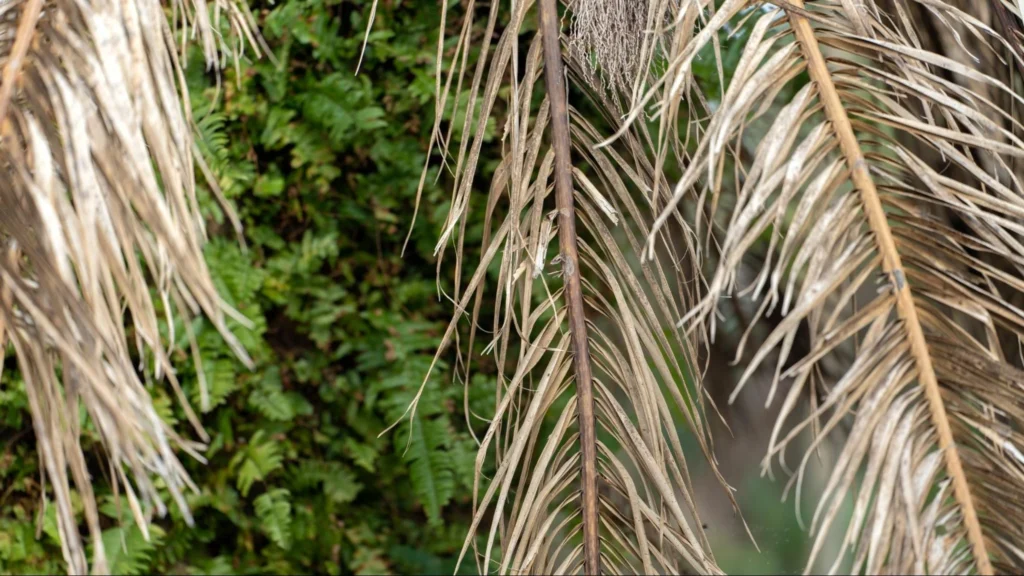
- What Does Proper Palm Tree Care Include – Routine care involves removing dead or damaged fronds, applying the right fertilizer, monitoring for pests, and inspecting the tree for signs of disease or structural instability.
- Signs Your Palm Tree Needs Professional Attention – If you notice yellowing palm tree leaves, broken fronds, fungal growth, or a leaning trunk, it’s time to consult a professional. These signs often indicate underlying problems that require expert evaluation.
Palm Tree Service: Why Professional Care Matters
Hiring a professional palm tree service is not just about convenience, it’s about protecting your trees, property, and safety.
What Is an ISA Certified Arborist and Why It Matters
An ISA Certified Arborist is a trained professional certified by the International Society of Arboriculture. This designation ensures they have the knowledge and experience to properly care for trees, including specialized species like palms.
Working with an ISA Certified Arborist ensures that pruning is done correctly, diseases are properly diagnosed, and your palm trees receive care that supports long-term health.
What Does a Professional Palm Tree Service Include
A reliable palm tree service typically includes pruning, fertilization, hazard assessments, pest management, and storm preparation. These services are essential for maintaining both the appearance and safety of your landscape.
Why Hiring an Insured Palm Tree Service Is Critical
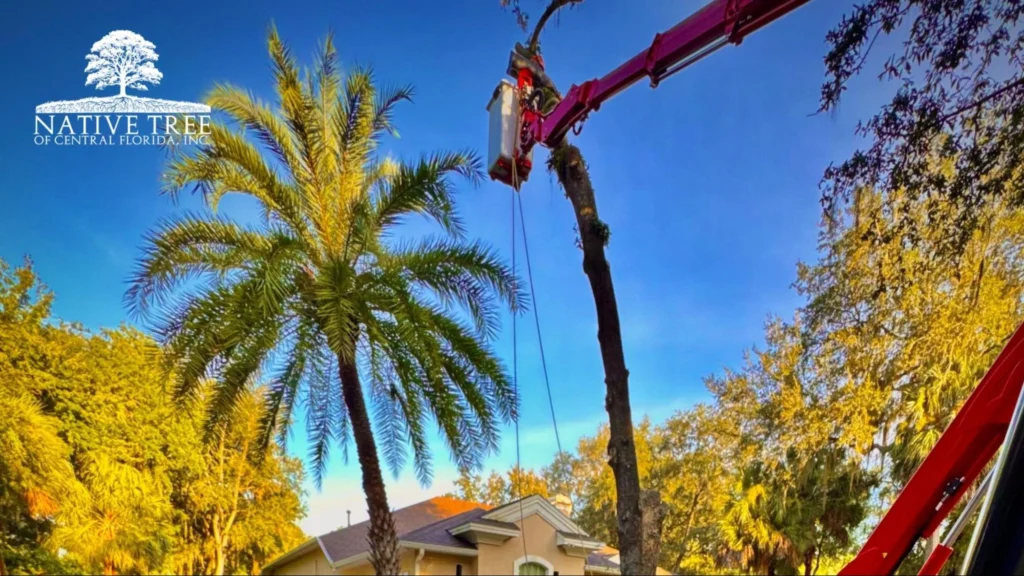
Tree work can be dangerous, especially when dealing with tall palm trees. Hiring a company without proper insurance exposes you to significant risk.
Risks of Hiring an Uninsured Company
If an accident occurs, you could be held responsible for property damage or injuries. This is a risk no homeowner should take.
What to Look for in a Palm Tree Service Provider
Always verify that the company has general liability insurance and workers’ compensation coverage. This protects both you and the workers on your property.
Why Homeowners Choose Native Tree of Central Florida
When you understand what proper palm care requires, it becomes clear why choosing the right company matters.
Native Tree of Central Florida aligns with the standards outlined in this guide. With ISA Certified Arborists on staff and fully insured operations, they provide a level of professionalism and care that protects your trees and your property.
Their approach focuses on proper pruning techniques, long-term tree health, and customer safety. This ensures your palm trees not only look beautiful but remain strong and healthy for years to come.
How to Choose the Right Palm Tree Service
Making the right decision starts with asking the right questions.
Questions You Should Always Ask
- Are you an ISA Certified Arborist?
- Are you fully insured?
- Do you specialize in palm trees?
- Can you provide examples of past work?
These questions help you identify a company that meets professional standards and avoids costly mistakes.
Ready to Give Your Palms the Care They Deserve
If your palm trees need expert attention, now is the time to act. Partner with a team that understands palms, follows industry standards, and prioritizes your safety.
Contact Native Tree of Central Florida today to schedule your professional palm tree service and keep your landscape thriving year-round.
Final Thoughts on Caring for Palm Trees
Palms are a valuable addition to any landscape, offering beauty, shade, and long-term appeal. However, their unique structure means they require specific care and attention.
Understanding different palm tree types, maintaining healthy palm tree leaves, and investing in proper care practices all contribute to their longevity.
For homeowners who want to explore more about selecting the right types of palm tree, it’s important to also consider expert guidance before making any final landscaping decisions. Most importantly, choosing a qualified and insured palm tree service ensures your trees are cared for the right way. When you work with a trusted provider like Native Tree of Central Florida, you’re making a smart decision that protects both your landscape and your peace of mind.
Learn How to Care for Your Palm Trees Properly
Understanding palm tree traits is key to maintaining their health and beauty. Schedule a professional consultation to ensure your palms receive the right care year-round.
Frequently Asked Questions
What are the most common types of palm tree for residential landscapes?
Some of the most popular palm tree types include Sabal Palm, Queen Palm, Areca Palm, and Pygmy Date Palm. Each palm tree variety offers different benefits, from low maintenance to privacy screening, depending on your landscape needs.
How often should palm trees be maintained by a palm tree service?
Most palm trees should be inspected and maintained once or twice a year. A professional palm tree service can evaluate your palm plant and recommend the right schedule based on its condition and specific palm tree types.
Why are palm tree leaves important for overall health?
Palm tree leaves are essential for photosynthesis and nutrient storage. Removing too many green fronds can weaken the palm tree, so proper pruning is critical to maintaining healthy palm trees.
Do I really need an ISA Certified Arborist for palm tree care?
Yes. An ISA Certified Arborist has specialized knowledge in handling palms and different palm tree types. They ensure proper pruning, accurate diagnosis, and long-term care for your palm trees.
What should I look for in a reliable palm tree service?
Look for a fully insured company with experience in palm tree service and knowledge of various types of palm tree. Hiring professionals ensures safe work, proper maintenance, and protection for your property.