
Key Takeaways
- A healthy Palm tree adds beauty, shade, and property value to homes throughout Ocala and Central Florida, making proper care and maintenance essential for long-term landscape health.
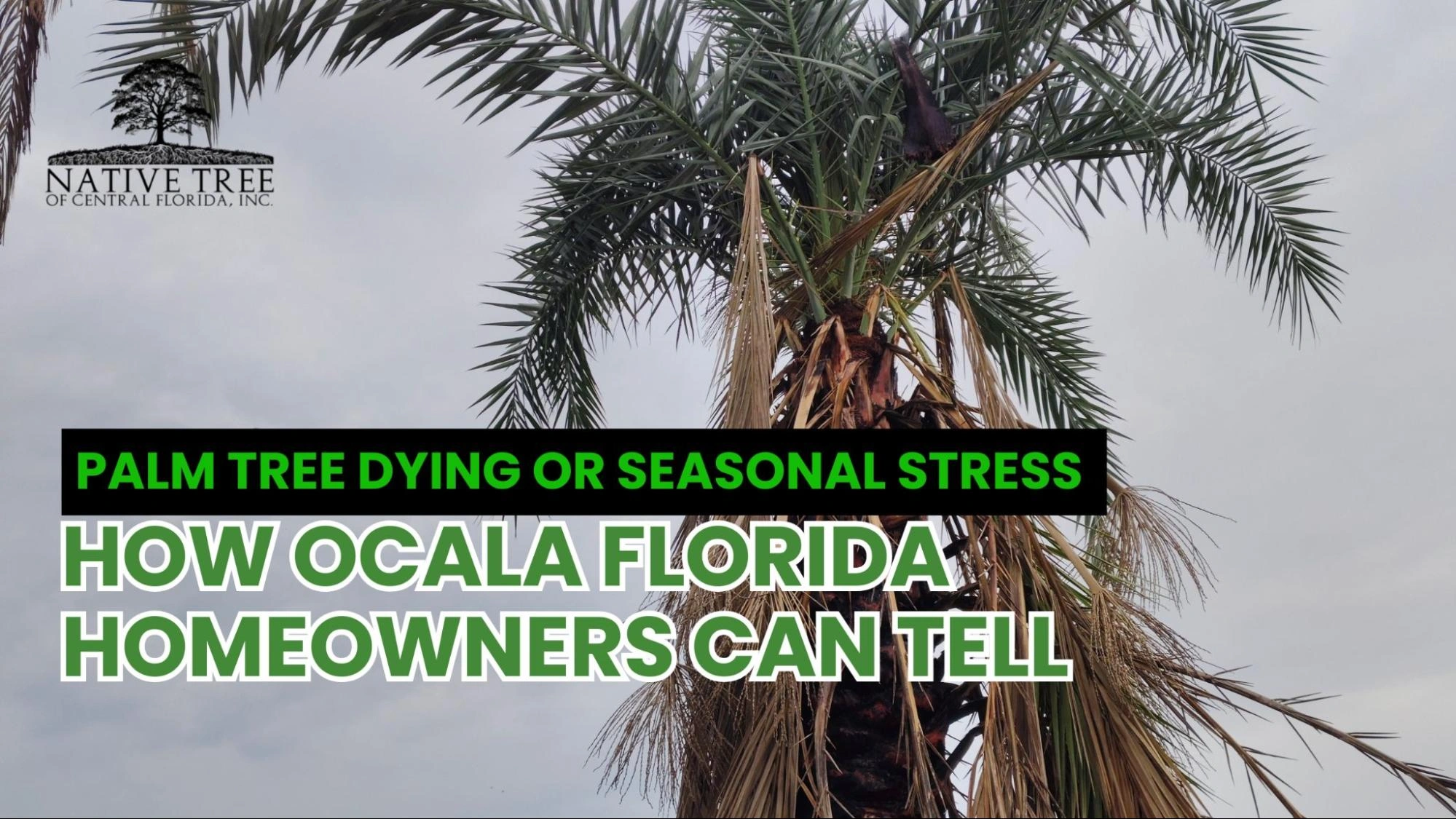
- Not all yellow or brown fronds mean a palm tree is dying. Palm trees often experience seasonal stress due to environmental changes such as heat, drought, or cold fronts.
- Recognizing early palm tree dying signs, such as rapid browning of multiple fronds, lack of new spear growth, crown thinning, or trunk fungus, can help homeowners take action before the tree declines further.
- Knowing how to tell if a palm tree is dying or how to tell if a palm tree is dead involves checking the spear leaf, inspecting the crown, and examining the trunk for damage or decay.
- Several types of palm tree thrive in Central Florida landscapes, including Sabal Palm, Queen Palm, Pindo Palm, Foxtail Palm, and Canary Island Date Palm.
Palm trees are one of the most recognizable features of Florida landscapes. A healthy Palm tree can instantly add tropical beauty, shade, and property value to homes throughout Ocala and Central Florida. However, many homeowners eventually notice yellowing fronds, drooping leaves, or browning tips and begin to worry.
Is the palm tree dying, or is it simply reacting to seasonal stress? Understanding the difference is essential. Palm trees can experience temporary stress due to weather changes, soil conditions, or transplanting. But in other cases, these symptoms may be early palm tree dying signs that require professional attention.
In this guide, Ocala homeowners will learn how to tell if a palm tree is dying, how to recognize seasonal stress, and when it may be time to call a professional tree service like Native Tree of Central Florida.
Unsure if your palm tree is dying or just stressed?
Fungal issues, nutrient deficiencies, and root rot can look identical to simple seasonal stress. Don’t wait until it’s too late to save your tree.
📞 Call Native Tree CF Today or Schedule a Palm Health Diagnosis in Ocala
Table of Contents
Understanding Palm Trees in Florida Landscapes
Palm trees grow very differently from traditional hardwood trees. Instead of producing multiple growth points, a palm tree grows from a single central bud located in the crown. If that central bud becomes damaged or infected, the entire tree can decline.
Because of this unique structure, palm trees require specialized care. Improper trimming, poor planting techniques, or nutrient deficiencies can quickly lead to serious health problems.
Common Types of Palm Tree Found in Central Florida
Several types of palm tree thrive in the Ocala region and across Central Florida landscapes. Each variety responds slightly differently to weather, soil conditions, and maintenance.
Some popular palm varieties include:
- Sabal Palm (Florida’s state tree)
- Queen Palm
- Pindo Palm
- Foxtail Palm
- Canary Island Date Palm
Understanding the specific species on your property helps determine proper watering, fertilization, and pruning schedules.
Seasonal Stress vs. a Palm Tree That Is Dying
Many homeowners assume their palm tree is dying when they notice yellow or brown leaves. In reality, palms often go through temporary stress periods caused by environmental conditions.
Seasonal stress is common during periods of extreme heat, drought, or sudden cold snaps.
Signs of Normal Seasonal Stress
Temporary seasonal stress usually affects only older leaves and does not impact the palm’s central growth point.
Typical symptoms include:
- Yellowing on older fronds
- Slight browning on leaf tips
- Slow growth during cooler months
- Minor drooping during hot weather
- Temporary discoloration after storms
If new growth continues appearing at the center of the palm, the tree is likely still healthy.
Why Seasonal Stress Happens
Florida weather can fluctuate dramatically throughout the year. These changes can cause temporary stress in palm trees, especially when conditions change quickly.
Common causes include:
- Intense summer heat
- Winter cold fronts
- Drought or irregular watering
- Nutrient deficiencies in sandy soil
- Transplant shock after planting palm trees
Most palms recover naturally once conditions stabilize.
Key Signs Your Palm Tree Is Dying (And How to Tell the Difference)
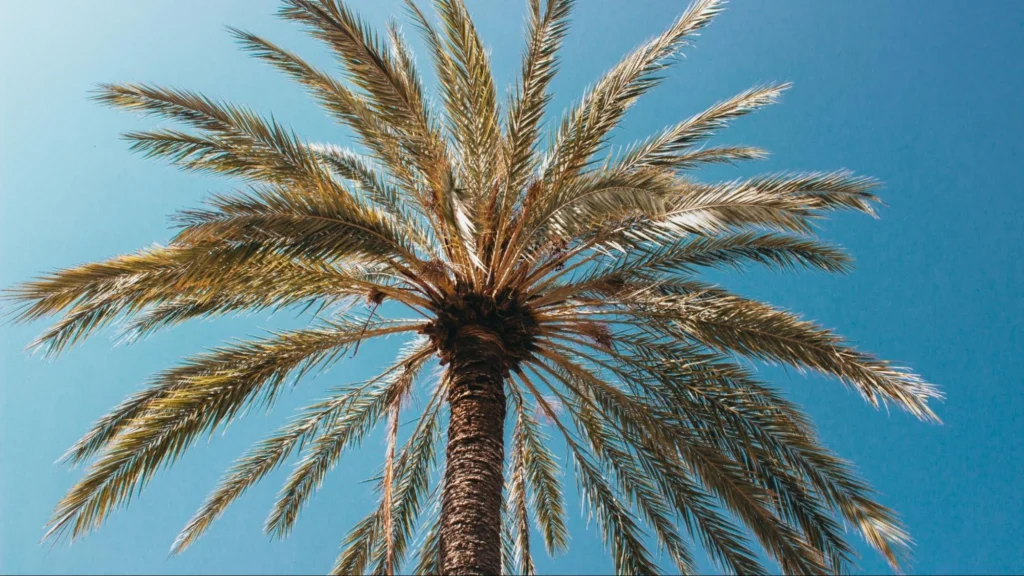
It is common for homeowners to panic at the first sign of a yellowing frond, but not every browning leaf means your tree is beyond saving. Knowing how to tell if a palm tree is dying versus simply experiencing normal seasonal stress, transplant shock, or a temporary nutrient deficit can save you hundreds of dollars in unnecessary removal costs.
Look for these palm tree dying signs to determine if your tree is in critical condition or just going through a temporary rough patch:
1. The Spear Leaf Test (The Ultimate Health Indicator)
The most critical part of a palm tree is the “spear leaf” the newest, innermost growing frond emerging from the center of the crown.
- Seasonal Stress: The spear leaf remains green, firm, and securely attached, even if older outer fronds turn yellow or brown.
- Dying Palm: If the central spear leaf turns brown, wilts, or easily pulls completely out of the crown when tugged gently (spear rot), the tree’s growing point is likely dead or decaying.
2. Discoloration Patterns: Outer Fronds vs. The Crown
- Normal Shedding: Older, bottom fronds naturally turn yellow, then brown, and dry out as the palm ages. This is a normal lifecycle process.
- Severe Decline: Rapid yellowing or browning that moves into the young, center fronds—or widespread black spots and fungal banding across all layers indicates a serious disease or severe root failure.
3. Trunk Softness and Fungal Growth
- Healthy Trunk: The trunk should be solid, rigid, and free of soft cavities.
- Dying Trunk: Soft, spongy spots on the trunk, oozing sap, or bracket fungi (mushrooms growing directly out of the bark) indicate internal trunk rot (such as Ganoderma). Once trunk decay sets in, structural failure is inevitable, and saving the tree is usually impossible.
4. Stunted Growth and Severe Frond Droop
If your palm stops producing new growth entirely during peak growing season, or if the canopy collapses downward in a “skirt” formation overnight, the root system has suffered damage from overwatering, severe drought, or soil pathogens.
How to Save a Dying Palm Tree: Actionable Troubleshooting Steps
If your palm is showing signs of distress, immediate action can mean the difference between recovery and removal. Follow these targeted troubleshooting steps to address the four most common culprits behind a declining palm.
1. Fix Watering Issues (Underwatering vs. Overwatering)
Water issues are the #1 reason homeowners ask how to revive a palm plant.
Overwatering (Root Rot):
- Symptoms: Fronds turn yellow or brown, soil smells musty, and the base feels soft.
- Action: Stop watering immediately. Ensure soil drainage is clear and clear away any excess mulch piled directly against the trunk. Allow the top 2–3 inches of soil to dry out completely before watering again. Apply a systemic root fungicide if fungal rot has set in.
Underwatering (Dehydration):
- Symptoms: Leaf tips turn brown and brittle, fronds curl inward, and soil pulls away from the trunk.
- Action: Perform a slow, deep soak around the entire root zone (dripline) rather than near the trunk. Apply a 2 to 3-inch layer of organic mulch around the base—leaving a few inches of space around the trunk itself—to retain moisture.
2. Correct Nutrient Deficiencies:
Palms are heavy feeders and suffer quickly when critical minerals are missing from the soil.
- Symptoms: Fronds show yellow spotting (potassium deficiency), orange discoloration (magnesium deficiency), or new growth emerges tiny and distorted (frizzled top / boron deficiency).
- Action: Do not use quick-release lawn fertilizers, which burn delicate palm roots. Apply a slow-release, specialized palm fertilizer with an 8-2-12-4Mg ratio (containing micronutrients like manganese, boron, and iron) twice a year during the active spring and summer growing seasons.
3. Treat Cold Damage and Frost Stress
Central Florida freezes can severely damage tropical palm tissue.
- Symptoms: Fronds turn black, brown, or paper-dry a few days after a cold snap.
- Action: Do not trim affected fronds right away. Damaged fronds act as a protective layer for the delicate central crown during ongoing cold spells. Wait until late spring when new growth appears before pruning dead foliage. Treat the central spear with a copper fungicide to prevent opportunistic bacterial rot while the tree recovers.
4. Know When to Call a Certified Arborist
If you have corrected your watering schedule, fertilized appropriately, and still see no signs of new growth after 4 to 6 weeks, the damage may be structural or fungal (such as Ganoderma or Fusarium wilt). An experienced tree care professional can run soil tests, check internal trunk integrity, and determine if the palm can be saved or requires safe removal.
Why Do Palm Trees Die?
There are several reasons why palm trees die in Florida landscapes. Many of these problems are preventable with proper care and maintenance.
| Common Problem | Why It Happens |
|---|---|
| Improper Watering | Too much or too little water can cause serious stress to a palm tree. Overwatering can lead to root rot, while underwatering causes dehydration and leaf browning. |
| Nutrient Deficiencies | Florida’s sandy soil often lacks potassium, magnesium, and other essential nutrients needed by palm trees. This can lead to yellowing fronds, weak growth, and increased susceptibility to disease. |
| Diseases | Palm trees can be affected by several diseases, including lethal yellowing, Fusarium wilt, and Ganoderma butt rot. These conditions can spread quickly and may require removal to protect surrounding trees. |
| Improper Trimming | Incorrect trimming of palm trees is one of the most common causes of palm decline. Removing too many fronds weakens the tree and reduces its ability to produce energy. |
| Poor Planting Practices | Incorrect planting depth or improper soil preparation during spring tree planting can prevent roots from establishing properly. Professional guidance when planting palm trees can significantly improve long-term success. |
Prevent Permanent Damage with Proper Palm Maintenance
Over-trimming green fronds or applying the wrong fertilizer can accidentally kill a struggling palm. Let our local experts safely restore your palm’s vitality.The Importance of Hiring an ISA Certified Arborist
Palm tree care requires specialized knowledge and proper techniques. An ISA Certified Arborist is trained in tree biology, pruning standards, disease diagnosis, and safe tree care practices. Working with an ISA Certified Arborist helps ensure that your palm trees receive the correct treatment.Professional arborists can:
- Diagnose palm tree dying signs – by checking for yellowing fronds, brown tips, slow growth, and trunk damage.
- Identify nutrient deficiencies – by observing discoloration patterns such as yellow, spotted, or frizzled palm leaves.
- Safely perform trimming palm trees – by removing only dead or severely damaged fronds using clean, sharp tools.
- Recommend treatment options – such as proper fertilization, improved watering, pest control, and soil management.
- Determine whether a palm can be saved – by assessing the health of the crown, trunk stability, and new frond growth.
Why Hiring an Insured Tree Service Matters
Tree work can be dangerous. Climbing tall palms, using chainsaws, and operating heavy equipment all involve significant risk. Homeowners should always verify that a tree service company carries proper insurance coverage. A reputable company should provide:- Liability insurance
- Workers’ compensation coverage
- Proper licensing and certifications
Why Ocala Homeowners Trust Native Tree of Central Florida
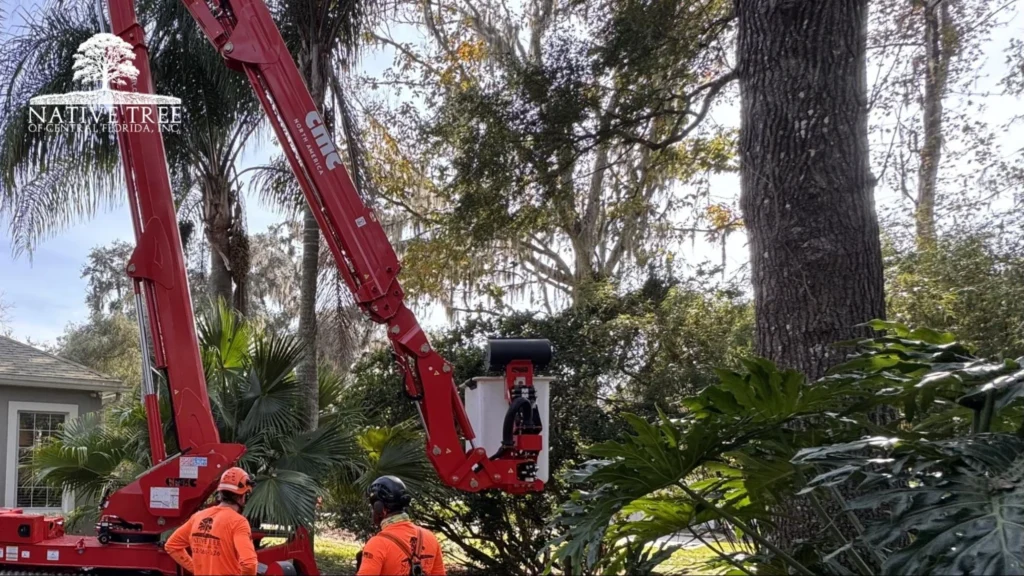
At Native Tree of Central Florida, we believe that educated homeowners make the best decisions for their landscapes. Our team follows the same professional standards discussed throughout this guide.
We provide expert palm tree care for homeowners across Ocala and surrounding communities.
Our services include:
- Professional Trimming Palm Trees
- Diagnosis of palm tree dying signs
- Safe palm tree removal
- Expert recommendations for spring tree planting
- Professional guidance when planting palm trees
Our team works under the guidance of an ISA Certified Arborist, and we maintain full insurance coverage to protect your property and our crew.
When you choose Native Tree of Central Florida, you are working with a company that prioritizes safety, education, and long-term tree health.
Schedule a Professional Palm Tree Evaluation
If you are concerned that your palm tree is dying, the best step is to have the tree inspected by a professional.
Early diagnosis can make the difference between saving a palm and losing it entirely.
The team at Native Tree of Central Florida is ready to help homeowners throughout Ocala protect their landscapes with expert care and professional service.
Contact Native Tree of Central Florida today to schedule a palm tree inspection and keep your Florida landscape healthy, safe, and beautiful.
Conclusion
Palm trees are a defining feature of many landscapes in Ocala and throughout Central Florida. While yellowing or browning fronds can sometimes be caused by seasonal stress, they may also be early palm tree dying signs that should not be ignored. Learning how to tell if a palm tree is dying or how to tell if a palm tree is dead allows homeowners to respond quickly and protect the health of their trees. Understanding the different types of palm tree and their specific care requirements can also help ensure each tree thrives in your landscape.
Because proper care, including correct watering, nutrient management, and safe Trimming Palm Trees, plays a major role in the longevity of palm trees, professional guidance can make a significant difference. Working with an ISA Certified Arborist and a fully insured company like Native Tree of Central Florida helps ensure your palm tree receives expert care, allowing your landscape to remain healthy, safe, and beautiful for years to come.
Find Out What’s Really Happening to Your Palm Tree
If your palm tree is showing signs of stress, discoloration, or decline, a professional evaluation can help identify the cause. Schedule an expert inspection to protect your Ocala landscape and restore tree health.
Call us today at (352) 561-3626 or reach us via e-mail at sales@nativetreecf.com to schedule your professional tree service.
Frequently Asked Questions
How can I tell if my palm tree is dying?
Common palm tree dying signs include rapid browning of multiple fronds, lack of new spear growth, crown thinning, and visible fungus on the trunk. If these symptoms appear together, the palm tree is dying and may require professional evaluation.
How do I know if my palm tree is dead?
One way to determine how to tell if a palm tree is dead is by checking the spear leaf. If the spear pulls out easily and appears brown or rotten, the palm’s growing point may be dead. If the entire crown is brown with no green growth, the tree may no longer be alive.
Why do palm trees die in Florida landscapes?
There are several reasons why palm trees die, including improper watering, nutrient deficiencies in sandy soil, diseases such as lethal yellowing, incorrect Trimming Palm Trees, and poor planting techniques during spring tree planting.
What are the best types of palm trees for Central Florida?
Some of the most common types of palm tree found in Ocala and Central Florida include Sabal Palm, Queen Palm, Pindo Palm, Foxtail Palm, and Canary Island Date Palm. These palm tree types are well suited to Florida’s climate and soil conditions.
When should palm trees be trimmed?
Trimming Palm Trees should generally be done only when fronds are fully dead or severely damaged. Over-trimming can weaken the palm tree and reduce its ability to produce energy through photosynthesis.