

Key Takeaways
- Aging trees require specialized care: As trees mature, their growth slows, and they become more vulnerable to stress, pests, and disease.
- Deep watering strengthens roots: Mature and aging trees benefit from water reaching the deep root zone to improve drought tolerance and overall health.
- Pruning and mulching are critical: Proper pruning removes weak branches and maintains structure, while mulching protects roots and retains moisture.
- Soil and root management ensures longevity: Prevent compaction, fertilize as needed, and reduce competition from surrounding plants to support tree health.
- Monitor for stress and disease: Regular inspections help detect early signs of decline, allowing intervention before issues worsen.
- Seasonal care enhances survival: Tailoring care routines for spring, summer, fall, and winter ensures mature trees thrive year-round.
Aging trees are more than just large plants, they’re living landmarks that shade your yard, clean the air, and bring value and character to your property. However, as an aging tree or mature tree grows older, it requires specialized care. Without proper attention, these majestic trees may weaken, become susceptible to disease, or even pose safety hazards.
Using proven tree care tips ensures your trees remain healthy, safe, and vibrant for years to come. This guide covers essential strategies for maintaining mature trees and caring for aging trees in any landscape.
Table of Contents
What Is Tree Care?
Tree care refers to the ongoing maintenance practices that support the health, safety, and longevity of trees throughout their lifespan. It includes essential tasks such as watering, pruning, mulching, soil management, pest control, and structural assessments. Proper tree care ensures that both young and aging trees receive the nutrients, moisture, and protection they need to grow strong and resilient. It also helps prevent hazards, reduce disease risks, and maintain the natural beauty and stability of your landscape.
Benefits of Proper Care for Aging Trees
Caring for mature trees goes far beyond keeping your landscape looking beautiful. Thoughtful maintenance directly impacts the longevity, health, and safety of your aging trees. Here’s how proper care benefits them:
Enhanced Tree Health and Longevity
Regular care, including deep watering, strategic pruning, and soil management, helps aging trees maintain strong roots and a robust canopy. Healthy trees are more resilient to environmental stressors such as drought, storms, or disease, allowing them to thrive for decades.
Safety and Structural Stability
A well-maintained tree is safer for your property and family. Pruning dead or weak branches and monitoring for signs of disease or decay reduces the risk of falling limbs. This proactive approach protects structures, vehicles, and people from potential hazards.
Improved Aesthetic Appeal
Proper care keeps mature trees visually striking. Well-shaped canopies, vibrant foliage, and strong branches enhance your yard or garden, creating a more inviting and visually pleasing environment.
Environmental Benefits
Healthy aging trees contribute to cleaner air, better soil retention, and reduced urban heat through shading and cooling effects. They also provide essential habitat for birds, insects, and other wildlife, supporting local biodiversity.
Increased Property Value
Mature, well-cared-for trees add significant value to your property. Landscapes with thriving trees are more attractive to buyers and can elevate the overall market value of your home.
Resilience Against Environmental Challenges
With proper care, aging trees can withstand seasonal changes, pest invasions, and extreme weather. A combination of regular watering, mulching, pruning, and soil management strengthens the tree’s natural defenses and ensures long-term vitality.
Why Aging Trees Need Specialized Care
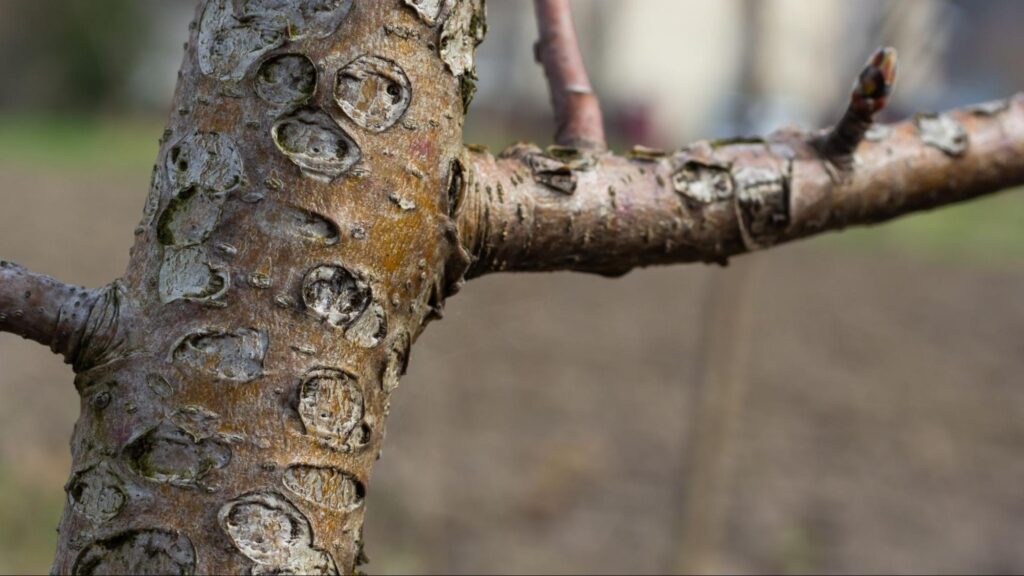
As trees transition from young saplings to mature trees, their growth naturally slows, and their resilience decreases. Unlike younger trees, aging trees are less able to recover quickly from environmental stressors such as drought, soil compaction, extreme temperatures, or improper pruning techniques.
Increased Vulnerability to Pests and Disease
Older trees are more susceptible to insect infestations and fungal or bacterial diseases. Their slower metabolic and healing processes make it harder to fight off infections or repair damaged tissues. Regular monitoring and proactive care are key to preventing small problems from escalating into major health issues.
Reduced Recovery Capacity
An aging tree has less energy to produce new growth or heal after injury. Even minor damage, like broken branches or root disturbances, can lead to long-term structural weaknesses if left untreated.
Importance of Proactive Care
Understanding the unique needs of mature trees allows you to implement preventative measures such as deep watering, careful pruning, mulching, and soil management. Proper tree care at this stage is essential not just for the tree’s health, but also for the safety of your landscape and the protection of your property investment.
Seasonal Tree Care Routine for Mature Trees
Spring
Spring is a critical time for rejuvenating aging trees after winter dormancy. Inspect your trees for any damage caused by snow, ice, or freezing temperatures. Remove broken or dead branches to prevent disease and improve structural integrity. Refresh mulch around the root zone to conserve moisture and regulate soil temperature, and check soil moisture levels to ensure your mature tree starts the growing season strong.
Summer
During the hot months, water your trees deeply but infrequently to encourage deep root growth and drought resilience. Monitor the canopy for signs of stress, such as wilting or leaf discoloration. Manage competing vegetation like grass or invasive plants around the root zone to ensure your aging trees receive adequate nutrients and water.
Fall
As temperatures begin to cool, assess soil nutrient levels and fertilize if necessary to replenish what was used during the growing season. Inspect your mature trees for pest or disease activity and treat promptly to prevent long-term issues. Fall is also ideal for light pruning to remove dead or damaged branches before winter sets in, preparing your trees to enter dormancy in optimal health.
Winter
Winter is the time for more substantial pruning while the tree is dormant, as this reduces stress and the risk of disease. Remove fallen leaves, branches, and other debris from around the base to prevent fungal growth and pests. If you live in an area prone to heavy snow or freezing temperatures, consider protective measures, such as burlap wraps or snow guards, to prevent limb breakage or trunk damage in mature trees.
Key Tree Care Tips for Aging Trees
Water Deeply and Strategically
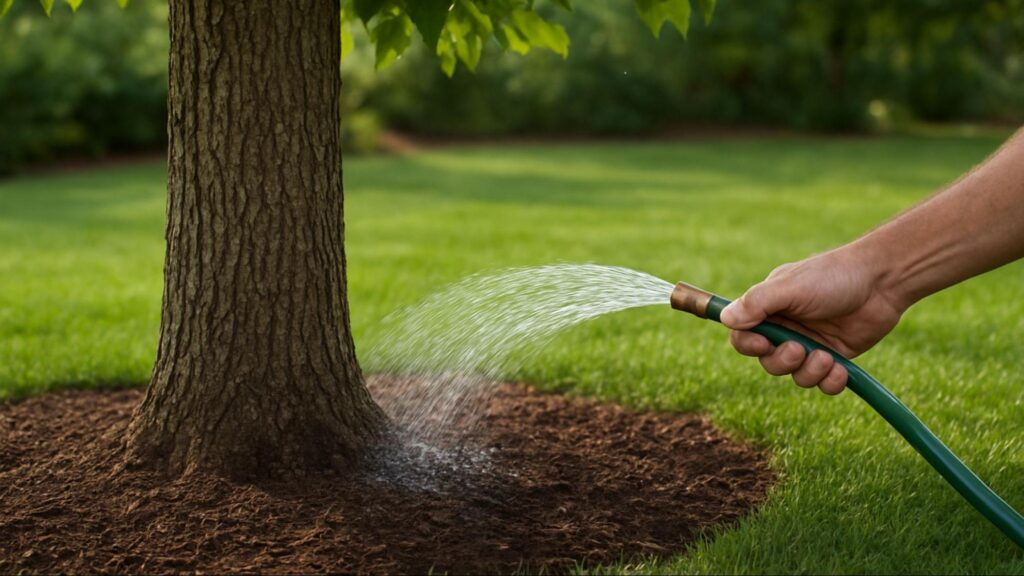
Proper hydration is crucial for mature trees. Unlike young trees that benefit from frequent shallow watering, aging trees thrive when water reaches deep into the root zone. Deliver water slowly to encourage deep root growth, which increases drought tolerance and overall tree strength.
- Focus on watering beneath the outer edge of the tree’s canopy rather than near the trunk.
- Use deep soaking methods or slow-drip irrigation systems to penetrate 12 inches or more into the soil.
- Avoid overwatering; soggy soil can suffocate roots and promote disease.
Prune Wisely and Safely
Pruning is essential for maintaining the structure and safety of aging trees, but improper cuts can weaken them. Avoid topping, which creates weak branches prone to breakage.
- Focus on removing dead, damaged, or diseased branches.
- Maintain the natural shape of the tree to avoid stress on the structure.
- Schedule major pruning during dormant seasons for safer, more effective results.
Mulch Properly Around the Root Zone
Mulching supports mature trees by conserving moisture, moderating soil temperature, and protecting roots.
- Spread 2–4 inches of organic mulch, such as wood chips or bark, around the tree’s base.
- Keep mulch a few inches away from the trunk to avoid moisture buildup and bark rot.
- Extend the mulch to the tree’s drip line whenever possible.
Maintain Soil Health and Root Strength
Healthy roots are the foundation of any thriving mature tree. Soil compaction, nutrient depletion, and root damage can severely impact the longevity of aging trees.
- Avoid heavy foot traffic and construction near the root zone.
- Use deep-root fertilization or soil injections to replenish essential nutrients.
- Keep surface roots uncovered and prevent mulch or soil from piling over them.
Monitor for Signs of Stress and Disease
One of the most important tree care tips for aging trees is early detection of problems. Mature trees may show stress subtly, so regular inspections are crucial.
- Watch for yellowing or unusually small leaves, early leaf drop, or branch dieback.
- Look for cracks, cavities, or fungal growth near the trunk and root zone.
- Notice any leaning, heaving soil, or exposed roots that may indicate structural issues.
Structural Safety Risks in Aging Trees (When to Be Concerned)
As trees age, their structural strength can gradually decline even if the canopy still appears healthy. This makes regular tree risk assessment an important part of long-term tree care, especially for trees located near homes, driveways, or utility lines.
One of the key warning signs is the presence of weak branch attachments. Branches that form a narrow “V” shape are more likely to split under stress compared to wider “U-shaped” connections, which are structurally stronger. Over time, these weak points can become hazardous during strong winds or storms.
Another concern is internal decay, which is not always visible from the outside. Look for signs such as hollow sections in the trunk, peeling bark, fungal growth (such as mushrooms or conks) at the base, or unexplained cavities. These can indicate that the internal wood structure is weakening.
Aging trees may also begin to lean unexpectedly, especially if root systems have been compromised. Sudden changes in soil level, construction activity nearby, or prolonged water stress can destabilize roots and increase the risk of uprooting.
If you notice multiple warning signs, such as large dead limbs, visible trunk damage, or significant leaning, it is best to consult a certified arborist. Early assessment can help prevent property damage and ensure the tree is either safely maintained or properly removed if necessary.
Signs Your Aging Tree Needs Professional Help
Aging trees can develop subtle issues that aren’t always obvious to homeowners. If you notice significant branch dieback, deep trunk cracks, or fungal growth around the base, it may indicate internal decay or structural weakness. Leaning, soil heaving, or exposed roots can also signal instability that requires immediate attention. Persistent pest infestations or sudden changes in leaf color and size may point to underlying health problems. When these warning signs appear, calling a certified arborist is the safest way to diagnose the issue and prevent further damage.
Soil Compaction & Root Zone Protection (The Hidden Killer of Mature Trees)
One of the most overlooked threats to aging trees is soil compaction, especially in residential and urban environments. Even when a tree receives proper watering and nutrients, compacted soil can severely restrict root function and oxygen flow.
- Causes of Soil Compaction – Soil compaction commonly occurs due to repeated foot traffic, vehicle parking, construction work, or even frequent landscaping activity near the base of the tree. Over time, this pressure reduces pore space in the soil, making it difficult for roots to absorb water and nutrients efficiently.
- Common Symptoms to Watch For – The effects are often gradual and easy to miss. Symptoms may include thinning foliage, slow branch dieback, reduced leaf size, and an overall decline in vigor, even when no pests or diseases are visible.
- Protecting the Root Zone – To protect aging trees, it is important to establish a protected root zone, ideally extending to the tree’s drip line. This area should be kept free from heavy equipment, soil piling, and unnecessary foot traffic.
- Practical Solutions and Treatments – Practical solutions include applying a wide layer of organic mulch to improve soil structure and moisture retention, as well as avoiding soil disturbance within the root zone. In more severe cases, professional techniques such as air spading or soil aeration can help relieve compaction without damaging roots.
- Importance of Prevention – If you are planning landscaping or construction near mature trees, preventive protection of the root zone is essential. Once roots are damaged or compacted, recovery is slow and sometimes irreversible.
Final Thoughts
Your mature trees deserve special attention. By following these comprehensive tree care tips, deep watering, careful pruning, proper mulching, soil and root support, and vigilant monitoring, you ensure that your aging trees continue to thrive. Treat them like the valuable members of your landscape they are, and they will reward you with strength, beauty, and vitality for years to come.
Support Your Trees as They Age
Mature trees need specialized care to stay safe and healthy. Our experts can assess, protect, and extend the life of your aging trees.
Frequently Asked Questions