

Key Takeaways
- Hawthorn Trees are admired for their spring blossoms, colorful foliage, and wildlife-friendly berries.
- If you’re wondering what a hawthorn tree is, it’s a deciduous shrub or small tree from the genus Crataegus, often with thorns, flowers, and red fruit.
- Popular hawthorn tree varieties include Washington, Green, English, and Cockspur, along with thornless cultivars.
- Common diseases include fire blight, rust, leaf spot, and gall insects—early detection and proper pruning help minimize damage.
- Good tree care includes planting in well-drained soil, pruning to improve airflow, and monitoring for pests and diseases.
- For severe disease, structural damage, or hazardous branches, hiring a professional tree removal service or tree trimmer service is the safest option.
Hawthorn Trees are beloved for their spring blossoms, attractive foliage, and wildlife-friendly fruit. If you’re asking “what is a hawthorn tree?” or thinking of adding one to your yard, this guide will walk you through varieties, typical diseases, and practical tree care advice. You’ll also learn when to bring in a professional tree removal service or tree trimmer service to keep your hawthorn in top shape.
You’ll also learn when to bring in a professional tree removal service or tree trimmer service to keep your hawthorn in top shape. Proper maintenance not only enhances the tree’s health and appearance but also helps prevent issues like disease, storm damage, and hazardous branches.
Table of Contents
What Is a Hawthorn Tree?
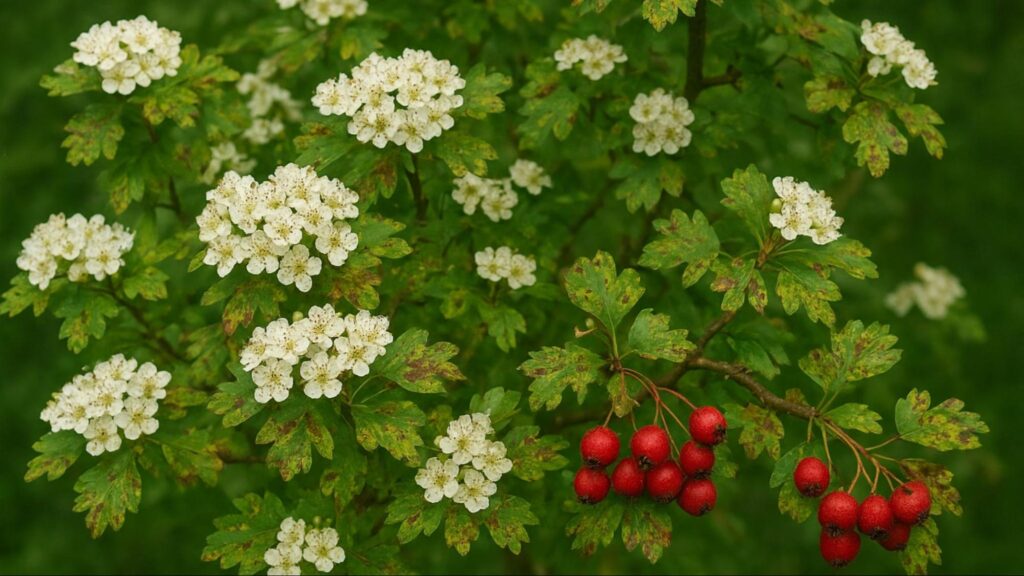
A hawthorn tree (genus Crataegus) is a group of small to medium-sized deciduous trees or shrubs, native to temperate zones in Europe, Asia, and North America. Many species have thorny branches, showy flowers in spring, and red berries (haws) in fall. They frequently serve as ornamental trees in landscapes, hedgerows, or wildlife gardens.
Characteristics of hawthorn trees include:
- Thorns or spines on branches (often 1–3 inches)
- Clustered blossoms, often white or pink
- Fruit (haws) that provide food for birds in fall/winter
- Moderate size (many grow 15–30 ft tall, depending on cultivar)
- Tolerance for varied soils and climates (though soil drainage and sunlight matter)
Soil Note: According to Garden Design, hawthorns prefer well-drained, slightly acidic soil. Poorly drained soils increase the risk of root rot and stress, so proper planting location is essential.
How to Protect Hawthorn Trees from Disease
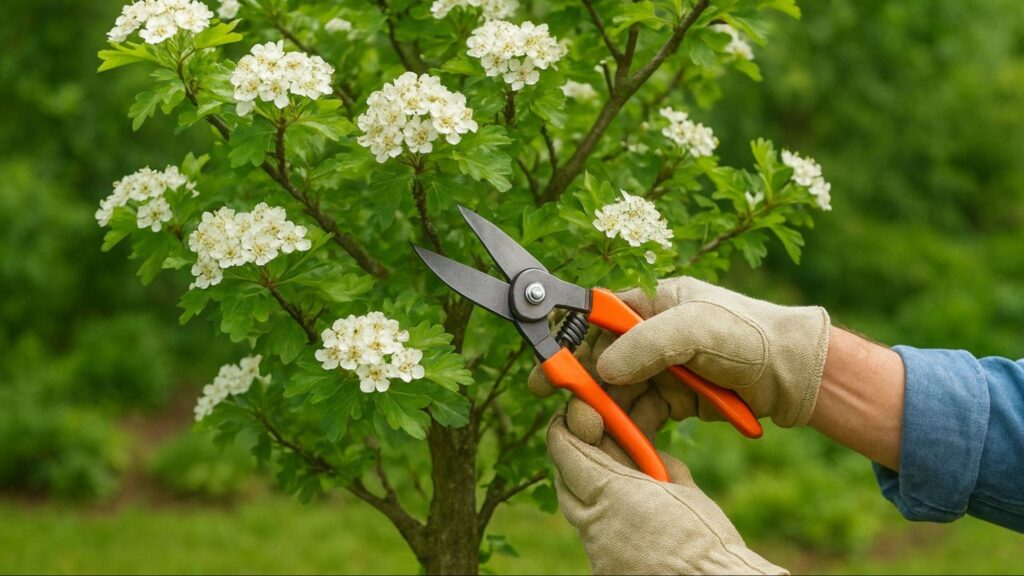
- Regular pruning for airflow – Pruning overcrowded branches allows more sunlight and airflow into the canopy, reducing the damp conditions where fungi thrive. It also prevents weak or crossing branches from rubbing against each other, which can create wounds that invite infections. Seasonal pruning keeps your hawthorn both healthy and well-shaped.
- Remove infected material – Diseased leaves, fruit, or branches often carry fungal spores and bacteria that can reinfect your tree if left behind. Clearing this debris breaks the disease cycle, especially in fall when fungi overwinter in dead material. Always dispose of infected parts properly rather than composting them.
- Water and Fertilize Properly – Watering: Young hawthorn trees need consistent, moderate watering during the first 1–3 years to establish strong roots. Once mature, many varieties become more drought tolerant, though deep watering during dry spells still helps maintain vigor. Fertilization: Apply a slow-release, balanced fertilizer in early spring to encourage healthy growth. Avoid heavy nitrogen fertilization, as this promotes weak shoots prone to disease.
- Monitor for early signs – Regularly checking your tree makes it easier to spot problems like leaf spots, wilting shoots, or odd growths before they spread. Addressing small issues quickly through pruning or treatment helps prevent severe decline. Ignoring symptoms, however, can lead to significant damage or even tree loss.
- Choose resistant cultivars – Some hawthorn varieties are bred to resist common diseases such as fire blight or rust. Planting these cultivars reduces the need for frequent treatments and makes long-term care easier. They still provide attractive flowers, fruit, and foliage while minimizing maintenance challenges.
Common Hawthorn Tree Varieties
Washington Hawthorn (Crataegus phaenopyrum)
- Hardy and adaptable to many soils
- Tolerates pollution — good for urban settings
- Produces red fruit and a nice fall color display
- Has thorns 1–3 inches long
Green Hawthorn (often Crataegus viridis and related species)
- Prefers somewhat moist soils and partial shade
- Leaves may turn yellow or scarlet in fall
- Elegant spring blooms
English Hawthorn (Crataegus laevigata) / Midland Hawthorn
- Often used in hedges and street plantings
- Some varieties are less thorny or more compact
- Has good disease resistance compared to more sensitive types
Cockspur Hawthorn (Crataegus crus-galli)
- Distinctive for its aggressive branching and thorns
- Works for wild hedgerows or naturalistic plantings
- Can be pruned to maintain a tree form
Thornless or low-thorn cultivars
- Some cultivars are bred to reduce thorniness (for safety near paths, children, or pets)
- Retain many ornamental features without the sharp spines
When choosing a hawthorn plant for your yard, consider local climate, soil type, and how much maintenance effort you’re ready for (especially disease management).
Hawthorn Tree with Pests and Diseases
Fire Blight
Fire blight is a bacterial disease that causes blossoms, shoots, and branches to wilt, turn black or brown, and appear scorched. It usually occurs in spring under warm, moist conditions, spreading quickly if not managed. To control it, prune out infected parts by cutting well into healthy wood, sterilize pruning tools after each cut, and avoid applying heavy nitrogen fertilization during susceptible periods.
Rust Diseases (Cedar-Hawthorn Rust)
Rust is a fungal disease that requires two hosts, often junipers and hawthorns, to complete its life cycle. Symptoms include orange spots on leaves, deformed fruit, twig galls, and hairy lesions that weaken the tree’s appearance and health. Control methods include removing or distancing alternate host plants, applying fungicides during early infection stages, and planting rust-resistant hawthorn varieties.
Leaf Spot / Fungal Leaf Diseases
Leaf spot diseases cause brown, black, or yellow spots on hawthorn foliage, which can eventually lead to defoliation if untreated. They tend to worsen during wet seasons or when airflow around the tree is poor. Proper pruning to increase circulation, removing fallen leaf debris, and using targeted fungicide sprays help reduce the spread of these infections.
Gall Insects (Hawthorn Button-top Gall)
Gall insects, such as hawthorn button-top gall midges (Dasineura crataegi), stimulate abnormal growths, creating odd rosettes or clusters of distorted leaves at branch tips. While often cosmetic, heavy infestations can stress new growth and weaken the tree over time. Minimal treatment is usually sufficient, such as pruning affected parts early and maintaining overall tree vigor.
Other Potential Problems
Hawthorn trees can also face pest and environmental issues, including infestations of scale insects, aphids, and mites. Cankers may develop on branches or the trunk, while root problems can occur from poorly drained or compacted soils. Environmental stress such as winter injury, frost damage, or sunscald may also weaken the tree and make it more vulnerable to disease.
How to Identify a Healthy Hawthorn Tree
Leaf and branch condition
Healthy hawthorns display lush, green leaves with very little discoloration or spotting throughout the growing season. Any yellowing, curling, or dark marks often signal disease or stress. Branches should bend slightly without snapping, which shows flexibility and vitality. Dry, brittle, or cracked branches are a warning sign that the tree is in decline.
Seasonal blossoms and berries
In spring, strong hawthorns produce an abundance of white or pink blossoms, often in clustered sprays. These blooms should appear full and vibrant rather than sparse or withered. By autumn, a healthy tree will develop bright red berries, called haws, which are an important food source for birds. Consistent flowering and fruiting each year indicate good overall health.
Bark health
The bark of a healthy hawthorn tree should look uniform and tightly attached to the trunk. Deep cracks, loose bark, or peeling areas may expose the tree to pests and pathogens. Smooth but firm bark texture is a sign of resilience and strength. Any cankers or oozing spots usually point to fungal or bacterial infection.
Growth pattern
A balanced and well-shaped canopy with evenly spaced branches is a sign of proper development. Healthy hawthorns don’t appear overly crowded, which allows for light penetration and good air circulation. Poor structure, with crossing or weak branches, can weaken the tree and invite disease. Regular growth checks ensure the tree maintains its natural symmetry and strength.
Root zone condition
Healthy hawthorns rely on strong root systems that are not exposed or damaged. The soil should drain well, staying moist but never waterlogged, since standing water suffocates roots. Compacted or dry soil can limit oxygen and cause stress to the tree. If roots begin to surface or appear damaged, it often signals declining stability or poor planting conditions.
Landscaping & Tree Care Tips for Hawthorn Trees
Site Selection & Planting
When planting a hawthorn tree, choose a location with full sun to partial shade, since they bloom best with ample light. The soil should be well-drained to prevent root issues, as constant saturation can weaken the tree. Space trees 15–25 feet apart to encourage airflow and reduce the spread of disease. When planting, dig a hole twice the width of the root ball, set the root flare just above soil level, and apply a 2–3 inch mulch layer around the base while keeping it away from the trunk.
Watering & Nutrition
Ideal Soil Conditions – Hawthorn trees grow best in well-drained, slightly acidic soil that prevents water from pooling around the roots. Poor drainage can cause root rot, which leads to long-term stress and decline. Ensuring proper soil structure from the beginning helps the tree establish faster and remain healthier over time.
Watering Requirements
Young hawthorns require consistent watering during their first one to three years to help their roots establish deeply. Water thoroughly during dry spells, but avoid saturating the soil to prevent root issues. Once mature, hawthorns become more drought tolerant, though occasional deep watering during extended dry periods boosts overall vigor.
Proper Fertilization
A balanced, slow-release fertilizer applied in early spring supports strong root development and healthy foliage. This is especially helpful in nutrient-poor soils where natural nutrients may be lacking. Avoid excessive nitrogen, as it can lead to soft, weak growth that’s more vulnerable to pests and disease.
Long-Term Tree Health
Combining proper watering, good soil drainage, and well-timed fertilization helps hawthorn trees stay healthy for many years. These practices reduce stress and improve resistance to environmental challenges. With consistent care, hawthorns can flourish with stronger flowering and fruiting each season.
Pruning & Structural Care
Pruning is best done in late winter through early spring, before the tree produces heavy foliage. During this time, remove any dead, crossing, or weak branches to improve the overall structure. Thinning the canopy also helps increase light penetration and airflow, which keeps disease pressure lower. Because hawthorn trees have sharp thorns, it’s important to wear protective gloves, and if you notice major cracks or structural weaknesses, hiring a tree trimmer service or certified arborist is the safest choice.
Ongoing Monitoring & Maintenance
Regularly inspecting hawthorn trees is essential for catching signs of disease, pests, or stress, such as wilting, scorching, or discoloration. Fallen leaves and fruit should be cleared away promptly, since they can harbor fungal spores that re-infect the tree. Maintaining healthy soil through aeration and avoiding compaction helps the roots stay vigorous. In cases of severe disease or hazardous structural issues, calling a professional tree removal service may be necessary for safety and long-term property protection.
When to Bring in Professional Help
Even with proper care, there are times when a hawthorn tree requires professional assistance. Hazardous limbs or branches that threaten nearby structures or people should always be handled by experts for safety. Severe disease infestations that are difficult to control on your own may also need professional treatment. If your tree develops major structural cracks or trunk splits, it’s best to consult a certified arborist. Large-scale pruning or shaping often requires specialized equipment that professionals can safely operate. Finally, if the tree is dying, unstable, or beyond recovery, a professional tree removal service ensures the process is done safely and effectively. A professional tree removal service or certified arborist provides safe, reliable work, especially for thorny, delicate, or compromised trees. A tree trimmer service can handle regular pruning and shaping, preserving the health and aesthetics of your hawthorn.
Conclusion
Hawthorn trees make a charming and practical addition to many landscapes. offering blossoms, berries, wildlife appeal, and seasonal interest. Understanding what a hawthorn tree is, how different varieties behave, and how to manage pests and diseases will empower you to care for them successfully.
Be proactive with tree care: plant well, prune carefully, and monitor health regularly.
Keep Your Hawthorn Trees Healthy and Thriving
From expert pruning to disease prevention, our professional tree care services ensure your landscape stays beautiful year-round.
Frequently Asked Questions
What is a hawthorn tree?
How do I care for hawthorn trees?
Provide full sun to partial shade, plant in well-drained soil, prune in late winter or early spring, and monitor for pests and diseases. Regular tree care helps keep hawthorns healthy.
Are hawthorn plants prone to disease?
Yes, hawthorn plants can suffer from fire blight, rust, leaf spot, and gall insects. Preventive pruning, good airflow, and planting resistant varieties can reduce risks.
When should I call a professional tree removal service for a hawthorn tree?
If your tree has severe disease, major cracks, or hazardous branches threatening people or property, it’s time to contact a professional tree removal service.
Can a tree trimmer service help with hawthorn trees?
Yes, a certified tree trimmer service can safely prune thorny branches, shape the tree for better airflow, and manage seasonal care without damaging the plant.