
Key Takeaways
- Trees can suffer both visible and hidden damage when struck by lightning, creating hazards for people, pets, and property.
- Signs of a lightning strike include vertical bark cracks, charred wood, shattered branches, leaning roots, or sap oozing from wounds.
- Hidden damage such as internal cracks and decay can make a tree unstable long after the storm.
- Immediate safety measures include keeping a safe distance, documenting damage, and contacting a certified arborist.
- Some trees can recover with proper care, including selective pruning, bracing, watering, fertilization, and pest management.
- Removal is necessary when structural integrity is compromised, branches cannot be repaired, or the tree poses a risk to nearby structures or people.
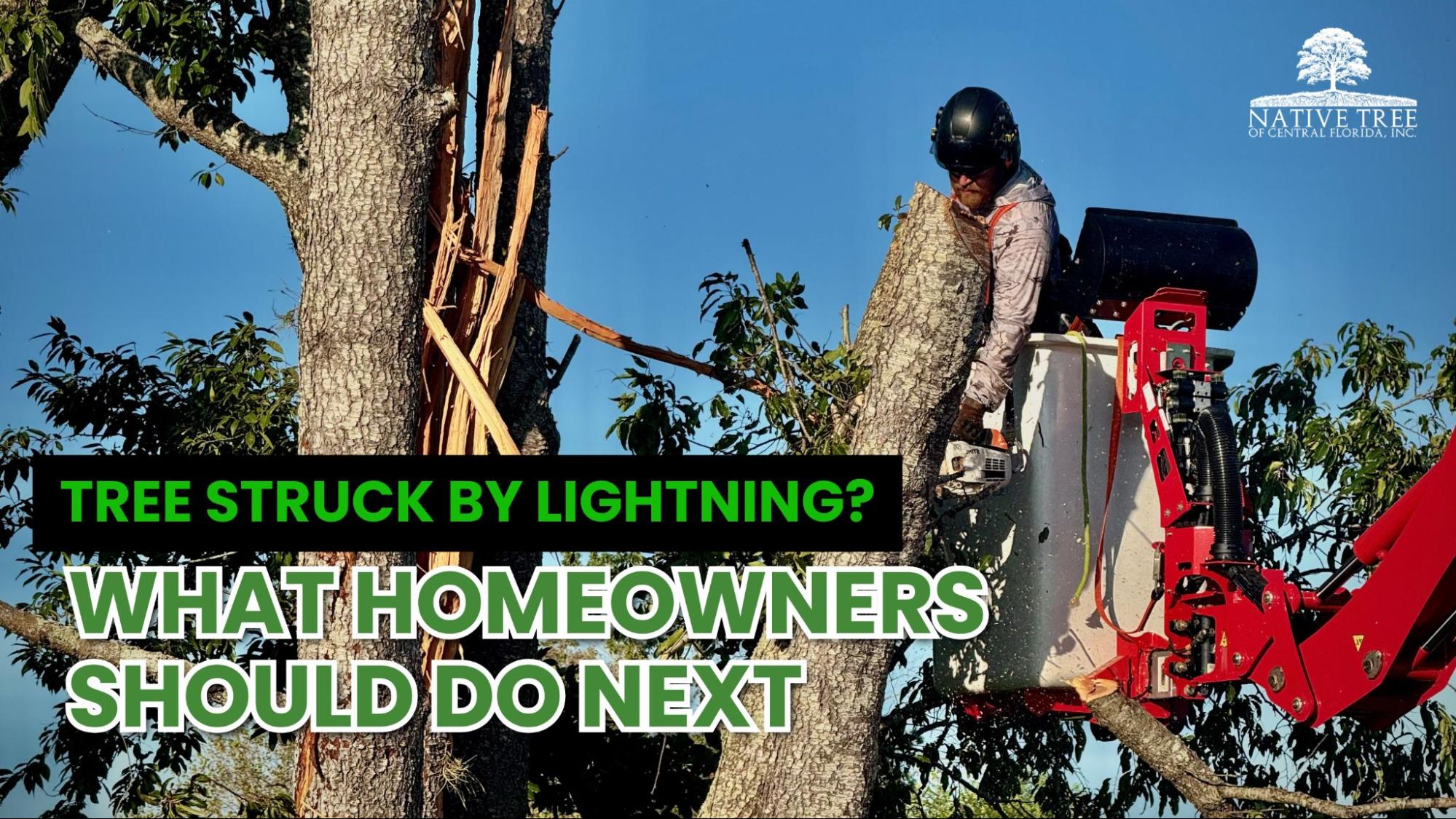
Lightning is a powerful and unpredictable force that can cause serious damage to trees. When a tree is struck by lightning, the intense electrical surge can split bark, char wood, shatter limbs, or damage roots, sometimes in ways that aren’t immediately visible.
These hidden vulnerabilities can turn a seemingly healthy tree into a hazard for people, pets, nearby structures, and electrical systems. For homeowners, recognizing the signs of a tree struck by lightning, taking proper safety precautions, and knowing whether to rehabilitate or remove it are essential to protecting both property and overall landscape health.
Table of Contents
Why Trees Are Dangerous When Struck by Lightning
When a tree is struck by lightning, it is subjected to an enormous surge of electrical energy that travels from the crown down through the trunk and sometimes into the roots.- Splitting or cracking of the trunk and bark: The lightning rapidly superheats the water inside the tree’s sap, causing it to expand into steam almost instantly. This sudden expansion can split bark vertically, shatter the trunk, or even blow pieces of wood outward.
- Charred or burned wood: Lightning can burn the tree from the point of contact downwards, leaving blackened streaks, scorched bark, or even hollowed sections. These burns weaken the structural integrity of the tree.
- Shattered or broken branches: The force of the electrical discharge can cause limbs to snap or explode, creating immediate dangers to nearby people, pets, and property.
Signs a Tree Has Been Struck by Lightning
Not all lightning strikes leave obvious marks, and some damage can remain hidden for months or even years.
- Vertical cracks or splitting in the bark: Lightning often causes long fissures running from the crown down the trunk. These splits may be wide and deep, exposing the inner wood and compromising structural integrity.
- Charred or scorched areas: Burn marks, blackened streaks, or partially burnt bark are clear indicators of a strike. Even if the damage seems superficial, the tree may have internal injuries that weaken it.
Immediate Steps After a Lightning Strike
Prioritize Safety
Keep your distance from the tree immediately after the lightning strike because the trunk or branches may be unstable and could fall unexpectedly. Watch for electrical hazards by checking for downed power lines or damaged utility connections, and contact your utility company if you see any before approaching the area. Avoid attempting DIY removal since lightning-damaged wood becomes brittle and unpredictable, increasing the risk of injury.
Document the Damage
Photograph the tree carefully, capturing cracks, broken limbs, charred spots, and any other visible signs of impact. Record images from multiple angles, including close-ups and wide shots of the trunk, branches, and base to create a complete visual record.
Consult a Professional
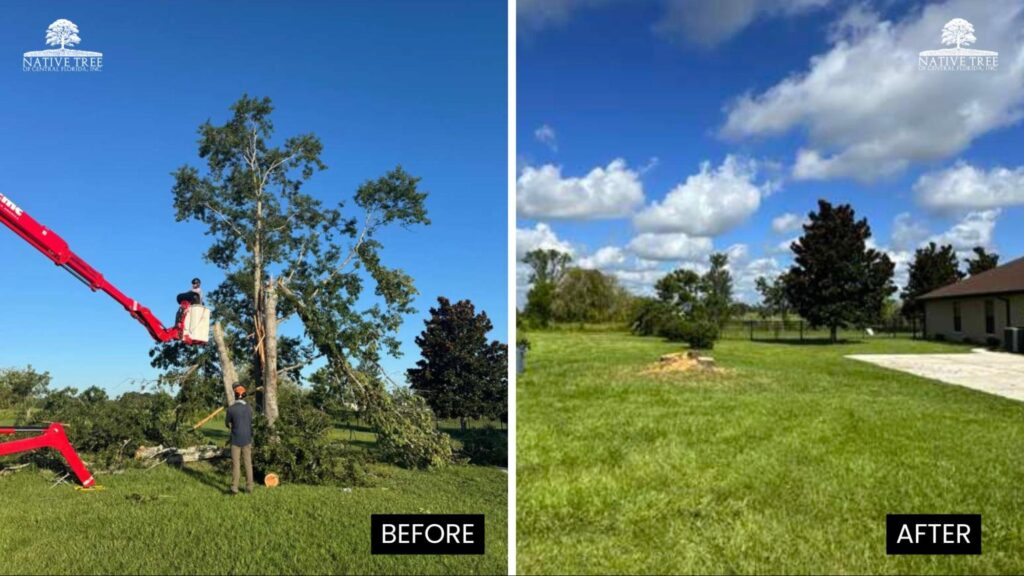
Hire a certified arborist in Ocala and Marion County who can assess both visible and hidden damage and determine whether a tree can recover or must be removed. Professionals may use specialized tools such as sonic tomography or resistograph testing to detect internal decay that cannot be seen externally.
Monitor Over Time
Watch for delayed symptoms since lightning-damaged trees may develop new cracks, limb failures, or internal decay weeks or months after the strike. Schedule follow-up inspections with a professional to ensure evolving hazards are addressed promptly and risks to people or property are minimized.
Can a Lightning-Damaged Tree Be Saved? Treatment Options for Recovery
Overview
Not every tree struck by lightning needs to be removed, as many can recover if the damage is limited and they receive proper care. A tree’s ability to recover depends on factors such as its species, age, overall health, and the severity of the strike. Homeowners should understand the following treatment options to support recovery.Selective Pruning
Removing damaged, broken, or hanging branches reduces immediate hazards and prevents further injury to the tree. Pruning also helps maintain structural balance by redistributing weight in weakened areas. Early removal of damaged limbs prevents decay by limiting entry points for pests and fungi.Cabling and Bracing
Supporting weak limbs or cracked trunks with cables or braces helps reinforce structurally compromised areas. This method can prevent existing cracks from spreading and improve the tree’s long-term chance of survival. Proper support also enhances safety by reducing the risk of falling limbs near homes or outdoor spaces.Watering and Fertilization
Adequate watering reduces stress on lightning-damaged trees that may struggle to move nutrients and moisture effectively. Fertilization provides essential nutrients that support new growth and strengthen weakened tissues. Consistent hydration and nutrient care encourage healing over the months or years needed for full recovery.Pest and Disease Management
Preventing infestations is crucial because cracks and charred areas create ideal entry points for insects and fungi. Early protective treatments help reduce the risk of decay and extend the tree’s lifespan. Regular monitoring ensures new issues are detected and treated before becoming serious.Long-Term Monitoring
Some symptoms of lightning damage may appear slowly, so watching for delayed signs such as declining leaves, branches, or growth is essential. Scheduling periodic inspections with a certified arborist allows for ongoing evaluation of the tree’s health, proper adjustment of treatments, and assurance that the tree remains stable and safe.When Removal Is the Safest Option
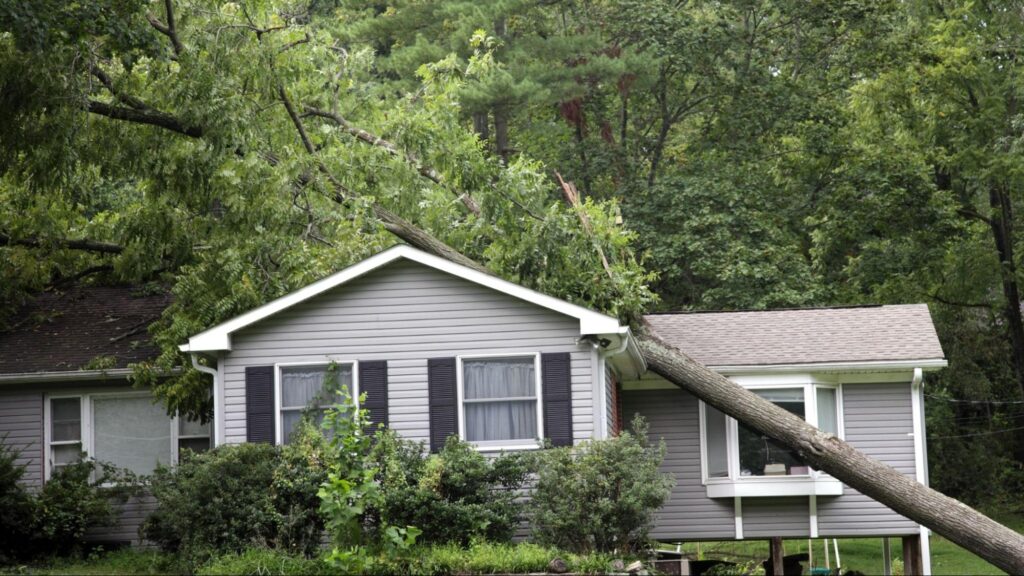
Structural Damage to the Trunk
- Deep cracks or splits: Lightning can create fissures that extend deep into the trunk, weakening the tree’s overall stability.
- Hollowed or charred sections: Significant internal burning or decay reduces the tree’s ability to support its own weight.
Unstable or Leaning Trees
- Tilted or leaning trunks: Damage to the root system or one side of the tree can cause leaning, increasing the risk of toppling during storms or high winds.
- Shifting roots: Roots damaged by the strike or surrounding soil movement compromise anchoring, making the tree unsafe.
Irreparable Branch Damage
- Large, broken, or shattered limbs: If key branches cannot be safely pruned or repaired, the risk of falling debris remains high.
- Weak or dangling limbs: Branches left hanging after a strike can fall unexpectedly, posing immediate danger.
Risk to People and Property
- Proximity to structures: Trees near homes, driveways, or power lines pose a higher threat if they fail.
- High-traffic areas: Trees in yards, parks, or walkways may endanger anyone nearby.
Accelerated Decay or Pest Infestation
- Severe internal decay: Lightning damage opens the door to fungi and insects that accelerate weakening.
- Limited recovery potential: Some trees cannot recover from extensive damage, even with professional care.
Long-Term Impact of Lightning Strikes on Trees
Even when a tree survives a lightning strike, the long-term effects can compromise its health and structural integrity. Lightning often creates hidden internal cracks, splits, or weakened areas that are not immediately visible, making the tree one of the dangerous trees in your yard.- Future storm damage: Weak limbs or compromised trunks are more likely to break during high winds, heavy rain, or ice, posing a risk to people, pets, and property.
- Infestations from insects or fungi: Cracks, splits, and charred areas provide entry points for pests and pathogens, which can accelerate decay and further weaken the tree.
- Accelerated structural decline: Branches may fail unexpectedly, trunk stability may decrease, and overall growth can slow, increasing the likelihood of collapse or hazardous limbs.
Reducing Risk Before Future Storms
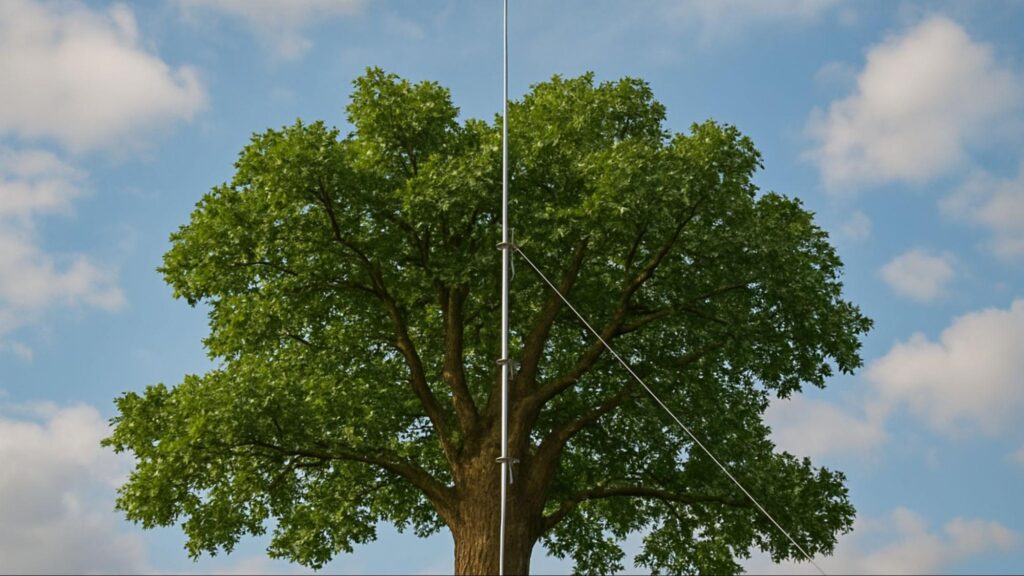
Consider Lightning Protection Systems
Installing lightning rods on valuable or tall trees helps redirect electrical surges safely into the ground. It is also important to focus on high-risk trees, such as those that are isolated, tall, or moisture-rich, as they are more likely to be struck during storms.Maintain Tree Health
Regular pruning removes weak, dead, or damaged branches to reduce the risk of breakage during storms. Proper soil and root care ensures the roots have adequate aeration and nutrition to stay stable.Strategic Planting and Landscaping
Keeping large trees at a safe distance from homes, driveways, power lines, or outdoor areas prevents potential hazards. Choosing storm-resilient tree species with strong wood and flexible branches can also reduce the risk of breakage during severe weather.Periodic Professional Inspections
Certified arborists in Ocala and Marion County can identify hidden damage, pest issues, or structural weaknesses during routine evaluations. After lightning or severe weather, post-storm inspections help detect cracks, broken limbs, or leaning trunks to ensure safety.Conclusion
A tree hit by lightning may look dramatic, but hidden internal damage is common and can make it a serious hazard. Carefully identifying warning signs, taking immediate safety precautions, and consulting a professional arborist are key to deciding whether a tree can recover or should be removed. Timely action not only protects your property, family, and pets from falling limbs or structural damage but also helps preserve the health and stability of your landscape.By maintaining regular tree care, monitoring vulnerable trees after storms, and planning ahead for potential lightning strikes, homeowners can minimize risks and ensure their outdoor spaces remain both safe and visually appealing.
Protect Your Property After Lightning Damage
A tree struck by lightning may become unstable over time. Let our team evaluate the damage and help prevent future hazards.Frequently Asked Questions